Do Northern Pike and Walleye Compete for Food?
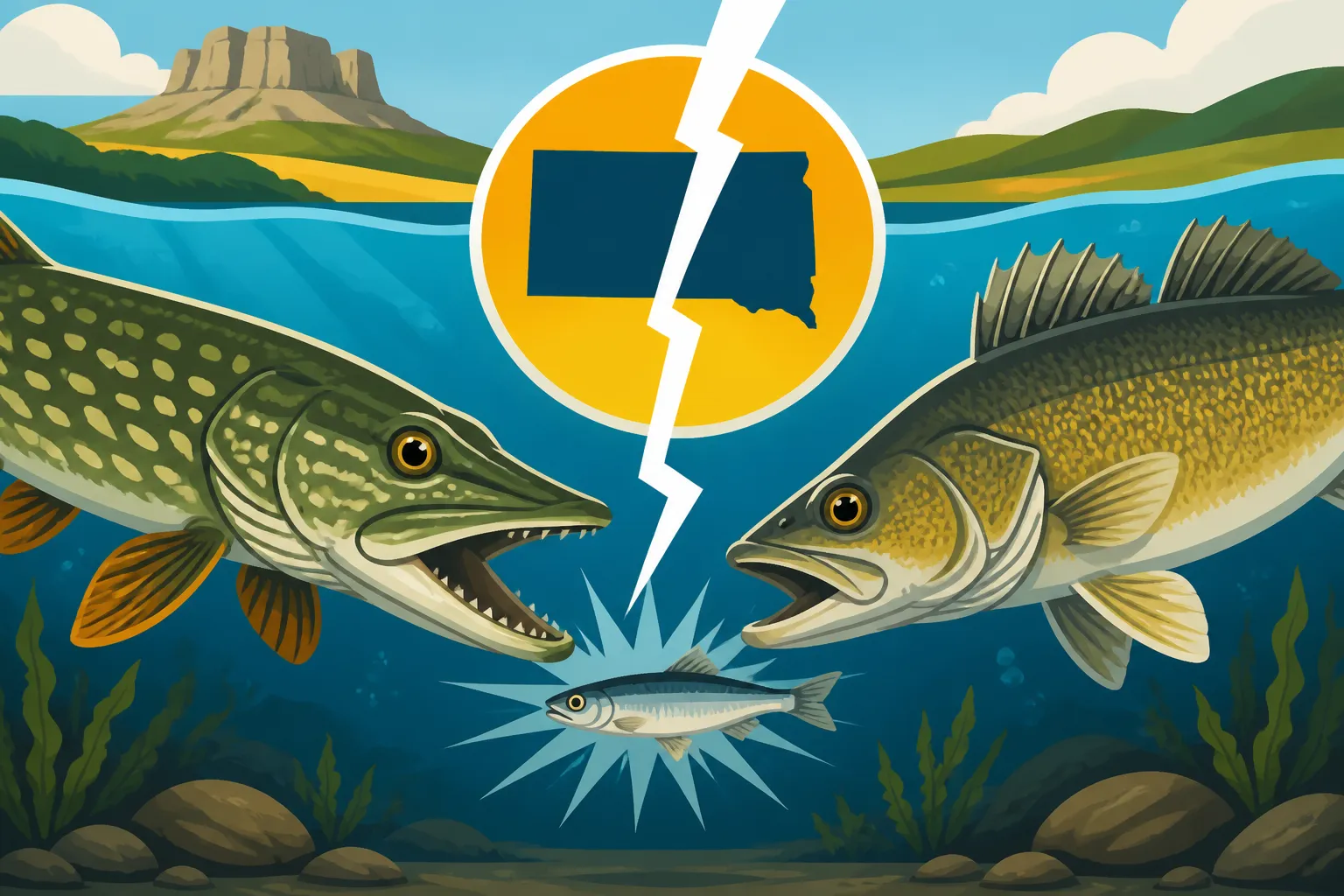
It's a common question that crosses the minds of many anglers exploring South Dakota's beautiful waters: do those toothy northern pike really compete for food with our beloved walleye? You've heard the whispers, seen the tales of tackle box raids, and it leaves you wondering if these two popular game fish are constantly battling for every meal. The truth is, while they share some dietary preferences, their ecological niches often minimize direct, widespread competition, but understanding where these overlaps and differences occur can significantly improve your fishing strategy and appreciation for our diverse aquatic ecosystems. This guide will dive deep into the feeding habits of both species in South Dakota, exploring when and where competition might heat up, and what it means for the health of our lakes and rivers.
Understanding the Diets of Northern Pike and Walleye
To truly grasp whether northern pike and walleye compete for food, we first need to understand what each species typically eats. While both are predatory fish, their preferred hunting grounds, tactics, and main dietary staples have distinct differences that usually keep them from being in an all-out food war.
The Northern Pike's Predatory Appetite
Northern pike are often seen as the undisputed apex predators in many of South Dakota's waters, especially in shallower, weedy areas. They are built for ambush, with torpedo-shaped bodies, powerful tails, and mouths full of razor-sharp teeth pointing backward, perfect for grasping and holding onto their prey. Their diet is primarily made up of other fish. This includes almost any species that fits into their mouth, such as yellow perch, minnows, suckers, and even smaller members of their own kind or other game fish like bass and juvenile walleye.
A pike's hunting strategy is less about a prolonged chase and more about sudden, explosive bursts of speed from cover. They love to lie in wait among submerged vegetation, fallen timber, or rock piles, camouflaged and ready to pounce. They are opportunistic feeders, meaning if it moves and they can swallow it, they probably will. Larger pike are known to consume bigger meals, sometimes even small waterfowl or rodents if the opportunity presents itself. You can learn more about where to find these impressive predators in our South Dakota Northern Pike Fishing Guide.
The Walleye's Forage Preferences
Walleye, on the other hand, have a more nuanced and often varied diet, though they are certainly formidable predators in their own right. They are known for their keen eyesight, particularly in low-light conditions, which makes them exceptional hunters during dawn, dusk, and even at night. Their typical diet consists primarily of smaller, schooling baitfish like yellow perch, shiners, shad, and even young ciscos, depending on the specific lake or reservoir. They'll also happily munch on aquatic insects, crayfish, and other invertebrates, especially when they're younger or if fish forage is scarce.
Unlike pike, walleye tend to prefer deeper, cooler water, often congregating around structural elements like humps, points, submerged islands, and the edges of weed lines where they meet open water. They are less about the sudden ambush and more about cruising and actively hunting schools of baitfish. In some of South Dakota's large reservoirs, like Lake Oahe, their diet can include substantial numbers of rainbow smelt, which they follow throughout the water column. Understanding what fuels these fish can be a game-changer for your success on the water; for more insights, check out Forage Fish South Dakota Walleye Rely On.
Overlap in Prey: Where Competition Arises
Despite their distinct preferences, there's definitely an overlap in the menu for northern pike and walleye. This is where the potential for competition truly exists. However, various factors often mitigate this overlap, preventing it from becoming a widespread issue in most healthy ecosystems.
Shared Forage Base
The most significant area of dietary overlap between northern pike and walleye in South Dakota is their shared love for common baitfish species. Yellow perch are a prime example. These small, schooling fish are abundant in many South Dakota lakes and reservoirs and provide an easily accessible, nutritious meal for both species. Minnows of various types, juvenile suckers, and other small panfish also frequently appear on both the pike and walleye menu. It's easy to see why these become a point of contention; they're readily available and packed with energy.
When these shared forage species are abundant, the competition is less intense. There's enough food to go around, and while both might be targeting the same schools of perch, they might be doing so in different parts of the lake or at different times of day. However, in systems where baitfish populations are stressed or low, that's when the competition can really ramp up, pushing both predators to work harder for fewer meals. You might find some excellent fishing using techniques designed for these shared forage species; for more ideas, explore Best Lures for South Dakota Walleye.
Habitat and Behavioral Differences that Minimize Competition
Thankfully, nature has a way of balancing things out, and the distinct habitat preferences and behavioral patterns of northern pike and walleye often serve to minimize direct competition for food. Imagine a large South Dakota lake:
- Habitat Segregation: Northern pike typically patrol the shallower, warmer, and often weedier bays, shorelines, and flats. These areas provide the perfect cover for their ambush style of hunting. Walleye, conversely, prefer deeper, cooler water, concentrating around main lake points, humps, and structural features in open water, or along the deeper edges of weed lines where they drop off into cooler depths. This natural separation means they're often not even in the same "grocery store" at the same time. While a walleye might venture into shallower waters during low light or to spawn, and a pike might move deeper in the heat of summer, these are often temporary shifts.
- Time of Day: Walleye are notoriously crepuscular, meaning they are most active during dawn and dusk, and often throughout the night, using their superior low-light vision to their advantage. Pike, while also active during these times, tend to be more active throughout the day, especially in cloudy conditions or during cooler seasons. This can lead to a natural "shift work" feeding schedule where they exploit the same forage at different times.
- Hunting Styles: Pike's explosive, short-distance strikes from cover differ from the walleye's more sustained, cruising hunt of open-water baitfish schools. While both might target yellow perch, a pike might snatch one darting out of a weed bed, while a walleye might pick off a straggler from a deep-water school.
These behavioral nuances mean that even if both species are eyeing the same yellow perch, the circumstances of their hunt can be quite different, reducing head-to-head competition.
Factors Influencing Competition in South Dakota Waters
The level of competition between northern pike and walleye isn't a static thing; it's a dynamic interplay influenced by the specific characteristics of the water body and changing environmental conditions. What happens in a small, shallow glacial lake might be vastly different from a vast Missouri River reservoir.
Lake Size, Structure, and Forage Abundance
The physical characteristics of a South Dakota lake or reservoir play a massive role in whether pike and walleye will be elbowing each other for food.
- Large, Complex Systems: In expansive bodies of water like Lake Oahe or Lake Sharpe, with diverse habitats, numerous deep-water structures, vast open-water areas, and abundant forage species (think rainbow smelt, gizzard shad, or massive perch populations), direct competition between pike and walleye tends to be minimal. These large systems offer enough room and food for both populations to thrive by utilizing different parts of the ecosystem. Pike will dominate the shallower, warmer arms and bays, while walleye will hold to the main lake points and channel breaks. You can explore the bounty of these waters in our Lake Oahe Fishing Guide.
- Smaller, Simpler Systems: Conversely, in smaller, shallower lakes with less diverse structure and a limited forage base (perhaps only smaller minnows and yellow perch), competition can become much more pronounced. Here, the distinct habitat preferences might blur, forcing both species into the same areas to find food. If the perch population is low, for instance, both pike and walleye will feel the pinch, potentially leading to slower growth rates for both.
The sheer abundance of food is arguably the most critical factor. When prey is plentiful, both species can eat their fill without directly impacting the other's success. When food becomes scarce, that's when you start to see the true effects of competition.
Seasonal Changes and Water Conditions
South Dakota's seasons bring dramatic changes, and these shifts directly influence fish behavior and, consequently, the dynamics of competition.
- Spring: After the ice melts, both pike and walleye become more active, albeit for different reasons. Pike are often in shallow areas for spawning, and become quite aggressive post-spawn, feeding heavily to recover. Walleye also move shallow for their spawn, and then into transitional areas to feed. During this time, they might briefly occupy similar depths and target the same emerging baitfish. Water temperatures are cooler, and food might not be as widely dispersed, leading to a temporary increase in overlap.
- Summer: As water temperatures rise, many pike will retreat slightly from the very warmest shallows but still favor weed lines and structure. Walleye typically move to deeper, cooler waters, often suspending over open water or holding tight to deep structure. This natural stratification minimizes competition as they inhabit different thermal layers and depths. However, during low light hours, walleye might move shallower, potentially encountering pike.
- Fall: As water cools, both species become highly active again, putting on weight for winter. Pike might be found in shallower bays gorging on panfish, while walleye move to main lake points and flats, targeting schools of baitfish. The widespread availability of forage often means they can feed effectively without intense direct competition. This is often an excellent time for targeting trophy fish.
- Winter/Ice Fishing: Under the ice, the dynamics shift again. Both species are generally less active but still feed. Pike can often be found relating to shallower weed beds that retain some oxygen, while walleye might be found patrolling distinct structural elements in deeper basins. Anglers often target both through the ice, and it's not uncommon to catch a pike while targeting walleye, demonstrating their presence in shared, albeit sometimes different, ice fishing grounds. For specific techniques during this season, refer to our South Dakota Ice Fishing Guide.
Changes in water clarity (e.g., after heavy rains or due to algal blooms) can also influence competition. Clearer water might make pike's ambush tactics harder, while murkier water might favor walleye's low-light vision, shifting their feeding efficiencies.
The Impact of Competition on Anglers and Fish Populations
Understanding the relationship between northern pike and walleye goes beyond mere curiosity; it has real implications for anglers planning their trips and for fisheries managers ensuring the health of South Dakota's aquatic resources.
Implications for Fishing Strategies
For the angler, knowing whether pike and walleye are competing can help you refine your approach:
- Targeting Specific Species: If you're solely after walleye, understanding their preferred habitat and feeding times (deeper, low light) will help you avoid the pike-dominated shallower, weedy areas during peak pike activity. Conversely, if you want to tangle with a northern, focusing on those weedy bays with a larger bait presentation will increase your odds.
- Lure Selection: While some lures, like spinnerbaits or larger spoons, might attract both, specific presentations can favor one over the other. Smaller jigs, subtle crankbaits, or live bait rigs are often more effective for walleye, while larger, more aggressive lures tend to appeal to pike. If you're catching a lot of pike while walleye fishing, it might be a sign that they're both keying in on a similar bait source, or that you're fishing an area where pike are abundant. You can find many options on Amazon for targeting either species.
- Seasonal Adjustments: Recognizing seasonal shifts in feeding behavior allows you to adapt. In spring, when both might be shallower, you might encounter more mixed bags. In summer, you'll likely need to go deeper for walleye to avoid the warmer, pike-heavy shallows.
A good angler uses this knowledge to their advantage, not just to catch more fish, but to better understand the environment they're fishing in. This means observing what other anglers are catching, noting water conditions, and even checking local fishing reports.
Management Strategies and Ecosystem Health
South Dakota Game, Fish and Parks (GFP) actively manages fish populations to ensure healthy ecosystems and sustainable fishing opportunities. The relationship between predator species like pike and walleye is a key consideration.
- Population Monitoring: GFP biologists conduct regular fish population surveys, studying growth rates, age structures, and forage availability for both pike and walleye. If they notice walleye growth rates declining in a lake with a high pike population, or vice-versa, it could indicate increased competition for limited resources. They also track overall fish health and the abundance of forage fish, which directly impacts competition. These reports are often summarized in documents like South Dakota Fish Stocking Report Basics.
- Stocking Programs: Stocking can play a role. For example, if a lake has an overabundance of northern pike and a struggling walleye population due to predation on young walleye or intense competition for forage, GFP might adjust stocking strategies to bolster walleye numbers or even introduce new forage species if suitable.
- Regulations: Fishing regulations, such as South Dakota Walleye Limits and South Dakota Northern Pike Limits, are designed to manage fish populations, allowing them to thrive. Slot limits or possession limits for certain species can help maintain a balanced predator-prey relationship, preventing any one species from overpopulating and creating undue pressure on the forage base, which would, in turn, increase competition. For instance, sometimes regulations aim to reduce the number of smaller, more numerous pike, which might be competing with walleye for smaller forage.
By carefully managing these populations, GFP aims to create fisheries where both northern pike and walleye can coexist and provide excellent angling opportunities, without one species severely hindering the other due to food competition. This delicate balance is vital for the long-term health of our aquatic habitats.
| Feature | Northern Pike | Walleye |
|---|---|---|
| Primary Habitat | Shallow, weedy bays, submerged vegetation, timber | Deeper, cooler water, main lake structure, rocky points |
| Preferred Prey | Yellow perch, minnows, suckers, other fish (larger) | Yellow perch, shiners, shad, smelt, crayfish (smaller, schooling) |
| Hunting Style | Ambush predator, explosive short bursts from cover | Cruising hunter, active pursuit of baitfish schools |
| Peak Activity | Often active throughout the day, especially cloudy | Dawn, dusk, night (low-light specialist) |
| Competition Level | Generally lower with walleye due to habitat/time segregation | Generally lower with pike due to habitat/time segregation |
| Typical Size of Prey | Can consume relatively large prey, up to 1/3 their body length | Prefers smaller, more easily swallowed baitfish |
| Lure Preference | Larger spoons, spinnerbaits, jerkbaits, large plastics | Jigs, crankbaits, live bait rigs (minnows, nightcrawlers) |
Conclusion
So, do northern pike and walleye compete for food in South Dakota? The answer is a nuanced "yes, but often minimally." While they do share some common prey items, particularly yellow perch and various minnows, their distinct habitat preferences, hunting strategies, and activity periods usually lead to a natural segregation that minimizes intense, direct competition. In large, diverse systems with abundant forage, both species can thrive, each occupying its own niche. However, in smaller, less complex waters with limited food resources, or during certain seasonal transitions, that competition can become more pronounced.
As anglers, understanding these dynamics not only makes us more informed but also more effective on the water. It helps us choose the right spots, the right times, and the right presentations, whether we're targeting a trophy walleye or a hard-fighting northern pike. Our state's fisheries managers are constantly working to maintain this delicate balance, ensuring that South Dakota continues to offer fantastic opportunities to catch both of these magnificent fish for generations to come.
Disclaimer
This article is for general informational purposes only and does not constitute professional advice. Laws, prices and regulations vary by location and change over time. Consult a qualified professional for guidance on your specific situation.