Forage Fish South Dakota Walleye Rely On
It can be incredibly frustrating to hit the water in South Dakota, knowing walleye are out there, but having no clue what they're actually munching on. You cast and cast, try different lures, and still come up empty. Understanding the crucial forage fish that South Dakota walleye rely on is like unlocking a secret map to their feeding habits, and this guide is here to help you decipher it, making your next trip much more productive.
The Critical Role of Forage Fish in Walleye Ecosystems
Anyone who's spent time chasing walleye knows they aren't just swimming around aimlessly. They're constantly on the hunt for food, and what they're hunting can make all the difference in your fishing success. The entire ecosystem, from the smallest plankton to the biggest walleye, is a delicate balance, and forage fish sit right at the heart of it.
Why Forage Fish Are the Foundation of Walleye Success
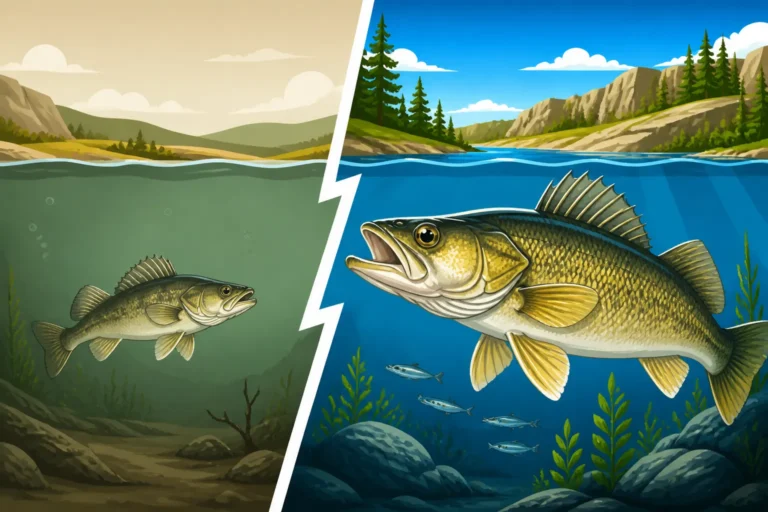
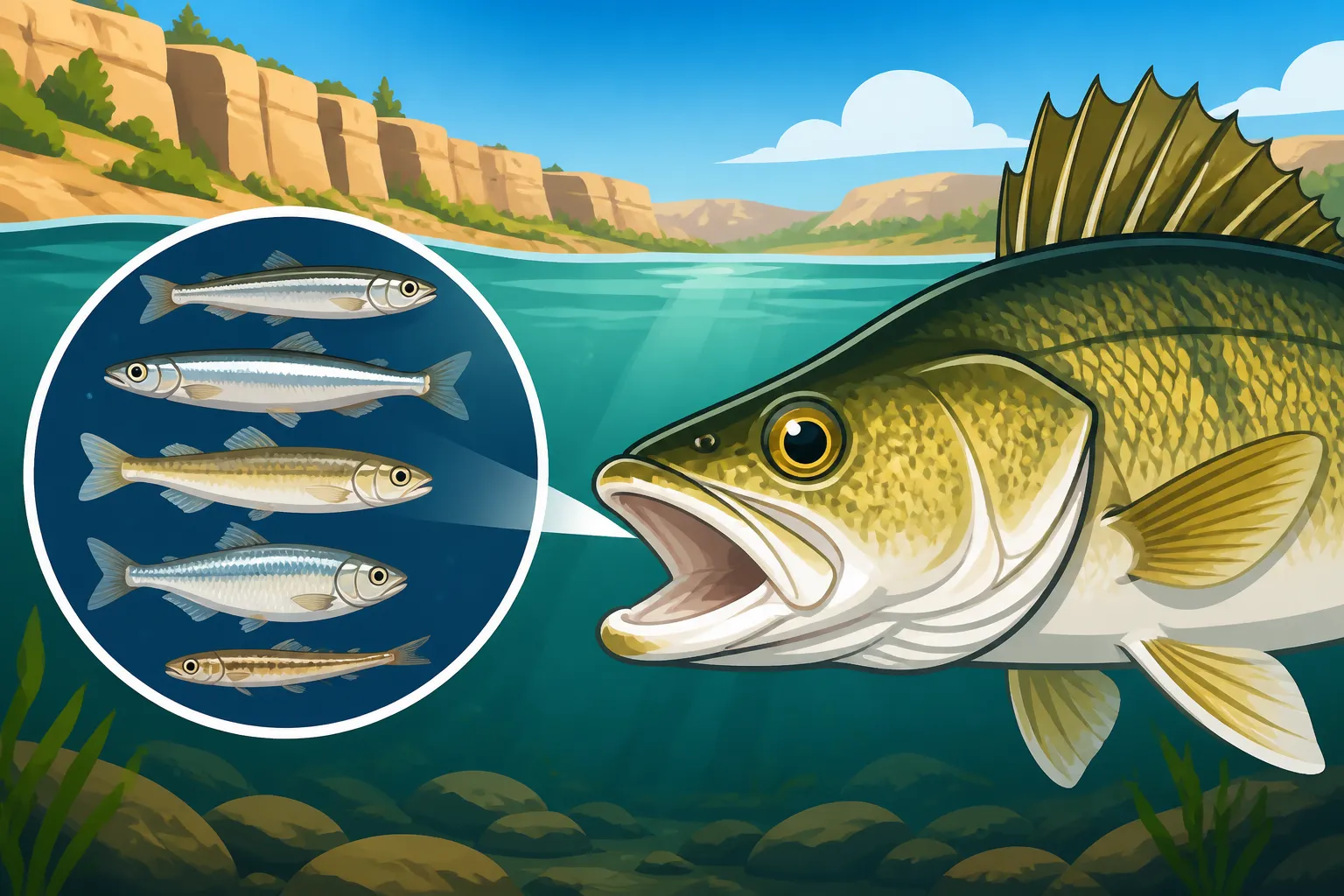
Walleye are opportunistic predators, but make no mistake, they are primarily fish-eaters. They target smaller baitfish with a relentless efficiency that makes them such formidable game fish. A robust and healthy forage base isn't just a nice-to-have; it's absolutely essential for the growth, overall health, and sheer population density of walleye in any given water body. Without enough calories from these smaller fish, walleye simply won't thrive, leading to stunted growth or declining numbers.
Think of it like a pyramid. At the bottom, you have the microscopic plankton and aquatic insects, which are eaten by slightly larger invertebrates and small fish. These small fish, our "forage fish," then become the primary diet for larger predators like walleye. If that base layer of forage isn't strong, diverse, and abundant, the entire structure above it begins to falter. This is why fisheries biologists spend so much time studying baitfish populations; they are directly linked to the health of our prized walleye fisheries.
From an angler's perspective, this means that understanding the prevailing forage is your first step to putting walleye in the boat. If you know what they're eating, you can present a lure or bait that closely mimics that natural food source. It's not just about throwing a "walleye lure"; it's about throwing the right walleye lure for what they're currently keyed in on. This knowledge will guide your choices in lure color, size, shape, and even your retrieval speed.
It's also important to remember that what walleye eat can vary significantly even within South Dakota. The diet of a walleye in the vast, deep waters of Lake Oahe might be quite different from one in a shallower, weed-filled glacial lake in eastern South Dakota. Each body of water has its own unique mix of forage, and the successful angler learns to recognize these regional differences.
How Forage Availability Influences Walleye Behavior and Location
Walleye are masters of efficiency. They aren't going to expend excess energy chasing down a meal if there's an easier one to be had. This means they will consistently position themselves where forage fish are most concentrated or most vulnerable. If baitfish are schooling up along a specific weed line, congregating over a deep hump, or hiding in the current breaks below a dam, you can bet the walleye won't be far behind, lurking in ambush.
The movements of forage fish are often dictated by environmental factors like water temperature, spawning cycles, and oxygen levels. As these smaller fish migrate throughout the year – moving from shallow bays in spring to deeper, cooler water in summer, then back to staging areas in fall – the walleye will be hot on their tails. Learning to track these seasonal forage movements is arguably one of the most critical skills an angler can develop, as it directly tells you where to start your search for walleye.
Furthermore, forage fish often relate to specific underwater structures for shelter, food, or spawning. For example, young perch might hide in thick weed beds, while smelt could be found suspending over deep main lake basins. Walleye, in turn, will position themselves strategically around these structures – on the edges of the weeds, just above the thermocline, or along the contour lines of a sunken island – ready to ambush any unsuspecting baitfish that swims by. This predator-prey dynamic is a constant dance.
The "herd" mentality of many baitfish species also plays directly into a walleye's hunting strategy. When a large school of minnows or shad is present, walleye will often work together or individually to scatter the school, picking off isolated individuals. Observing your sonar for large bait balls, especially with larger arches underneath or nearby, is often a clear indicator that you're in a walleye feeding zone.
Key Forage Species for South Dakota Walleye
South Dakota's diverse waters offer a banquet of different forage options for walleye, but a few species stand out as consistent staples in their diet. Understanding these key players is paramount to putting together a successful fishing strategy.
The Dominant Players: Shad, Smelt, and Cisco (Lake Herring)
When you talk about big walleye in South Dakota's larger reservoirs, you often talk about Gizzard Shad and sometimes Alewife. These baitfish are prolific in the warmer waters of the Missouri River reservoirs like Lake Sharpe and Lake Francis Case. They form massive schools, and walleye will actively gorge themselves on these fatty, protein-rich morsels. When shad are abundant, walleye can grow to impressive sizes very quickly. Anglers often look for large schools of shad on their electronics; if the walleye are on the shad, they can be found suspending in open water, chasing these schools across vast expanses of the lake.
Further north, particularly in the deep, cold waters of Lake Oahe, the king of forage is often the Rainbow Smelt. These slender, silvery fish are a cold-water species, perfectly adapted to the deep, oligotrophic environment of Oahe. Walleye on Oahe actively hunt smelt, often moving between deep main lake basins in summer and shallower areas of the lake during spring and fall as the smelt migrate. Chinook Salmon Spawning Run Dates on Lake Oahe are also heavily influenced by smelt, as they are a critical food source for salmon as well. Anglers targeting walleye or salmon on Oahe will often look for concentrations of smelt on their sonar, knowing that their target species will be nearby.
In some of South Dakota's deeper glacial lakes, you might also find Cisco, sometimes called Lake Herring. These are another cold-water, open-water forage species, similar in habit to smelt but typically found in different lake types. Their high fat content makes them an incredibly nutritious food source for walleye, allowing them to pack on weight. Walleye in cisco lakes often exhibit pelagic behavior, suspending in the water column to hunt these open-water baitfish rather than sticking tightly to bottom structure.
For anglers, the practical implication of these dominant forage species is clear: "match the hatch." If walleye are primarily eating gizzard shad, a long, slender crankbait with a silver or shad-patterned finish would be a wise choice. For smelt-eaters, a spoon or a jerkbait that mimics a dying or fleeing smelt is often irresistible. Many of these specialized lures are readily available on Amazon and can make a huge difference in your presentation.
The Versatile Eaters: Yellow Perch and Various Minnows
While the open-water baitfish are crucial in certain systems, the humble Yellow Perch holds a special place in the walleye's diet across nearly all of South Dakota's fishing waters. From the vast Missouri River reservoirs to the smallest glacial lakes, perch are a ubiquitous and incredibly important forage. They school up, providing easy targets, and their plump bodies are a favorite meal for walleye of all sizes, especially the larger, trophy-sized fish. Many anglers specifically target South Dakota Perch Fishing Guide to catch these tasty fish, but they're also excellent walleye bait.
Walleye typically ambush perch along classic structures: weed lines, sharp drop-offs, rock piles, and points. Perch use these areas for cover and to find their own food, making them predictable targets for hungry walleye. Understanding where perch are likely to be at different times of the year is a huge step toward locating feeding walleye.
Beyond perch, a variety of smaller minnow species, such as Fathead Minnows and Shiners, play a vital role, especially in shallower, marshier areas and as an early food source for young walleye. These minnows are also incredibly popular as live bait, a testament to their effectiveness in attracting walleye. They often congregate in large schools along the edges of weed beds or in shallow bays, offering easy pickings for walleye lurking nearby.
When walleye are feeding on perch or minnows, your lure choices should reflect that. Perch-patterned crankbaits, jigging spoons, or even a simple jig-and-minnow combo are classic go-to presentations. Soft plastic swimbaits that imitate the profile and swimming action of a small perch or minnow can also be deadly. Again, resources like Amazon offer a vast selection of these types of lures and baits to help you find the perfect match.
Other Opportunistic Forage: Crappie, Bluegill, and Young of the Year
Walleye aren't generally considered "picky" eaters, and if the opportunity presents itself, they will readily consume smaller individuals of other species. This often includes smaller Crappie and Bluegill, especially in lakes where these panfish populations are abundant. When walleye and panfish share the same habitat, it's not uncommon for smaller panfish to end up as a walleye's meal. Anglers targeting Crappie and Panfish Possession Limits might notice these fish in walleye stomachs.
Perhaps most importantly, walleye are voracious predators of "young of the year" (YOY) fish of almost any species. This means tiny walleye, smallmouth bass, northern pike, or any other fish that are still small enough to be swallowed. This annual hatch provides a massive boost to the walleye's food supply and helps them grow rapidly throughout the summer and fall. Understanding when and where these YOY fish are abundant can lead you to very active walleye feeding zones.
While fish are the primary diet, it's also worth noting that for very young walleye or in times of extreme baitfish scarcity, aquatic insects and various invertebrates can form a supplementary part of their diet. This reinforces the idea that a healthy base of the food chain is crucial for walleye at every life stage. The broader implication for anglers is that while mimicking dominant forage is key, a lure that imitates a generic small fish can sometimes work, as walleye are quite adaptable in their feeding.
Understanding Forage Dynamics for Better Walleye Fishing
Knowing what walleye eat is only half the battle; knowing when and where they eat it is the key to consistent success. Forage availability isn't static; it shifts with the seasons and varies significantly by water body type. Understanding these dynamics allows you to adjust your strategy and find the walleye.
Seasonal Shifts in Forage Availability and Walleye Diet
The calendar dictates much of a walleye's life, and that includes their diet. Spring, post-spawn, finds walleye incredibly hungry. They've just exerted immense energy and are looking to replenish. At this time, forage fish like minnows and perch are often shallow, themselves preparing to spawn or recovering from it. The warming water energizes these baitfish, making them more active and accessible. Walleye will often be found cruising shallow flats or rocky shorelines where these baitfish congregate.
As summer progresses, baitfish tend to move to deeper, cooler water, often suspending in the open water column or relating to main lake structures like deep points and humps. This is a time when Deep Water Summer Fishing Techniques become essential. Walleye will follow these forage schools, meaning you might find them over vast stretches of open water, rather than tight to the bottom. Understanding the thermocline (the temperature barrier in the water) can be crucial, as both baitfish and walleye often orient to it.
Fall is arguably one of the best times to target walleye, and it's all thanks to forage. Baitfish begin to school up tightly, preparing for the lean winter months. Walleye, sensing the approaching cold, go on a serious feeding frenzy, trying to bulk up. They will actively chase and corral these baitfish schools, sometimes pushing them into shallower bays or onto main lake points. Fall Fishing in South Dakota often involves targeting these aggressive feeding patterns.
During winter, under the ice, both walleye and their forage become more lethargic. Baitfish often congregate in specific deep basins or areas with better oxygen levels. Walleye, while less active, will still feed opportunistically on these concentrated baitfish. Winter Walleye Fishing Techniques often involve vertical jigging subtle presentations right in the heart of these baitfish schools, as the walleye won't expend much energy chasing.
The Impact of Water Body Type on Forage and Walleye Strategies
South Dakota's diverse aquatic landscape means that a "one-size-fits-all" approach to walleye fishing simply doesn't work. The primary forage species and, consequently, the walleye's behavior, are heavily influenced by the type of water body you're fishing.
The vast Missouri River Reservoirs (like Lake Oahe, Lake Sharpe, Lake Francis Case, and Lewis and Clark Lake) are giant impoundments with characteristics of both rivers and lakes. Lake Oahe, being deeper and colder, is heavily influenced by rainbow smelt, leading to a more pelagic walleye population that often suspends and chases open-water bait. Lakes Sharpe and Francis Case, being warmer, see gizzard shad playing a more dominant role, alongside a strong yellow perch population. Walleye in these systems are often found chasing huge schools of bait in open water, making techniques like Trolling for Walleye on Lake Oahe incredibly effective.
In contrast, the Glacial Lakes of eastern South Dakota (such as Lake Kampeska, Lake Poinsett, and Bitter Lake) are typically shallower, often with abundant vegetation and distinct structural features. Here, yellow perch are often king, along with various minnows and occasionally cisco in the deeper ones. Walleye in these lakes tend to be more structure-oriented, relating closely to weed lines, points, rock piles, and subtle depth breaks where perch and minnows find cover and food.
Even the Black Hills lakes, while primarily renowned for trout, can hold walleye in some instances. In these unique, clearer, and often smaller systems (like Sheridan Lake), the forage base might consist of smaller minnows, sculpins, or even young trout. The walleye fishing here requires a very different approach, often with lighter tackle and more subtle presentations. It emphasizes the need to understand the local ecosystem.
Ultimately, truly successful walleye anglers make it a point to research and understand the primary forage in the specific lake they plan to fish. This fundamental knowledge will inform every other decision they make, from lure selection to fishing depth.
Matching Your Presentation to the Prevailing Forage
This is where all your knowledge comes together – taking what you know about walleye forage and translating it into effective fishing presentations. The goal is to "match the hatch," meaning you select lures and baits that closely imitate what the walleye are currently eating in terms of size, shape, color, and action.
If walleye are actively feeding on long, slender rainbow smelt in Lake Oahe, a long jerkbait or a thin jigging spoon that mimics a fleeing or dying smelt will be highly effective. The erratic action of a jerkbait can imitate a wounded baitfish, while a spoon descending can look like a dying one. If they're keyed in on the broad profile of yellow perch in a glacial lake, then a crankbait with a distinct perch pattern and a wider wobble would be a far better choice. Many anglers also find success with soft plastics that mimic a perch's swimming action. Best Lures for South Dakota Walleye explores many of these options.
Size matters tremendously. If walleye are gorging on tiny young-of-the-year minnows, throwing a massive crankbait will likely be ignored. Conversely, if they're targeting adult perch or shad, a smaller lure might not get their attention. Pay attention to the size of any baitfish you see jumping or on your sonar, and try to match that profile. Look for various sizes of baits on Amazon to cover your bases.
Your presentation style is just as crucial. If walleye are actively chasing fast-moving schools of shad, a swift retrieve with a crankbait or spinnerbait might trigger strikes. However, if they're lethargically feeding on concentrated baitfish in deep water during winter, a slow, methodical vertical jigging approach that keeps the lure in the strike zone longer is often more productive. Trolling with crankbaits or spinner rigs allows you to cover vast areas and mimic cruising schools of baitfish, which is often key on large reservoirs.
Finally, your sonar is your best friend in this endeavor. Learning to interpret what your fish finder is telling you about baitfish schools – their size, depth, and density – is invaluable. Look for dense "bait balls" and then for larger, arch-shaped marks underneath or around them, indicating actively feeding walleye. This visual confirmation allows you to adjust your depth and presentation instantly to put your lure right in front of the feeding fish.
Practical Tips for Identifying and Capitalizing on Walleye Forage
Even with all the theoretical knowledge, applying it on the water is where the real learning happens. Successful anglers are keen observers and adaptable problem-solvers. They use every piece of information at their disposal to crack the walleye code.
Observing and Adapting on the Water
One of the simplest yet most effective ways to understand what walleye are eating is through visual cues. Keep an eye out for diving birds, especially gulls or terns, which often signal baitfish being pushed to the surface by predators from below. Surface disturbances, like schools of minnows scattering wildly, are another clear indicator of active feeding. Sometimes, you might even see walleye "boiling" on the surface as they aggressively chase down bait.
If you decide to keep a walleye, take a moment to check its stomach contents. Carefully and respectfully examine what it has been eating. This is the most direct and undeniable evidence of the walleye's current diet. You might find partially digested minnows, perch, or even shad. This immediate feedback allows you to adjust your lure color, size, and type to precisely match what they're gorging on. If you're practicing catch and release, handle the fish quickly and gently.
Don't be afraid to talk to local anglers and bait shop owners. They are often a goldmine of current information about what the fish are biting and what forage is prevalent. Fishing reports, both local and online, can also offer valuable clues about baitfish movements and walleye feeding patterns. When looking for fishing accessories or reading up on local spots, many anglers consult Amazon for product reviews and related guides.
The key here is adaptability. Don't be stubborn. If your initial lure choice isn't producing, and you're seeing signs of a different forage, be willing to change your lure, your depth, and your presentation speed. The walleye will tell you what they want if you pay attention.
Utilizing Technology to Locate Forage and Walleye
Modern electronics have revolutionized walleye fishing, and they are especially useful for understanding forage dynamics. Your fish finder or sonar is an indispensable tool. Learn to distinguish the fuzzy clouds or dense blobs of baitfish schools from the distinct, usually larger, arch-shaped marks of predator fish. Look for those bait balls, and then actively seek out the arches that are positioned underneath, on the edges, or actively moving through them. This indicates walleye actively hunting.
Using mapping and GPS capabilities on your electronics allows you to mark areas where you consistently find both baitfish and walleye. Identify specific underwater structures that seem to hold forage, such as submerged points, rock humps, old creek channels, or sharp breaks. By marking these waypoints, you can return to productive areas again and again.
In summer, understanding the thermocline is vital. This invisible boundary layer in the water often provides the optimal temperature and oxygen levels for both baitfish and walleye. Many advanced fish finders, available on Amazon and other retailers, can display the thermocline, allowing you to target the precise depth where fish are most active. Learning to read your electronics effectively will dramatically increase your efficiency on the water.
Ethical Considerations and Conservation of Forage Bases
While our goal as anglers is to catch fish, it's also our responsibility to be good stewards of the environment. Sustainable fishing practices extend beyond just limiting our catch of walleye; it also means considering the entire ecosystem, including the forage base. If you use live bait, be mindful of not overharvesting baitfish from a local area, and always check regulations regarding baitfish transport to prevent the spread of invasive species.
It's also worth noting that what forage fish consume can, in turn, affect the walleye that eat them. Be aware of resources like South Dakota Fish Consumption Advisories Explained, which are often issued to protect consumers from potential contaminants that can accumulate in fish through their diet. This is another reason why a healthy, balanced ecosystem is so important.
Supporting habitat conservation efforts and adhering to all fishing regulations helps maintain a healthy and robust forage base, which is the ultimate key to ensuring strong walleye populations for generations to come. Always be mindful of South Dakota Fish Limits and Size Restrictions to help maintain healthy fish populations. By respecting the natural cycles and managing our impact, we contribute to a thriving fishery that benefits everyone.
| Forage Fish Species | Primary Habitat | Walleye Location Clues | Lure/Bait to Mimic (Examples) |
|---|---|---|---|
| Gizzard Shad / Alewife | Open water, warmer reservoirs (Sharpe, Francis Case, Lewis & Clark) | Pelagic schools, river channels, breaks. Walleye often suspend with them. | Long, slender crankbaits (silver, shad patterns); soft plastic swimbaits; lipless crankbaits |
| Rainbow Smelt | Deep, cold water reservoirs (Lake Oahe, some glacial lakes) | Suspending in open water, main lake basin, deep points. Walleye follow depth. | Spoons (silver, blue/chrome); long jerkbaits; deep-diving crankbaits |
| Yellow Perch | Weed lines, rock piles, drop-offs, shallow bays (most South Dakota waters) | Structure-oriented, ambush points on cover. Walleye often relate to structure. | Perch-pattern crankbaits; jigging spoons; swimbaits; live minnows or perch |
| Cisco (Lake Herring) | Deep, cold glacial lakes | Open water, deep basins. Walleye often suspend over deep water. | Spoons; blade baits; white/silver soft plastics with slender profiles |
| Fathead Minnows / Shiners | Shallow bays, marshy areas, edges of weed beds, calm water | Shallow structure, current eddies. Walleye often ambush from cover. | Small jigs with curly tail grubs; small soft plastics; live fathead minnows |
Disclaimer
This article is for general informational purposes only and does not constitute professional advice. Laws, prices and regulations vary by location and change over time. Consult a qualified professional for guidance on your specific situation.