Do Rainbow Smelt Live in Lake Oahe?
Anglers often wonder about the intricacies of the underwater world, and a common question that pops up when discussing fishing on Lake Oahe is whether rainbow smelt actually live there, and if so, what impact they have. It’s a valid question because understanding the forage base of a lake can drastically change how you approach your fishing strategy. This guide aims to clear up any confusion and delve deep into the role rainbow smelt play in one of South Dakota’s premier fishing destinations.
Understanding Rainbow Smelt and Their Presence in South Dakota
When you're out on the vast waters of Lake Oahe, sometimes it feels like a whole hidden ecosystem exists beneath the surface, one that directly influences the success of your day. For many anglers, the thought of what the fish are eating is always on their mind, and rainbow smelt are a big part of that equation on Lake Oahe.
What Exactly Are Rainbow Smelt?
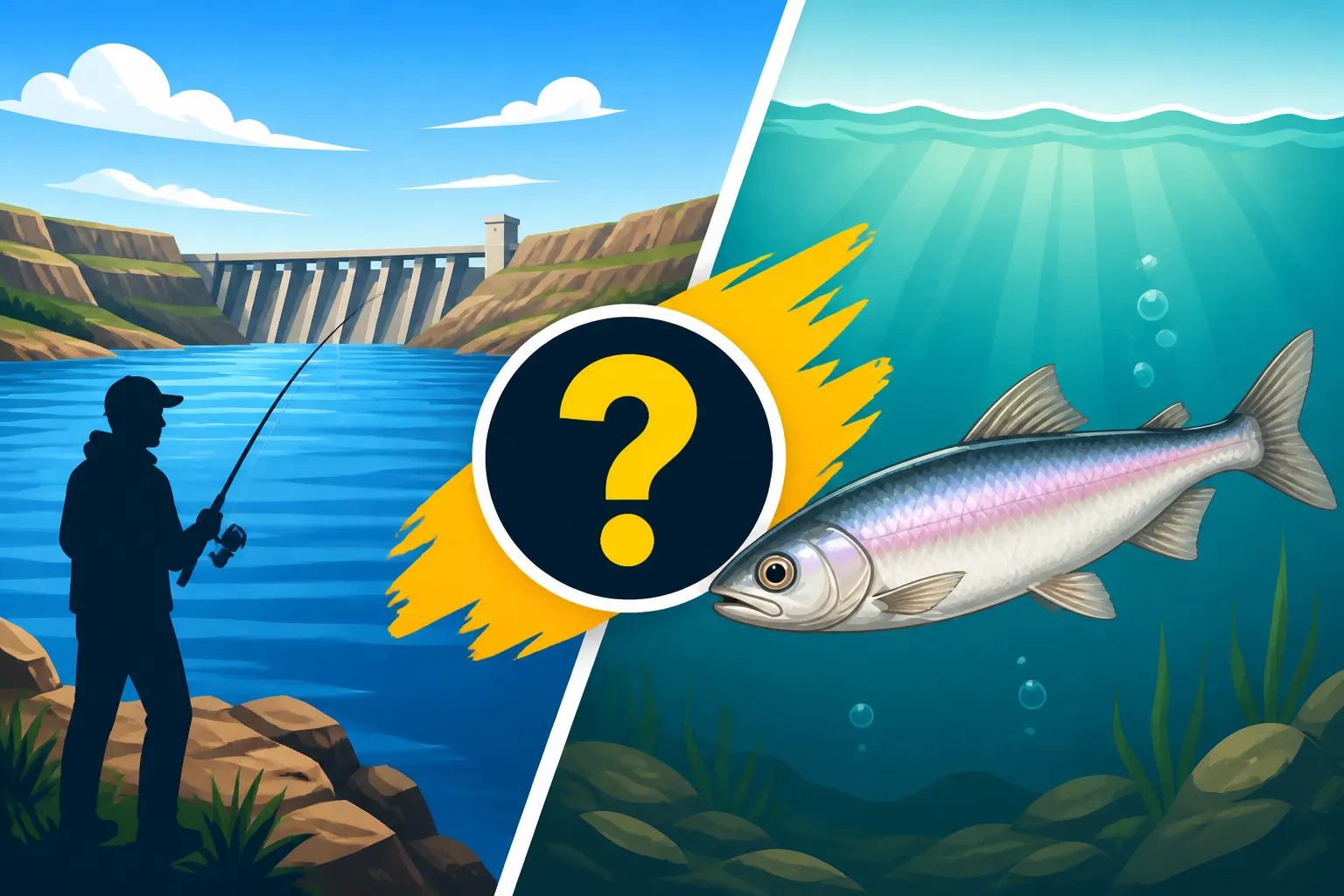
Rainbow smelt (Osmerus mordax) are a small, slender, silvery fish, often growing to about 6-9 inches in length, though some can get larger. They have a distinctive, almost cucumber-like smell when fresh, which is how they earned their name. Originally native to the Atlantic Ocean and some freshwater lakes in eastern North America, they've been introduced to many other inland waters, sometimes intentionally as a forage species for game fish, and sometimes accidentally.
These little fish are pelagic, meaning they often live in the open water column, frequently suspended over deep areas, especially during the day. At night, they tend to move shallower, which can influence where predatory fish like walleye and salmon will be hunting. They are incredibly prolific, reproducing quickly, which makes them an excellent food source, but also means their populations can fluctuate dramatically. For Lake Oahe, their presence is a well-established fact, not a rumor, and understanding them is key to understanding the lake itself.
The History of Smelt in Lake Oahe
The story of rainbow smelt in Lake Oahe is actually a fascinating one, deeply intertwined with the management goals for this massive Missouri River reservoir. Unlike some accidental introductions, rainbow smelt were deliberately stocked into Lake Oahe back in the 1970s. The main reason? To provide a robust and abundant forage base for the Chinook salmon program. Lake Oahe is famous for its South Dakota Chinook Salmon Fishing Guide, and for these landlocked salmon to thrive and grow to trophy sizes, they needed a readily available and nutritious food source.
Before smelt, biologists tried other forage fish, but none proved as successful or sustained the large populations needed to support a salmon fishery. Smelt adapted incredibly well to the cold, deep waters of Lake Oahe. They quickly established a self-sustaining population, becoming the cornerstone of the food web for both the introduced salmon and the native walleye. This historical context is vital because it explains why smelt are so prevalent and why they're such a crucial component of the lake's ecology. Their introduction fundamentally changed the dynamic of the fishery, creating the opportunities for trophy fish that anglers now enjoy.
Why Their Presence Matters to Anglers
For you, the angler, knowing that rainbow smelt live in Lake Oahe isn't just a biological fact; it's a piece of critical intelligence that can transform your fishing strategy. These small fish are essentially the "candy" of the lake for many of the top predators. Imagine trying to catch a hungry predator when you don't know what it’s hunting – it would be like trying to find a specific book in a library without knowing the title!
Walleye, particularly larger ones, and especially Chinook salmon, absolutely gorge themselves on smelt. This means that if you can locate schools of smelt, you're very likely to find the game fish that are feeding on them. Furthermore, understanding the smelt's behavior—their movements throughout the day, their preferred depths, and their spawning patterns—allows you to "match the hatch," so to speak. You can select lures that mimic their size, shape, and color, or employ techniques that are effective in the same areas where smelt congregate. Ignoring the smelt would be like ignoring the menu at a five-star restaurant; you'd be missing out on what the main course is truly after.
The Impact of Rainbow Smelt on Lake Oahe's Ecosystem
The introduction and subsequent proliferation of rainbow smelt in Lake Oahe have had a profound and lasting effect on the lake's ecosystem. It's a prime example of how a single species can ripple through an entire aquatic environment, shaping everything from predator growth rates to fishing patterns.
Smelt as a Primary Forage Base
Without a doubt, rainbow smelt are the bread and butter for many of Lake Oahe's most sought-after fish species. For both South Dakota Walleye Fishing Guide and South Dakota Chinook Salmon Fishing Guide, smelt represent a high-energy, abundant food source. Think of it this way: to grow big, fish need to eat a lot of calorie-rich food. Smelt fit that bill perfectly. Salmon, in particular, rely almost exclusively on smelt once they reach a certain size. Their rapid growth rates and impressive fighting abilities are directly linked to the robust smelt population.
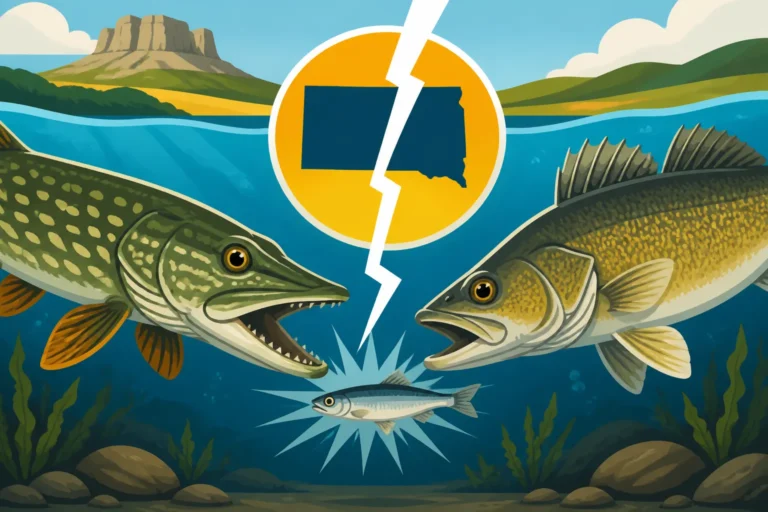
For walleye, especially the larger, older fish, smelt offer a more substantial meal than smaller baitfish like shiners or shad. When walleye are actively feeding on smelt, they often suspend in open water, chasing schools, rather than hugging bottom structure. This means your typical walleye jigging or bottom-bouncing techniques might need to be adjusted to more open-water trolling or casting. Anglers who learn to spot the "bait balls" of smelt on their fish finders are often the ones who find the actively feeding game fish hovering just below or within those schools. This symbiotic relationship between predator and prey is a driving force in the Lake Oahe fishery. You can dive deeper into this by checking out South Dakota Fish Species Diet by Season.
Potential Competition with Native Species
While smelt provide an excellent food source for game fish, their presence isn't without its potential complexities. Whenever a non-native species is introduced and thrives, there's always the question of its interaction with native species. In Lake Oahe, rainbow smelt occupy a similar ecological niche to some native baitfish, like various species of shiners and young-of-the-year paddlefish or goldeye.
The concern is that smelt might outcompete these native species for food resources, or even prey on their eggs and fry, especially during their own spawning runs. While the extent of this competition can be debated and is subject to ongoing research by fisheries biologists, it's a consideration in any ecosystem where a non-native species becomes dominant. The balance of nature is a delicate thing, and introducing new elements can shift it in unforeseen ways, even if the primary goal, like supporting a trophy salmon fishery, is achieved. Anglers should be aware that while smelt are beneficial for game fish, their wider ecological impact is a complex topic.
Fluctuations in Smelt Populations
One thing about forage fish populations is they are rarely static. Rainbow smelt populations, like many other baitfish, can fluctuate quite a bit from year to year. These changes can be driven by a variety of factors, including spawning success, predator pressure, water temperatures, and even disease. A strong year class of smelt can lead to an explosion in their numbers, providing an incredible buffet for walleye and salmon. Conversely, a poor year class can mean fewer smelt available, forcing game fish to either work harder for food or shift their diets to other available prey.
These fluctuations directly impact the fishing experience. In years with abundant smelt, game fish might be more spread out, seemingly gorging themselves, and sometimes harder to pinpoint if they're not actively chasing your lure. In years with lower smelt numbers, fish might be more concentrated in areas where what little smelt exist are congregated, or they might be more aggressive towards other types of lures as they search for alternative food sources. Understanding these cycles is crucial for a Best Time of Year to Fish in South Dakota strategy. Biologists closely monitor smelt populations to understand these dynamics, as it helps them manage the game fish populations effectively, which directly affects your chances of success on the water.
| Forage Fish Type | Primary Predators | Typical Habitat | Diet Impact on Predators |
|---|---|---|---|
| Rainbow Smelt | Walleye, Chinook Salmon, Northern Pike | Open water, suspended | High energy, rapid growth |
| Shiners / Shad | Walleye, Bass, Crappie | Nearshore, shallower | Generalist, less calorie-dense |
| Young Perch | Walleye, Northern Pike | Structure, weed lines | Opportunistic, varies by season |
How Anglers Can Leverage Smelt Presence for Better Fishing
Knowing that rainbow smelt are abundant in Lake Oahe is one thing; using that knowledge to actually catch more fish is where the real fun begins. It's about thinking like the fish you're trying to catch and understanding their primary food source.
Matching the Hatch: Lures and Techniques
When game fish like walleye and salmon are keyed in on smelt, they become highly selective. They're looking for something that looks, acts, and even smells like their preferred meal. This is where "matching the hatch" comes into play. You want to choose lures that imitate smelt as closely as possible.
Think about the characteristics of smelt: they're long, slender, silver, and often have a greenish or bluish hue on their backs. So, crankbaits, jerkbaits, and soft plastics that match this profile are excellent choices. Trolling spoons, especially those with iridescent or silver finishes, are deadly for salmon, which are almost exclusively chasing smelt. For walleye, consider slender minnow baits in silver, blue, or green colors, whether you're trolling them or casting them near suspected smelt schools. Even a simple jig and plastic tail in a smelt-like color can be incredibly effective when worked through a school. You can find a huge variety of these types of lures on platforms like Amazon, offering different sizes and diving depths to mimic smelt at various stages of their life cycle or at different depths. For more specific lure ideas, check out Best Lures for South Dakota Walleye. Don't be afraid to experiment with different sizes; sometimes the fish prefer smaller, young-of-the-year smelt imitations, and other times they're after the bigger adults.
Locating Fish Around Smelt Schools
This is perhaps the most direct way to capitalize on the presence of smelt. Your electronics, particularly a good fish finder with side imaging or down imaging, become your best friend. Smelt often school tightly, forming dense "bait balls" that show up clearly on your sonar screen. When you see these large masses of baitfish, don't just drive past them! Slow down and look for larger, crescent-shaped marks lurking just below, within, or on the edges of these schools. Those are your predators.
Walleye and salmon will often "herd" these smelt schools, pushing them up against a thermocline, a structure, or even the surface, making them easier to pick off. If you see a large school of bait suddenly disperse on your screen, it's a clear sign that a predator has just ripped through it. This is your cue to drop a jig, cast a crankbait, or make a pass with your trolling spread directly into that agitated area. Observing how the fish are positioned relative to the bait will tell you whether to present your lure above, below, or right in the middle of the school. You can learn more about this by reading How to Read a Fish Finder for Walleye.
Seasonal Considerations for Smelt-Fed Fish
The behavior of rainbow smelt changes throughout the year, and understanding these seasonal shifts is crucial for targeting the game fish that feed on them.
- Spring: As the ice melts and water temperatures begin to rise, smelt will move shallower to spawn, often in tributary rivers or on shallow lake shoals. This makes them highly accessible to predators. Walleye, emerging from their own spawning period, will often follow these smelt into shallower areas. This can be a prime time for casting or trolling shallower diving baits.
- Summer: During the heat of summer, smelt retreat to deeper, cooler waters, often suspending in the open water column. This is when Trolling for Walleye on Lake Oahe and South Dakota Missouri River Fishing Techniques with downriggers or leadcore lines become very effective, allowing you to present lures at the exact depth of the suspended smelt schools. Walleye and salmon will be following these deeper movements, making them harder to find without good electronics. Don't forget to check What Walleye Eat in Summer for more insights.
- Fall: As water temperatures cool in the autumn, smelt can become more active and widespread again, moving into different areas before winter sets in. This is often a feeding frenzy period for walleye and salmon as they bulk up for winter. Trolling spoons and large crankbaits can be very effective as fish actively chase down these fat, healthy smelt. For salmon, this is also when their spawning runs occur, which, while not directly related to feeding on smelt, can influence their location near areas like Whitlock Bay. For salmon anglers, understanding Chinook Salmon Spawning Run Dates on Lake Oahe is key.
- Winter (Ice Fishing): Even under the ice, smelt play a role. They will still congregate in deeper basins or over structure. Ice anglers targeting walleye or perch might find success by drilling holes over these deeper smelt concentrations and jigging with lures that imitate them, such as small spoons or slender jigs. While not as active as open water, fish still need to eat, and smelt are on the menu.
By paying attention to the calendar and the corresponding behavior of rainbow smelt, you can anticipate where the game fish will be and what they'll be willing to bite. It's all about putting the puzzle pieces together to maximize your time on the water.
Understanding the dynamics of rainbow smelt in Lake Oahe is more than just a trivial fact; it’s a cornerstone of successful fishing on this magnificent body of water. From their intentional introduction to support the Chinook salmon fishery to their crucial role as a primary food source for trophy walleye, smelt shape the very nature of fishing here. By adapting your techniques, matching your lures to their appearance, and actively using your electronics to locate their schools, you can unlock a whole new level of success and appreciation for the intricate ecosystem of Lake Oahe.
Disclaimer
This article is for general informational purposes only and does not constitute professional advice. Laws, prices and regulations vary by location and change over time. Consult a qualified professional for guidance on your specific situation.