South Dakota Brown Trout in the Black Hills
There's a special kind of magic, and a whole lot of challenge, that comes with chasing brown trout in the pristine, yet often demanding, waters of the Black Hills. Many anglers arrive eager to experience the legendary fishing, only to find these wary, wild fish incredibly elusive, leaving them wondering if their approach is all wrong. This guide aims to demystify the art and science of pursuing brown trout in this unique South Dakota landscape, offering insights and tactics to help you connect with these beautiful, hard-fighting fish.
Understanding Black Hills Brown Trout
Brown trout in the Black Hills are a unique breed, often displaying characteristics that set them apart from their hatchery-raised counterparts in other regions. These aren't just any trout; they are survivors, adapted to the specific conditions of these challenging, clear, and cold waters.
Distinguishing Black Hills Brown Trout
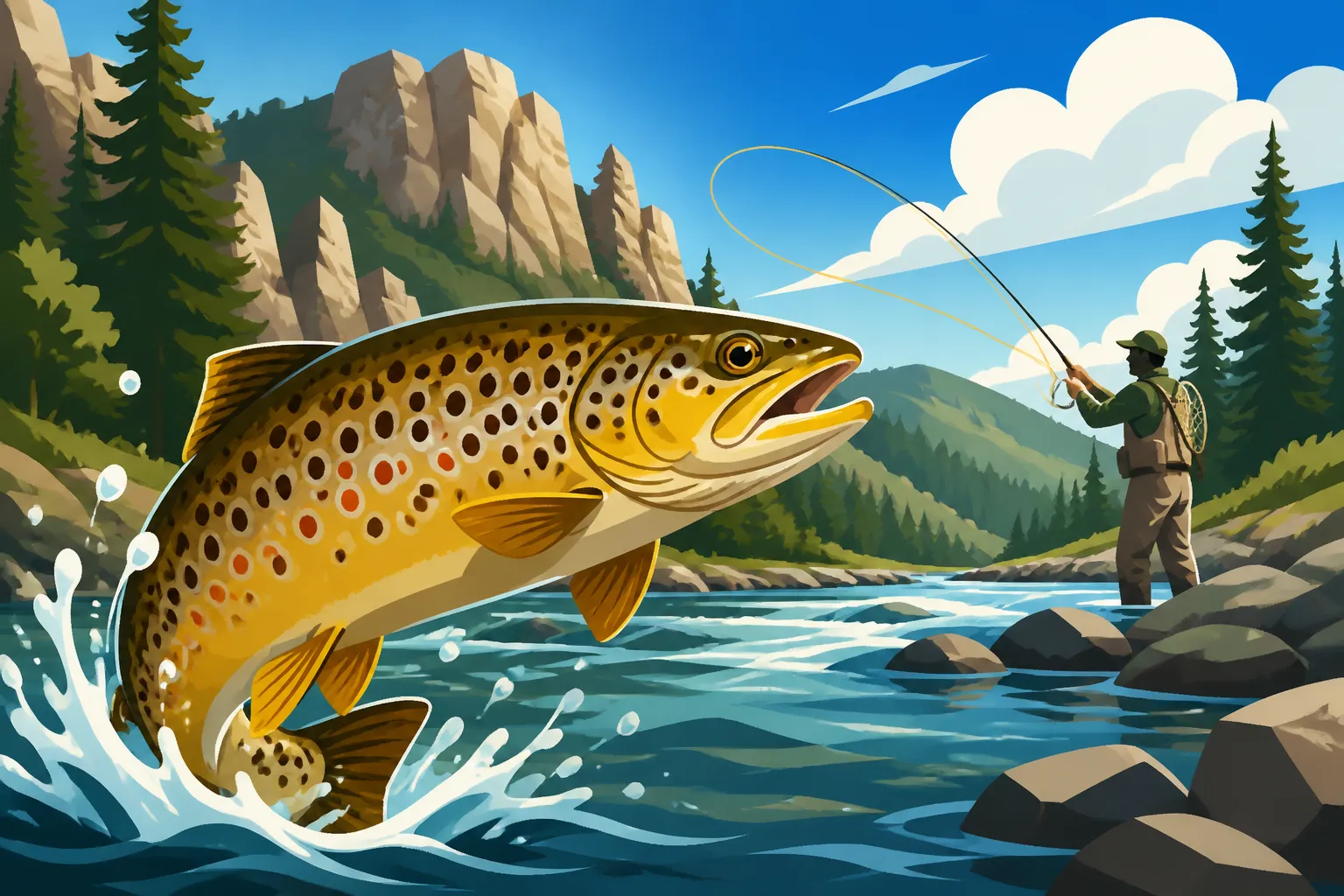
When you hook into a brown trout in the Black Hills, you'll immediately notice their vibrant coloration and muscular build, a testament to their wild existence. Unlike many hatchery fish that can appear somewhat faded or uniform, Black Hills browns often boast rich golden-brown flanks, adorned with distinct red and black spots, sometimes haloed with lighter rings. Their bellies might range from cream to a deep, buttery yellow.
The wildness of their genes also contributes to their wary nature. They are highly attuned to their environment, making them incredibly fun, yet frustrating, to pursue. You might observe varying fin conditions, with healthy, full fins being a hallmark of a truly wild fish that has battled currents and avoided predators its whole life. It's this innate wildness that makes every catch feel like a true accomplishment.
Brown Trout Behavior and Forage
Brown trout are opportunistic feeders, but they also have a keen sense of self-preservation. In the Black Hills, their diet is incredibly diverse, influenced by the seasons and the specific stream's ecosystem. You'll find them munching on everything from aquatic insects like mayflies, caddisflies, and stoneflies (in both nymph and adult stages) to terrestrial insects that fall into the water, like grasshoppers and ants. They're also predators, and larger browns won't hesitate to ambush smaller baitfish, sculpins, or even small rodents or amphibians if the opportunity arises.
Their feeding behavior is often characterized by a strong sense of territoriality. A prime lie, offering both food and cover, will likely be claimed by a dominant brown. They are also masters of concealment, using currents, shadows, and structure to their advantage, making a precise cast and subtle presentation absolutely crucial. Understanding what they're eating at any given time, often referred to as "matching the hatch," is a cornerstone of successful brown trout fishing in these waters.
Preferred Habitats
Black Hills brown trout thrive in specific types of water that offer a combination of cold temperatures, ample oxygen, cover from predators, and a steady food supply. Think deep pools with undercut banks, complex logjams, large boulders that create current breaks, and stretches of riffles that oxygenate the water and dislodge insects. They often prefer slightly slower, deeper water than rainbow trout or brook trout, though you'll find them intermingling.
The ideal habitat usually includes a gravel or rocky bottom, essential for spawning. Look for areas where the stream bed is diverse, with changes in depth and current speed. Overhanging vegetation, particularly willow bushes or conifer trees, provide vital shade and concealment from overhead predators like eagles and ospreys. Learning to "read the water" – identifying these prime holding spots – is arguably the most important skill for any angler hoping to catch a Black Hills brown. You can pick up some excellent guides and maps, sometimes found on Amazon, that detail these types of habitats for specific streams.
Prime Black Hills Brown Trout Waters
The Black Hills are crisscrossed with an incredible network of streams and rivers, many of which hold robust populations of brown trout. Each waterbody has its own character, offering different challenges and rewards. Knowing where to go and what to expect is half the battle. If you're planning a trip, be sure to check out the South Dakota Fishing License Guide to ensure you're properly equipped before hitting the water.
Major Brown Trout Streams
Several streams stand out as premier destinations for brown trout fishing in the Black Hills. Rapid Creek, especially the sections above Pactola Reservoir and the famous "Catch and Release" stretch below the dam, is a top contender. This section below Pactola is known for its larger, more challenging fish. Castle Creek, particularly its upper reaches, also offers fantastic opportunities for wild browns in a more secluded setting. Spearfish Creek, winding through Spearfish Canyon, is another legendary stream, boasting stunning scenery and a healthy population of browns alongside rainbows.
These larger streams typically offer a good mix of riffles, runs, and deep pools. They are often more accessible but can also see more fishing pressure. The sheer volume and complexity of these waters mean that even experienced anglers can spend a lifetime exploring them and still discover new honey holes. They often require a range of techniques, from delicate dry fly presentations to aggressively stripping streamers.
Smaller Tributaries and Hidden Gems
Beyond the marquee names, the Black Hills are dotted with countless smaller tributaries and lesser-known creeks that can hold surprising numbers of brown trout. These streams often require more effort to access, involving hikes through dense forest or rugged terrain, but the reward is often a more solitary experience and eager, less pressured fish. Streams like Box Elder Creek, Spring Creek, or sections of French Creek can be incredibly productive for those willing to explore.
These smaller waters often have tighter casting lanes, demanding more accurate and often shorter casts. The fish here may not be as large as in the major rivers, but they are typically wild and feisty, providing a fantastic challenge on lighter tackle. A keen eye for subtle holding water, like small eddies behind rocks or tiny undercuts, will serve you well in these intimate settings. Remember that these smaller streams are often overlooked, which can be exactly what a dedicated brown trout angler is looking for. For a deeper dive into these locations, consult a Black Hills Trout Stream Fishing Guide.
Pactola Reservoir Area
While often celebrated for its rainbow trout, Pactola Reservoir and the immediately surrounding waters also hold a significant population of brown trout, particularly in the deeper sections of the lake and near the inflowing streams. These lake-dwelling browns can grow to impressive sizes, feasting on smaller baitfish. Fishing the reservoir itself often involves different tactics than stream fishing, such as trolling with larger crankbaits or spoons, or still-fishing with live bait near drop-offs and submerged structures.
The spillway and tailwater section just below Pactola Dam is also a brown trout hotspot, influenced by the reservoir's cold, consistent water releases. This area is subject to Pactola Dam Catch-and-Release Water Rules, so be sure to familiarize yourself with them. The browns in this unique environment can be very particular, requiring careful presentation and a good understanding of current flows. It's a fantastic spot for those looking to experience both stillwater and moving water brown trout fishing in close proximity.
Essential Techniques for Black Hills Brown Trout
Brown trout, with their acute senses and wary nature, demand a thoughtful and often adaptable approach. The Black Hills environment only amplifies this, making technique refinement a continuous process.
Fly Fishing for Brown Trout
Fly fishing is arguably the most revered method for targeting brown trout in the Black Hills, and for good reason. The imitation of natural insects, both aquatic and terrestrial, can be incredibly effective. For those just starting, or even seasoned veterans, consider specific patterns that mimic the local insect life. Nymphs like Pheasant Tails, Hare's Ears, and Prince Nymphs are year-round staples, particularly effective when fished dead-drift along the bottom. Streamer patterns, such as Woolly Buggers or articulated patterns, can entice aggressive strikes from larger browns looking for a meal.
Dry fly fishing can be exceptionally rewarding when a hatch is underway, but it often requires delicate presentations and precise entomological knowledge. During warmer months, terrestrial patterns like ant imitations, hoppers, and beetle patterns can be deadly when dropped near undercut banks or overhanging foliage. Remember, presentation is often more important than pattern; a drag-free drift is paramount to fooling these smart fish. Learn more about specific tactics in a South Dakota Fly Fishing Guide.
Spin Fishing Approaches
While fly fishing often takes center stage, spin fishing can be incredibly productive for brown trout in the Black Hills, especially for those who prefer this method or when conditions make fly casting challenging. Small spinners, like Mepps or Panther Martin, in natural colors (gold, silver, black) can be highly effective when retrieved with varying speeds through runs and pools. The flash and vibration often trigger aggressive strikes. Small crankbaits, mimicking baitfish, are also excellent choices, particularly in deeper pools or larger stream sections.
Soft plastics, like micro jigs tipped with a small grub or worm imitation, can be fished similarly to nymphs, providing a subtle presentation that brown trout find hard to resist. Always use light line (4-6 lb test fluorocarbon or monofilament) and a sensitive rod to detect subtle bites. Pay close attention to casting accuracy, aiming for cover and current seams where browns are likely to ambush prey. Many successful anglers swear by specific ultralight setups, often found on Amazon, for precise casting in tight quarters.
Reading the Water and Presentation
Regardless of your chosen method, the ability to read the water is the single most important skill for brown trout fishing. Browns hold in places where they can expend minimal energy while having easy access to food and safety. Look for:
- Current Seams: The transition zone between fast and slow water, where food is swept by but fish can rest.
- Undercut Banks: Prime hiding spots, offering shade and protection, where browns often lie in wait.
- Logjams and Boulders: These structures break current and create eddies, providing excellent cover.
- Deep Pools: Resting and feeding areas, especially in brighter conditions or after intense feeding.
Your presentation must be stealthy and natural. For fly anglers, a drag-free drift is key. For spin anglers, casting beyond your target and retrieving through it, or making a precise cast directly to the cover, can be effective. Avoid heavy footfalls on the bank, loud talking, or casting shadows over the water, as these can easily spook wary browns. Patience and observation will always pay dividends.
Gear Up for Success
Having the right gear won't guarantee a trophy brown trout, but it will certainly improve your chances and make the experience more comfortable and enjoyable. Black Hills trout streams can be rugged, so durable, functional gear is a must.
Rods, Reels, and Line Selection
For fly fishing, a lightweight setup is often preferred for Black Hills browns. A 3-weight or 4-weight fly rod, typically 7.5 to 9 feet long, offers the perfect balance of delicate presentation for small dries and enough backbone for nymphing or throwing small streamers. Pair it with a matching fly reel that has a smooth drag, loaded with a weight-forward floating line. For leaders, a 9-foot tapered leader ending in a 5X or 6X tippet is a good starting point, allowing for subtle presentations. Consider options specifically designed for Best Fly Rods for Black Hills Trout.
Spin fishermen will benefit from an ultralight or light action spinning rod, 5 to 6.5 feet in length, paired with a small spinning reel spooled with 4-6 lb test monofilament or fluorocarbon line. Monofilament offers a bit more stretch, which can be forgiving with lighter lines, while fluorocarbon provides less stretch and better sensitivity, along with excellent invisibility in clear water. Having both options on hand, or easily interchangeable spools, can be a great advantage.
Waders and Boots: Navigating Rocky Streams
Wading is an integral part of Black Hills trout fishing, allowing access to prime water that can't be reached from the bank. Breathable chest waders are essential, providing comfort in varying temperatures. Look for durable, puncture-resistant material that can withstand brushing against sharp rocks and thorny bushes. Paired with felt-soled or rubber-soled wading boots with studs, you'll have secure footing on slippery, rocky stream beds. The often swift currents and uneven terrain demand good traction to prevent slips and falls.
A wading belt is not just for comfort; it's a critical safety item. In the event of a fall, it prevents your waders from filling completely with water, making it easier to regain your footing or swim to shore. Don't forget a wading staff for added stability, especially when crossing deeper or faster sections of water. Researching Best Waders for Black Hills Stream Fishing can help you choose the right pair for these conditions.
Must-Have Tackle and Accessories
Beyond the basics, a few key accessories can significantly enhance your Black Hills brown trout experience. A quality vest or pack with plenty of pockets will keep your flies, lures, and tools organized and easily accessible. A pair of polarized sunglasses is non-negotiable; they cut glare, allowing you to spot fish and underwater structure, which is crucial for reading the water. Forceps or hemostats are essential for safely removing hooks, especially from smaller fish.
A small net with a rubberized mesh is highly recommended to protect the fish's slime coat and reduce injury during landing, particularly if you're practicing catch and release. Don't forget a small pair of nippers for cutting line, and maybe even a small thermometer to check water temperature, which can significantly impact trout behavior. A good pair of waterproof binoculars might also come in handy for scouting new water from a distance. For convenience, many of these essentials can be purchased through retailers like Amazon.
Conservation and Regulations
Fishing for brown trout in the Black Hills isn't just about catching fish; it's about appreciating and preserving a precious natural resource. Understanding and adhering to local regulations and embracing conservation practices are vital for ensuring these beautiful fisheries remain healthy for future generations. For comprehensive details on fishing in the state, always refer to South Dakota Fishing Regulations Explained.
Catch and Release Ethos
Many anglers who target brown trout in the Black Hills, especially the larger, wild specimens, practice catch and release. This approach helps maintain healthy fish populations and allows bigger, genetically superior fish to spawn and contribute to the fishery. If you intend to release fish, handle them with extreme care:
- Minimize Air Exposure: Keep the fish in the water as much as possible.
- Wet Hands: Always wet your hands before touching a fish to protect its delicate slime coat.
- Gentle Handling: Support the fish horizontally, avoiding squeezing its body or gills.
- Quick Release: Use forceps to quickly remove the hook. If the fish is deeply hooked, snip the line as close to the hook as possible.
- Revive If Necessary: Hold the fish gently in the current until it swims away under its own power.
Embracing this ethos ensures that the thrill of catching these magnificent fish can be enjoyed by many more anglers down the line. Check out Black Hills Catch-and-Release Trout Streams for specific zones where this practice is mandated or strongly encouraged.
Understanding South Dakota Trout Limits in the Black Hills
South Dakota has specific regulations for trout fishing in the Black Hills, which are crucial to know before you cast a line. These regulations often differ from general statewide rules and can vary by specific stream or even sections of a stream. They typically dictate daily limits, possession limits, and sometimes even size restrictions (slot limits or minimum lengths) for various trout species, including brown trout.
It's paramount to obtain the most current regulations from the South Dakota Game, Fish and Parks (GFP) website or their annual fishing handbook. Ignorance of the rules is not an excuse for violations, and penalties can be significant. Always carry a copy of the regulations with you, either physically or digitally on your phone, and review them before each fishing trip, especially if you're exploring a new area. The table below offers a generalized overview, but always consult official GFP sources for the most up-to-date and location-specific information.
| Category | General Black Hills Brown Trout Rule (Check GFP for specifics) | Notes |
|---|---|---|
| Daily Limit | Typically 5 trout (combined species) | Some streams have lower limits or catch-and-release only. |
| Possession Limit | Typically 10 trout (combined species) | Double the daily limit, for fish you've already kept. |
| Size Restrictions | Varies by stream/section | Some waters have minimum lengths or slot limits. |
| Bait Restrictions | Varies by stream/section | Some waters are "artificial lures and flies only." |
| License Required | Yes | Unless fishing on a designated "Free Fishing Day". |
Special Regulations and Zones
Certain areas within the Black Hills may have highly specific regulations designed to protect fragile ecosystems or enhance trophy fishing opportunities. These might include "artificial lures and flies only" sections, "catch and release only" zones, or specific seasons for certain species. For example, some stream sections might prohibit the use of live bait to prevent the introduction of invasive species or to reduce incidental mortality of released fish.
These special regulations are usually clearly marked on signage near access points or detailed in the GFP fishing handbook. It's your responsibility as an angler to be aware of these localized rules. Respecting these zones not only helps the fish but also contributes to a positive reputation for anglers and helps ensure continued access to these beautiful waters. South Dakota Fish Limits and Size Restrictions provides more context on these nuanced rules.
Seasonal Considerations for Brown Trout Fishing
Brown trout behavior, and therefore your fishing success, can be heavily influenced by the changing seasons in the Black Hills. Each season presents unique opportunities and challenges. South Dakota Fishing Seasons Explained can give you a broader overview of fishing throughout the state.
Spring Thaw and Active Feeding
As winter relinquishes its grip and the Black Hills begin to thaw, stream flows increase, and water temperatures slowly rise. This period, typically from late March through May, can be an excellent time for brown trout fishing. The fish are often hungry after a lean winter, and the warming water signals an increase in insect activity. Early spring might see strong nymphing action, as aquatic insects become more active.
As spring progresses, hatches of midges, blue-winged olives, and caddisflies can provide exciting dry fly opportunities. The higher water levels, however, can also make wading more challenging and require heavier nymph rigs to get flies down to the fish. Focus on slower seams, eddies, and areas of reduced current where browns can ambush food without fighting strong flows. Spring can also bring unpredictable weather, so be prepared for a range of conditions, from sunshine to snow.
Summer Stalking in Clear Waters
Summer in the Black Hills, from June through August, brings warmer, often lower, and clearer water conditions. This means the brown trout become incredibly wary and can be easily spooked. Stealth and precise, delicate presentations are paramount. Early mornings and late evenings are often the most productive times, as fish move into shallower feeding lies under lower light conditions. Midday can be tough, with fish retreating to deep pools or heavy cover.
During the summer, terrestrial insects like grasshoppers, ants, and beetles become important food sources. Fishing these patterns near grassy banks or overhanging trees can be very effective. Nymphing remains a consistent producer, especially in deeper pockets and riffles. Always approach the water cautiously, keeping a low profile, and make your first cast count. Long leaders and fine tippets are crucial for presenting flies and lures naturally in the crystal-clear water. Learning specific Deep Water Summer Fishing Techniques can be particularly useful during this time.
Fall Spawning and Aggressive Bites
Autumn, typically September through November, is arguably the most anticipated season for brown trout anglers in the Black Hills. As water temperatures drop and days shorten, brown trout become increasingly aggressive in preparation for their spawning season. Larger, trophy-sized browns, which might have been elusive all summer, become more active and territorial.
This is a prime time for throwing larger streamer patterns, which can trigger aggressive reactions from pre-spawning and spawning browns defending their redds (spawning beds). Nymphing remains effective, and there can still be good dry fly opportunities with late-season hatches. While it's tempting to target spawning fish directly, ethical anglers will avoid disturbing redds and instead focus on fish that are actively feeding or moving in adjacent pools and runs. The fall colors of the Black Hills provide a stunning backdrop to what can be some of the most exciting brown trout fishing of the year.
Disclaimer
This article is for general informational purposes only and does not constitute professional advice. Laws, prices and regulations vary by location and change over time. Consult a qualified professional for guidance on your specific situation.