What Counts as a Jumbo Yellow Perch
Ah, the elusive "jumbo" yellow perch! It's a term every angler in South Dakota tosses around, often with a glint in their eye and a hand gesture indicating a fish far larger than reality. But what really counts as a jumbo yellow perch? It's a question that can spark a friendly debate around any ice shanty or boat dock, because while we all know one when we see one, pinning down an exact definition can feel like trying to nail jello to a tree. This guide is here to cut through the chatter and give you a solid understanding of what makes a yellow perch truly "jumbo" in our great state.
Defining "Jumbo" Yellow Perch in South Dakota
Let's be honest, there's no official, iron-clad rule book entry from the South Dakota Game, Fish and Parks (GFP) that says "a jumbo perch is exactly X inches long and Y pounds heavy." This isn't a federal law, after all! Instead, the definition of a "jumbo" yellow perch often blends traditional angler lore, common understanding, and a dash of objective biology. But fear not, we can still establish some clear benchmarks.
The Angler's Perspective vs. Official Metrics
For many of us who've spent countless hours chasing these striped beauties, a "jumbo" perch is simply one that feels significantly heavier than average, puts a serious bend in the rod, and looks impressive enough to warrant a quick photo before release (or becoming dinner). It’s about that ‘wow’ factor. You know it when you feel it. When you pull one through the ice and it looks like a small football, that's a jumbo.
However, relying solely on gut feeling can be a bit subjective. What one angler from a lake with smaller fish might call jumbo, another angler from a renowned perch fishery might consider merely "nice." This is where we need to look at more objective measures, usually centered around length and sometimes weight. While the GFP doesn't officially classify "jumbo," they do track fish sizes and populations, which gives us a good baseline for what's considered exceptional. If you're looking for broader information, our South Dakota Yellow Perch Fishing Facts article can shed more light on the species itself.
Length as a Key Indicator
When it comes to yellow perch, length is almost universally the primary indicator of "jumbo" status. A truly large yellow perch stands out in a bucket of typical catches.
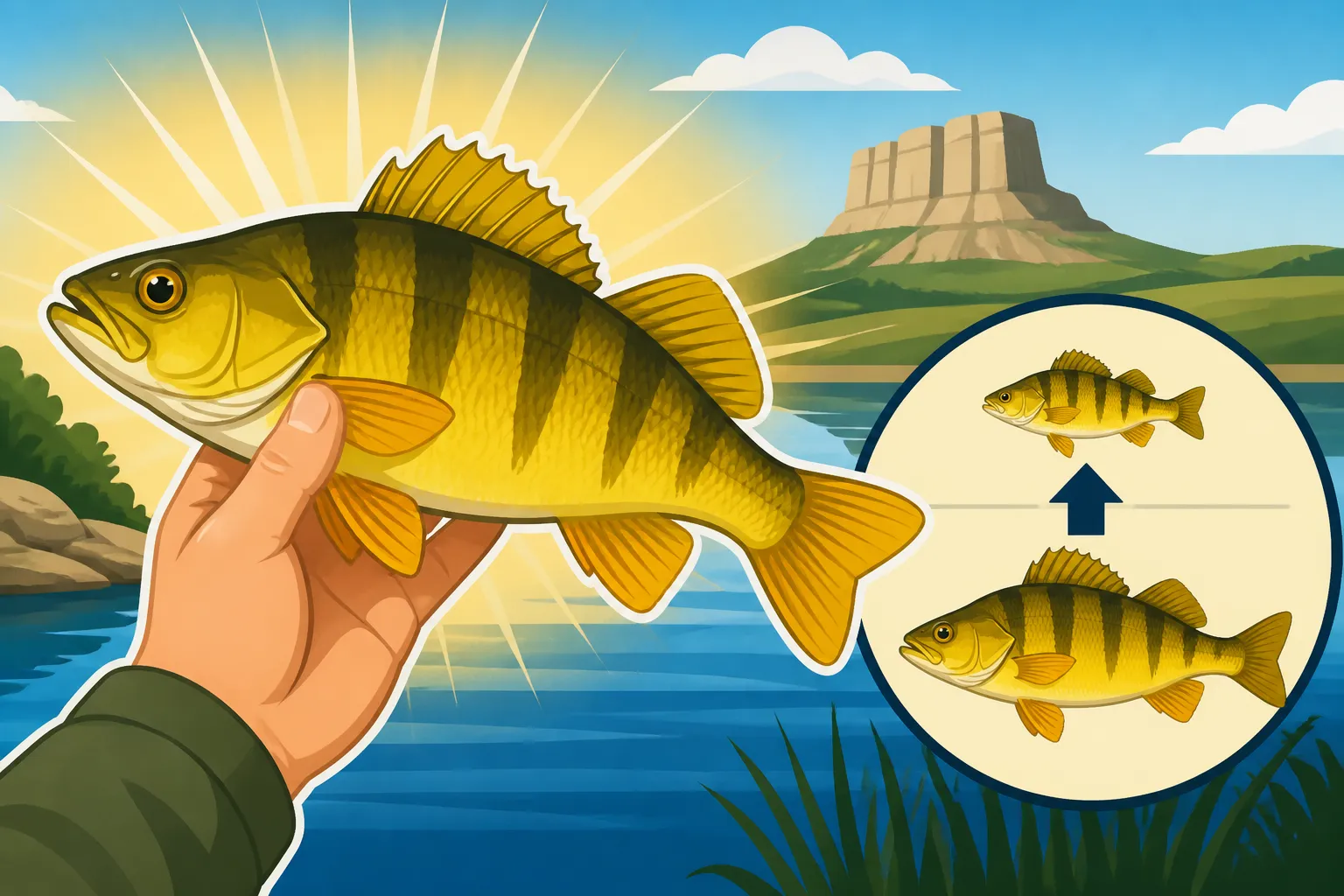
- The 10-Inch Benchmark: Many seasoned South Dakota anglers consider a yellow perch to be firmly in "jumbo" territory once it hits the 10-inch mark. Think about it: an average perch in many of our lakes might be in the 6-8 inch range. A 10-inch perch is noticeably thicker, longer, and heavier. It's often referred to as a "slab."
- The 12-Inch Trophy: When a yellow perch pushes past 11 inches and touches that 12-inch milestone, it's generally considered a true trophy. These are the fish that make your heart pound a little faster, especially if you're pulling them up through a small hole in the ice. Finding a 12-inch perch isn't an everyday occurrence, even in our best perch lakes. It's a testament to the fish's age, the richness of its environment, and a little bit of angler luck.
- Beyond 12 Inches: The Unicorn: Anything beyond 12 inches is truly exceptional and rare. These are the fish that break state records or make local legends. While they exist, they are not what most anglers expect to catch, even on their best days. These are the "once-in-a-lifetime" perch.
The variation in angler interpretation and actual fish sizes can be quite interesting. Here's a general table reflecting how anglers and biology often align on perch size classifications:
| Perch Classification | Typical Length Range (Inches) | Angler Perception | Biological Implication |
|---|---|---|---|
| Small / Pan-sized | < 7 | Common, good bait | Young, fast growth |
| Average | 7 – 9 | Decent keeper | Healthy, medium age |
| Jumbo | 10 – 11.9 | Excellent catch | Older, well-fed, mature |
| Trophy / Slab | 12+ | Rare, exceptional | Very old, prime conditions |
Weight as a Secondary Factor
While length is king, weight certainly plays a role in solidifying a perch's "jumbo" status. A 10-inch perch that's thin and sickly might not feel "jumbo," but a 10-inch perch that's fat, thick-bodied, and football-shaped definitely will. This is often where the "slab" term comes from – a perch so thick it looks like a cutting board.
- The Half-Pounder: A perch weighing around half a pound (8 ounces) or more is usually pushing that 10-inch length and certainly feels like a "jumbo" in hand. These fish have been eating well and have a good girth.
- The Pounder Club: A full-pound yellow perch is a truly remarkable catch in South Dakota. These fish are almost always 12 inches or longer and represent years of growth and survival. If you've ever held a pound-plus perch, you know it's a completely different experience than handling an average panfish. It's the kind of fish that makes you seriously consider entering it into the South Dakota Trophy Fish Award Program. To get a sense of what to expect, you might check out Average Size of a Jumbo Perch in South Dakota for typical measurements.
Keep in mind that weight can fluctuate throughout the year. A pre-spawn female in late winter/early spring might weigh considerably more than the same fish during the lean post-spawn period. So, while a heavy fish is always a good sign, length remains the most consistent benchmark for true "jumbo" status.
Why the "Jumbo" Status Matters to Anglers
You might wonder why we obsess over a fish being "jumbo" versus just "big." It's more than just semantics; it taps into several core aspects of the angling experience that we all cherish.
The Thrill of the Catch
There's an undeniable thrill in hooking into a jumbo yellow perch. Unlike their smaller cousins, these larger fish offer a much more spirited fight. They pull harder, dive deeper, and generally test your tackle and your reflexes more. Whether you're jigging through the ice or casting from a boat, that distinctive thud on the end of your line followed by a stubborn retrieve is what we live for.
Imagine fishing on a cold January day on Lake Poinsett, dropping your tiny spoon down, and suddenly your ultra-light rod nearly gets ripped from your hand. That's not your average 7-inch perch; that's a jumbo talking to you! The anticipation as you reel it up, wondering just how big it's going to be, is a huge part of the fun. For those interested in improving their winter catch, our South Dakota Ice Fishing Guide offers plenty of tips.
Table Fare and Fillet Size
Let's be real, a big part of fishing for many of us, especially with panfish like perch, is the delicious meal that follows. And when it comes to eating, bigger is definitely better with yellow perch. A "jumbo" perch yields a much more substantial fillet than an average-sized one. Instead of needing to clean a dozen small fish for a meal, a few good jumbo perch can provide plenty of sweet, flaky meat.
Think about a classic South Dakota fish fry. Those golden-brown, crispy fillets are just better when they're a bit thicker and longer. It means less time cleaning and more time enjoying that fresh taste. While all perch are tasty, those "jumbo" fillets are truly a culinary treat. You'll find that if you are using an appropriate fillet knife, cleaning a jumbo perch is just as easy, if not easier, than cleaning a small one, due to their size.
Bragging Rights and Master Angler Programs
Every angler loves a good fish story, and catching a jumbo yellow perch provides instant bragging rights. Whether it's a photo shared with buddies, a post on social media, or just the satisfaction of knowing you bested a truly impressive fish, the "jumbo" status elevates the experience.
South Dakota even has its own Master Angler Program designed to recognize exceptional catches across various species. While the specific length or weight requirements vary by fish, landing a truly "jumbo" perch can qualify you for an award. It's a fantastic way to celebrate your success and get official recognition for your angling prowess. Participating in programs like these adds an extra layer of challenge and reward to your fishing adventures. Our guide on How to Qualify for a South Dakota Master Angler Award can give you all the details on how to get recognized for your big catches.
Factors Contributing to Jumbo Perch Growth
So, what makes certain lakes or specific perch grow to such impressive "jumbo" sizes while others remain smaller? It's a complex interplay of environmental conditions, food availability, and genetics. Understanding these factors can help you target the areas most likely to produce those trophy fish.
Rich Forage Bases and Healthy Ecosystems
Just like any animal, a yellow perch needs plenty of food to grow large. Lakes and reservoirs with abundant forage — small baitfish, aquatic insects, and crustaceans — are prime candidates for producing jumbo perch. When there's a buffet available, perch can eat more, grow faster, and reach larger sizes.
Consider the diverse food sources available in a lake. If there's a healthy population of small minnows like shiners or fatheads, or if the lake bottom is teeming with invertebrates, perch have everything they need to bulk up. A robust food web, from the smallest zooplankton to various baitfish, is critical. This is why some of our larger, nutrient-rich glacial lakes often produce bigger perch compared to smaller, less productive waters. The overall health of the ecosystem directly correlates to the health and size of its fish populations.
Water Quality and Habitat
Excellent water quality is non-negotiable for producing healthy, large fish. Clean, oxygenated water supports not only the perch themselves but also their food sources. Lakes with consistent water levels and stable temperatures generally fare better than those with extreme fluctuations.
Beyond just water quality, the availability of diverse habitat is crucial. Jumbo perch need places to hide from predators, ambush prey, and find comfort. This includes:
- Submerged vegetation: Weed beds offer cover and are often nurseries for baitfish and insects.
- Rocky structures: Drop-offs, reefs, and rocky points provide ambush points and foraging grounds.
- Deep water access: During warmer months, perch will often retreat to cooler, deeper waters, so access to these areas within a lake is important.
Lakes that provide this rich mix of habitat features, such as many of the Missouri River reservoirs or our glacial lakes, tend to be the ones where you'll hear whispers of "jumbo" perch. Our South Dakota Perch Fishing Guide delves deeper into the habitats perch prefer.
Age and Genetics
Finally, a perch needs time to grow. A 10-inch or 12-inch perch isn't caught in its first year; these fish are several years old, often 5-8 years or even more. Lakes with lower fishing pressure, allowing more fish to survive to an older age, can lead to a higher prevalence of jumbo perch.
Genetics also play a subtle but important role. Some individual perch, or even entire populations within a specific lake, might simply have a genetic predisposition to grow larger and faster than others. While we can't control the genetics of wild fish, it's another piece of the puzzle that explains why certain lakes consistently kick out bigger fish. It's why anglers often seek out those specific lakes known for their big perch. For more on fish growth and diet, check out South Dakota Fish Species Diet by Season.
Finding South Dakota's Jumbo Perch Hotspots
Now that we know what makes a perch jumbo, and why some grow bigger than others, let's talk about where you might actually encounter these magnificent creatures in South Dakota. While you can find perch in many waters, some spots are simply more famous for their potential to produce slabs.
Key Lakes Known for Quality Perch
South Dakota is blessed with incredible perch fishing, especially in the eastern part of the state, where our glacial lakes dominate the landscape. These lakes are often shallow, nutrient-rich, and harbor expansive weed beds and abundant forage, making them ideal perch factories.
- Lake Poinsett: This lake is often at the top of the list for good reason. It's a fantastic fishery known for producing both numbers and size. Anglers frequently report catching perch in the 9-11 inch range here, with true jumbos being a real possibility.
- Bitter Lake: Another consistent producer, Bitter Lake has a reputation for strong perch populations and some impressive individual fish. It's often a go-to for ice anglers seeking those bigger slabs.
- Lake Kampeska: Near Watertown, Lake Kampeska offers great fishing for a variety of species, including some solid perch. Its varied structure and ample food sources contribute to healthy perch growth.
- Lake Thompson: Known for its cyclical nature, when Lake Thompson is "on" for perch, it can be truly phenomenal, producing both high numbers and incredible sizes.
- Waubay Lake: This lake in the northeastern part of the state is another renowned perch hotspot, drawing anglers from all over for its potential to yield those sought-after jumbos.
- Indian Lake: Often overshadowed by its larger counterparts, Indian Lake can also surprise anglers with some excellent jumbo perch catches.
These lakes are just a few examples, and conditions can change year to year, so it's always wise to check local fishing reports and talk to bait shop owners. You can find more details in our Best South Dakota Lakes for Perch Fishing guide.
Seasonal Considerations for Targeting Larger Fish
The time of year you target perch can significantly impact your chances of finding jumbos. Perch behavior changes with the seasons, influencing where they feed and congregate.
- Ice Fishing (Winter): This is arguably the most popular time to target jumbo perch in South Dakota. As lakes freeze over, perch often school up in predictable areas, making them easier to locate. They'll typically be found in deeper holes adjacent to weed lines, on submerged humps, or near structure. Ice fishing allows you to access areas that are difficult to reach by boat in open water. This is when you'll often see those football-shaped perch pulled through the ice.
- Spring (Pre-Spawn): In the weeks leading up to the spawn, perch can be incredibly aggressive feeders, trying to pack on weight. They'll move into shallower areas, often near spawning grounds like flooded vegetation or gravel flats. This can be a great time for both shore and boat anglers to intercept large, heavy fish.
- Fall (Post-Turnover): As water temperatures cool in the fall, lakes undergo "turnover," and perch often become very active again. They'll feast on abundant baitfish, putting on fat reserves for the winter. This is another excellent time to catch jumbos, as they are actively feeding and often schooled up.
Understanding these seasonal patterns is key to consistently finding bigger fish. For some insights on how to improve your winter fishing, check out How to Catch Perch Through the Ice.
Gear and Techniques for Jumbo Perch
While perch aren't typically a species that requires heavy-duty gear, targeting jumbos effectively does mean paying attention to your setup and techniques.
- Light Tackle is Key: For yellow perch, sensitive, ultra-light to light action rods are ideal. They allow you to feel those subtle bites that bigger perch often deliver. Pair this with a small spinning reel spooled with 2-6 lb test monofilament or fluorocarbon line. Braided line with a fluorocarbon leader can also be excellent for sensitivity, especially when ice fishing in deeper water. You can find great options for these setups on online retailers like Amazon.
- Lures and Bait:
- Jigs: Small jigs (1/16 to 1/8 ounce) tipped with a minnow head, wax worm, or plastic grub are incredibly effective. Colors like chartreuse, glow, pink, or natural baitfish patterns often work well.
- Spoons: Small, flashy spoons (1/16 to 1/8 ounce) like a Northland Forage Minnow or a Swedish Pimple can be deadly, especially when jigged aggressively to attract attention. Tipping them with bait often seals the deal.
- Live Bait Rigs: A simple slip bobber rig with a live minnow, fathead, or shiner is always a reliable choice, especially for larger, more finicky perch. The natural movement of live bait is often irresistible. Consider a high-quality live bait hook, which you can easily find on Amazon.
- Fish Finders and Electronics: For open water and especially ice fishing, a good fish finder or flasher is invaluable for locating schools of perch and identifying changes in depth or structure where jumbos might be lurking. These tools help you understand the lake bottom and where fish are holding.
Remember, patience and persistence are your best friends when targeting jumbo perch. They might not be everywhere, but when you find them, the reward is well worth the effort.
Disclaimer
This article is for general informational purposes only and does not constitute professional advice. Laws, prices and regulations vary by location and change over time. Consult a qualified professional for guidance on your specific situation.