Do South Dakota Lakes Have Muskie?
It’s a question many passionate anglers, especially those visiting from out-of-state, often ponder: "Do South Dakota lakes have Muskie?" It's a valid curiosity, driven by the desire to tangle with one of freshwater's most elusive and formidable predators. While the dream of landing a trophy Muskie in the Mount Rushmore State is captivating, the reality for most of South Dakota's vast and diverse waters is a bit more nuanced than a simple yes or no. This guide will dive deep into the presence, or lack thereof, of Muskie in South Dakota, explain the common confusions, and help you set realistic expectations for your next big fish adventure here.
The Muskie Mystery: Do They Roam South Dakota Waters?
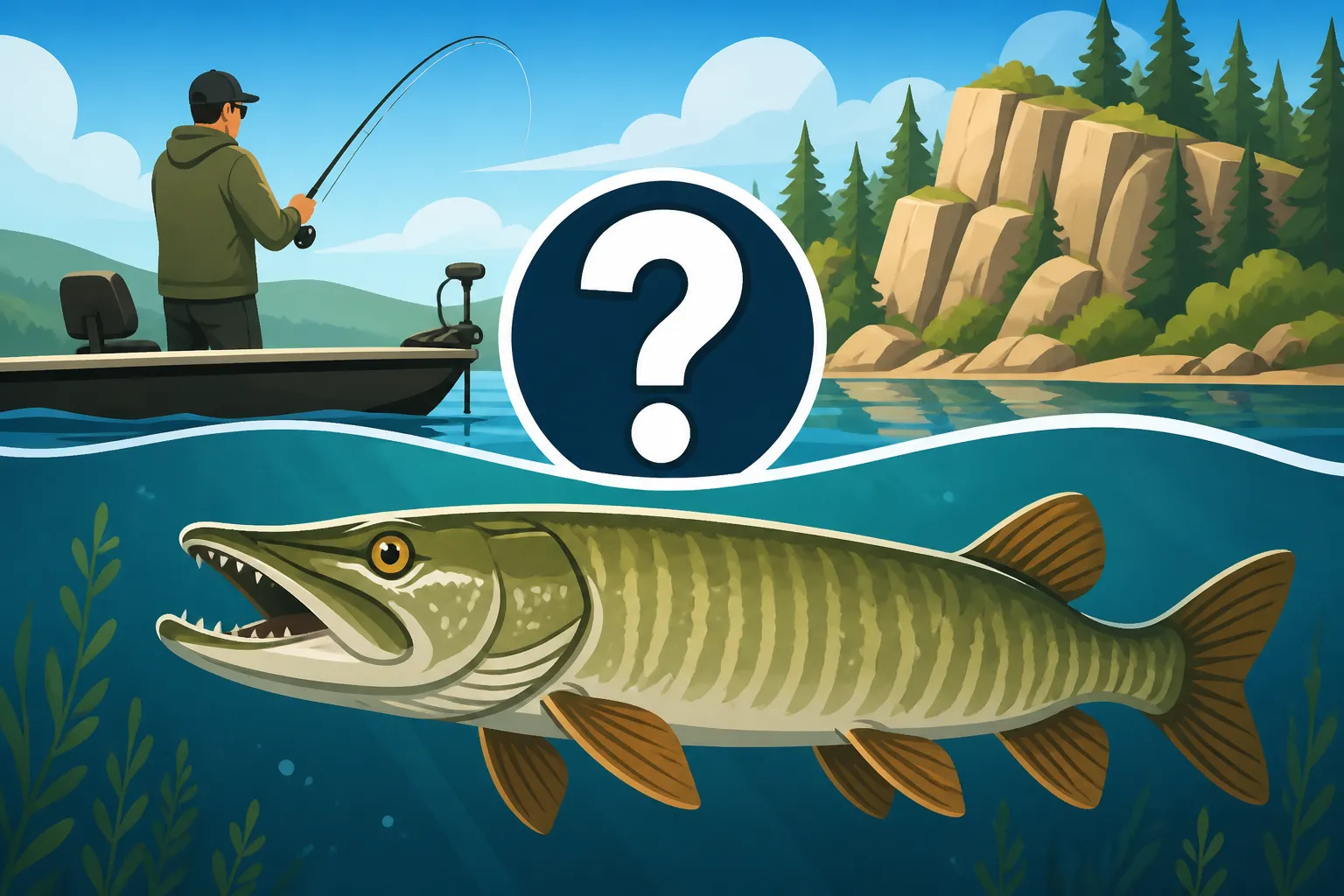
Anglers often arrive in South Dakota with visions of massive, toothy predators, and for many, the Muskie (Muskellunge) fits that bill perfectly. It’s understandable; these fish are legendary for their size, their challenging fight, and their "fish of a thousand casts" reputation. But when it comes to the vast majority of South Dakota's beautiful lakes and rivers, the answer to the Muskie question is generally, "not really."
The Simple Answer: Very Limited Presence
Let's cut right to the chase for those hoping for a clear answer: true Muskie are not native to South Dakota, nor are they widely stocked or present in a thriving, self-sustaining population across the state. This can be a tough pill to swallow for anglers who love the thrill of chasing these elusive beasts. You might hear whispers or old tales, but a widespread, consistent Muskie fishery like those found in some northern states simply doesn't exist here.
The few instances where Muskie might have been introduced were often experimental or very localized, and these efforts generally haven't resulted in robust, dependable fishing opportunities. South Dakota's fisheries management has historically focused on species that are better suited to the available habitats and have a higher success rate for natural reproduction or sustained stocking, leading to more consistent fishing for the angling public. So, if you’re packing your muskie rods and giant bucktails for a trip to a general South Dakota lake, you might be setting yourself up for disappointment.
Understanding Muskie vs. Northern Pike
Here’s where a lot of the confusion often comes into play, and it’s a totally legitimate mix-up! Northern Pike, which are abundant and widespread across South Dakota, share many characteristics with Muskie. Both are long, torpedo-shaped, toothy predators with similar coloration patterns. It’s easy to see why someone might mistake a large pike for a muskie, especially if they're not intimately familiar with the subtle differences between the two species.
Pike are incredible fighters and can grow to impressive sizes in South Dakota waters, offering an exciting challenge for any angler. They have the same predatory nature, the same ambush tactics, and will readily strike large baits, making them feel very "muskie-like." However, they are distinct species. The key differences, which we'll detail in a table shortly, usually come down to scale patterns, fin shapes, and specific markings. Understanding these distinctions is crucial, not just for identification, but also for adhering to South Dakota Fish Limits and Size Restrictions that apply to pike, which would be different if muskie were present.
It's common for anglers to land a massive Northern Pike and momentarily wonder if they've stumbled upon a Muskie. This excitement is part of the fun, but knowing the difference will help you correctly identify your catch and appreciate the fantastic pike fishery South Dakota truly offers.
Where You Might Encounter Muskie (and What to Expect)
While South Dakota isn't a Muskie hotspot, the story isn't entirely blank. There have been, and occasionally are, very limited and usually localized attempts or accidental introductions. However, managing expectations is key.
Isolated Stocking Efforts and Their Outcomes
Over the years, various states experiment with different fish species to enhance their fisheries. South Dakota is no exception, but for Muskie, these efforts have been incredibly sparse and often short-lived or unsuccessful in establishing a viable fishery. The specific environmental needs of Muskie, such as clear, cool water and a particular forage base, make many of South Dakota's more turbid, warmer, or silty lakes less than ideal habitats for them to thrive and reproduce naturally.
When such stocking might have occurred, it was often on a very small scale, perhaps in a specific reservoir or lake, with the hope that a trophy fishery could develop. Unfortunately, without the right conditions for natural reproduction, these populations typically don't sustain themselves without continuous, and often expensive, stocking. This is why you won't find Muskie prominently listed in the state's regular fish stocking reports or detailed in general fishing guides. Anglers looking for information on specific species stocking often refer to resources like the South Dakota GFP Fishing Handbook Guide.
So, while you might hear anecdotal evidence of a Muskie caught decades ago, or perhaps a very rare individual still swimming from an old, limited stocking, these are exceptions rather than the rule. It's not something you can reliably plan a fishing trip around in South Dakota.
The Reality of South Dakota's Apex Predators
Instead of chasing a ghost, anglers in South Dakota are better off focusing on the formidable apex predators that truly do thrive here. Foremost among them is the Northern Pike. These aggressive fish are widespread, can grow to impressive sizes, and offer a thrilling fight that can certainly satisfy the urge for a "big fish" encounter. Lakes like Lake Oahe, Lake Sharpe, and many of the glacial lakes in eastern South Dakota are known for producing pike in the 10-20 pound range, with larger ones being caught regularly.
| Feature | Muskie (Muskellunge) | Northern Pike (Esox lucius) |
|---|---|---|
| Coloration | Dark bars or spots on a lighter body | Light spots on a darker body |
| Tail Fin | More pointed lobes | More rounded lobes |
| Sensory Pores | 6-9 pores on each side of lower jaw | 5 or fewer pores on each side of lower jaw |
| Cheek/Opercle | Upper half of cheek and opercle scaled | Entire cheek and upper half of opercle scaled |
| Typical Size | Larger, often 30-50+ inches | Smaller, often 20-35 inches |
| Distribution | Limited/Non-existent in South Dakota | Widespread and abundant in South Dakota |
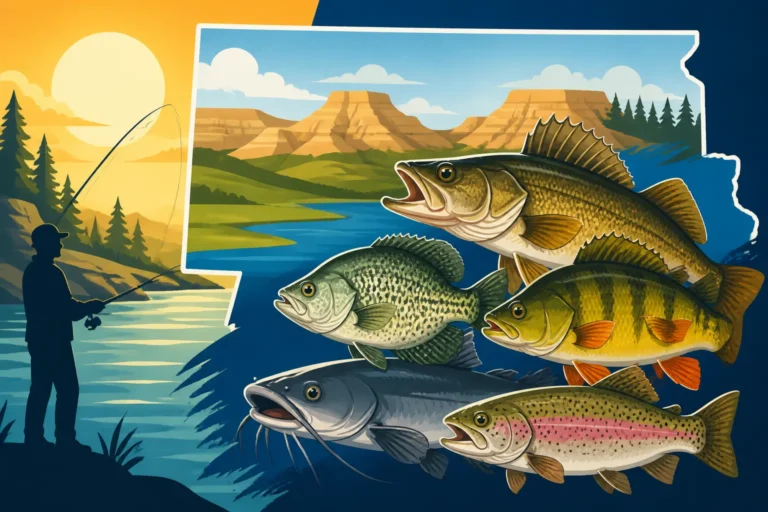
Beyond pike, South Dakota is world-renowned for its Walleye fishery, particularly on the Missouri River reservoirs like Lake Oahe, Lake Sharpe, Lake Francis Case, and Lewis and Clark Lake. While not the same toothy monster as a muskie or pike, trophy walleye can push 10+ pounds and require skill and dedication to catch. Then there are the massive Catfish that prowl the Missouri River and its tributaries, offering incredible fights on heavy tackle. South Dakota Walleye Fishing Guide, South Dakota Northern Pike Fishing Guide, and South Dakota Catfish Fishing Guide are excellent resources if you're looking for information on these species. So, while Muskie might not be a target, there's no shortage of big, exciting fish to pursue.
Why South Dakota Focuses on Other Game Fish
The decision to manage certain fish species over others isn't arbitrary; it's a careful balance of habitat, ecological impact, and angler opportunity. South Dakota's aquatic environments are uniquely suited to a particular set of species, and that's where the state's fisheries management prioritizes its efforts.
Habitat Suitability and Management Priorities
Muskie are often found in relatively clear, cooler water lakes with abundant weed beds, rock structures, and plenty of forage fish. While South Dakota has a variety of water bodies, many of its most productive fishing lakes, particularly the large Missouri River reservoirs and the glacial lakes, tend to be more turbid, shallower in certain areas, and experience warmer summer temperatures than ideal Muskie habitat. These conditions are, however, absolutely prime for species like Walleye, Northern Pike, various species of Bass, and Catfish.
South Dakota Game, Fish and Parks (GFP) puts its resources into maximizing the success of species that naturally reproduce well or thrive under stocking programs in the available habitats. This means robust programs for South Dakota Walleye Limits, South Dakota Northern Pike Limits, South Dakota Smallmouth Bass Daily Limits, and even specific regulations for South Dakota Chinook Salmon Regulations in Lake Oahe. These species provide excellent angling opportunities for a vast number of residents and non-residents alike, making the most efficient use of conservation funds and management efforts. Trying to establish a widespread Muskie fishery would likely be an uphill battle against unsuitable habitat and would divert resources from incredibly successful existing programs.
The Thrill of Chasing South Dakota's Giants
If your heart is set on catching a giant freshwater predator, don't despair! South Dakota offers plenty of thrills. The sheer size and aggressive nature of the Northern Pike often surprise anglers who haven't targeted them before. A large pike, especially one over 30 inches, will put a serious bend in your rod and test your tackle. They lurk in weed lines, ambush prey from submerged timber, and are incredibly fun to catch. You'll find detailed strategies for targeting them in our Northern Pike Fishing Techniques for Weed Lines guide.
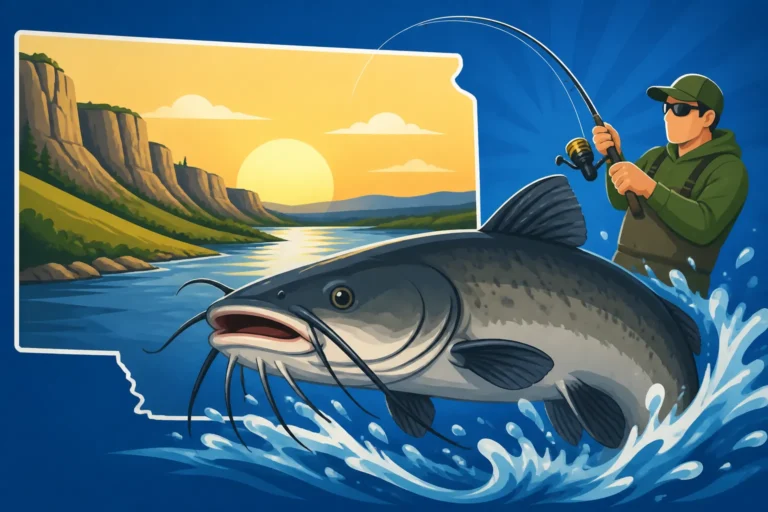
Beyond pike, consider the quest for a true trophy Walleye. These fish are challenging, finicky, and when you finally hook into a "greenback" nearing the double-digit mark, it's an unforgettable experience. The Missouri River system is a prime location for this. And for sheer brute strength, the Missouri River's Channel Catfish and Flathead Catfish can be absolutely enormous, often weighing 20, 30, or even 50 pounds or more. Tangling with one of these giants from shore or boat is an epic battle that rivals any other freshwater fight. So, while Muskie might not be swimming in South Dakota, the opportunity for a truly memorable "big fish" fight is definitely here.
Gear and Tactics for South Dakota's "Big Fish"
Successfully targeting South Dakota's larger predatory fish means having the right gear and understanding the specific tactics that work in these waters. You can't just show up with ultra-light trout gear and expect to land a 15-pound pike or a monster catfish!
Rods, Reels, and Lines for Pike and Large Walleye
For Northern Pike, you'll want something a bit sturdier than your average walleye setup. A medium-heavy to heavy power spinning or baitcasting rod, typically 6'6" to 7'6" in length, is ideal. Pair this with a robust reel spooled with 20-30 pound braided line, and always use a steel or heavy fluorocarbon leader (40-60 pound test) to prevent those razor-sharp teeth from cutting your line. Pike are not shy about hitting large spoons, spinnerbaits, or even larger soft plastic swimbaits. Brands like Berkley and Rapala offer excellent pike lures that you can find readily on platforms like Amazon.
When it comes to big Walleye, while you don't need muskie-sized tackle, you still want reliable, sensitive gear. Medium power, fast-action spinning rods (6' to 7' in length) are popular, paired with 10-20 pound braided line and a 6-10 pound fluorocarbon leader for stealth. Lures can range from crankbaits to jigs with live bait. For specific recommendations, check out our Best Fishing Rods and Reels for Walleye and Best Lures for South Dakota Walleye guides.
For the really big Catfish, you're stepping into heavy-duty territory. A heavy power, moderate-fast action rod (7' to 9' is common for shore fishing), a large baitcasting reel or heavy-duty spinning reel, and 30-80 pound braided line is the norm. Large circle hooks, heavy sinkers, and smelly cut bait are the name of the game.
Common Mistakes and How to Avoid Them
One of the most common mistakes is underestimating the power and size of South Dakota's pike and catfish. Many anglers new to the state are surprised by the sheer strength of these fish. Using inadequate line, small hooks, or flimsy leaders will almost certainly result in lost fish and potentially lost tackle. Always err on the side of slightly heavier gear when targeting these larger species.
Another mistake, as we've discussed, is confusing a large Northern Pike for a Muskie. While it's exciting to think you might have caught a Muskie, knowing the identification differences (like the light spots on dark body of a pike versus the dark bars or spots on a lighter body of a Muskie) is important for accurately reporting your catch and understanding the fishery. Don't be shy about consulting a local fishing guide or the South Dakota GFP Fishing Handbook Guide if you're unsure.
Finally, always be aware of the specific regulations for the body of water you're fishing. Even within South Dakota, rules can vary. For instance, Belle Fourche Reservoir Special Walleye Rules differ from general statewide regulations. Ignorance of the rules won't prevent a citation, so a quick check of the current regulations before hitting the water is always a good idea. By preparing properly, you can avoid frustration and truly enjoy the fantastic angling opportunities South Dakota has to offer, even without Muskie in the mix.
Disclaimer
This article is for general informational purposes only and does not constitute professional advice. Laws, prices and regulations vary by location and change over time. Consult a qualified professional for guidance on your specific situation.