South Dakota Fish Spawning Calendar by Species
There’s nothing quite as frustrating as heading out to your favorite South Dakota fishing spot, full of anticipation, only to find the bite completely dead, or worse, to unknowingly disturb fish that are in the critical phase of reproducing. Understanding when different fish species in South Dakota are engaged in their spawning rituals is absolutely vital for both successful angling and responsible conservation. This guide will walk you through the key spawning periods for popular fish across our beautiful state, helping you plan your trips to either target pre-spawn feeding frenzies or respectfully avoid sensitive areas during the spawn.
Understanding the Importance of Spawning for Fish and Anglers
Spawning is the biological imperative for fish – their yearly mission to reproduce and ensure the continuation of their species. For us anglers, knowing when and where this happens isn't just a matter of curiosity; it directly impacts how we find, target, and even should target certain fish. Ignore the spawn, and you might find yourself casting into an empty lake or, inadvertently, putting undue stress on fish that are at their most vulnerable.
Why Spawning Matters for Anglers
During the spawning cycle, fish undergo significant behavioral changes that directly affect their feeding patterns and locations. Before the spawn, many species experience a "pre-spawn" feeding frenzy. They're trying to pack on calories to fuel the arduous process of reproduction, making them incredibly aggressive and often easier to catch. Think of it like an athlete carb-loading before a big race. Once the spawn actually begins, their focus shifts entirely to mating and nest protection. Feeding often takes a backseat, and their locations become highly predictable – usually shallow, protected areas. After the spawn, there's often a recovery period where fish are lethargic and less interested in feeding, gradually returning to more active feeding as they regain strength. Understanding these phases allows you to adjust your tactics, choosing the right lures or bait for the mood of the fish. You wouldn't want to try finesse fishing a walleye that's aggressively protecting a nest, just as you wouldn't want to power fish a bass still recovering from its spawning duties.
Ethical Considerations During Spawning
Beyond just catching fish, there's a strong ethical component to understanding spawning seasons. Many fish are highly vulnerable during this time. They're often in shallow water, easily spotted, and aggressively guarding their nests, which can make them seem easy targets. However, repeatedly catching fish off nests, especially bass, can disrupt the spawning process, leaving eggs and fry vulnerable to predators or environmental factors. This can have a negative impact on future fish populations. A responsible angler understands the long-term health of the fishery is paramount. This might mean practicing catch-and-release more diligently during specific spawning windows, or even choosing to target different species or locations entirely during the peak of a particular fish's spawn. It's about respecting the natural cycle and ensuring that future generations of anglers, and fish, thrive. Knowing the South Dakota Fishing Regulations Explained helps immensely here, as some areas might even have specific rules during sensitive spawning periods.
Walleye Spawning: The Main Event
For many South Dakota anglers, walleye fishing is practically a religion. These prized fish have a very distinct spawning pattern that kicks off the spring fishing season with a bang, or sometimes, a quiet period of anticipation. Understanding their drive to reproduce is key to predicting their movements and feeding behaviors.
Walleye Spawning Season and Locations
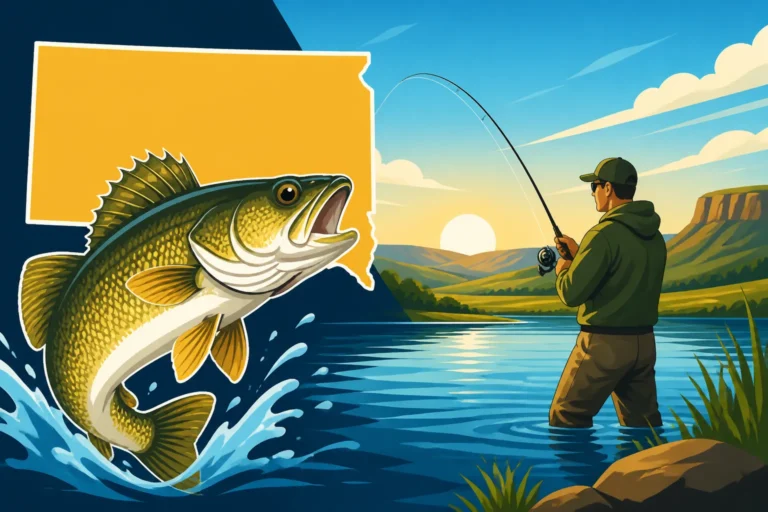
Walleye are one of the earliest fish to spawn in South Dakota, often beginning their reproductive journey as soon as the ice leaves the lakes and reservoirs. This typically happens in early to mid-spring, usually when water temperatures climb into the 40s (around 42-50 degrees Fahrenheit). They are broadcast spawners, meaning they don't build nests but rather scatter their eggs over rocky bottoms or gravelly shorelines in shallow water, often where there's some current. Think of the riprap along the causeways of Lake Sharpe, or the shallower, rocky points of Lake Oahe, or even upstream sections of rivers like the James River. They seek out these areas because the current helps aerate the eggs and prevent them from settling in silt. This makes the upstream stretches of the Missouri River reservoirs prime spawning real estate. If you're wondering When Walleye Spawn in South Dakota, look for those warming trends in March and April.
As the water temperatures gradually rise, male walleye move into these spawning areas first, waiting for the females. Once the females arrive, they release their eggs, which are then fertilized by the males. This usually happens at night or in low light conditions. After the eggs are laid, the adult walleye typically move back to deeper water, often spending a week or two recovering before resuming their more active feeding patterns. This transition period can sometimes be a bit of a lull for anglers, as the fish are either focused on spawning or recovering from it.
Identifying Pre-Spawn and Post-Spawn Walleye Behavior
The "pre-spawn" phase for walleye is legendary among anglers. This is when the fish are staging in deeper water adjacent to their spawning grounds, feeding aggressively to build up energy reserves. They'll gorge on baitfish, making them excellent targets for jigging, slow-trolling crankbaits, or fishing with live minnows. They're often concentrated, making it possible to have fantastic days if you find a good staging area. Knowing the What Water Temperature Walleye Prefer? during this time can help you pinpoint when they're most active.
Once the actual spawning is over, the "post-spawn" period begins. Walleye are often exhausted from the strenuous activity, and their energy levels are low. They'll retreat to deeper, cooler water to recuperate. The bite can be slower during this time, and fish might be more spread out. However, as they regain strength, they'll gradually start to feed again, often moving to deeper structure or main lake points as the water continues to warm. This is a great time to experiment with different presentations, perhaps smaller baits or slower retrieves, as the fish aren't in that same aggressive feeding mode as they were pre-spawn. Patience is truly a virtue during this period.
Bass Species: Largemouth and Smallmouth Dynamics
South Dakota boasts both largemouth and smallmouth bass, each with their own distinct personalities and, you guessed it, spawning preferences. While both are "nest builders," where and when they choose to set up their nurseries differs quite a bit, making it important for anglers to know the difference.
Largemouth Bass Spawning in South Dakota
Largemouth bass are typically late spring spawners, holding off until the water has warmed up considerably more than for walleye. You'll usually see them on their nests when water temperatures hit the mid-50s to low 60s Fahrenheit (around 58-68 degrees F). They are meticulous nest builders, creating circular depressions in the substrate, usually in shallow, protected bays with plenty of submerged vegetation, brush, or fallen timber. These areas offer cover and protection for their eggs and fry.
The males are the primary nest builders and guardians. Once a female lays her eggs, the male diligently fans them to keep them oxygenated and free of silt, fiercely guarding them from any perceived threat – including your lure. This aggressive protection makes them a target for some anglers, but again, ethical considerations are vital here. Catching a male off a nest leaves the eggs vulnerable, potentially impacting the year's hatch. Many anglers choose to avoid targeting nesting largemouth altogether, or practice immediate, careful release if one is inadvertently caught. Look for them in the back bays of smaller lakes, stock dams, and the shallower, warmer arms of the larger reservoirs, particularly after a few days of stable, warm weather in late May and early June.
Smallmouth Bass Spawning: Rocky Points and Clear Water
Smallmouth bass, the scrappy fighters of South Dakota, also spawn in the spring, generally aligning with or slightly after largemouth, but they have a very different preferred spawning habitat. Unlike their largemouth cousins, smallmouth love rocky environments and clear water. Their nests are usually found on gravelly or rocky bottoms, often on points, along riprap, or near submerged rock piles in depths ranging from a few feet down to 10-15 feet. They prefer clean, hard bottom where current is minimal but still provides good oxygenation. When Smallmouth Bass Spawn in South Dakota typically falls between late May and early July, peaking when water temperatures are consistently in the low to mid-60s (around 60-68 degrees F).
Similar to largemouth, male smallmouth build and guard the nests. Their aggression towards anything approaching their nest is legendary, leading to some exciting but ethically challenging fishing opportunities. Targeting pre-spawn smallmouth can be fantastic, as they often congregate on deeper rocky structures adjacent to spawning areas, feeding heavily. During the spawn, they'll be on those shallower rocky areas, and post-spawn, they'll often retreat to deeper rock piles and ledges to recover before resuming their summer feeding patterns. Places like Lake Francis Case and Lake Sharpe, with their abundance of rocky shoreline and clear water, are prime smallmouth spawning grounds.
Northern Pike and Panfish: Early and Late Spring Spawn
While walleye and bass often get the most attention, South Dakota's northern pike and various panfish species (crappie, perch, bluegill) have their own vital spawning rhythms that influence where and how we fish for them. These species round out the spring spawning calendar, offering diverse angling opportunities.
Northern Pike Spawning Habits
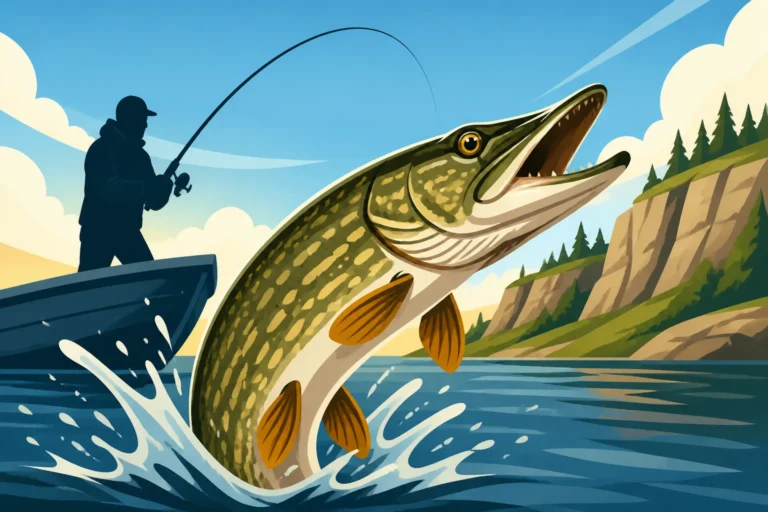
Northern pike are among the earliest fish to spawn in South Dakota, often kicking things off even before the walleye. Their spawning period typically occurs in very early spring, often right after ice-out, when water temperatures are still quite cold, usually in the high 30s to low 40s (around 38-48 degrees F). Pike are unique in that they prefer to spawn in flooded vegetation – shallow, marshy areas, flooded grasslands, and the edges of cattail beds. They need these areas to lay their adhesive eggs, which stick to the submerged plants, providing protection and aeration.
Finding these shallow, flooded areas can be tricky, as they are often away from main lake access points. However, if you can locate them, you might find concentrations of large pike moving into these areas. After spawning, pike can be lethargic for a bit, but they quickly become aggressive feeders again, particularly as the water continues to warm. Targeting them in their post-spawn recovery areas, often along weed lines or shallow flats adjacent to spawning marshes, can be incredibly productive. Knowing Northern Pike Fishing Techniques for Weed Lines becomes crucial once they move out of the actual spawning marshes. Using a portable fish finder, perhaps one you ordered from Amazon, can help you quickly locate these submerged weed beds where pike lurk.
Crappie and Perch Spawning
Crappie and perch, two of South Dakota's most beloved panfish, also have significant spring spawning periods, but they typically occur a bit later than pike and sometimes even after walleye, especially for crappie. Both species are highly sought after for their delicious fillets and can offer incredible action during their pre-spawn and spawning phases.
Crappie, both white and black, generally spawn when water temperatures reach the mid-50s to low 60s (around 58-68 degrees F). They are nest builders, with males constructing saucer-shaped depressions, usually in shallow water (2-10 feet) around submerged brush, fallen trees, docks, or emergent vegetation. They love cover! The males then guard these nests. During this time, crappie can be very aggressive towards jigs and minnows fished slowly around these structures. Post-spawn, they often move to slightly deeper cover as they recover. Understanding Crappie and Panfish Possession Limits is important, as these fish can be very numerous.
Yellow perch, on the other hand, are a bit earlier than crappie, typically spawning in mid to late spring when water temperatures are in the upper 40s to low 50s (around 45-55 degrees F). They are unique in that they lay their eggs in long, gelatinous strings that attach to submerged vegetation, brush, or old weed stalks. They don't build nests but rather broadcast their eggs in these vegetated areas, usually in relatively shallow water. Like pike, they rely on submerged cover for their eggs. Finding good perch schools during their pre-spawn and spawning periods can lead to fast and furious action, often found in bays and flats with plenty of existing or flooded vegetation.
Trout and Salmon: Unique Spawning Cycles
When we talk about trout and salmon in South Dakota, we're primarily focused on the Black Hills for our trout species and Lake Oahe for our magnificent Chinook salmon. These species have spawning cycles that are quite different from the warm-water fish, often occurring in colder months or specific times of year.
Black Hills Trout Spawning
The cold, clear waters of the Black Hills are home to rainbow, brown, and brook trout, and each has its own preferred spawning season, though there's some overlap.
-
Brown Trout: These elusive fighters are primarily fall spawners. You'll find them making their redds (spawning nests) in the gravelly bottoms of streams like Rapid Creek, Spearfish Creek, and Spring Creek as early as late September, but more typically in October and November when water temperatures drop into the 40s (around 40-50 degrees F). Males develop a distinctive "kype" (hooked jaw) during this time. They seek out shallow, flowing sections of streams with clean gravel beds. This is a crucial time for their reproduction, and disturbing them on their redds can be highly detrimental. Many anglers shift to targeting other species or exercising extreme caution during the South Dakota Brown Trout in the Black Hills spawning run.
-
Rainbow Trout: Rainbows are generally spring spawners in South Dakota, typically starting in March and continuing through May as water temperatures rise into the 40s and 50s (around 45-58 degrees F). They also construct redds in gravelly stream bottoms. Since many Black Hills streams are stocked with rainbows, their spawning habits can sometimes be less pronounced than wild populations, but the instinct remains. Identifying their redds – often lighter patches of gravel in the stream bed – is a good way to know where to avoid disturbing them.
-
Brook Trout: The native brook trout found in some of the smaller, higher elevation Black Hills streams are also fall spawners, much like brown trout. They will begin their spawning activity in late September and October, seeking out cold, clear headwater streams with good gravel and cover. These pristine environments are vital for their survival, and their spawning season is a delicate time.
Lake Oahe Chinook Salmon Run
The Chinook salmon in Lake Oahe offer one of South Dakota's most unique angling experiences, particularly during their spectacular fall spawning run. These landlocked salmon spend several years growing to impressive sizes in the cold, deep waters of Lake Oahe before making their final journey to spawn.
The Chinook salmon run typically begins in late September and peaks in October, driven by dropping water temperatures, usually in the low 50s down into the 40s (around 40-55 degrees F). Their primary spawning grounds are around the Whitlock Bay Spawning Station near Gettysburg, where they gather in huge numbers. They will also attempt to spawn in the Cheyenne River and other major tributaries, or even along deep riprap shorelines if conditions are right. This is a terminal spawn, meaning the salmon will die after reproducing. This makes the Chinook Salmon Spawning Time on Lake Oahe a period of intense activity and a bittersweet time for anglers.
During the run, salmon are focused entirely on reproduction and often become less interested in feeding. However, their aggressive nature as they jostle for position and defend their territory can still make them susceptible to certain presentations, particularly bright, flashy spoons or large crankbaits that trigger a reaction strike rather than a feeding bite. Shore anglers at Whitlock Bay or boat anglers in the surrounding areas often experience fantastic action, but it's important to be mindful that these fish are at the very end of their life cycle.
Catfish Spawning: Summer Warmth
While many fish species in South Dakota spawn in the cooler temperatures of spring and fall, our robust catfish populations – primarily channel catfish and flathead catfish – wait for the warmth of summer. Their unique spawning habits offer great opportunities for anglers once the spring rush subsides.
Channel Catfish Spawning
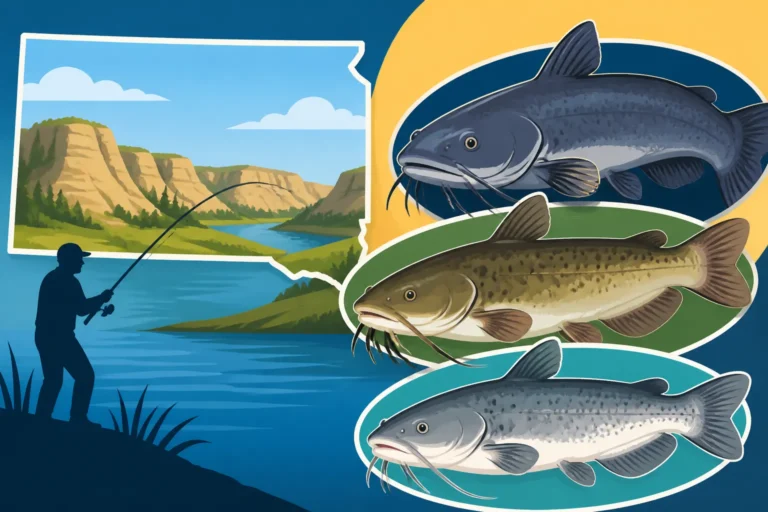
Channel catfish are true warm-water spawners, typically waiting until late spring or early summer when water temperatures consistently reach the mid-70s (around 70-75 degrees F). This usually puts their spawning season in June and July across South Dakota's rivers, lakes, and reservoirs. Unlike broadcast spawners, channel catfish are cavity nesters. This means the male will seek out secluded, dark spots like hollow logs, undercut banks, rock crevices, muskrat runs, or even old tires and culverts to prepare a nest.
Once the nest is ready, a female will deposit her eggs, and the male will then guard the nest aggressively, fanning the eggs to keep them oxygenated and free from silt. He'll remain vigilant until the fry hatch and disperse. During this nesting period, males can be very protective and territorial, often striking at anything that comes too close. This can sometimes lead to an intense, localized bite if you can find their nesting cavities. Pre-spawn channel catfishing can also be excellent, as they feed heavily to build energy for the spawn. Knowing Catfish Limits and Size Rules is always crucial, but particularly during this prolific time. Finding good bait, whether it's cut bait or stink bait, is often the key to success. You might even find specialized catfish baits on Amazon if your local tackle shop is out.
Flathead Catfish Spawning
Flathead catfish, the giants of South Dakota's rivers, have a similar but slightly later spawning cycle compared to channel cats. They also prefer warm water, typically spawning when temperatures are consistently in the high 70s to low 80s (around 75-80 degrees F), usually in July and August. Like channel catfish, flatheads are cavity spawners, but they tend to seek out larger, deeper, and more secluded cavities, such as large log jams, deep undercut banks, or significant rock crevices in the deeper, slower sections of rivers like the Missouri River or its major tributaries.
The male flathead also guards the nest fiercely. Because flatheads prefer live bait and can be incredibly elusive, targeting them during their spawn can be challenging. Their focus is entirely on reproduction, and they may be less inclined to chase a meal. However, the pre-spawn period, when they're bulking up, can offer some of the best opportunities to catch a trophy flathead on a large live bait offering. As the season progresses into late summer, the post-spawn recovery leads them back to their ambush points in structure, making them more receptive to live bait again. Understanding the differences between Channel Catfish vs Flathead Catfish behavior is important for targeting each species effectively.
South Dakota Fish Spawning Calendar Overview
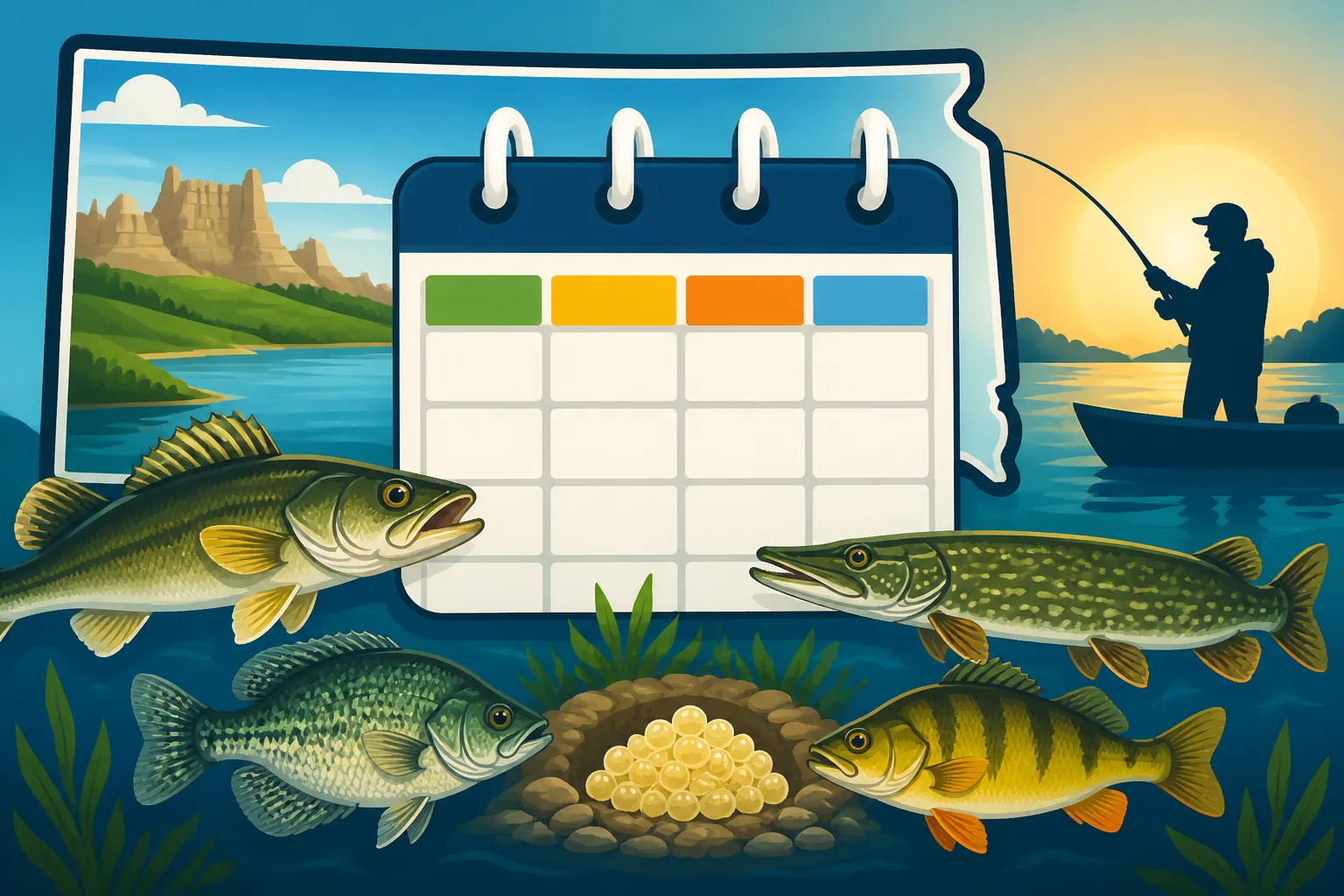
To help you visualize the general spawning periods for these key species, here's a handy table. Remember, these are general guidelines, and actual spawning can vary by several weeks depending on specific water body, weather patterns, and water temperatures in any given year.
| Fish Species | Typical Spawning Season | Key Water Temperature Range (F) | Preferred Habitat | Notes |
|---|---|---|---|---|
| Northern Pike | Early Spring (Post Ice-Out) | 38-48 | Flooded vegetation, marshy areas | Earliest spawners, rely on submerged plants. |
| Walleye | Early-Mid Spring | 42-50 | Rocky shorelines, gravel points, river currents | Broadcast spawners, often at night. |
| Yellow Perch | Mid-Late Spring | 45-55 | Submerged vegetation, brush, old weed stalks | Lay eggs in gelatinous strings. |
| Rainbow Trout | Spring | 45-58 | Gravelly stream bottoms (redds) | Stocked populations, also wild in some streams. |
| Crappie | Late Spring-Early Summer | 58-68 | Submerged brush, docks, vegetation, shallow cover | Males build and guard nests. |
| Largemouth Bass | Late Spring-Early Summer | 58-68 | Shallow, protected bays with vegetation | Males build and guard nests, fierce protectors. |
| Smallmouth Bass | Late Spring-Early Summer | 60-68 | Rocky points, riprap, gravelly bottoms | Males build and guard nests, prefer clear water. |
| Channel Catfish | Early-Mid Summer | 70-75 | Hollow logs, undercut banks, rock crevices | Cavity nesters, males guard aggressively. |
| Flathead Catfish | Mid-Late Summer | 75-80 | Large, deep log jams, undercut banks, rock cavities | Larger cavity nesters, males guard. |
| Brown Trout | Fall | 40-50 | Gravelly stream bottoms (redds) | Fall spawners, distinct "kype" on males. |
| Chinook Salmon | Fall | 40-55 | Whitlock Bay area, Cheyenne River, deep riprap | Terminal spawn, massive fall run on Lake Oahe. |
Using This Calendar for Your South Dakota Fishing Adventures
Now that you have a general idea of when fish are getting busy in South Dakota, how can you use this information to your advantage, both for better fishing and for being a better steward of our fisheries?
Planning Your Fishing Trips
Understanding the spawning calendar allows you to strategically plan your fishing trips for maximum enjoyment and success. If you're hoping for an epic walleye bite, target the pre-spawn period when they're gorging themselves before moving onto the spawning grounds. This is when they're most actively feeding and often concentrated in predictable areas. Conversely, if you want to avoid disturbing nesting bass, you might choose to focus on panfish or catfish during their peak spawning season. The Best Time of Year to Fish in South Dakota for any given species will often align with either their pre-spawn feeding or their post-spawn recovery, when they are actively seeking food.
For specific species, you can tailor your approach. For instance, if you're hitting the Black Hills for trout, you might focus on rainbow trout in the spring and then shift your attention to targeting brown trout in their non-spawning habitats during the fall. For the Missouri River reservoirs, early spring is prime for walleye staging, while summer opens up excellent opportunities for channel catfish. Don't forget to check the South Dakota GFP Fishing Handbook Guide for any specific regulations or updates, as these can sometimes change to protect spawning fish.
Monitoring Water Temperatures and Conditions
The single most critical factor influencing fish spawning is water temperature. While the calendar provides general timing, actual spawning often begins and ends based on specific temperature thresholds being met and sustained. This is why paying attention to current water temperatures is so important. You can use a simple thermometer on your boat or even find various water temperature gauges on Amazon to get real-time readings.
Stable weather conditions are also key. A sudden cold front can delay a spawn, or even cause fish to abandon nests if temperatures drop too drastically. Conversely, a prolonged period of warm, sunny weather can accelerate spawning. This variability is why talking to local bait shops, checking online fishing reports, and utilizing your own observations are invaluable tools. For example, if you know What Water Temperature Triggers the Salmon Spawn?, you can better predict the peak of the Lake Oahe run each year. Keep an eye on the weather forecast and consider how recent temperature fluctuations might be affecting the fish.
Respecting the Resource: Fishing During the Spawn
While knowing the spawning calendar can help you find fish, it also brings a responsibility to protect them. Our South Dakota fisheries are a precious resource, and sustainable angling practices are essential for ensuring they remain healthy for years to come.
Best Practices for Anglers
If you do choose to fish during a species' spawning period, especially for nest builders like bass or some panfish, consider these best practices:
- Practice Catch and Release: If you're targeting fish that are actively spawning or guarding nests, try to release them quickly and gently. Minimize their time out of water and avoid excessive handling. This is particularly important for bass, where removing a male from a nest, even for a short time, can lead to the destruction of the eggs by predators.
- Target Different Species or Locations: Often, the easiest and most ethical approach is to simply shift your focus. If the bass are spawning in the shallow bays, maybe head out to deeper water to target walleye that are in their post-spawn recovery, or try for crappie in brush piles away from their nesting areas. South Dakota offers so many diverse fishing opportunities; there’s always something biting somewhere else. You might even find Best Fishing Spots in South Dakota that are less affected by a specific species' spawn.
- Observe and Learn: Spend some time observing the fish without casting a line. You can learn a lot about their habits, preferred spawning habitats, and how they react to different conditions. This knowledge will serve you well in future seasons, and you’ll gain a deeper appreciation for the fish. For instance, understanding the Lake Oahe Walleye Size and Growth Rate helps appreciate the delicate balance of the ecosystem.
- Know the Regulations: Always be aware of specific regulations for the water body you're fishing. Some areas might have catch-and-release only periods, special slot limits, or even temporary closures during critical spawning times. The South Dakota Fishing License Guide is your first step to staying informed.
The Long-Term Impact of Responsible Angling
Every fish we catch, every ethical decision we make on the water, contributes to the health of the entire fishery. By understanding and respecting the spawning cycles of South Dakota's fish, we're not just ensuring better fishing for ourselves, but for all anglers who will come after us. It's about being part of the solution, not adding to the problem. The satisfaction of a well-earned catch is only truly sweet when you know you've done your part to protect the resource. Let's make sure our kids and grandkids can experience the thrill of catching a South Dakota walleye or a Black Hills trout because we were mindful and respectful in our own pursuits.
Disclaimer
This article is for general informational purposes only and does not constitute professional advice. Laws, prices and regulations vary by location and change over time. Consult a qualified professional for guidance on your specific situation.