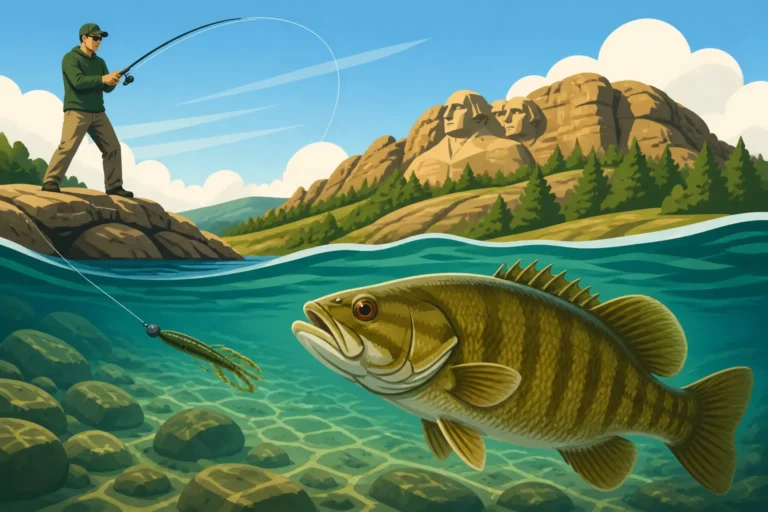
When Smallmouth Bass Spawn in South Dakota
For anglers eager to conquer South Dakota's waters, few experiences rival the thrill of targeting smallmouth bass. However, knowing when these feisty fish are most active, especially during their critical spawning period, can feel like trying to solve a moving puzzle. This detailed guide is here to untangle the mystery of the smallmouth bass spawn in South Dakota, helping you understand their behavior, preferred habitats, and how to approach them ethically during this pivotal time, ensuring your next outing is both successful and responsible.
The Annual Smallmouth Bass Spawning Window in South Dakota
Understanding the smallmouth bass spawn isn't just about marking a calendar; it's about anticipating a cascade of environmental cues that trigger one of nature's most vital cycles. For anglers, this means a shift in fish behavior and location, presenting unique opportunities and responsibilities.
The Critical Water Temperature Triggers
Smallmouth bass are incredibly attuned to water temperature, and it's by far the most significant factor dictating when they decide to spawn. Unlike some species that might have a tighter window, smallmouth typically initiate their spawning activities when water temperatures consistently hold within a specific range. Generally, this means when the water reaches the mid-50s to low 60s Fahrenheit (around 13-18°C). Below this, they’re still in pre-spawn mode, staging and feeding heavily. Above it, they might have already completed their spawning rituals or be moving into post-spawn recovery.
It’s not just about hitting that magic number once, either. These temperatures need to be stable, indicating a sustained warming trend. A sudden cold snap after a period of warm weather can actually halt or delay the spawn, pushing the fish back into deeper staging areas until conditions stabilize again. This fluctuation is a common frustration for spring anglers, who might find fish on beds one day only for them to disappear the next. Monitoring the water temperature using a reliable thermometer, easily found on Amazon, is a pro tip for staying ahead of the game.
Typical Calendar Months for the Spawn
While water temperature is the undeniable primary trigger, it translates to a general calendar window that most South Dakota anglers can anticipate. You can typically expect the smallmouth bass spawn to commence in late spring, primarily from May into June. In some of the warmer, shallower lakes in eastern South Dakota, it might even kick off slightly earlier, perhaps in late April if there’s an unusually warm spring. Conversely, in the higher elevations of the Black Hills or the deeper, colder Missouri River reservoirs, the spawn can extend well into June and even touch on early July, particularly in cooler years.
This isn't a hard and fast rule for the entire state, however. Different bodies of water warm at different rates. For instance, the sheer volume of water in the Missouri River system, like Lake Francis Case, means it will take longer to warm up than a shallower glacial lake. Therefore, a good approach is to factor in the specific body of water you’re fishing. Consulting a South Dakota Fish Spawning Calendar by Species can offer more localized insights, but always remember that Mother Nature has the final say.
Understanding Pre-Spawn, Spawn, and Post-Spawn Behavior
Fishing during the smallmouth bass spawn isn't just about timing; it's about understanding the different phases leading up to, during, and immediately after the event. Each phase presents unique challenges and opportunities, demanding different approaches from the angler.
Pre-Spawn Aggression and Movement
Before the actual spawning begins, smallmouth bass enter a crucial pre-spawn phase where they exhibit incredible aggression and feed voraciously. This is their last chance to pack on calories and build energy reserves for the demanding act of spawning and guarding nests. During this time, they begin moving from their deeper wintering holes towards shallower staging areas, typically points, humps, and channel swings that are adjacent to prime spawning flats or protected bays. They aren't on the beds yet, but they're definitely thinking about it.
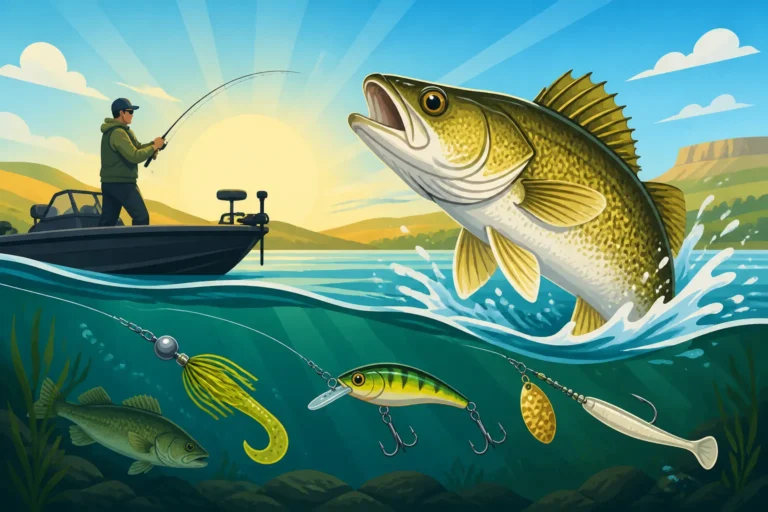
This period is often considered one of the best times for trophy smallmouth, as the fish are actively seeking food and are less wary. They'll often hit a wide variety of baits, from crankbaits to jerkbaits and spinnerbaits, with a ferocity that can be exhilarating. They're looking for substantial meals to fuel up. Anglers who learn to identify these staging areas can often have some of their most productive days of the year, applying specific Pre-Spawn Bass Fishing Techniques to capitalize on this aggressive feeding pattern.
During the Spawn: Nesting and Protection
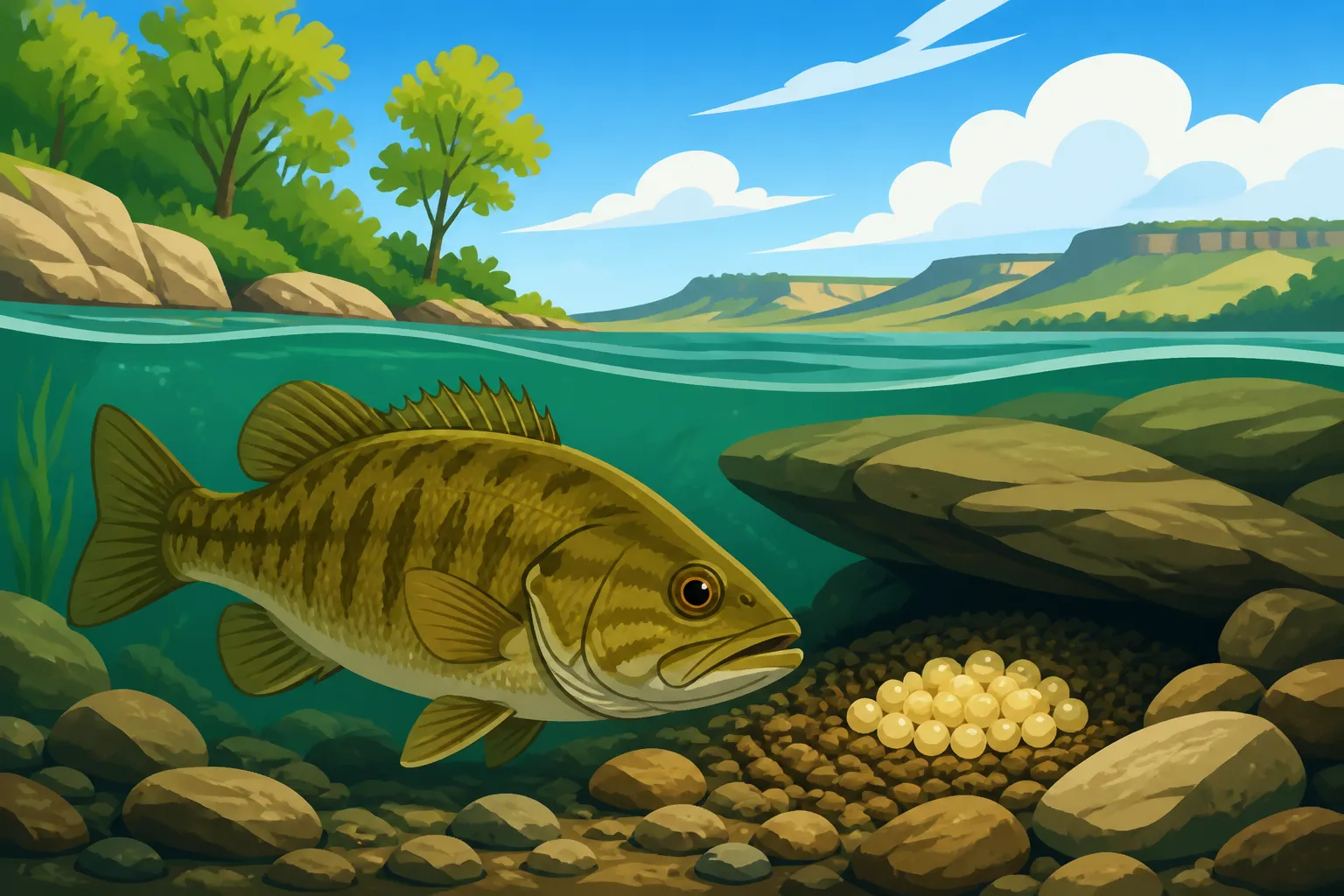
Once the water temperatures stabilize within that sweet spot of 55-65°F, the male smallmouth bass take on the primary role of nest building. They meticulously fan out circular depressions, known as redds, usually in gravel, sand, or rocky bottoms, typically in shallower, protected areas. These nests are often found near submerged cover like logs, rocks, or weed edges. After the nest is prepared, the female moves in, lays her eggs, and then typically departs, leaving the male to guard the eggs until they hatch.
During this nesting phase, the male bass becomes incredibly territorial. His focus shifts entirely from feeding to defending the nest from anything perceived as a threat. This territoriality is what makes them "strike" baits, not necessarily out of hunger, but out of a protective instinct. While it can be tempting to target these fish aggressively, it's a critical time for conservation. Catching a bedding bass can disrupt its crucial guarding duties, potentially exposing the eggs or fry to predators and environmental hazards. Many ethical anglers choose to avoid targeting bedding fish, or practice immediate, gentle catch-and-release to minimize disturbance. You should always be aware of the Smallmouth Bass Daily Limits and any specific regulations for the water body you are fishing.
Post-Spawn Recovery and Summer Patterns
Immediately following the spawn, smallmouth bass enter a recovery phase. The males, having spent days or even weeks diligently guarding the nests without much feeding, are often exhausted and in need of recuperation. The females, too, are recovering from the rigors of egg-laying. During this initial post-spawn period, the fish can be lethargic and less inclined to strike, often moving to slightly deeper, cooler water or seeking dense cover to rest and regain their strength.
As they recover, their feeding instincts gradually return, and they'll begin transitioning into their typical summer patterns. This usually involves moving to deeper structure, like rock piles, ledges, and drop-offs, especially during the heat of the day. They'll also become more opportunistic feeders, targeting baitfish and crayfish. While the immediate post-spawn can be challenging, once they've recovered, they become active again, just in different locations and with different feeding behaviors. Understanding these shifts is key to consistent success, and applying Post-Spawn Bass Fishing Techniques can make all the difference.
Prime South Dakota Locations and Factors Influencing the Spawn
South Dakota offers a diverse range of smallmouth bass habitats, from expansive Missouri River reservoirs to clear Black Hills lakes and the fertile glacial lakes of the east. Each environment presents slightly different conditions that influence the timing and characteristics of the smallmouth spawn.
Missouri River Reservoirs
The vast Missouri River reservoirs—Lake Oahe, Lake Sharpe, Lake Francis Case, and Lewis and Clark Lake—are prime smallmouth bass territory in South Dakota. These massive impoundments offer incredible fishing, but their sheer size and depth mean they warm up at a different pace compared to smaller lakes. Smallmouth in these reservoirs will typically key into warming trends in bays, protected coves, and along the extensive rocky shorelines and riprap areas. For instance, Lake Francis Case Smallmouth Bass Fishing in May and Lake Francis Case Smallmouth Bass Fishing in June are popular times, specifically because the fish are often concentrated in shallower zones during the spawn.
Look for areas with a mix of rock and gravel bottoms, often near points or bluff walls that absorb solar heat. Submerged timber and brush piles can also provide crucial cover for staging and nesting. The clearer water found in many parts of the Missouri River system means sight fishing for bedding bass is sometimes possible, though care must be taken not to spook or overly stress the fish. The consistent current in some sections of the river can also impact bass behavior, pushing them into calmer backwater areas for spawning.
Black Hills Lakes and Glacial Lakes
Beyond the Missouri River, South Dakota boasts excellent smallmouth bass fishing in its Black Hills lakes and the numerous glacial lakes of the eastern part of the state. In the Black Hills, lakes like Pactola Reservoir and Sheridan Lake, sitting at higher elevations, tend to have cooler water temperatures for longer. This means their smallmouth spawn often occurs later, sometimes pushing into early July, especially after a particularly cold spring. Here, bass will utilize rocky shorelines, boulder fields, and submerged rock piles for their nesting sites. The clear, often deep water of these lakes means bass can be found at various depths, but they'll always seek out those shallower, rocky sun-drenched areas for spawning.
Conversely, the glacial lakes in eastern South Dakota, such as Lake Kampeska, Lake Poinsett, and Bitter Lake, are generally shallower and warm up more quickly. This can lead to an earlier spawn, potentially starting in late April or early May, depending on the year. These lakes offer abundant rocky shorelines, gravel patches, and often have more emergent vegetation than the Missouri River reservoirs, all of which provide excellent smallmouth spawning habitat. Knowing the characteristics of each specific lake or region you plan to fish is paramount to predicting the spawn.
Ethical Angling and Techniques During the Spawning Period
Fishing during the smallmouth bass spawn can be both rewarding and controversial. While bass can be highly concentrated and aggressive, it’s crucial to balance fishing success with responsible angling practices to ensure the health of the fishery for years to come.
Regulations and Conservation
Before even casting a line, every angler has a responsibility to know and abide by the current fishing regulations. The South Dakota Game, Fish and Parks (GFP) sets specific rules for a reason, and these can change annually. Always check the official South Dakota Fishing Regulations Explained or the latest GFP fishing handbook. Pay close attention to Smallmouth Bass Daily Limits and any size restrictions, as these are designed to protect fish populations, especially during vulnerable times like the spawn.
Beyond the written rules, ethical considerations play a huge role. Many anglers choose to avoid directly targeting bedding bass. If you do encounter a bass on a nest, consider practicing immediate catch-and-release with minimal disturbance. This allows the fish to quickly return to its crucial role of guarding the eggs, which ensures the next generation of smallmouth bass. Conservation isn't just a buzzword; it's a practice that directly impacts the quality of our fishing experiences down the line.
Effective Techniques for Spawning Bass
If you choose to fish during the spawn and target protective bass, certain techniques are more effective while still allowing for a quick release. Sight fishing can be highly productive: with good polarized sunglasses (many excellent options available on Amazon), you can spot bass on their nests in clear water. Presenting a small, subtle bait like a tube jig, soft plastic creature bait, or a senko (often a favorite) directly into the nest or very close to it can provoke a defensive strike. The key is to make the bass feel its territory is being invaded.
When a bass does strike, a quick hookset is important to minimize the fight and stress on the fish. Use barbless hooks or crimp down barbs to facilitate easier, less damaging unhooking. The goal is to get the fish back to its nest as quickly and safely as possible. It's also wise to use tackle that allows you to quickly subdue the fish, preventing a prolonged fight that can exhaust it further. Remember, the fish isn't necessarily biting to eat, but to protect its progeny.
Gear Considerations for Spawn Fishing
Having the right gear can make all the difference when fishing the smallmouth bass spawn, especially if you're practicing ethical catch-and-release. A medium-light to medium power spinning rod with a fast action tip, paired with a sensitive spinning reel, will give you the feel you need to detect subtle takes and maintain control. This setup also allows for precise casting of lighter baits often favored during this period.
Good quality fluorocarbon line or a fluorocarbon leader on braided line is excellent for its low visibility and abrasion resistance, crucial around rocky spawning areas. As mentioned earlier, polarized sunglasses are practically essential for sight fishing; they cut the glare and allow you to spot nests and fish more easily beneath the surface. And don't forget a basic thermometer to keep track of the Water Temperature That Triggers Smallmouth Bass Spawning. Knowing these temperatures will help you determine when the bite will be hot, a simple tool that can vastly improve your success, and easily added to your tackle box from Amazon.
| Spawning Phase | Water Temperature (Fahrenheit) | Smallmouth Bass Behavior | Recommended Fishing Strategy |
|---|---|---|---|
| Pre-Spawn | 45-55 | Moving shallow, aggressive feeding | Crankbaits, jerkbaits, spinnerbaits, jigs |
| Spawn | 55-65 | Nesting, territorial, guarding eggs | Sight fishing with tube jigs, senkos, creature baits |
| Post-Spawn | 65+ | Recovering, moving to deeper cover | Drop shots, shaky heads, finesse worms, swimbaits |
Disclaimer
Please remember that fishing conditions and regulations can change rapidly. Always consult the latest South Dakota Game, Fish and Parks (GFP) official regulations before heading out on the water. This guide is for informational purposes only and does not supersede state laws or official publications.