South Dakota State Record Walleye Weight
Every angler dreams of that one fish, the absolute behemoth that makes your heart pound and your knees weak. When it comes to South Dakota walleye, the pursuit of a true monster is a deeply ingrained passion, fueled by the hope of not just a great catch, but perhaps a state record. You might be wondering just how heavy that legendary walleye was that forever earned its place in the history books. This guide will take you through the incredible story of South Dakota's state record walleye, detailing its impressive weight and what it takes to even dream of challenging such a monumental achievement.
The Unforgettable Catch: South Dakota's State Record Walleye Weight
For many, the South Dakota state record walleye isn't just a number; it's a legend whispered around campfires and debated in bait shops. It represents the pinnacle of fishing achievement in a state renowned for its incredible walleye fishery. This isn't just about a big fish; it's about a monumental catch that solidifies South Dakota's place on the national angling map.
The Record Holder and Its History
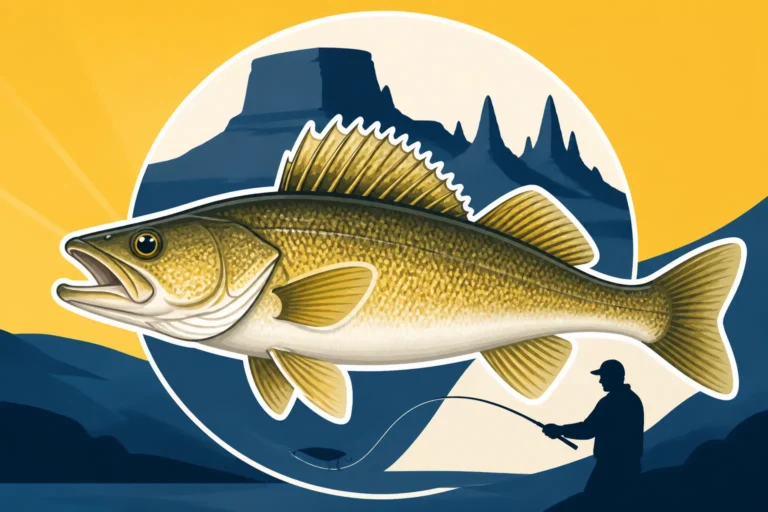
The current South Dakota state record walleye is a truly magnificent specimen, a fish of a lifetime that weighed an astonishing 16 pounds, 2 ounces. This incredible fish was caught way back in 1979 by an angler named Apostolos "Paul" Christopolis on Lake Sharpe, specifically near the Fort George area. Imagine the excitement and disbelief on that day! It's a weight that has stood for decades, testament to the rarity and sheer size of that particular walleye. It wasn't just heavy; it measured 32 inches long with a girth of 22 inches, a true football of a fish. For perspective, most anglers are thrilled to catch a walleye half that size, let alone one that pushes into the double-digit weight class.
The fact that this record has stood for so long often sparks conversations among seasoned anglers. Many wonder if there's an even bigger fish out there, lurking in the depths of our vast reservoirs like Lake Oahe or Lake Sharpe. The truth is, while many huge walleye are caught each year, breaking a record that has held for so many decades is an extraordinary feat that requires immense luck, skill, and being in the right place at the perfect time. This record serves as both an inspiration and a challenge to every angler who casts a line into South Dakota waters.
Why This Record Stands Out
A 16-pound, 2-ounce walleye is not merely a big fish; it’s an anomaly. Walleye are known for their delicious fillets and fighting spirit, but they don't typically grow to such gargantuan sizes. Many factors have to align perfectly for a walleye to reach that kind of weight: exceptional genetics, an abundant food supply, a long lifespan, and avoiding predators and anglers for years. Lake Sharpe, being a Missouri River reservoir, offers vast expanses of water, diverse forage, and deep channels where fish can thrive and grow old.
The longevity of this record also speaks volumes about the quality of South Dakota's fisheries. It proves that our waters can indeed produce world-class walleye, giving every angler a reason to keep coming back. While breaking this specific record might seem like an impossible dream, it keeps the spirit of the chase alive, inspiring anglers to push their boundaries and explore every nook and cranny of our lakes and rivers. It’s a testament to the healthy ecosystems and the dedicated management of our natural resources, ensuring that trophy fish opportunities remain.
Here's a quick look at the details of this legendary catch:
| Feature | Details |
|---|---|
| Weight | 16 pounds, 2 ounces |
| Length | 32 inches |
| Girth | 22 inches |
| Angler | Apostolos "Paul" Christopolis |
| Location Caught | Lake Sharpe (near Fort George) |
| Date | 1979 |
Beyond the Numbers: Understanding Walleye Growth and Habitat
To truly appreciate the magnitude of South Dakota's state record walleye, it helps to understand the biology of these incredible fish. It's not just about luck; it's about the intricate dance between genetics, environment, and the sheer passage of time that allows a walleye to grow to such colossal proportions.
Factors Influencing Walleye Size
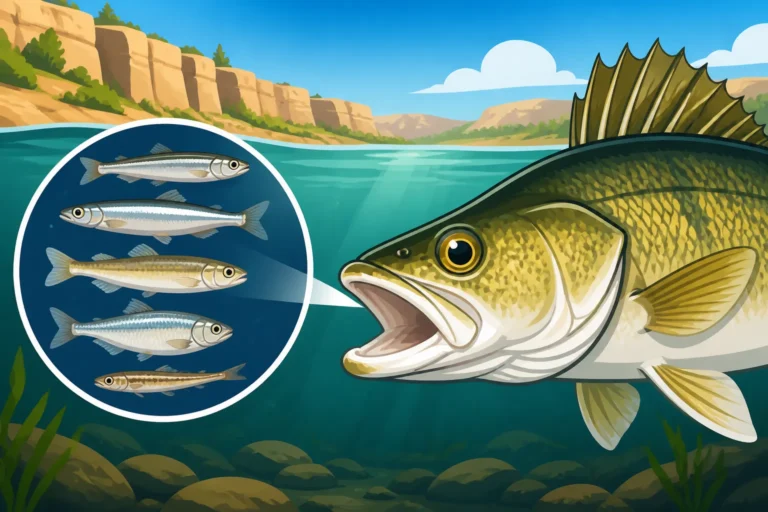
Several critical factors contribute to a walleye reaching trophy size. First and foremost is food availability. In nutrient-rich waters like those found in the Missouri River system, walleye have access to an abundant supply of forage fish, such as gizzard shad, emerald shiners, and smelt. A steady, high-quality diet allows them to pack on pounds rapidly. Secondly, genetics play a huge role; some walleye are simply predisposed to grow larger and live longer than others. Think of it like a natural lottery for growth potential.
Another crucial factor is the lifespan of the fish. Walleye can live for many years, often well over a decade in ideal conditions. The longer a walleye survives without being caught or succumbing to natural mortality, the more time it has to grow. Water temperature, oxygen levels, and overall water quality also contribute significantly to a walleye's health and growth rate. In South Dakota, our large, deep reservoirs provide stable environments that allow these fish to flourish, especially the cooler, oxygenated waters that walleye prefer. You can learn more about South Dakota Walleye Growth Rates on Lake Oahe to understand how these factors apply to specific bodies of water.
Prime Habitats for Trophy Walleye in South Dakota
South Dakota boasts a variety of prime habitats where walleye can reach impressive sizes, with the Missouri River reservoirs often being the top contenders. Lakes Oahe, Sharpe, Francis Case, and Lewis and Clark Lake are vast, deep, and offer diverse structures that big walleye love. These include submerged creek channels, deep points, humps, and extensive flats with baitfish schools. The sheer size of these reservoirs allows for expansive territories where mature walleye can feed and grow relatively undisturbed. Lake Oahe Fishing Guide provides an excellent overview of one of our most prominent walleye factories.
Beyond the Missouri River, the glacial lakes in eastern South Dakota, such as Lake Kampeska, Lake Poinsett, and Bitter Lake, also produce exceptional walleye. While generally shallower, these lakes are incredibly fertile, providing abundant food for walleye to grow plump and healthy. Many anglers find these lakes less intimidating than the vast Missouri River system, making them popular for those seeking a good chance at a large fish. Regardless of the location, understanding the specific depths, structures, and forage patterns for the body of water you're fishing is key to finding those larger fish.
The Quest for Giants: Techniques and Mindset for Trophy Walleye
While catching a state record walleye involves a huge amount of luck, consistently targeting large walleye requires a refined set of skills, patience, and the right approach. It's a commitment to understanding the fish and its environment, going beyond just casting a line.
Targeting Big Walleye: Strategies and Gear
Big walleye are often more solitary and hold to specific, deeper structures compared to their smaller, schooling counterparts. This means your strategies need to adapt. Trolling large crankbaits over deep humps, points, and along old river channels is a highly effective method. Using bigger baits often discourages smaller fish and appeals specifically to the larger, more aggressive walleye looking for a substantial meal. South Dakota Trolling Techniques for Walleye offers detailed insights into this productive method.
Jigging with heavier jigs and larger plastics or live bait (like a substantial minnow or crawler) can also be effective in deeper current areas, especially below dams. For those serious about targeting trophy fish, investing in quality electronics is non-negotiable. A good fish finder with side imaging and detailed mapping can help you locate these subtle structures and the big fish holding to them. Equipping yourself for trophy walleye means having the right gear. Beyond the rod and reel, think about high-quality line, a variety of proven lures, and even a reliable fish finder. Browsing options and reviews on a site like Amazon can help you narrow down the vast selection and find tackle that's right for South Dakota's waters, whether you're targeting big fish on Lake Oahe or the glacial lakes.
The Importance of Patience and Persistence
Chasing a state record, or even just a personal best trophy walleye, is not for the faint of heart. It requires an incredible amount of patience and persistence. You might spend countless hours on the water, meticulously working through different spots and techniques, only to come up empty-handed. That's part of the game. Big fish didn't get big by being easy to catch. They're often wary, smart, and experienced. It's about putting in the time, paying attention to details, and learning from every outing, even the unsuccessful ones.
Many successful trophy anglers will tell you that consistency is key. They don't just fish on perfect weather days; they go out when conditions are tough, learning how the fish react to changes in weather, water levels, and bait movements. They also understand that the "best time of year" for walleye can vary greatly. Learning Best Time of Year to Fish in South Dakota for various species and locations can help, but true success often comes from adapting to the immediate conditions. Don't be discouraged by slow days; embrace them as learning opportunities that bring you closer to that dream catch.
Making it Official: Recording and Reporting a Potential State Record
So, you've done it. You've battled a monster walleye, brought it to the boat, and it looks like a legitimate contender for the state record. Now what? The moments immediately following such a catch are critical for ensuring your potential record can be officially verified.
Immediate Steps After a Potential Record Catch
The first and most important step is to keep the fish alive and healthy if possible, especially if you plan to release it after weighing and measuring. However, for a state record, the fish usually needs to be handled carefully. Your priority is to get an accurate weight on a certified scale. This is not the time for your bathroom scale or an uncalibrated hand scale. Head immediately to a local bait shop, tackle store, or official weigh station that has a certified scale. Many reputable, game-changing digital scales can be found on platforms like Amazon, but ensure it's certified for accuracy – this isn't the time for guesswork! It's also vital to have witnesses to the weighing process.
While the fish is being weighed, take precise measurements of its length (from the tip of the snout to the end of the tail) and girth (around the thickest part of the body). Take clear photographs from multiple angles, showing the entire fish, the scale reading, and yourself with the fish. These details are crucial for verification. Make sure you know the exact location where the fish was caught. Remembering South Dakota Fish Limits and Size Restrictions is always important, but when you're dealing with a potential record, every detail matters.
Navigating the Official Verification Process
Once you have the preliminary weight, measurements, photos, and witness statements, you'll need to contact the South Dakota Game, Fish and Parks (GFP). They have a specific process for verifying state record fish. This typically involves submitting an application with all your documented evidence. A GFP biologist or official will review your claim, potentially inspect the fish (if it was harvested), and verify the details. They might even ask for additional information or clarification.
The verification process is thorough because a state record is a significant achievement, and accuracy is paramount. Don't be surprised if it takes some time; they want to ensure every record is legitimate. Understanding the South Dakota Fishing License Guide is fundamental to even be on the water, but knowing the specific steps for reporting a record is an entirely different level of detail. It’s a moment of immense pride for any angler, and knowing that your name could be etched into South Dakota's angling history alongside the legendary 16-pound, 2-ounce walleye is a truly unforgettable prospect. Keep learning, keep casting, and who knows, that next bite could be the one!
Disclaimer
This article is for general informational purposes only and does not constitute professional advice. Laws, prices and regulations vary by location and change over time. Consult a qualified professional for guidance on your specific situation.