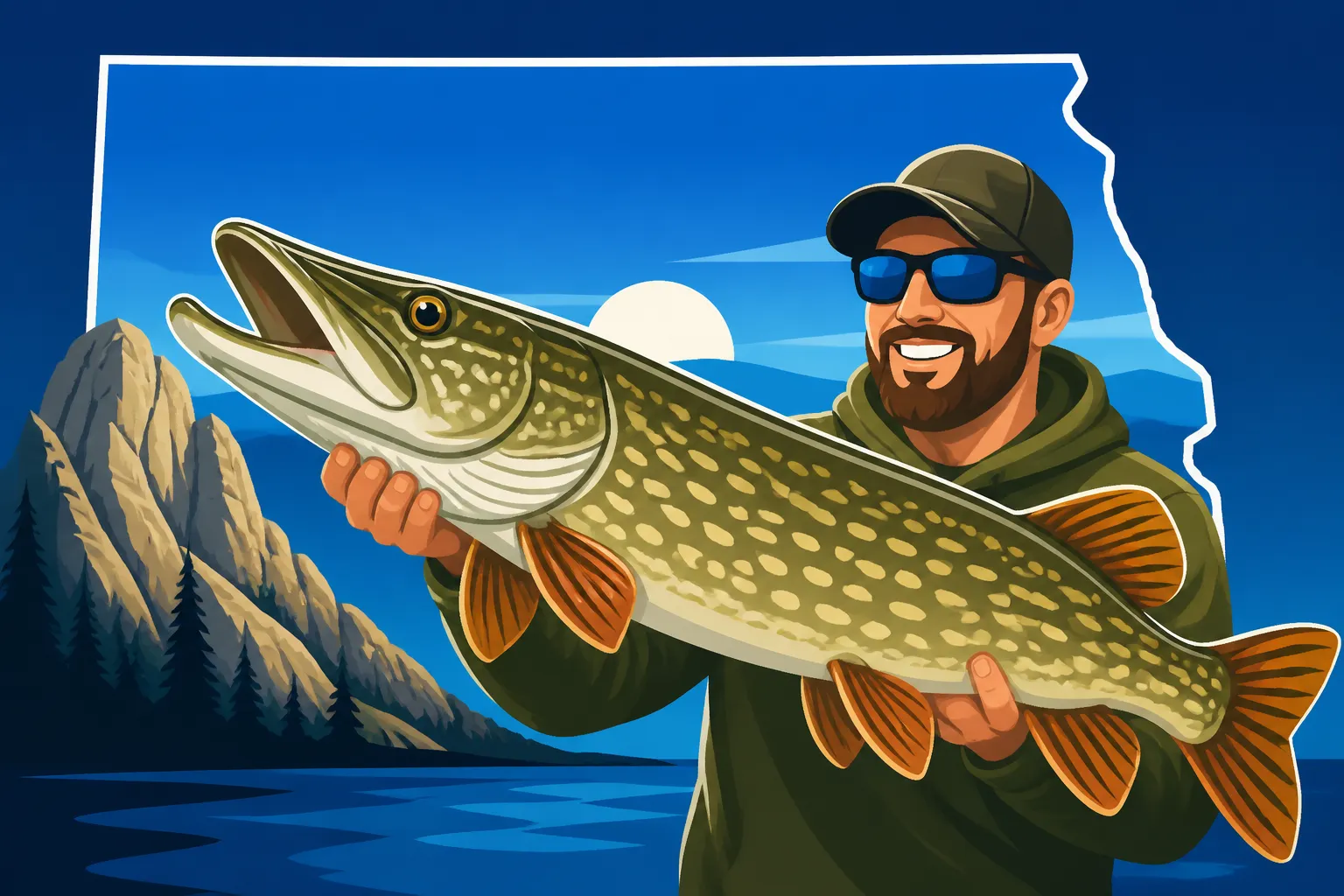
South Dakota State Record Northern Pike Weight
Every angler dreams of that one, undeniable, jaw-dropping catch – the kind of fish that puts a permanent bend in your rod and a story in your heart for years to come. In South Dakota, when we talk about true freshwater monsters, the northern pike often comes to mind. There’s a special thrill in pursuing these toothy predators, and it naturally leads to wondering just how big they can get. This guide is all about that ultimate quest, focusing on the impressive South Dakota state record for northern pike and what makes these colossal fish such a prized pursuit.
The Legendary South Dakota State Record Northern Pike Weight
When you're out on the water, whether you're casting into the vastness of Lake Oahe or jigging on a glacial lake, there’s always that little voice in your head wondering if this could be the cast. Could this be the fish that redefines what’s possible? For northern pike anglers in South Dakota, that ultimate benchmark is set by an incredible catch that has held the state record for many years.
The official South Dakota state record for northern pike stands at an astonishing 40 pounds, 0 ounces. This colossal fish was caught back in 1993 from Lake Oahe, a true testament to the incredible fishery that South Dakota offers. Imagine reeling in a fish of that magnitude – a true leviathan of the freshwater world. It's not just a fish; it's a living legend, and it serves as a powerful reminder of the potential that lies beneath our waters. Catching a pike of this size isn't just about skill; it's about being in the right place at the right time, and often, a whole lot of luck. It's the kind of moment that forever changes an angler's perspective, proving that some fish truly are bigger than life.
What Makes a Trophy Northern Pike in South Dakota?
When we talk about a "trophy" northern pike, we're not just talking about any fish. We're talking about those giants that stand out from the rest, the ones that make your heart pound when they hit your lure. While the state record is the absolute pinnacle, there are many fish caught each year that would make any angler proud.
Defining "Trophy" Size for South Dakota Pike
So, what exactly constitutes a trophy northern pike here in South Dakota? While every angler might have their own personal definition, generally, a pike hitting the 15-pound mark or stretching over 35 inches is considered a fantastic catch. Anything over 20 pounds is truly exceptional, and pushing past 25 or 30 pounds puts you into the realm of truly rare, special fish. These aren't your average "hammer handles" – the smaller, more common pike that are still a blast to catch but don't hold the same bragging rights. The sheer power and fight of a larger pike are something to behold, making them one of the most exciting species to target. They are true apex predators, and their size often reflects years of successful hunting and growth in nutrient-rich waters.
Factors Influencing Pike Growth and Longevity
Northern pike are known for their voracious appetites and rapid growth, especially in waters with abundant forage. Their growth is heavily influenced by several key factors:
- Food Availability: A rich supply of smaller baitfish like ciscoes, smelt, perch, and even smaller walleye can fuel incredible growth. Lakes and reservoirs with a healthy baitfish population tend to produce bigger, fatter pike. Lake Oahe, for instance, is a massive reservoir with a diverse forage base, which is why it's historically been a hotbed for large pike, including the state record.
- Water Quality and Habitat: Clean, well-oxygenated water with plenty of diverse habitat (like weed beds, submerged timber, and rocky points) provides both hunting grounds and refuge for pike, allowing them to thrive and grow old. A healthy ecosystem is crucial for supporting these large predators.
- Genetics: Just like anything in nature, some pike simply have the genetic predisposition to grow larger and live longer than others. While you can't control genetics, you can fish in areas known for producing large specimens, increasing your odds.
- Fishing Pressure: Waters with lower fishing pressure on pike, or those with catch-and-release practices for larger fish, often allow more pike to reach mature, trophy sizes.
The combination of these factors creates the perfect storm for growing massive pike, turning ordinary waterways into potential trophy hunting grounds.
South Dakota's Legendary Pike Waters
When you're chasing that dream fish, knowing where to cast your line is half the battle. South Dakota is blessed with an abundance of diverse fishing waters, and several stand out as prime locations for big northern pike.
Prime Lake Systems and Habitat Hotspots
While pike can be found in many waters across the state, some areas are renowned for their ability to produce true giants. The Missouri River reservoirs, particularly Lake Oahe Fishing Guide and Lake Sharpe Fishing Guide, are legendary. These massive bodies of water offer vast expanses, deep channels, and diverse structures that allow pike to grow to immense sizes.
- Lake Oahe: This immense reservoir stretching over 200 miles is arguably the state's best big pike factory. Its vastness, deep water, and abundant forage base (like smelt and ciscoes) provide everything a pike needs to grow huge. Look for pike in Oahe near major creek arms, large bays with submerged timber, and along deep breaks where baitfish congregate.
- Lake Sharpe: Downstream from Oahe, Lake Sharpe also holds impressive pike populations, particularly in its shallower, marshier sections and around the many islands and submerged structures.
- Glacial Lakes: In eastern South Dakota, many of the glacial lakes offer fantastic pike fishing. Lakes like Lake Kampeska Fishing Guide, Bitter Lake Fishing Guide, and Lake Poinsett are known for producing good numbers of pike, often including some true monsters, especially in areas with extensive weed beds and shallow bays. These lakes often freeze over, providing excellent South Dakota Ice Fishing Guide opportunities for pike.
- Other Notable Waters: Don't overlook smaller, less-pressured lakes or specific areas of larger lakes. Often, a healthy population of panfish or stunted perch can lead to rapid growth in pike that predate on them. For more specific locations, check out Where to Fish for Northern Pike in South Dakota.
Pike are ambush predators, meaning they love to hide and wait for their prey. This makes certain types of habitat prime real estate:
- Weed Beds: Dense aquatic vegetation offers perfect cover for pike to hide and launch surprise attacks. Focusing on the edges, pockets, and points of large weed beds can be incredibly productive.
- Drop-offs and Ledges: Where shallow water quickly transitions to deep water, baitfish often congregate, and pike will patrol these edges.
- Submerged Timber and Rock Piles: Any form of underwater structure provides ambush points and cover, especially in clearer waters.
- Feeder Creeks and River Mouths: During certain times of the year, particularly spring and fall, pike will move into these areas to spawn or follow baitfish migrations.
Understanding these preferred habitats is key to successfully locating and catching trophy-sized northern pike.
Strategies for Hooking a State Record Contender
Chasing a 40-pound northern pike is no small feat. It requires dedication, the right gear, and a solid understanding of pike behavior. You're not just fishing; you're hunting.
Gearing Up for Giants
When you're targeting fish that can weigh as much as a small child and have a mouth full of razor-sharp teeth, your equipment needs to be up to the task. Skimping on gear here is a recipe for heartbreak.
- Heavy Rods and Reels: Forget your ultralight panfish setups. You'll want a heavy-action rod, typically 7 to 9 feet long, paired with a robust baitcasting or spinning reel capable of holding a lot of heavy line. Many anglers find excellent options for durable rods and reels on Amazon that are specifically designed for musky or heavy pike fishing.
- Strong Line and Leaders: Spool up with at least 50-80 pound braided line. Braided line offers incredible strength and sensitivity. More importantly, you must use a heavy-duty leader. Pike teeth will sever monofilament or fluorocarbon in an instant. A 60-100 pound fluorocarbon leader (at least 18-24 inches long) or a heavy wire leader is essential. Stainless steel or titanium leaders are common choices.
- Big Lures and Bait: Trophy pike aren't interested in tiny snacks. Think big.
- Large Crankbaits and Jerkbaits: Baits ranging from 6 to 12 inches or more, often with aggressive swimming actions, can draw strikes from big pike. Colors vary, but natural baitfish patterns or bright, flashy colors often work well.
- Swimbaits: Large soft plastic swimbaits, often weighted, can be retrieved to mimic a struggling baitfish.
- Spinnerbaits and Bucktails: These classic lures produce a lot of flash and vibration, often irresistible to aggressive pike.
- Live Bait: Where legal, large live bait such as suckers, ciscos, or even large shiners can be incredibly effective, fished under a bobber or on a quick-strike rig. Remember to always check South Dakota Fishing Regulations Explained for bait restrictions.
When building your arsenal, it's a good idea to research what's working for other anglers in specific South Dakota waters. A visit to a local bait shop or a browse on Amazon for "musky pike lures" can give you a great starting point for stocking your tackle box. Don't forget heavy-duty pliers and jaw spreaders for safe hook removal, easily found on Amazon.
Proven Techniques for Luring Monster Pike
Beyond the gear, the method matters. Trophy pike often require different approaches than smaller fish.
- Trolling: Covering large areas, especially in vast reservoirs like Lake Oahe, is often best done by trolling. Using large crankbaits, spoons, or even live bait rigs at varying depths can help you locate active fish. Experiment with trolling speeds and depths to find the pike's preferred zone. For specific techniques, consider looking into Trolling for Walleye on Lake Oahe as many trolling principles can be adapted for pike.
- Casting Large Baits: In areas with distinct structure like weed lines, rock piles, or submerged timber, casting and retrieving large swimbaits, jerkbaits, or spinnerbaits is highly effective. Focus on those ambush points where a big pike might be lurking. A slow, methodical retrieve with pauses can often trigger a strike. For more specific casting strategies, Northern Pike Fishing Techniques for Weed Lines offers excellent insights.
- Ice Fishing with Tip-Ups: During the winter months, when South Dakota's lakes are locked under ice, tip-ups rigged with large dead or live bait (where permitted) are a top tactic for big pike. Spreading out your tip-ups across a large flat or along a break line can increase your chances significantly. Remember to be prepared for the cold; essential South Dakota Ice Fishing Gear Guide can be invaluable.
- Patience and Persistence: More than anything, chasing trophy pike requires a boatload of patience. These fish are not always easy to find or convince to bite. You might go hours without a strike, only to have a monster blow up on your lure when you least expect it. Persistence, and the belief that the next cast could be the one, is what keeps trophy anglers going.
Table: Average vs. Trophy Northern Pike Characteristics
To give you a better idea of what distinguishes a "good" pike from a "trophy" pike in South Dakota, here's a quick comparison:
| Characteristic | "Hammer Handle" Pike | "Good" Catch Pike | "Trophy" Pike | State Record Pike |
|---|---|---|---|---|
| Length (inches) | 18-26 | 27-34 | 35-42 | 45+ |
| Weight (pounds) | 1-4 | 5-9 | 10-20 | 40 pounds, 0 ounces |
| Age (years) | 1-3 | 4-7 | 8-12+ | 15+ |
| Fight Intensity | Aggressive, quick | Strong, determined | Powerful, long runs | Unforgettable, brutal |
| Common Lures | Spoons, smaller crankbaits | Medium crankbaits, spinnerbaits | Large jerkbaits, swimbaits, live bait | Large live bait, specialized lures |
| Rarity | Very common | Common | Less common | Extremely rare |
This table provides a general guideline. Remember, even a "good" catch pike is a fantastic fish to land and provides an exciting fight!
Respecting the Resource: Catch, Photo, Release
Landing a truly enormous northern pike is a moment you'll never forget. But with such a magnificent catch comes a responsibility to the fish and the future of the fishery. Many anglers choose to release these large, mature pike.
Handling Large Pike for a Successful Release
Large pike are powerful animals, and their safety, as well as yours, is paramount during handling.
- Minimize Time Out of Water: The longer a fish is out of the water, the more stress it experiences. Get your photos quickly and efficiently.
- Proper Gripping: Avoid grabbing large pike by the gills. Instead, use a jaw-spreader and sturdy pliers to remove hooks, or if you must handle the fish, support its belly with one hand while gripping its jaw with the other (being mindful of teeth). A good Best Net Size for Landing Northern Pike can also make landing and handling easier.
- Tool Up: Keep long-nose pliers, jaw spreaders, and heavy-duty side cutters (for cutting hooks if necessary) easily accessible. Investing in a good pair of fishing gloves is also a wise idea to protect your hands from those sharp teeth.
- Reviving the Fish: If the fight was long, the fish might be exhausted. Hold it gently in the water, supporting its belly, and allow water to flow over its gills until it's strong enough to swim away on its own. You'll know it's ready when it can hold itself upright and tries to pull away from your grasp.
Releasing these big breeders ensures they can continue to spawn and contribute to the next generation of trophy pike in South Dakota's waters.
Documenting Your Catch (and What Not To Do)
If you're lucky enough to catch a fish that approaches state record status, accurate documentation is crucial.
- Certified Scale: For an official record, the fish must be weighed on a certified scale, usually at a local tackle shop or grocery store. This often means getting the fish to a verification site quickly and carefully.
- Clear Photos: Take multiple clear photographs from different angles, including a side shot, a photo with a ruler for length, and a photo showing the fish being held properly. These images are invaluable for both personal memories and potential recognition.
- Measurements: Get accurate length and girth measurements. Even if you don't break the state record, these measurements are key for any South Dakota Trophy Fish Award Program applications. Many anglers carry a foldable measuring board, easily stowed in the boat or kayak.
- Don't Rush: While you want to minimize the fish's time out of water, don't rush the documentation process to the point of error. A few extra seconds for an accurate measurement is better than a blurry photo or an estimated weight.
Remember, the thrill of the catch isn't just about the numbers; it's about the experience, the challenge, and the connection to nature. Chasing the South Dakota state record northern pike is an ambitious goal, but with the right knowledge, gear, and respect for the resource, you might just find yourself holding a fish of a lifetime. Happy fishing!
Disclaimer
This article is for general informational purposes only and does not constitute professional advice. Laws, prices and regulations vary by location and change over time. Consult a qualified professional for guidance on your specific situation.