South Dakota State Record Smallmouth Bass Weight
There’s nothing quite like the heart-pounding fight of a smallmouth bass, especially when you feel that tell-tale tug that signals something truly special is on the other end of your line. For many anglers, the dream isn't just about catching fish, but about pursuing that once-in-a-lifetime lunker, the kind of fish that puts your skills and gear to the ultimate test. If you've ever wondered about the biggest smallmouth bass ever pulled from South Dakota's waters, you're in the right place. This guide will dive deep into the state record, where these giants live, and how you might just land your own trophy.
The Thrill of a Record Smallmouth Bass in South Dakota
The pursuit of a state record fish is a unique and incredibly exciting challenge. It's not just about luck; it's about understanding the species, knowing their habitat, employing the right techniques, and having a bit of angling magic on your side. For smallmouth bass anglers in South Dakota, the dream of hooking a true monster is a powerful motivator.
Chasing the Dream: Why Anglers Target Trophy Smallmouth
Smallmouth bass are, without a doubt, one of the most beloved sportfish in North America, and South Dakota offers some fantastic opportunities to pursue them. Their aggressive strikes, acrobatic jumps, and sheer fighting power make them an absolute blast to catch, whether you're a seasoned pro or just starting out. But it's those elusive, truly massive smallmouth – often referred to as "bronze backs" or "brown fish" – that capture the imagination. Anglers dedicate countless hours to studying patterns, water temperatures, and baitfish movements, all for the chance to feel that unforgettable thud of a giant smallmouth inhaling their lure. The allure isn't just the size, but the incredible strength these fish exhibit. They'll pull drag, jump clear out of the water, and dive for structure, demanding every ounce of your skill to bring them to the net. It’s a testament to patience, persistence, and passion.
Unveiling the Current State Record for Smallmouth Bass
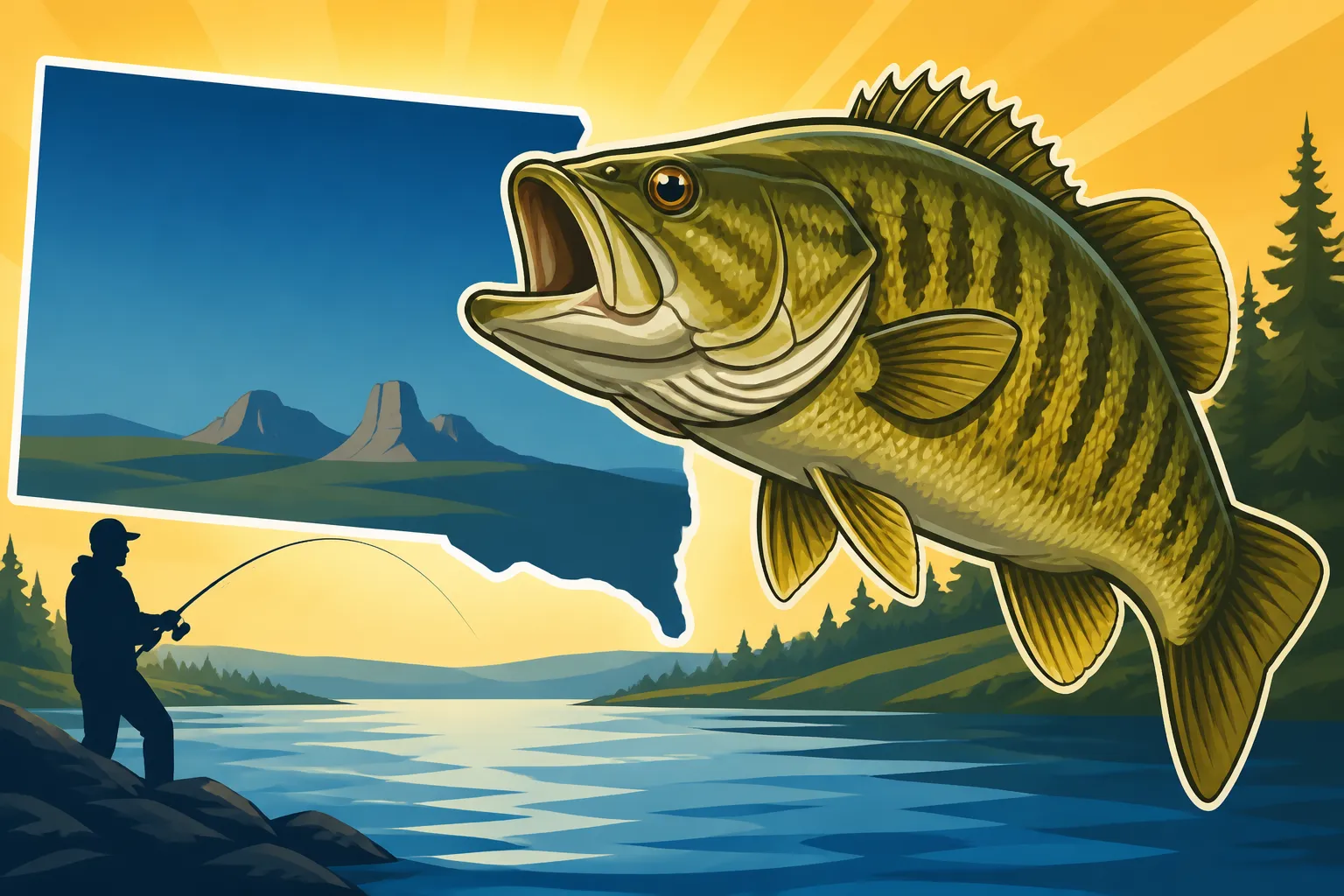
So, let's get right to it: what is the benchmark for smallmouth bass in South Dakota? The current state record for smallmouth bass is an absolutely incredible fish, a true giant weighing in at 7 pounds, 3 ounces. Imagine that! It was caught in the clear, rocky waters of Lake Francis Case, a testament to the incredible fishery that exists within South Dakota's stretch of the Missouri River. While I don't have the exact year or angler's name at my fingertips, rest assured that this is a fish that has stood the test of time, setting a high bar for anyone hoping to etch their name in the record books. This isn't just a big fish; it's a monumental achievement that showcases the potential for colossal smallmouth that exists in our state's waters. Catching a fish of this caliber requires not only exceptional skill but also being in the right place at the right time, with a bit of luck and the perfect presentation.
Where South Dakota's Giant Smallmouth Bass Lurk
South Dakota might be best known for its walleye, but don't let that fool you—our waters hold some truly world-class smallmouth bass fishing, especially for those chasing giants. Knowing where to look is half the battle when you're targeting fish capable of challenging state records.
Prime Waters for Trophy Smallmouth
When it comes to trophy smallmouth bass, certain bodies of water in South Dakota consistently produce bigger fish. The undisputed king for trophy smallmouth is often considered to be Lake Francis Case. This massive reservoir, part of the Missouri River system, offers an ideal blend of rocky structure, abundant forage, and clear water that smallmouth thrive in. Anglers frequently report catching smallmouth exceeding four or five pounds here, and it's where the current state record was landed. Another fantastic option is Lake Sharpe Smallmouth Bass Near Big Bend Dam. This stretch of the Missouri River also boasts excellent rocky habitat and a healthy population of smallmouth that grow to impressive sizes.
Beyond the main stem Missouri River reservoirs, some of the glacial lakes in eastern South Dakota can also surprise anglers with robust smallmouth populations, particularly those with plenty of rocky points, gravel bars, and clear water. Think about areas with distinct topographical features that mimic riverine environments. These larger bodies of water provide the necessary space, depth, and forage to allow smallmouth to grow to exceptional sizes, often reaching ages where they become true monsters. If you're looking for more general guidance, check out our South Dakota Smallmouth Bass Fishing Guide.
Understanding Smallmouth Bass Habitat for Success
To consistently find and catch big smallmouth, you need to understand their preferred living conditions. Trophy smallmouth are creatures of structure and current, or at least current-influenced environments. In lakes and reservoirs, they gravitate towards:
- Rocky Points and Ledges: These are classic smallmouth haunts. The rocks provide ambush points for baitfish and offer shelter from strong currents or bright sunlight. Look for points that drop off sharply into deeper water.
- Riprap: Man-made rock structures along shorelines, especially near bridges, dams, and causeways, are magnets for smallmouth. The broken rock creates countless nooks and crannies for crayfish and baitfish, which are primary food sources for smallmouth.
- Submerged Humps and Islands: Offshore structures that rise from the bottom often hold schools of baitfish and, consequently, large smallmouth. These areas can be harder to find but are often less pressured.
- Transition Areas: Where different types of bottom meet—like rock transitioning to sand or gravel transitioning to mud—can be productive spots. Smallmouth often patrol these edges.
Clear water is also a key factor. While smallmouth can tolerate some turbidity, they generally prefer clearer conditions where they can use their eyesight to hunt effectively. This is why many of the best smallmouth lakes are also known for their clarity. Targeting these specific habitats, especially when coupled with knowledge of Smallmouth Bass Fishing Techniques for Rocky Shorelines, can significantly increase your chances of hooking into a trophy-sized smallmouth.
Techniques and Tactics for Landing a Lunker Smallmouth
Landing a record-sized smallmouth isn't just about being in the right spot; it's about presenting the right bait with the right gear. These fish are powerful and cunning, so your equipment and technique need to be on point.
Gear Up for Battle: Rods, Reels, and Line
When you're targeting big smallmouth, undergunning yourself is a recipe for heartbreak. You need gear that can handle the explosive runs and head shakes of a powerful fish.
- Rods: A medium-heavy to heavy power spinning or baitcasting rod, typically 6'6" to 7'6" in length, with a fast or extra-fast action, is ideal. The fast action provides the sensitivity to detect subtle bites and the backbone to drive hooks home. For specific recommendations, our Best Baitcasting Reels for Smallmouth Bass guide offers some great insights. You can find a fantastic selection of these specialized rods on Amazon, with options from popular brands like St. Croix, G. Loomis, and Fenwick, often at competitive prices with detailed reviews to help you choose.
- Reels: Pair your rod with a high-quality spinning reel in the 2500-3000 size range or a sturdy baitcasting reel with a smooth drag system. The drag is crucial; it needs to be able to smoothly give line under pressure to prevent break-offs without allowing the fish to run into heavy cover.
- Line: For main line, consider 10-15 pound braided line, which offers incredible strength, sensitivity, and casting distance. Pair this with a fluorocarbon leader of 8-12 pounds. Fluorocarbon is nearly invisible underwater, providing a stealthy presentation, and its abrasion resistance is invaluable when fishing around sharp rocks and other smallmouth-holding structure.
Remember, every component of your setup needs to work together to give you the best chance against a true lunker. Investing in quality gear isn't just about performance; it's about confidence when that big fish finally bites.
Baits and Presentations for Trophy Smallmouth
Smallmouth bass are opportunistic predators, but specific lures and presentations tend to excel when targeting the biggest fish. It's often about mimicking their primary forage and presenting it in a way that triggers an aggressive strike.
- Jerkbaits: These lures are absolutely deadly for smallmouth, especially in cooler water conditions during spring and fall. Brands like Rapala, Lucky Craft, and Megabass make excellent jerkbaits. Work them with a "twitch-twitch-pause" retrieve, letting the lure suspend tantalizingly in the water column. This erratic action often triggers predatory instincts. Pre-Spawn Bass Fishing Techniques frequently involve jerkbaits, as they can draw strikes from lethargic but hungry fish.
- Tube Jigs: Soft plastic tubes, often rigged with an internal jig head, are phenomenal for mimicking crayfish, a major smallmouth food source. Cast them to rocky bottoms, let them sink, and then slowly drag and hop them along the bottom. The subtle action is incredibly effective.
- Drop-Shot Rigs: When smallmouth are holding deep or are particularly finicky, a drop-shot rig can be the answer. This setup keeps your bait (often a small soft plastic minnow or worm) suspended above a weight on the bottom, allowing for very subtle presentations right in the fish's face. This is a common tactic for Deep Water Summer Fishing Techniques.
- Crankbaits and Spinnerbaits: Shallow-diving crankbaits that deflect off rocks, or spinnerbaits with thumping blades, can be excellent search baits, especially in areas with moderate current or slightly stained water. They elicit reaction strikes and can cover water quickly to locate active fish.
- Topwater Lures: There's nothing more exciting than a topwater explosion! Poppers, walking baits, and prop baits can be incredible during low-light conditions or on calm summer evenings. The key is to work them slowly and erratically to entice a strike. You can find a vast array of these effective lures on Amazon, often bundled in convenient kits, making it easy to stock your tackle box.
Experimentation is key, but focusing on these tried-and-true smallmouth presentations will significantly improve your chances of connecting with a record-class fish. Pay attention to what the fish are telling you on any given day.
The Science Behind South Dakota's Smallmouth Growth
Ever wonder why some lakes consistently produce bigger fish than others, or how a smallmouth bass can get to be over seven pounds? It's not just random chance; there's a fascinating blend of environmental factors and management strategies at play.
Factors Contributing to Record-Sized Smallmouth
The journey of a smallmouth bass from a tiny fry to a state record contender is a complex one, influenced by several critical factors:
- Abundant Forage Base: This is arguably the most crucial element. Lakes like Francis Case, with its vast populations of gizzard shad, emerald shiners, and crayfish, provide an endless buffet for growing smallmouth. The more high-protein food available, the faster and larger these fish can grow. A lack of competition for food also plays a role, allowing individual fish to maximize their intake.
- Ideal Water Conditions: Smallmouth prefer cooler, clear water, and the Missouri River reservoirs generally provide this. Stable water temperatures (not too hot, not too cold for too long) allow for consistent feeding and growth throughout much of the year. Good water quality, free from excessive pollution, ensures a healthy ecosystem where fish can thrive.
- Habitat Diversity and Structure: As discussed earlier, complex environments with a mix of rock, gravel, and submerged cover offer not only shelter but also prime ambush points for hunting. The more varied the habitat, the more effectively smallmouth can find food and avoid predators, leading to higher survival rates and prolonged growth.
- Age and Genetics: Simply put, it takes time for a smallmouth to reach record size. A seven-pound bass in South Dakota is likely many years old, having survived numerous spawning cycles and predatory threats. Genetically, some fish may also possess a predisposition for faster growth or larger ultimate size, though this is harder to quantify in wild populations. You can often see the difference in South Dakota Smallmouth Bass Record Sizes when comparing them to average catches.
Conservation and Management Efforts
The health of South Dakota's smallmouth bass populations doesn't just happen by accident. The South Dakota Department of Game, Fish and Parks (GFP) plays a vital role in managing these fisheries to ensure their sustainability and promote the growth of trophy fish.
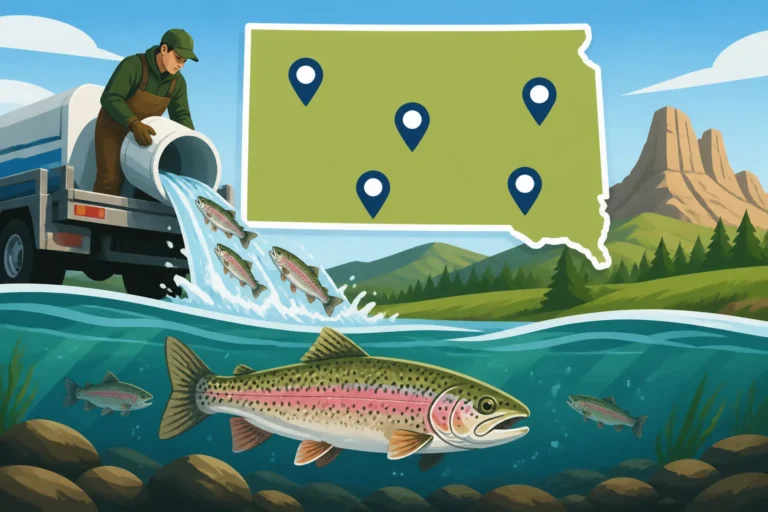
- Stocking Programs: While smallmouth bass often reproduce naturally in the reservoirs, targeted stocking can supplement populations, introduce new genetic material, or help establish fisheries in new areas.
- Size and Bag Limits: Regulations like minimum length limits and daily bag limits are designed to protect younger fish, allowing them to mature and spawn, and to protect larger, trophy-sized fish, giving them a chance to grow even bigger. For example, specific size restrictions ensure that only fish above a certain length can be kept, preserving the breeding stock and older, larger individuals. It's always a good idea to consult the South Dakota Fish Limits and Size Restrictions before heading out.
- Habitat Protection: Efforts to maintain water quality and protect critical shoreline and aquatic habitats are crucial. This includes managing erosion, controlling invasive species, and ensuring water levels in reservoirs are conducive to fish health.
- Research and Monitoring: The GFP regularly conducts surveys, collects data on fish populations, and studies growth rates, diet, and spawning success. This scientific approach informs management decisions, allowing them to adapt regulations and strategies to optimize the fishery for both quantity and quality. These efforts ensure that future generations of anglers will also have the chance to chase their own record smallmouth.
Weighing and Documenting Your Potential Record Bass
So, you've done it. You've battled a true behemoth of a smallmouth, and it looks like it might be a state record. Now what? The process of officially documenting a record catch is precise, and getting it right is crucial.
The Importance of Accurate Measurement and Verification
Landing a fish that feels like a record is exhilarating, but the next steps are critical for official recognition. There's nothing worse than catching what you think is a record only to find out you didn't follow the proper protocol.
- Certified Scale is a Must: You absolutely need a certified scale. This isn't your average kitchen scale or even a high-quality personal fishing scale. Official state records require weights from scales that have been certified by a government agency for accuracy, often found at bait shops, tackle stores, or local co-ops. These scales are regularly calibrated to ensure precise measurements. If you're on the water and land a potential record, keep the fish alive in a livewell or release it quickly if you don't intend to keep it, and then head straight to the nearest certified weigh station. Time is of the essence, as fish can lose weight after being caught. If you're looking for a reliable, but perhaps not certified, scale for personal use on the water, you can find a variety of highly-rated digital scales on Amazon to get an initial measurement.
- Witnesses: Having one or more witnesses who can attest to the catch and the weighing process adds credibility. These witnesses should not be family members, if possible, and should be present during the entire weighing procedure.
- Photographs: Document your catch thoroughly with clear, high-resolution photographs. Get multiple angles: a shot of you holding the fish, a shot of the fish on the scale with the weight clearly visible, and a shot with a measuring tape beside the fish to show its length and girth. These photos are vital for verification.
- Species Identification: Be absolutely certain of the species. Smallmouth bass can sometimes be confused with largemouth bass or even spotted bass in other regions. Familiarize yourself with the key identification characteristics of a smallmouth: typically, a jaw that does not extend past the eye, vertical bars or blotches on its sides, and red eyes.
Taking these steps diligently can mean the difference between having your name in the record books and having just a great fishing story.
South Dakota's Trophy Fish Award Program
Even if your smallmouth doesn't quite tip the scales to break the state record, South Dakota recognizes exceptional catches through its South Dakota Trophy Fish Award Program. This program celebrates anglers who land fish of significant size, offering a way to commemorate your achievement.
The Trophy Fish Award Program typically has minimum weight or length requirements for various species, including smallmouth bass. For example, a smallmouth might need to meet a certain length or weight threshold to qualify for a "Master Angler" certificate. This is a fantastic way to acknowledge your skill and the quality of the fish without the intense scrutiny required for a state record.
To apply, you usually need to:
- Catch a fish that meets or exceeds the minimum size requirements for smallmouth bass.
- Take a clear photo of the fish.
- Have the fish measured and weighed (though a certified scale might not be strictly required for all award tiers, it's always best practice).
- Submit an application form with all the details, usually found on the South Dakota Game, Fish and Parks website.
Participating in the Trophy Fish Award Program is a wonderful way to celebrate a truly memorable catch, and it encourages ethical angling practices. It's also a great way to inspire other anglers and showcase the incredible fishing opportunities available in South Dakota. You can find detailed information on How to Qualify for a South Dakota Master Angler Award directly from the GFP.
| Feature | Typical Smallmouth Bass Habitat | Key Lures for Trophy Smallmouth | Essential Gear Components |
|---|---|---|---|
| Location | Rocky points, riprap, submerged humps, clear water | Jerkbaits, Tube Jigs, Drop-Shot Rigs, Crankbaits, Topwater | Med-Heavy Rod, Smooth Drag Reel, Braided/Fluoro Line |
| Forage | Crayfish, shad, shiners, minnows | Mimic baitfish and crayfish profiles | Strong Hooks, Abrasion-Resistant Leader |
| Best Conditions | Cooler water (spring/fall), stable weather, moderate current | Versatile presentations for varying depths | Accurate Scale, Camera, Net |
| Record Potential | Large Missouri River reservoirs (e.g., Lake Francis Case) | Presentations that target larger, often older fish | Reliable Boat/Kayaks with electronics |
Disclaimer
This article is for general informational purposes only and does not constitute professional advice. Laws, prices and regulations vary by location and change over time. Consult a qualified professional for guidance on your specific situation.