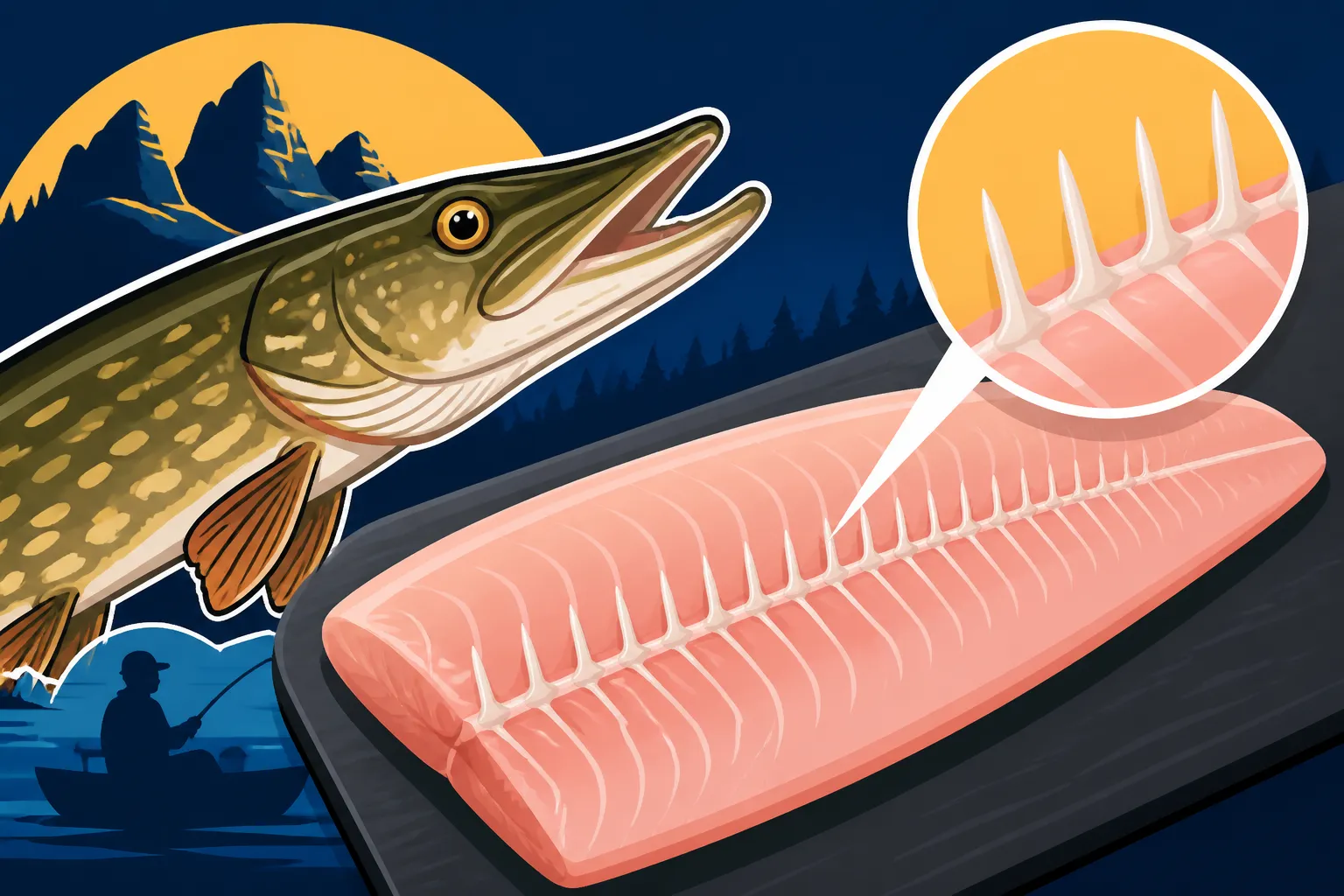
How Many Bones Are in a Northern Pike Fillet
It's a familiar groan among South Dakota anglers: you’ve landed a beautiful Northern Pike, a true fighter, and then the thought crosses your mind – "Oh no, the bones." Many folks are intimidated by the idea of filleting a pike because of its infamous Y-bones, fearing a plate full of tiny, annoying spines instead of delicious fish. This guide is here to demystify the Northern Pike's skeletal structure and equip you with the knowledge and techniques to turn even the boniest pike into mouth-watering, boneless fillets, ensuring your hard-earned catch doesn't go to waste.
The Truth About Northern Pike Bones: It's All About the "Y"
When anglers talk about the "bones" in a Northern Pike fillet, they're not usually referring to the backbone or the standard rib bones found in most fish. Those are easy enough to deal with. The real challenge, and the source of the pike's bony reputation, lies in a unique set of intermuscular bones known as "Y-bones." These aren't just scattered randomly throughout the meat; they're a distinct set of bones that fork out from the spine into the muscle tissue, making traditional filleting methods a bit of a minefield.
These Y-bones are located along the lateral line, running from just behind the head almost to the tail. They are shaped like a "Y" – one arm points forward, one arm points backward, and the base of the Y is embedded in the muscle, extending from the spine. What makes them so tricky is that they are relatively small and numerous, and they don't follow the same predictable pattern as rib bones, which can often be "zipped" out easily. Trying to fillet a pike like a walleye or a bass will almost certainly result in a fillet riddled with these fine, sharp bones. This reality often leads anglers to either release pike or simply dismiss them as table fare, which is a real shame given how delicious their firm, white meat can be. Understanding where these bones are and how they are structured is the first step to conquering them. For more on catching these freshwater titans, check out our South Dakota Northern Pike Fishing Guide.
Understanding the Pike's Skeletal Structure
Imagine the pike's body as a complex system of muscle and bone. The main backbone is straightforward, and the ribs protect the internal organs in the belly cavity. But then, layered above the ribs and alongside the backbone, are these Y-bones. They provide support to the large, powerful muscles that propel the pike through the water, allowing for those explosive bursts of speed pike are famous for when ambushing prey. Think of them as tiny, structural reinforcements.
These Y-bones are present in virtually all pike, regardless of size, though they become more noticeable and a bit firmer in larger fish. They are an evolutionary feature, making the pike a formidable predator, but also presenting a unique challenge to the angler at the cleaning station. While some fish, like suckers, also have numerous small bones, the pike's Y-bones are particularly annoying because of their shape and depth within the prime fillet sections. This is why a regular fillet knife often struggles to navigate around them without leaving fragments behind. Knowing this structure helps immensely when you approach the fish with a knife, as you're not just trying to avoid random bones, but a specific, identifiable pattern.
Filleting Methods to Achieve Boneless Pike
Successfully preparing a Northern Pike for the dinner table largely depends on the filleting method you choose. There isn't a "magic" way to make the Y-bones disappear; instead, the goal is to cut the meat around or away from them. Two primary methods stand out for producing truly boneless pike fillets: the five-fillet method and the Y-bone removal method. Each requires a sharp knife and a bit of practice, but the reward is worth the effort.
Many anglers initially shy away from keeping pike due to this filleting challenge. However, with the right approach, you can consistently produce boneless, delicious meals. The first time might feel slow and awkward, but like anything, practice makes perfect. Don't be discouraged if your first attempt isn't pristine; focus on learning the cuts and understanding the bone placement. If you're looking for where to find these fish, our Where to Fish for Northern Pike in South Dakota article can point you in the right direction.
The Five-Fillet Method: Cutting Around the Bones
This method is perhaps the most popular among experienced pike anglers for yielding completely boneless sections. Instead of trying to remove the Y-bones from the main fillet, you essentially cut three boneless sections from each side of the fish, plus two smaller belly strips. It transforms a potentially bony situation into a series of strategic cuts.
Here’s a breakdown of the process:
- Initial Cuts: Start by filleting the fish as you would any other, cutting down to the backbone behind the gill plate, and then running your knife along the spine to remove the main fillet section. However, instead of trying to cut through the rib bones, cut above them.
- Top Loin Removal: Once you have the main fillet off the fish, lay it skin-side down. You’ll notice a distinct lateral line running down the length of the fillet. The Y-bones are primarily located along and below this line. Make a cut along the top of the fillet, separating a boneless "top loin" strip that is above the lateral line. This first strip should be completely free of Y-bones.
- Bottom Loin Removal: Next, flip the remaining fillet over, if necessary, to expose the rib cage area. Carefully cut along the top of the rib cage to remove the belly meat. Then, identify the Y-bones running through the remaining middle section of the fillet. Make a cut just below the visible Y-bones, removing another boneless "bottom loin" strip.
- The "Bone Strip": What you'll be left with is a middle strip containing all the Y-bones. This strip can be discarded, or, if you're feeling adventurous and have a good pair of bone nippers or strong kitchen shears, you can try to carefully trim the meat from around the bones for a bit more yield, though it's often more trouble than it's worth for beginners.
- Belly Meat: The belly strips, removed in step 3, can also be trimmed of any remaining rib bones and skin, providing two additional small, boneless pieces of meat.
This method gives you two large, clean, boneless loins from each side of the pike, plus the two small belly strips. While it might seem like more work, it guarantees a boneless meal, which is often the biggest hurdle for new pike eaters. A good, flexible fillet knife is essential for making these precise cuts. You can find a wide selection of quality fillet knives on platforms like Amazon. For a visual guide and more detailed instructions, consider looking up tutorials on Best Way to Fillet a Northern Pike Around the Bones.
The Y-Bone Removal Tool Method
Another approach involves specialized tools designed to physically remove the Y-bones from a larger fillet. This method often results in a more traditionally shaped fillet, but requires a steady hand and specific equipment.
Here's how it generally works:
- Standard Fillet: First, you fillet the pike as you would any other fish, removing two large fillets from each side, including the skin and rib bones. The goal here is to get as much meat off the fish as possible, even with the Y-bones still present.
- Rib Bone Removal: After you have the two main fillets, lay each fillet skin-side down and carefully cut away the rib cage using your fillet knife. You can also skin the fillet at this stage.
- Y-Bone Extraction: Now comes the specialized part. With the Y-bones exposed (you can often feel them with your finger or see their outline if the light is right), you can use a dedicated Y-bone remover tool. These tools, often small pliers or curved implements, allow you to grasp the base of the Y-bone and pull it out. Some anglers also use a pair of needle-nose pliers from a hardware store for this task, though purpose-built tools often work better.
- Careful Observation: This method requires a very keen eye and touch. You'll need to work slowly, feeling for each Y-bone and carefully extracting it. It’s easy to miss one or accidentally break a bone, leaving a sharp piece behind.
While this method can yield beautiful, whole fillets, it can be tedious and still carries the risk of missing bones, especially for an inexperienced hand. It's often favored by those who prefer the aesthetics of a full fillet and are willing to put in the detailed work. If you're interested in purchasing such a tool, many fishing specialty stores and online retailers like Amazon offer them.
What to Do with the Bones
Regardless of the filleting method, you'll inevitably end up with bones, skin, and trimmings. These shouldn't necessarily go to waste! Pike frames and heads, along with the Y-bone strips, can make an excellent base for fish stock. A rich fish stock is a versatile ingredient for chowders, soups, and sauces, adding depth of flavor that can't be replicated with plain water or vegetable broth. Simply simmer the cleaned frames and trimmings with aromatic vegetables like onions, celery, and carrots, along with some herbs and peppercorns, for an hour or two. Strain the liquid, and you'll have a flavorful stock to elevate your next culinary creation. This is a great way to maximize your catch and reduce waste.
Enjoying Northern Pike: Why It's Worth the Effort
Despite the bony reputation, Northern Pike are a truly fantastic table fish. Their meat is firm, flaky, and has a mild, sweet flavor, making it incredibly versatile in the kitchen. Many anglers consider it superior to even walleye once the bones are removed. Don't let the initial challenge deter you; the reward of a perfectly cooked, boneless pike fillet is absolutely worth the learning curve.
The misconception about pike being "trash fish" or too bony to eat often comes from people not knowing how to properly fillet them. Once you master a technique like the five-fillet method, you'll find yourself looking forward to catching and keeping pike. Their aggressive strikes and powerful fights also make them a blast to catch. Before you head out, make sure you're up to date on all the rules with our guide to South Dakota Northern Pike Limits.
Cooking Tips for Boneless Pike Fillets
Once you've got those beautiful, boneless pike fillets, the culinary possibilities are endless! Their firm texture holds up well to various cooking methods. Here are a few ideas to get you started:
- Pan-Frying: A classic choice. Dredge the fillets in seasoned flour, cornmeal, or a breadcrumb mixture and pan-fry them in butter or oil until golden brown and flaky. Serve with a squeeze of lemon and some fresh herbs.
- Baking/Roasting: For a lighter option, season the fillets with your favorite herbs and spices, a drizzle of olive oil, and bake at around 375°F (190°C) until cooked through, typically 10-15 minutes depending on thickness. You can also add vegetables like asparagus or cherry tomatoes to the pan.
- Grilling: Pike fillets can be grilled, especially thicker cuts. Marinate them briefly in a lemon-herb mixture or a light vinaigrette to prevent sticking and add flavor. Cook over medium-high heat until opaque and flaky.
- Fish Tacos: Flake cooked pike into warm tortillas with fresh salsa, cabbage slaw, and a creamy sauce for delicious fish tacos.
- Pike Patties/Cakes: If you have smaller, less perfect pieces from your filleting efforts, you can flake the cooked meat and mix it with breadcrumbs, an egg, and seasonings to form patties, then pan-fry them. This is an excellent way to use every bit of meat.
Remember, fish cooks quickly, so avoid overcooking to keep the fillets moist and tender. A good internal temperature for cooked fish is usually around 145°F (63°C).
Table: Filleting Methods at a Glance
Choosing the right filleting method can make all the difference in your pike experience. Here's a quick comparison to help you decide which approach might be best for you.
| Feature | Five-Fillet Method | Y-Bone Removal Tool Method | Traditional Fillet (Not Recommended for Pike) |
|---|---|---|---|
| Resulting Fillets | Two large, boneless "loins" per side, two small belly strips. | Two larger, mostly boneless fillets per side (if done well). | Two large, potentially bone-riddled fillets per side. |
| Bone Removal Method | Cuts around the Y-bones, leaving them in a central strip. | Physically pulls out individual Y-bones from the fillet. | Attempts to cut through or ignore Y-bones, leaving them in. |
| Skill Level | Moderate to advanced. Requires precise knife work. | Moderate to advanced. Requires patience and keen touch. | Beginner (but leads to frustration with pike). |
| Equipment Needed | Sharp, flexible fillet knife. | Sharp fillet knife, specialized Y-bone remover or pliers. | Standard fillet knife. |
| Yield | Excellent boneless meat, some waste in bone strip. | Good boneless meat, less waste if all bones removed. | Potentially high waste if bones make meat unpalatable. |
| Time Investment | Moderate. Can be efficient with practice. | High. Can be tedious and time-consuming. | Low (but high frustration). |
| Best For | Consistently boneless fillets, good for cooking and freezing. | Anglers who prefer a "whole" fillet aesthetic, patient individuals. | Other fish species, but not Northern Pike. |
Ultimately, the goal is to make your fishing experience enjoyable from the first cast to the last bite. Don't let the reputation of the Northern Pike's bones scare you away from trying this delicious fish. With a little practice and the right technique, you'll be enjoying boneless pike fillets like a seasoned pro. Keep exploring different techniques and tackle with guides like Northern Pike Fishing Techniques for Weed Lines and remember that every outing is a chance to learn something new. Who knows, maybe you'll even land a new personal best, perhaps even one that rivals the South Dakota Northern Pike Record Sizes!
Disclaimer
This article is for general informational purposes only and does not constitute professional advice. Laws, prices and regulations vary by location and change over time. Consult a qualified professional for guidance on your specific situation.