Channel Catfish vs Flathead Catfish
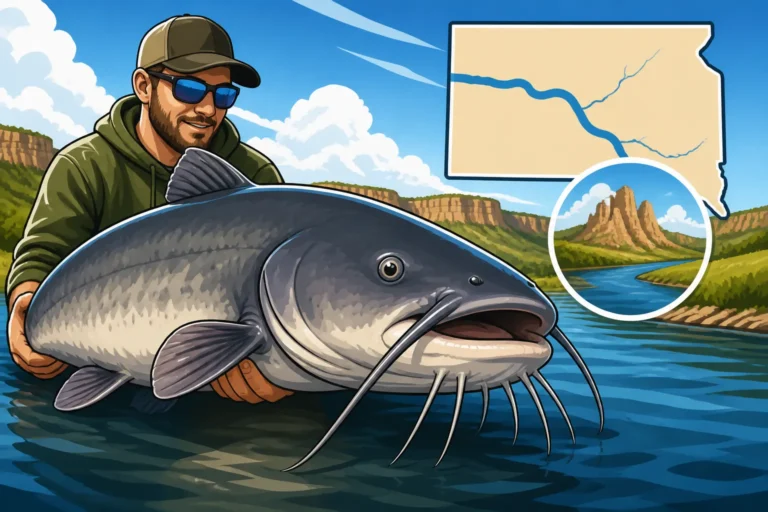
You're out on the Missouri River, the sun dipping low, and suddenly your rod bends hard. You reel in a magnificent catfish, but then the question hits you: is it a Channel Catfish or a Flathead? Many anglers, even experienced ones, find themselves scratching their heads when trying to distinguish between these two formidable South Dakota species. It’s not just about bragging rights; knowing the difference can be crucial for understanding their behavior, finding them, and adhering to specific regulations. This comprehensive guide will arm you with all the knowledge you need to confidently identify, locate, and successfully target both Channel Catfish and Flathead Catfish in South Dakota's abundant waters.
The Core Differences at a Glance
Let's start with the big picture, those immediate giveaways that will help you tell these two apart without needing a ruler or a biology textbook. It's like comparing a sleek sports car to a powerful utility truck—both are great, but they serve different purposes and have distinct designs.
Distinctive Physical Traits
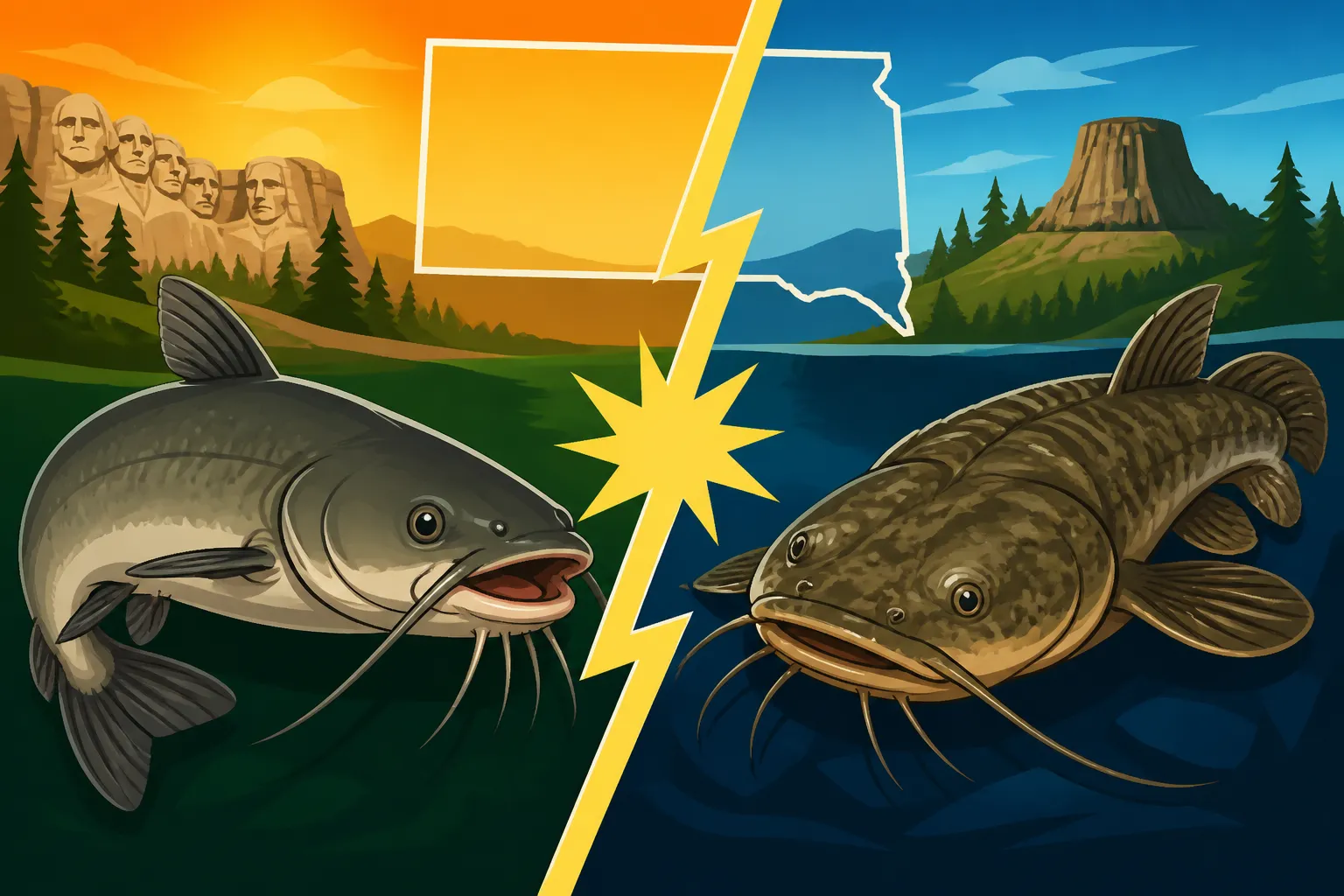
The most noticeable physical differences between Channel Catfish and Flathead Catfish lie in their tails, heads, and overall body profiles. Think of it as their signature look. A Channel Catfish, often just called a "channel cat," typically boasts a deeply forked tail, much like a swallow's tail or a young salmon's. This is perhaps the easiest and most reliable identifier. Their heads are usually narrower and more pointed, giving them a streamlined appearance. When you look at their mouth, the upper jaw usually extends slightly beyond the lower one. Young channel cats are also famous for their spots, though these tend to fade as they grow older and larger.
Flathead Catfish, on the other hand, are built like powerful, bottom-dwelling beasts. Their tail is distinctly not forked; instead, it's either square or very slightly notched, giving it a more rounded, paddle-like appearance. Their head is broad and flattened, almost shovel-like, which is where they get their "flathead" moniker. Unlike the channel cat, the lower jaw of a flathead often extends beyond the upper jaw, creating a distinct underbite. They lack the spots of a juvenile channel cat and generally have a more mottled, olive-brown to yellow-brown coloration that helps them blend into their timber-rich environments. Imagine a perfectly camouflaged hunter lying in wait.
Habitat Preferences and Behavior
Beyond their looks, these two catfish species have very different lifestyles, which is a major clue for anglers. Channel Catfish are incredibly adaptable and are found in a wide variety of South Dakota waters, from the vast stretches of the Missouri River reservoirs like Lake Sharpe and Lake Francis Case to smaller rivers, streams, and even many of our glacial lakes. They are quite tolerant of different water conditions, though they generally prefer cleaner, clearer waters with some current. Channel cats are also gregarious; you'll often find them schooling, especially younger fish, and they tend to be more active, roaming feeders. They're often found along channel breaks, drop-offs, and around submerged structures.
Flathead Catfish, however, are much more particular about where they set up shop. They are truly creatures of heavy cover and strong currents. You'll predominantly find them in the larger river systems and impoundments within the South Dakota Missouri River Fishing Guide where there's an abundance of submerged timber, logjams, rock piles, and deep holes. They are ambush predators and prefer to lie in wait within these structures, often in slower currents adjacent to faster flows, waiting for prey to come by. Flatheads are solitary by nature, fiercely territorial, and much less inclined to roam vast distances for food. They are predominantly nocturnal, with their most active feeding periods occurring from dusk until dawn. If you're looking for a flathead, you're looking for prime, undisturbed cover.
Dietary Habits and Preferred Bait
Their differing behaviors are a direct result of their dietary preferences. Channel Catfish are the ultimate opportunists and scavengers. They have a very diverse diet, consuming everything from insects, crustaceans, and small fish to dead bait, prepared baits (the infamous "stink baits"), worms, and even fruits and berries that fall into the water. This wide palate makes them relatively easier to catch with a variety of baits. If you've ever tried fishing with chicken liver, cut bait, or even hot dogs, you were likely targeting channel cats. They rely heavily on their excellent sense of smell and taste to locate food, making those pungent baits particularly effective.
Flathead Catfish, on the other hand, are almost exclusively piscivorous, meaning they eat other fish. And not just any fish—they prefer live bait. Their diet consists mainly of live minnows, shad, bluegills, suckers, and other panfish. They are truly apex predators in their environment, using their broad, flattened heads and wide mouths to engulf prey whole. This specialization means that targeting flatheads almost always involves using live bait, and typically larger live bait at that. They aren't interested in your grandpa's secret stink bait recipe; they want a struggling fish. This preference for live, active prey is why many flathead anglers spend as much time catching their bait as they do catching the catfish!
Identifying Your Catch: A Detailed Visual Guide
So, you've got a fish on the line, and you're getting it to the boat or shore. Now's the moment of truth! Let's dive a bit deeper into the precise visual cues that will help you correctly identify your catch. Knowing these details can also help you understand how different fishing techniques or environments might favor one species over the other. If you're unsure, remember that the South Dakota GFP Fishing Handbook Guide is an excellent resource for detailed illustrations and information.
Tail and Fin Structure
As mentioned, the tail is your number one indicator. A Channel Catfish will have a deeply forked tail fin. Imagine a "V" shape cut into the end of the tail. This forked design makes them fast and agile swimmers, perfect for pursuing a varied diet across diverse habitats. Their other fins, while not as distinctly different, tend to be more streamlined. Their dorsal fin (on their back) and pectoral fins (on their sides, behind the gills) are often equipped with sharp, serrated spines, which can deliver a painful poke if you're not careful. These spines are a defense mechanism, so handling them with care is always a good idea.
The Flathead Catfish has a tail fin that is either square or very slightly emarginate (meaning it has a very shallow indentation, almost imperceptible). It looks solid, almost like a paddle or a fan, perfectly designed for powerful, short bursts of acceleration when ambushing prey from cover. Their fins are generally more robust and rounded than those of a channel cat. The pectoral and dorsal fins also possess spines, and like the channel cat, these can be quite sharp. The overall impression of a flathead's fins and tail is one of brute strength, reflecting its ambush predator lifestyle.
Head and Body Shape
Take a good look at the fish's head and its overall body profile. A Channel Catfish typically possesses a more slender, almost torpedo-shaped body when compared to a flathead of similar length. Their heads are proportionally smaller and narrower, tapering to a somewhat pointed snout. Think of a sleek, muscular swimmer. Their eyes are generally larger in proportion to their head size, adapted for foraging in various light conditions. The barbels, those whisker-like sensory organs around their mouth, are typically dark in color, sometimes black. These barbels are crucial for sensing food in murky water.
The Flathead Catfish lives up to its name with a distinctly broad, flattened head that can appear disproportionately large compared to its body, especially in smaller specimens. Their body is generally chunkier and more robust, giving them a powerful, almost squat appearance. Their eyes are often smaller and set higher on their head, perhaps reflecting their nocturnal, ambush hunting style where sight might be less critical than touch and vibration. The lower jaw prominently protrudes beyond the upper jaw, giving them that characteristic "underbite." Their barbels are often lighter in color, sometimes yellowish or brownish, blending with their mottled skin. These barbels are thick and strong, perfect for feeling out prey hidden in submerged timber.
Coloration and Skin Texture
Color can be a helpful, though sometimes variable, identifier. Channel Catfish typically exhibit a silvery-gray to olive-green coloration on their back and sides, fading to a white or creamy belly. Younger channel cats are famously adorned with dark spots, which are a very reliable indicator. As they grow older and larger, these spots tend to fade, and the fish takes on a more uniform, darker hue. The intensity of their color can also vary based on the clarity of the water they inhabit; fish from clearer water might be lighter, while those from darker, stained water could be much darker. Their skin is smooth and scaleless, characteristic of all catfish.
Flathead Catfish have a distinctive mottled pattern of brown, olive, and yellow, often described as a "calico" or "marbled" appearance. This coloration is exceptional camouflage, allowing them to blend seamlessly with the timber, rocks, and muddy bottoms they prefer. The patterns are usually quite irregular, with darker blotches over a lighter base. Their belly is typically a pale yellow or cream color. Unlike channel cats, flatheads do not have spots, regardless of age. Their skin, while also scaleless, can sometimes feel slightly rougher to the touch than a channel cat's, though this is a subtle difference. The intensity and contrast of their mottled pattern can also vary based on their specific environment.
Here's a quick comparison table to keep these key visual differences handy:
| Feature | Channel Catfish | Flathead Catfish |
|---|---|---|
| Tail Fin | Deeply forked | Square or slightly notched (not forked) |
| Head Shape | Narrower, more pointed, streamlined | Broad, very flat, shovel-like |
| Lower Jaw | Upper jaw usually extends slightly past lower | Lower jaw usually extends prominently past upper |
| Body Shape | More slender, torpedo-shaped | Robust, chunky, powerful |
| Coloration | Silvery-gray to olive, often with dark spots (especially young), fading with age | Mottled brown/olive/yellow ("calico"), no spots |
| Barbels | Typically dark (black) | Often lighter (yellowish/brownish) |
| Eyes | Proportionally larger | Proportionally smaller, set higher |
| Primary Diet | Omnivorous, scavengers (live/dead bait, prepared baits) | Almost exclusively piscivorous (live fish) |
| Habitat | Diverse: rivers, lakes, reservoirs, varied structure | Heavy cover: logjams, timber, deep holes, strong current |
Where to Find Them in South Dakota Waters
Knowing what they look like is only half the battle; the next step is knowing where to cast your line. South Dakota offers fantastic opportunities for both Channel and Flathead Catfish, but their preferred stomping grounds are quite different, reflecting their distinct life strategies. Understanding these habitat nuances is key to a successful fishing trip.
Channel Catfish Hotspots
Channel Catfish are truly ubiquitous across South Dakota. If there's water, there's a good chance you'll find them. The mighty Missouri River system, including its reservoirs, is absolutely teeming with them. Lake Oahe Fishing Guide, Lake Sharpe, Lake Francis Case, and Lewis and Clark Lake all hold incredible populations of channel cats, many reaching impressive sizes. You'll find them along the main river channels, in tributary mouths, around submerged islands, and near riprap shorelines. They love areas where there's a good current but also access to quieter eddies or deeper pools where they can ambush prey or forage.
Beyond the Missouri, don't overlook South Dakota's network of glacial lakes in the eastern part of the state. Lakes like Lake Kampeska, Lake Poinsett, and many smaller bodies of water often boast healthy channel catfish populations. Rivers like the James River and the Big Sioux River are also prime locations, particularly in deeper bends, logjams, and under cut banks. In these varied environments, channel cats might be found cruising open water, hugging the bottom, or even suspended if a baitfish school is present. They are truly the "everyman" catfish of South Dakota. If you're looking for specific locations, check out Missouri River Catfish Fishing Spots for some excellent starting points.
Flathead Catfish Strongholds
Flathead Catfish, by contrast, are more particular. While they exist in the Missouri River system, they are not as widespread or numerous as channel cats in every nook and cranny. Their preferred habitat is characterized by deep water, strong currents, and—most importantly—abundant, heavy cover in the form of submerged timber, logjams, and large rock piles. They are ambush predators who want to be hidden and wait for their prey to come to them. This means you'll find them in the deeper sections of the Missouri River and its larger impoundments, particularly below dams and in areas with significant woody debris.
Think of spots on Lake Oahe, Lake Sharpe, and Lake Francis Case where old river channels are filled with submerged trees, or where major creek and river arms enter the main reservoir, creating massive logjams. These are flathead havens. They are less common in the smaller, shallower glacial lakes because these often lack the specific deep water and heavy cover they require. If you're targeting flatheads, focus your efforts on areas that look like they'd snag your line immediately—because that's exactly where a flathead wants to be! They'll often be found in the slower water just behind a logjam or a current seam, ready to dart out and grab a passing meal.
Overlap and Coexistence
It's important to remember that while their preferences differ, Channel and Flathead Catfish can and do coexist in the same larger water systems, especially along the Missouri River. You might catch both species from the same boat on the same day. However, they'll often be occupying different micro-habitats within that system. For instance, a channel cat might be cruising a clean, sandy flat nearby, while a flathead is hunkered down in a submerged timber pile just a stone's throw away.
Understanding these distinctions helps you refine your approach. If you're catching a lot of channel cats but no flatheads, you might need to move to an area with more structure and deeper cover, or switch your bait presentation. Conversely, if you're continually getting snagged and still not finding fish, perhaps your presentation is too deep in the cover, and you might need to adjust to target the edges where channel cats might be cruising. Both species contribute to the rich catfishing experience in South Dakota, and knowing how to target each one maximizes your chances of success.
Fishing Techniques Tailored to Each Species
Now that you know what they look like and where they live, let's talk about how to catch them! Since Channel Catfish and Flathead Catfish have different feeding habits and preferred habitats, the techniques you use to catch them will vary significantly. Trying to catch a flathead with channel cat methods is a recipe for frustration, and vice-versa.
Targeting Channel Catfish
Channel Catfish are much more forgiving to anglers, making them a fantastic target for beginners and seasoned pros alike. Their opportunistic feeding habits mean a wide range of baits and presentations can be effective.
- Bottom Fishing with Prepared Baits: This is perhaps the most popular method. Channel cats are experts at finding food on the bottom. Use a simple slip-sinker rig with a hook (many anglers prefer a circle hook to improve hook-ups and reduce deep hooking) and bait it with anything from commercial "stink baits," chicken liver, shrimp, cut bait (like pieces of shad or perch), or good old nightcrawlers. Cast it out, let it sink to the bottom, and wait. Many of these baits are readily available on Amazon for convenience.
- Drift Fishing: On large reservoirs like Lake Francis Case or Lake Sharpe, drift fishing can be incredibly effective. Let your boat drift with the wind or current, dragging your bait (often cut bait or a worm combination) along the bottom. This covers a lot of water and presents your bait to actively foraging channel cats.
- Slip Bobber Rigs: While often associated with panfish, a slip bobber rig can be deadly for channel cats, especially when they are suspended or feeding in shallower areas. This allows you to present your bait at a precise depth without it sitting directly on the bottom, which can be useful when weeds are present.
- Time of Day: Channel cats feed throughout the day, but their activity often peaks during dawn, dusk, and especially at night during the warmer months. Night fishing for channel cats can be an incredibly peaceful and productive experience.
- Regulations: Always keep an eye on the Catfish Limits and Size Rules for South Dakota to ensure you're compliant.
For more in-depth techniques, check out How to Catch Catfish on the Missouri River. They're truly a blast to catch, and their widespread availability makes them a reliable target.
Pursuing Flathead Catfish
Flathead Catfish are often considered the "trophy" catfish for their sheer size and power, and they demand a more specialized approach. Their preference for live bait and heavy cover dictates everything.
- Live Bait is King: This cannot be stressed enough. Flatheads are predators and want live, struggling prey. The best baits are typically lively panfish like bluegills, sunfish, or small suckers, shiners, or shad, depending on what's legal and available in your area. Size matters here; bigger flatheads often prefer bigger baits. For tips on bait, refer to Best Bait for South Dakota Catfish.
- Heavy Tackle is Essential: Forget your lightweight panfish rod. You'll need stout rods with strong backbones, powerful baitcasting reels loaded with heavy monofilament or braided line (think 50-80 lb test). Heavy sinkers are needed to hold your bait near structure, and strong, large hooks (circle hooks are highly recommended) are a must to penetrate their tough mouths and hold onto these powerful fish. You can find many suitable heavy-duty fishing lines and hooks on Amazon.
- Fishing Near Structure: Remember their habitat. You'll need to present your live bait right into, or on the very edge of, logjams, submerged timber, deep holes, or rock piles. This often means sacrificing some tackle to snags, but that's the price of admission for flathead fishing. Anchor securely upstream from the structure and cast your bait into the "strike zone."
- Nocturnal Pursuits: While flatheads can be caught during the day, your best chances are overwhelmingly after dark. They emerge from their cover to hunt during low light conditions, making night fishing the prime time for flatheads. Patience is a virtue when targeting these solitary giants.
- The Fight: Be prepared for a brutal fight. Flatheads will immediately try to get back into the cover, so you need to be able to turn their head and reel them away quickly. This is where your heavy tackle truly earns its keep.
Gear Recommendations
No matter which catfish you're after, having the right gear makes a huge difference.
- Rods and Reels: For channel cats, a medium-heavy action spinning or baitcasting rod, 7 to 9 feet long, paired with a reel spooled with 15-25 lb monofilament or braided line, is a good all-around choice. For flatheads, step up to heavy or extra-heavy action baitcasting rods, 7.5 to 10 feet long, with robust reels and 50-80 lb test line. The added length helps with casting heavier baits and leverage during the fight.
- Terminal Tackle: A variety of hooks, sinkers (egg sinkers, flat sinkers for current), and swivels are essential. Again, circle hooks are highly recommended for both species to minimize harm and ensure solid hooksets. For specific hook sizes, consult What Size Hook to Use for Catfish.
- Accessories: Don't forget a sturdy rod holder (especially important for flatheads, as they can pull an unanchored rod into the water!), a bright headlamp for night fishing, a good pair of pliers or de-hooking tool, and a large, heavy-duty net. Many of these essential items are easily purchased online, including on Amazon. A quality cooler is also critical for keeping your catch fresh, as detailed in our South Dakota Fishing Gear Checklist.
Culinary Considerations and Handling
After a successful day (or night!) of catfishing, many anglers look forward to enjoying their catch. Both Channel Catfish and Flathead Catfish are excellent table fare, but there can be some subtle differences in their meat, and proper handling is always crucial.
Taste and Texture Differences
When it comes to the dinner plate, both species are highly regarded, but some subtle differences can be noted. Channel Catfish are widely praised for their mild, flaky, white meat. Many consider them to have a cleaner flavor, especially smaller to medium-sized fish (under 5-7 pounds) caught from clear, cool waters. Their diet, being more omnivorous and varied, often contributes to this milder taste profile. They take well to various cooking methods, from frying and baking to grilling.
Flathead Catfish, particularly larger specimens, often have a firmer, denser, and sometimes richer-tasting meat. The color can be slightly off-white to yellowish. Some anglers describe the taste as having a bit more "character" or a slightly stronger "fishy" flavor, though this is often debated and can be influenced by the fish's diet and the water quality. Because they primarily eat live fish, their meat can be a bit oilier, which some connoisseurs prefer. They hold up very well to grilling, smoking, or slow-cooking methods. Ultimately, the best way to determine your preference is to try both!
Cleaning and Preparation Tips
Proper cleaning is essential for maximizing the flavor and freshness of any catfish. Both Channel and Flathead Catfish are scaleless, so you won't be scaling them. Instead, the primary method is to skin them.
- Bleed the Fish (Optional but Recommended): Immediately after catching, some anglers prefer to cut a gill arch to allow the fish to bleed out. This can improve the taste and firmness of the meat.
- Skinning: Make an incision around the head, behind the pectoral fins. Then, using pliers or a skinning tool, grip the skin and peel it downwards towards the tail. This can take some practice, especially on larger flatheads with tougher skin.
- Filleting: Once skinned, you can either clean them whole (gutted, head and tail removed) or fillet them. For larger fish, filleting is usually preferred. Cut along the backbone from head to tail, then carefully separate the fillet from the rib cage. You'll find a clear guide on Best Way to Clean a Catfish for more detailed steps.
- Remove the Red Meat: On larger catfish, especially flatheads, you might notice a darker "red meat" line along the lateral line of the fillet. Many anglers choose to trim this out, as it can have a stronger, fishier flavor.
- Brine or Marinade: Before cooking, a short brine or marinade can enhance the flavor and moisture of the fillets. Simple salt and water brines work well, or you can use your favorite seasoned marinade.
Remember that proper chilling is critical. Get your fish on ice as quickly as possible after catching to preserve its quality.
Handling Large Catfish Safely
Catching a truly large Channel Catfish or a trophy Flathead Catfish is an exhilarating experience, but it's important to handle these powerful fish safely and respectfully, both for your well-being and the fish's.
- Watch the Spines: Both species have sharp spines on their dorsal and pectoral fins. These can inflict painful punctures. Avoid gripping the fish directly behind these fins until you have them under control.
- The "Lip Grip": For both channel and flathead catfish, a firm lip grip can be used, but with caution. For channel cats, a gloved hand can often suffice. For large flatheads, however, their jaws are incredibly powerful, and a specialized lip-gripping tool (available on Amazon or at your local tackle shop) is highly recommended. Never put your fingers too far into a large flathead's mouth, as they can clamp down with surprising force.
- Support Their Weight: If you plan to take a photo, support the fish horizontally with two hands (one under the head, one under the tail) to prevent damage to their internal organs. Avoid hanging large fish vertically by a lip grip for extended periods if you intend to release them.
- De-hooking Tools: Keep a good pair of long-nose pliers or a de-hooking tool handy. Circle hooks often result in corner-of-the-mouth hook-ups, making removal easier.
- Respect the Fish: If you're practicing catch-and-release, minimize the time the fish is out of the water. Handle it gently and release it quickly into calm water, allowing it to swim off on its own power. These are incredible creatures, and their survival ensures future fishing opportunities.
Understanding these details about Channel Catfish and Flathead Catfish will not only make you a more informed angler but also increase your enjoyment and success on the beautiful waters of South Dakota. Happy fishing!
Disclaimer
This article is for general informational purposes only and does not constitute professional advice. Laws, prices and regulations vary by location and change over time. Consult a qualified professional for guidance on your specific situation.