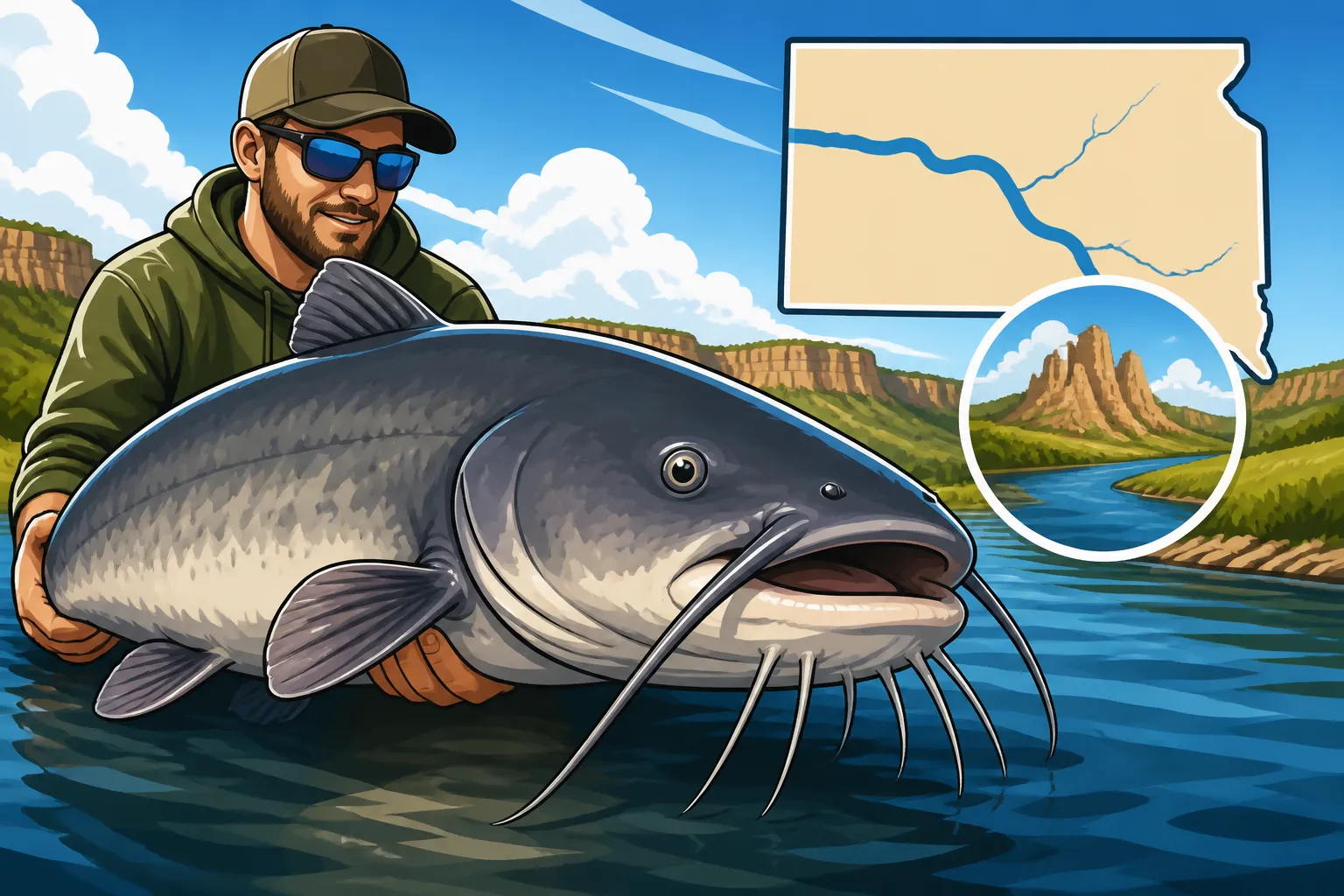
How Big Channel Catfish Get in the Missouri River
There's just something about fishing the mighty Missouri River in South Dakota that gets an angler's blood pumping, especially when you're targeting those whiskered giants: Channel Catfish. You've probably heard tales of monsters, and you're wondering, "Just how big do they really get?" This guide is going to pull back the curtain on the impressive growth potential of Channel Catfish in our incredible river, exploring what makes them thrive and what you can honestly expect to reel in.
The Mighty Channel Catfish of the Missouri River
The Channel Catfish ( Ictalurus punctatus) is a cornerstone of South Dakota's angling scene, especially along the vast stretches of the Missouri River. These fish aren't just abundant; they grow to impressive sizes, offering a thrilling fight that keeps anglers coming back year after year. Understanding their habitat and growth patterns is key to appreciating just how big these creatures can become.
Why the Missouri River is a Catfish Haven
The Missouri River, with its expansive reservoirs like Lake Oahe, Lake Sharpe, Lake Francis Case, and Lewis and Clark Lake, alongside its flowing riverine sections, provides an absolutely prime environment for Channel Catfish to flourish. This isn't just any river; it's a dynamic ecosystem that offers everything a catfish needs to grow large and healthy.
Think about it: the river offers incredible diversity in habitat. You have vast stretches of deep, slow-moving water, perfect for larger fish to conserve energy. There are also countless snags, fallen trees, and rocky outcroppings that provide shelter from current and predators, creating secure homes for catfish as they grow. The fluctuating water levels, especially in the reservoir sections, can uncover new feeding grounds and concentrate baitfish, leading to bountiful feasts for catfish. Furthermore, the river's rich sediment and nutrient load support a thriving invertebrate population and a massive forage base, including species like gizzard shad and various minnows. This constant, high-quality food supply is perhaps the single biggest factor contributing to the incredible growth rates and ultimate size of Channel Catfish in the Missouri. It’s like a never-ending buffet for these bottom-dwellers, and when food is plentiful, fish grow big.
Average vs. Trophy Size Expectations
When you're out on the Missouri River targeting Channel Catfish, it's helpful to distinguish between what you might commonly catch on a good day and what constitutes a true "trophy" fish. Most anglers frequently reel in Channel Cats ranging from a respectable 2 to 5 pounds. These are fantastic eating fish, provide a solid fight, and are abundant enough to make for a very satisfying day on the water. They're what you'll encounter most often when using standard catfish baits and techniques.
However, the Missouri River holds the potential for something far greater. A "trophy" Channel Catfish in these waters often starts at around 10 pounds, and truly exceptional specimens can push past 20, even reaching into the 30-pound range. These are the giants, the fish that give you stories for a lifetime. Catching one of these requires a combination of patience, skill, and sometimes, a little bit of luck, but the opportunity is definitely there. While 2 to 5 pounders are the norm, that dream of hooking into a double-digit whiskered warrior is a very real possibility on this river. Anglers often come to the Missouri River specifically for this chance at a truly monstrous catfish.
Factors Influencing Channel Catfish Size and Growth
The sheer size of Channel Catfish in the Missouri River isn't just random luck; it's the result of several interconnected environmental and biological factors. Understanding these elements helps to paint a clearer picture of why this particular river system produces such impressive specimens.
Food Availability and Quality
As mentioned, the Missouri River is an absolute pantry for Channel Catfish. The sheer abundance and diversity of food sources mean these fish rarely go hungry, allowing them to expend energy on growth rather than searching for meals. Key forage species include gizzard shad, emerald shiners, various types of minnows, and even smaller panfish. These are all high-protein meals that fuel rapid development.
Beyond fish, the river ecosystem also provides a steady diet of aquatic insects, crayfish, and even terrestrial insects that fall into the water. In the spring, after high water events, worms and other critters wash into the main channel, providing a nutrient rich feast. This consistent access to a wide variety of high-quality food, from live baitfish to decaying organic matter, allows Channel Catfish to pack on pounds quickly. A catfish in a nutrient-rich environment simply has more resources to grow larger and sustain a bigger body mass compared to those in less fertile waters. The quality of the food also matters; a diet rich in protein leads to more efficient growth.
Water Conditions and Habitat
The sprawling nature of the Missouri River also plays a critical role in supporting large Channel Catfish. Deep holes, scour pockets, extensive snags, and the sheer volume of water offer sanctuary and prime hunting grounds. During periods of high flow or extreme weather, larger catfish can retreat to deeper, more stable environments, conserving energy and staying safe.
Water temperature is another crucial factor. Catfish are warm-water species, and the Missouri River often provides extended periods of optimal temperatures for their metabolism and growth. Good oxygen levels, which are generally abundant in a large, flowing river system, prevent stress and allow fish to feed and grow actively. While catfish are notoriously tolerant of turbid (murky) water, the nutrient load that often accompanies this turbidity also contributes to the food chain. The varied bottom structure—from sandy flats to rocky points and deep mud holes—offers different foraging opportunities and protection, allowing catfish to choose the most advantageous locations to feed and mature. In essence, the river provides both the dining room and the safe, comfortable home for these fish to reach their full potential.
Age and Genetics
Like most fish species, Channel Catfish continue to grow throughout their lives, albeit at a slower rate once they reach maturity. The fact that the Missouri River can sustain a healthy population of older, mature catfish directly contributes to the presence of large specimens. A Channel Catfish can live for many years in ideal conditions, and each year of survival adds to its potential size. We're talking about fish that could be 10, 15, or even 20+ years old!
Beyond just age, there's a genetic component at play. Within any fish population, there will be individuals with a genetic predisposition to grow larger and faster than their peers. The Missouri River's vastness and robust population ensure that these genetically gifted individuals have ample opportunity to thrive and reach impressive dimensions. While a particular 5-pound catfish might be 7 years old, another 5-pounder could be much younger if it has superior genetics and access to prime feeding grounds. The combination of longevity and strong genetic stock within a stable, food-rich environment is a recipe for growing truly enormous Channel Catfish.
What Anglers Can Expect to Catch
So, knowing all about why the Missouri River is such a powerhouse for Channel Catfish, what does that mean for your next fishing trip? It's exciting to understand the potential, but it's even more useful to have a clear idea of what you'll typically be bringing to the boat or bank.
Common Catch Sizes and Weights
Most anglers targeting Channel Catfish on the South Dakota Missouri River will find themselves regularly catching fish in the 2 to 5-pound range. These are robust, healthy fish that put up a surprisingly strong fight. When you hook into a 4-pound channel cat, especially in the current of the river, you'll know you have a fish on! They're often 18 to 24 inches long, perfect for a fresh fish fry.
These common catches are what make Missouri River catfish fishing so popular – consistent action and plenty of good eating fish. They are generally eager biters, responding well to a variety of baits, from cut bait to prepared stink baits. You'll find them holding in river bends, around submerged structure, and in deeper holes, often schooled up. Many anglers target these size fish for their table fare and the sheer joy of consistent hook-ups. It's a truly rewarding experience to consistently pull in these healthy, feisty catfish. Catfish Limits and Size Rules are in place to help maintain these healthy populations for everyone to enjoy.
The Pursuit of a Trophy Channel Catfish
While the 2-5 pounders are fun, many anglers dream of landing a true "trophy" Channel Catfish from the Missouri. In South Dakota, a trophy Channel Catfish is generally considered a double-digit fish, starting around 10 pounds and going upwards. Fish in the 15-pound range are exceptional, and anything over 20 pounds is a rarity, truly a fish of a lifetime. These giants are typically old, experienced, and incredibly powerful. The state record for Channel Catfish is an impressive testament to the potential of these waters, though specific numbers can change and are best checked with the South Dakota GFP Fishing Handbook Guide.
Catching one of these big boys isn't an everyday occurrence, and it often requires a dedicated approach. You might need to spend more time on the water, fish less-pressured areas, or brave less-than-ideal weather conditions. When you hook into a 15-pound Channel Cat, be prepared for a long, powerful battle that will test your tackle and your resolve. These fish will make blistering runs, use the current to their advantage, and generally refuse to give up easily. The satisfaction of landing one of these Missouri River monsters is truly unparalleled, making the effort entirely worthwhile for many anglers.
Gear and Techniques for Bigger Catfish
If your goal is to specifically target those larger Channel Catfish, you'll need to adapt your gear and techniques. You can't bring a knife to a gunfight, and a monster cat will quickly expose any weaknesses in your setup.
- Rods and Reels: Ditch the ultra-light gear. You'll want a sturdy, medium-heavy to heavy-action rod, typically 7 to 9 feet long, paired with a robust baitcasting or spinning reel capable of holding a substantial amount of heavy line. Look for reels with strong drags, as a big cat will test it. You can find excellent options for durable rods and reels suitable for big catfish on online platforms like Amazon, offering a wide range of power and action.
- Line: Go heavy. A 20-30 pound monofilament or fluorocarbon line is a good starting point, but many serious catfishermen opt for 50-80 pound braided line for its incredible strength and sensitivity. A strong leader, perhaps 40-pound test, is also a wise choice, especially when fishing around snags.
- Hooks and Sinkers: Larger hooks are essential. Circle hooks in sizes 5/0 to 8/0 are popular for their effectiveness and ability to hook fish in the corner of the mouth, reducing gut hooking. Heavy sinkers, often 2-6 ounces or more depending on the current, are needed to hold your bait in place on the bottom.
- Baits: While smaller cats will hit a variety of baits, the big ones often prefer natural, pungent offerings. Cut bait (fresh shad, carp, or even small panfish like bluegill) is a perennial favorite. Best Bait for South Dakota Catfish is often debated, but large chunks of cut bait are hard to beat. Some anglers also swear by specific prepared "stink baits" designed for big catfish, which are readily available at local tackle shops or through online retailers like Amazon.
- Location and Strategy: Big catfish often prefer deep holes, main river channels, areas with significant submerged structure (like log jams or rock piles), and current breaks. They'll also patrol the edges of sandbars and drop-offs. Fishing at night can often yield larger fish, as they become more active hunters in the cover of darkness. Techniques like tight-lining directly on the bottom or using slip-sinker rigs are highly effective for presenting bait naturally in the current. Remember, patience is key. Setting up in a known Missouri River Catfish Fishing Spots and waiting out the big bites is often the most successful strategy. If you're new to it, check out our How to Catch Catfish on the Missouri River guide for more specific tips.
Missouri River Channel Catfish Size Comparison
Here's a general idea of what to expect when fishing for Channel Catfish in the mighty Missouri River:
| Category | Average Weight Range (lbs) | Average Length Range (inches) | Characteristics |
|---|---|---|---|
| Common Catch | 2 – 5 | 18 – 24 | Abundant, excellent table fare, strong fight for their size, eager biters. |
| Respectable Size | 5 – 10 | 24 – 30 | More challenging to catch, noticeably stronger fight, solid fish for pictures. |
| Trophy Potential | 10 – 20+ | 30 – 38+ | Rare and highly sought after, powerful runs, requires heavier gear and patience, fish of a lifetime. |
Remember, these are general ranges, and individual fish can vary. The thrill of fishing the Missouri River for Channel Catfish is that you never quite know what magnificent specimen might be at the other end of your line! Just be sure you understand the South Dakota Fishing Regulations Explained before heading out.
Disclaimer
This article is for general informational purposes only and does not constitute professional advice. Laws, prices and regulations vary by location and change over time. Consult a qualified professional for guidance on your specific situation.