How Long Chinook Salmon Have Been Stocked in Lake Oahe
Ever wondered how a Pacific salmon, a fish synonymous with vast oceans and mighty coastal rivers, ended up thriving in the expansive, landlocked waters of Lake Oahe right here in South Dakota? It's a common question many anglers ponder, especially when they feel the powerful tug of one of these magnificent fighters on their line. This guide will take you on a journey through the fascinating history of Chinook Salmon stocking in Lake Oahe, unraveling precisely when and why these majestic fish became a staple in our state's premier reservoir. Understanding this history helps us appreciate the incredible fishery we have today. If you're keen to learn more about fishing in this epic body of water, our Lake Oahe Fishing Guide is a great next stop!
The Genesis: Introducing Chinook Salmon to Lake Oahe's Waters
The idea of bringing Chinook salmon to South Dakota might seem like something out of a futuristic dream, but it's a testament to the visionary fisheries management efforts of the past. For many decades, the Missouri River reservoirs like Lake Oahe have been a central focus for our state's Game, Fish and Parks (GFP) department, always seeking ways to enhance and diversify the angling experience.
Early Experiments and Initial Stocking Efforts
The story of Chinook salmon in Lake Oahe truly begins in the late 1960s. At this time, state fisheries biologists were keenly observing the ecological dynamics of the newly formed reservoir. Lake Oahe, with its vast, deep, and cold water sections, offered a unique habitat that wasn't being fully utilized by traditional warm-water species. They saw an opportunity to introduce a large, fast-growing predator that could thrive in these conditions and provide an exciting new sport fish.
The first significant experimental introductions of Chinook salmon into Lake Oahe occurred in 1968 and 1969. These were not just casual releases; they were strategic moves. The goal was to see if these ocean-going fish could adapt to a completely freshwater environment and establish a viable population. Back then, it was a bold gamble. Imagine the discussions around bringing a Pacific icon thousands of miles inland to the heart of the Great Plains! These early plants, though modest in number, were critical in proving that Chinook could indeed survive and grow in Lake Oahe.
Why Chinook? The Forage Base Connection
One of the primary reasons Chinook salmon were considered for Lake Oahe was the abundant presence of gizzard shad and, eventually, introduced rainbow smelt. Chinook salmon are incredibly voracious eaters, and these baitfish populations provided a perfect, rich food source to fuel their rapid growth. Biologists understood that for any introduced predator to succeed, an ample and consistent food supply was non-negotiable. Without this crucial forage base, the Chinook salmon program would have likely been a short-lived experiment rather than the decades-long success story it became. The deep, cold waters of Lake Oahe were ideal for both the salmon and their preferred cold-water baitfish, creating a perfect storm for a thriving new fishery. For a deeper dive into their diet, check out What Chinook Salmon Eat in South Dakota.
Nurturing a Non-Native Species: Program Growth and Challenges
Establishing a non-native species, especially one with specific environmental requirements like Chinook salmon, wasn't without its challenges. The journey from initial experimental stocking to a well-established fishery required continuous monitoring, adaptation, and a significant commitment of resources.
Overcoming Early Hurdles
Following those initial plants in the late 60s, the program really started to gain momentum throughout the 1970s and 1980s. Fisheries managers faced various hurdles, including initial survival rates, understanding salmon behavior in a freshwater environment, and ensuring the health of the forage base. Predators, disease, and environmental fluctuations like water temperature and dissolved oxygen levels all played a role. It was a learning curve, requiring constant data collection and analysis to fine-tune stocking strategies.
Anglers played a vital role in this process too. Early reports from those lucky enough to hook into one of these silver bullets provided valuable information on where fish were being caught, their size, and their condition. These anecdotal reports, combined with scientific netting and surveys, helped biologists track the progress and make informed decisions. It was a true collaborative effort, even if many anglers didn't realize they were part of a grand experiment at the time! If you're interested in the deeper scientific history, older publications on the topic can sometimes be found on platforms like Amazon, offering a window into those formative years.
The Formalization of Annual Stocking
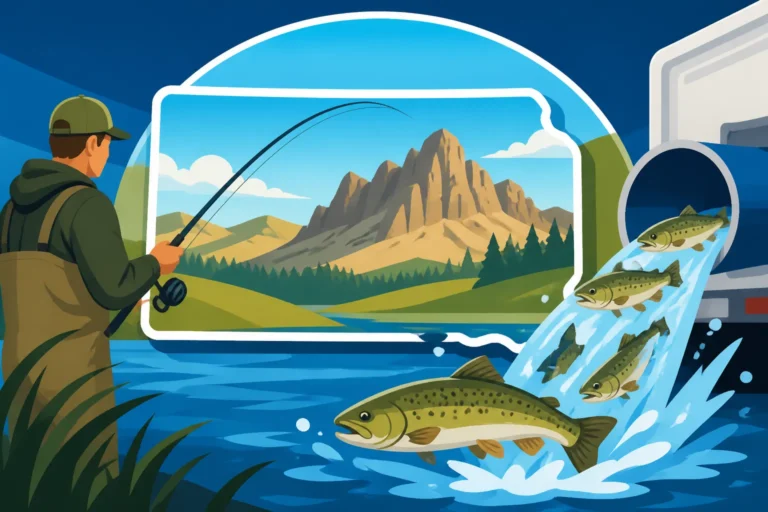
By the mid-1970s, the South Dakota GFP department recognized the immense potential of the Chinook salmon fishery. The program began to formalize, moving from experimental releases to consistent annual stockings. This commitment meant dedicating hatchery space, personnel, and a budget specifically for raising Chinook fingerlings. The goal shifted to creating a reliable "put, grow, and take" fishery, understanding that significant natural reproduction was unlikely in a landlocked reservoir.
This consistent stocking, year after year, cemented the Chinook salmon's place in Lake Oahe’s ecosystem and in the hearts of South Dakota anglers. It created a reliable source of trophy fish, making Lake Oahe a truly unique fishing destination in the Midwest. This long-term dedication ensured that anglers could expect to find these powerful fish season after season, rather than experiencing erratic boom-and-bust cycles often associated with struggling wild populations.
The Modern Era: Sustaining the Salmon Fishery Through Dedicated Management
Today, the Chinook salmon program in Lake Oahe stands as a shining example of successful fisheries management. The efforts started almost six decades ago continue to ensure that our waters offer this incredible angling opportunity.
The Role of Whitlock Bay Spawning Station
A cornerstone of the modern Chinook salmon program is the Whitlock Bay Salmon Spawning Station, located near Gettysburg on Lake Oahe. Since the salmon in Lake Oahe don't naturally reproduce in sufficient numbers to sustain the fishery (as they lack access to the vast, cold, free-flowing rivers necessary for successful spawning), the Whitlock Bay facility is absolutely vital. This station allows biologists to collect eggs and milt from adult salmon that return to the area in the fall. These eggs are then fertilized, hatched, and the resulting fingerlings are reared in state hatcheries until they are large enough to be stocked back into Lake Oahe. This process ensures a continuous cycle of fish for anglers. Understanding Chinook Salmon Spawning Time on Lake Oahe can give you insights into this critical period.
Ongoing Management and Future Outlook
The commitment to maintaining this unique fishery remains strong. Each year, hundreds of thousands of Chinook salmon fingerlings are stocked into Lake Oahe. This consistent effort, spanning nearly 60 years since the initial introductions, ensures that South Dakota continues to boast one of the most exciting freshwater salmon fisheries outside of the Great Lakes. However, it's not without ongoing effort. Fisheries managers continually monitor factors like water levels, the health and abundance of the forage base (gizzard shad and rainbow smelt), and potential disease concerns.
Environmental conditions, such as drought cycles that can impact water temperatures and levels, always present challenges. The science behind managing this fishery is complex and constantly evolving to adapt to these variables. It's a testament to the long-term vision and dedicated work of the South Dakota Game, Fish and Parks that anglers today can still experience the thrill of catching these magnificent fish. For the most current information on stocking efforts, you can often find details in the South Dakota Fish Stocking Report Basics.
The Impact and Legacy of Chinook Salmon in Lake Oahe
The introduction and sustained stocking of Chinook salmon have left an indelible mark on South Dakota's angling culture and economy. It's more than just another fish; it's a unique part of our state's outdoor identity.
A Unique Angling Experience
The presence of Chinook salmon has transformed Lake Oahe into a destination for anglers seeking a truly distinct big-game fishing experience. The powerful runs, aerial leaps, and sheer fighting spirit of a large "king salmon" are something you simply don't find with many other freshwater species. This has led to the development of specialized fishing techniques, such as deep-water trolling with downriggers, which is more commonly associated with Great Lakes or ocean fishing. Anglers dedicate significant time and resources to mastering the art of salmon fishing, investing in specific gear and learning the nuances of these impressive fish. You might find our South Dakota Chinook Salmon Trolling Techniques guide helpful for getting started.
Economic Benefits and Angler Culture
This unique fishery attracts anglers from across the state and beyond, providing a significant boost to local economies in communities surrounding Lake Oahe, like Pierre, Mobridge, and Gettysburg. Bait shops, tackle stores, marinas, lodging, and guide services all benefit from the dedicated salmon anglers who visit year after year. The pursuit of a trophy Chinook has fostered a vibrant subculture of fishing within South Dakota, where sharing knowledge and celebrating big catches are commonplace.
Catching a large Chinook salmon, often weighing in at impressive double-digit figures, offers incredible bragging rights and unforgettable memories. The minimum length and daily possession limits for these fish, which you can read more about in South Dakota Chinook Salmon Regulations, are carefully managed to ensure the sustainability of the program while providing trophy opportunities. The average size of these fish can be truly remarkable, as highlighted in South Dakota Chinook Salmon Average Size. It's a continuous success story, built on decades of careful planning, execution, and the unwavering dedication of fisheries managers.
Looking Ahead
As we continue to enjoy the fruits of these decades-long efforts, it's important to appreciate the historical context of the Chinook salmon in Lake Oahe. What started as an experiment in the late 1960s has evolved into one of South Dakota's most prized fisheries. The commitment to understanding and managing this non-native species in a freshwater environment is a testament to the innovation and foresight that defines our state's approach to natural resource management. So, the next time you're out on Lake Oahe, or even just thinking about fishing there, remember the rich history behind those silver torpedoes; they're a result of visionary efforts stretching back nearly six decades!
| Aspect | Detail |
|---|---|
| Initial Stocking Period | Late 1960s (specifically 1968 and 1969) – First experimental introductions. |
| Program Expansion | Gained significant traction and consistency throughout the 1970s and 1980s, becoming an annual stocking program. |
| Primary Purpose | Create a trophy sport fishery, utilizing Lake Oahe's abundant cold-water forage (gizzard shad, rainbow smelt). |
| Current Status | Annually stocked "put, grow, and take" fishery, sustained by hatchery production. |
| Key Facility | Whitlock Bay Salmon Spawning Station (critical for egg collection and fingerling rearing). |
| Years Stocked | Continuously stocked since the late 1960s, spanning nearly six decades. |
Disclaimer
This article is for general informational purposes only and does not constitute professional advice. Laws, prices and regulations vary by location and change over time. Consult a qualified professional for guidance on your specific situation.