Can You Keep an Oversize Fish If It’s Released Alive?
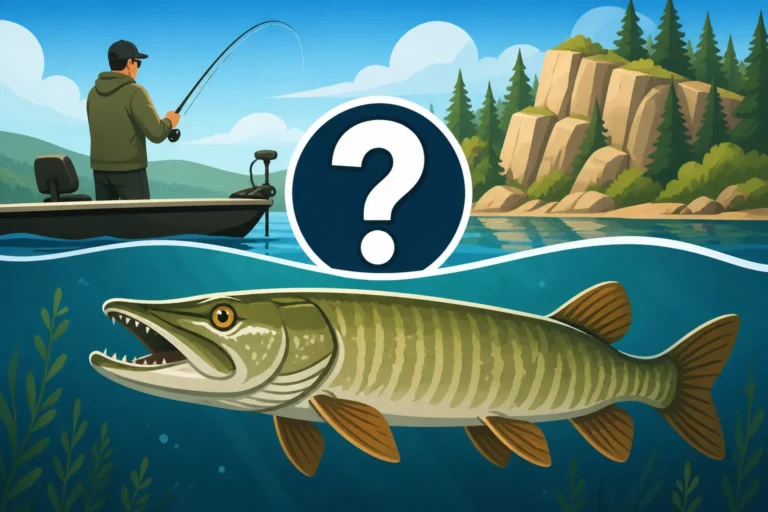
It’s a moment every angler dreams of and simultaneously dreads: you’ve hooked into what feels like the fish of a lifetime on a South Dakota lake. You battle it, bring it to the boat, and as you hold it up, your heart sinks a little. It’s magnificent, truly a trophy, but then the realization hits – it’s clearly oversize. The rules say it must go back. But what happens if, despite your best efforts, that magnificent fish doesn’t survive the release? This guide dives deep into that frustrating, confusing, and often heartbreaking scenario, clarifying South Dakota’s regulations on keeping an oversize fish, especially when things don't go as planned.
The Strict Rules on Keeping Oversize Fish in South Dakota
South Dakota takes its fisheries management seriously, and for good reason. Our lakes and rivers are incredible resources, and regulations are in place to ensure they stay that way for generations to come. When you land a fish that's truly a behemoth, your first thought might be pride, but your second needs to be: "Is this legal to keep?"
Understanding Slot Limits and Maximum Size Restrictions
Many of our most popular game fish, like walleye and trout, are managed with specific size restrictions, often called "slot limits" or "maximum length limits." These aren't arbitrary rules; they're carefully designed conservation tools.
A slot limit, for example, might dictate that you can keep fish under a certain length, and over another, but any fish within the "slot" must be immediately released. This protects a crucial segment of the fish population – often the prime breeding stock – allowing them to reproduce and contribute to the fishery. Think of it like a protective middle ground. For instance, some waters might have a rule like "no walleye between 15 and 20 inches may be kept," meaning you can keep smaller ones and larger ones, but those in that reproductive slot are off-limits. Other regulations might simply state a maximum length, such as "no fish over 28 inches may be kept." This is often to protect the largest, most genetically valuable fish, or to simply ensure that certain trophy-sized fish remain in the population to provide angling opportunities for others. These specific length restrictions are vital for maintaining healthy populations and sustaining the South Dakota Walleye Limits or South Dakota Trout Limits in the Black Hills we've come to expect.
These regulations are put in place by the South Dakota Game, Fish and Parks (GFP) to manage fish populations and ensure sustainable angling. It's all about balancing the harvest with the need for reproduction and maintaining a healthy age structure within the fish population. For instance, if too many large, dominant breeders are removed, it can negatively impact future generations of fish. Conversely, if too many smaller fish are removed, there might not be enough to grow into that desirable trophy size. Different lakes and rivers have different challenges and different species, which is why you'll see regulations vary across the state, such as the Belle Fourche Reservoir Special Walleye Rules.
"Possession" Starts When the Fish is Kept
This is a critical concept to grasp when dealing with any fishing regulation. In the eyes of the law, "possession" means you have taken control of the fish with the intent to keep it, or it has died while in your control. If a fish doesn't meet the legal keeping criteria – whether it's too small, too large, or falls within a protected slot – it is never legally "possessed" for retention.
The moment you decide to put a fish in your livewell, on your stringer, or in your cooler, it's considered possessed. If it dies during the fight or during the unhooking process, it is also considered "possessed." This is where the challenge arises with oversize fish. If a fish is legally unkeepable due to its size, then you cannot legally "possess" it, even if it's dead. You might think, "Well, it's dead, it's a waste to throw it back." And while that sentiment is understandable, the law typically doesn't make an exception for post-release mortality of an illegal-sized fish. The South Dakota Fishing Regulations Explained make it clear: if it's not legal to keep, you can't keep it.
This legal interpretation can be incredibly frustrating for anglers. You're trying to do the right thing, to abide by the conservation rules, but Mother Nature (or sometimes a vigorous fish) intervenes. The fish is dead, and now you're left holding an illegal fish that you cannot keep, nor can you properly dispose of it without potentially violating other regulations against wanton waste. This puts anglers in a truly unenviable position, highlighting the importance of understanding the fine print found in the South Dakota GFP Fishing Handbook Guide.
The Heartbreaking Reality: When a Released Fish Doesn't Make It
We all strive for a successful catch and release, especially when it comes to those prized, oversize specimens that must go back. We want them to swim away strong, ready to spawn another day or provide a thrill for the next angler. But the unfortunate truth is, not every released fish makes it.
The Angler's Dilemma: A Dead Fish That's Illegal to Keep
Imagine this scenario: you've just landed a magnificent walleye on Lake Oahe, easily pushing past the legal maximum length for that particular body of water. You meticulously unhook it, take a quick measurement or photo while keeping it mostly submerged, and watch it swim away, seemingly strong. You breathe a sigh of relief, proud you did your part for conservation. Then, a few minutes later, you see it floating, belly up. What do you do?
This is the core of the angler's dilemma. You've done your best to release it responsibly, but fate had other plans. Now you have a dead fish that, by regulation, you cannot keep because it's oversize. You cannot, under any circumstances, count it towards your South Dakota Walleye Possession Limit because it was never a legal fish to begin with. This situation can feel incredibly unfair. You didn't intend for the fish to die, and now you're faced with what feels like a double punishment: the loss of a beautiful fish and the inability to harvest it due to regulations. It can be a truly disheartening experience, challenging your ethics against the letter of the law.
Legal Interpretation of Post-Release Mortality
The unfortunate legal reality in South Dakota, and in most places with strict size regulations, is that if a fish is oversize and must be released, even if it dies, you cannot legally keep it. Retaining an oversize fish, regardless of its vitality, is a violation of the size regulation. This means that if that massive walleye you released dies, picking it up and putting it in your livewell or cooler would still constitute possessing an illegally-sized fish.
| Limit Type | Description | Purpose | Action for Oversize Fish |
|---|---|---|---|
| Daily Limit | Maximum number of fish of a specific species you can keep in a single day. | Prevents overharvesting by individual anglers. | Not applicable if the fish is oversize; it can't be kept at all. |
| Possession Limit | Maximum number of fish of a specific species you can have in your control. | Prevents accumulation and illegal take over multiple days/trips. | Cannot be legally possessed, therefore doesn't count toward this limit. |
| Minimum Size | Fish must be at least this length to be kept. | Protects juvenile fish, allows them to grow and mature. | Must be released if under minimum size. |
| Maximum Size | Fish cannot be over this length to be kept. | Protects large, mature breeders or trophy potential fish. | Must be released if over maximum size, even if dead. |
| Slot Limit | Fish within a specific length range must be released. | Protects critical breeding stock within a population. | Must be released if within the slot, even if dead. |
This rule is in place to prevent anglers from intentionally harming a fish and then claiming it died "accidentally" to bypass a slot or maximum size limit. While the vast majority of anglers are ethical and wouldn't do this, the law needs to be clear-cut to prevent abuse. So, if you catch a trophy fish that falls outside the legal keeping size, its life (or death) after release is unfortunately outside of your legal ability to retain it. It's a tough situation that highlights the importance of minimizing post-release mortality.
Minimizing Harm: Best Practices for Successful Catch and Release
Given the legal and ethical complexities of a released fish dying, our best strategy as responsible anglers is to do everything in our power to ensure the fish we release swim away healthy and strong. Every little bit of care makes a difference.
Equipment and Technique for Responsible Releasing
The gear and methods you use play a huge role in a fish's survival chances. Investing in the right tools and honing your technique can drastically reduce stress and injury.
Consider using circle hooks, especially when fishing with natural baits. These hooks are designed to catch in the corner of a fish's mouth, making deep hooking (when the hook is swallowed) far less likely. Deep hooking is one of the biggest contributors to post-release mortality. Another great option, particularly for trout in the Black Hills, is to crimp down the barbs on your hooks or use barbless hooks. This makes unhooking much quicker and causes less tissue damage. Furthermore, having the right dehooking tools, like long-nose pliers or specialized dehookers, readily accessible in your boat or tackle box is crucial. These allow you to remove hooks efficiently and minimize the time the fish is out of the water. If you're using a net, opt for one with rubber or knotless mesh. Knotted nylon nets can strip away a fish's protective slime layer, damage fins, and even remove scales, all of which increase susceptibility to disease and stress.
Your angling technique also matters. When you know you're fishing in an area with potential for oversize or slot-limited fish, try to bring the fish to the boat quickly and efficiently, without "playing" it to exhaustion. A prolonged fight, especially with strong fish like walleye or northern pike, builds up lactic acid in their muscles, making recovery much harder. A fish that's completely spent at the boat is much more likely to die after release. Being mindful of these details can make all the difference, helping to preserve the South Dakota Fish Species Diet by Season and overall health of our fisheries.
Handling Fish with Care for Best Survival Rates
Once you've landed that magnificent fish, how you handle it in those crucial moments can determine its fate. Proper handling is paramount for successful catch and release.
Always, always wet your hands before touching a fish. Dry hands can rub off the protective slime coat, which acts as the fish's first line of defense against parasites and infections. Try to keep the fish in the water as much as possible while unhooking it. If you need to remove it from the water for a quick photo, do so gently, supporting its entire body horizontally, not vertically by the jaw or tail, which can damage internal organs and spines. Get your picture quickly, then return it to the water. Avoid placing fish on hot, dry surfaces, and if the air temperature is significantly different from the water temperature, minimize its exposure. Many anglers use tools like specific lip grippers or cradle nets to manage the fish without ever touching its body, ensuring minimal disruption to its protective layer.
When releasing the fish, don't just toss it back. Hold it gently in the water, facing into a mild current if possible, and allow it to revive itself. If it’s struggling, gently rock it back and forth to force water over its gills until it regains its strength and swims away on its own power. Sometimes, a fish just needs a moment to catch its breath. Be particularly aware of environmental factors: during warmer months, when water temperatures are high, fish are already stressed. Consider fishing during cooler parts of the day or in deeper, cooler waters to reduce post-release mortality. Understanding how Does Barometric Pressure Affect Fish Bite? or other environmental factors impact fish stress can also help you make informed decisions.
What to Do in That Unfortunate Scenario
Despite all your best efforts and careful handling, sometimes a fish that must be released just doesn't make it. It's a tough pill to swallow, but knowing the legal and ethical considerations beforehand can help you navigate this difficult situation.
The Unpopular Truth: You Cannot Keep It
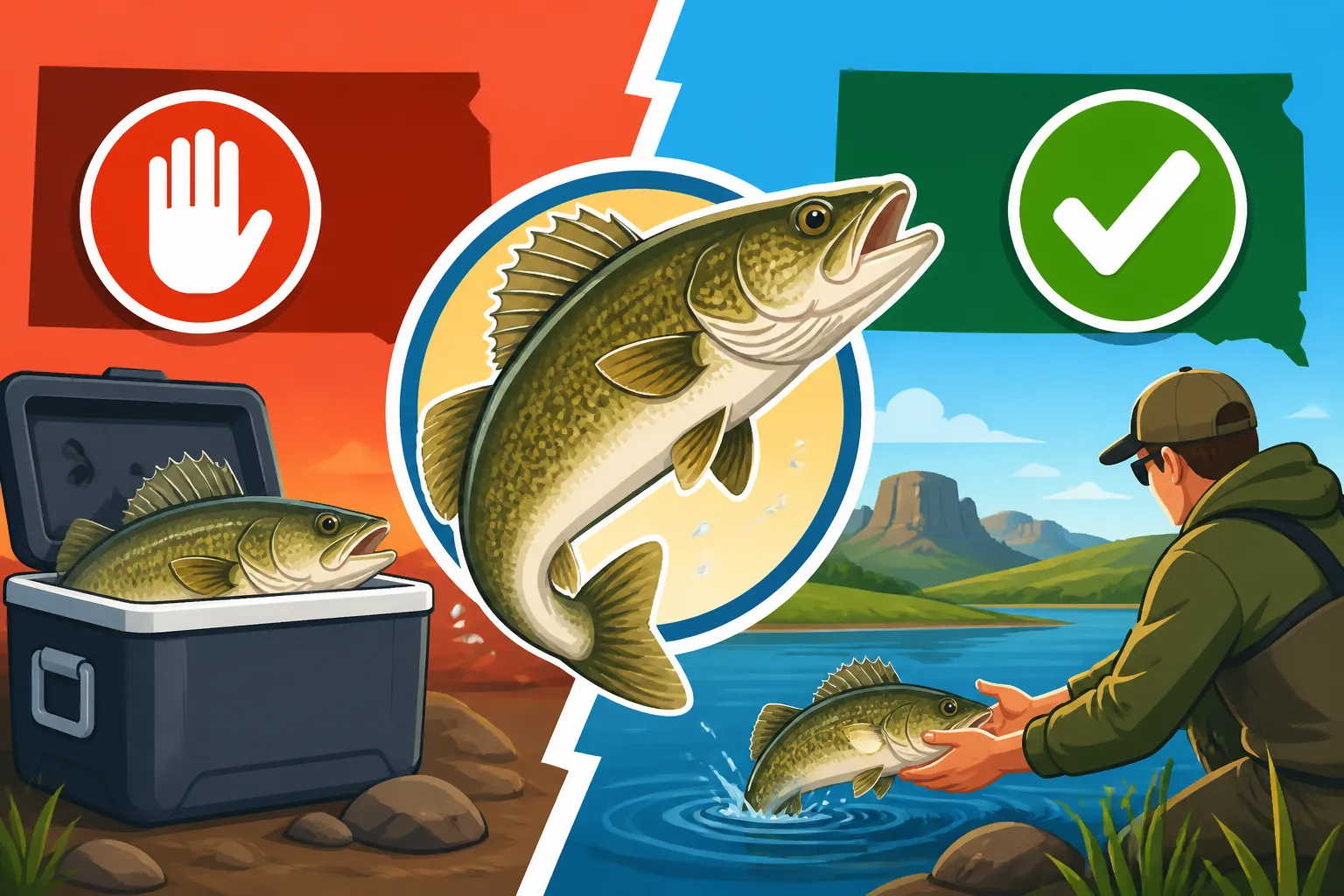
Let's cut right to the chase: if you catch an oversize fish that, by South Dakota regulation, must be released, and it dies during or after the release process, you cannot legally keep it. This is the unpopular, frustrating truth that many anglers struggle with. The fish remains an illegally sized specimen, and possessing it would be a violation of the South Dakota Fish Limits and Size Restrictions. It does not matter that it died unintentionally; the legal criteria for keeping a fish are based on its size and species, not its vitality.
This means that if you're out on the water and this scenario unfolds, you are legally obligated to let that dead fish go. It will not, and cannot, count towards your daily or possession limit because it was never a legal fish to keep in the first place. The reasoning behind this strict stance, as mentioned earlier, is to prevent any ambiguity or potential for anglers to intentionally harm fish to keep them when they are otherwise illegal. While this feels incredibly wasteful and goes against an angler's instinct to utilize their catch, the regulations are designed to protect the overall fishery, even in these unfortunate individual circumstances.
The consequences of possessing an illegally sized fish can range from fines to confiscation of gear, and in severe cases, even loss of fishing privileges. This is why it's so important to be absolutely clear on the rules before you even cast your line. Ignorance of the law is generally not considered a valid defense. Remember, knowing What Happens If You Fish Without a License in South Dakota? or other violations could have serious repercussions.
Ethical Considerations and Reporting
So, what do you do with a dead, illegally-sized fish? This is where ethics and the law sometimes diverge, creating a significant grey area for the conscientious angler. Legally, you cannot possess it. But simply throwing a dead fish back into the water can feel like a tremendous waste and might even raise questions about "wanton waste" if observed by others.
Many anglers feel a deep sense of responsibility to the fish they catch, and letting a dead fish go to waste is abhorrent to them. However, there isn't a universally prescribed action for what to do with a dead, illegally-sized fish beyond not possessing it. Some might argue that leaving it for scavengers in the ecosystem is a natural process, but others find this unacceptable. In areas where regulations against wanton waste are particularly stringent (and you should always check current South Dakota Fishing Season Dates and Limits for specific rules), this situation becomes even more precarious.
If you find yourself in this truly unfortunate scenario, and you feel compelled to report it or seek guidance, contacting the South Dakota Game, Fish and Parks (GFP) office might be an option. You could explain the situation, though be prepared that their guidance will likely reiterate that possession of an illegally sized fish is prohibited. They might be able to offer advice on specific disposal, but don't expect them to authorize you to keep it. The most important takeaway is to consistently educate yourself on South Dakota Fishing Regulations Explained and to always err on the side of caution and conservation. Focus on prevention through careful handling, and if the worst happens, understand the legal limitations, however frustrating they may be.
Disclaimer
This article is for general informational purposes only and does not constitute professional advice. Laws, prices and regulations vary by location and change over time. Consult a qualified professional for guidance on your specific situation.