How Often Black Hills Streams Are Stocked With Trout
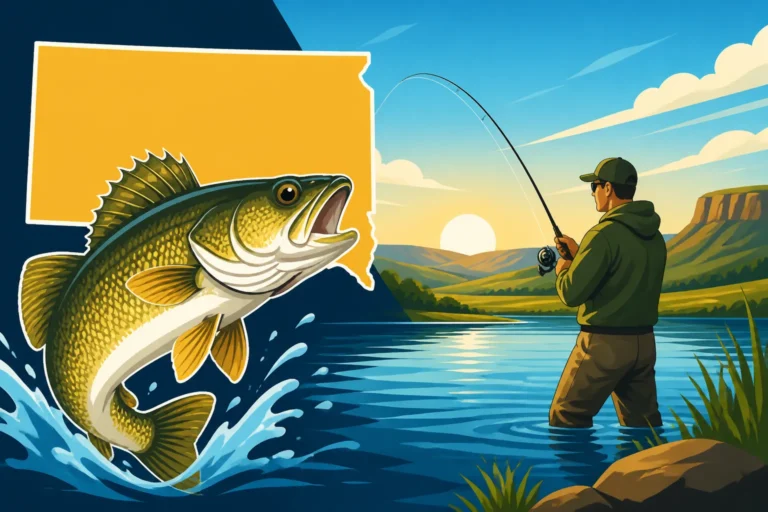
One of the most common questions I hear from fellow anglers, especially those new to the area or just getting into trout fishing, is about how often those beautiful Black Hills streams get stocked. It can be frustrating to plan a trip, drive all that way, and wonder if you're hitting the water at the right time. This guide will dive deep into the stocking practices for trout in the Black Hills, helping you understand the schedules, species, and how you can best utilize this information to make your fishing trips more successful and enjoyable.
Understanding Trout Stocking in the Black Hills
When you think about trout fishing in the Black Hills, images of pristine streams, clear water, and the thrill of a rising fish often come to mind. What many don't realize is that a significant portion of the incredible trout fishing opportunities in this region are supported by a robust stocking program. It's not just about tossing fish into a stream; there's a science and a strategy behind it, aimed at providing consistent angling experiences while also managing wild populations.
The Rationale Behind Stocking Efforts
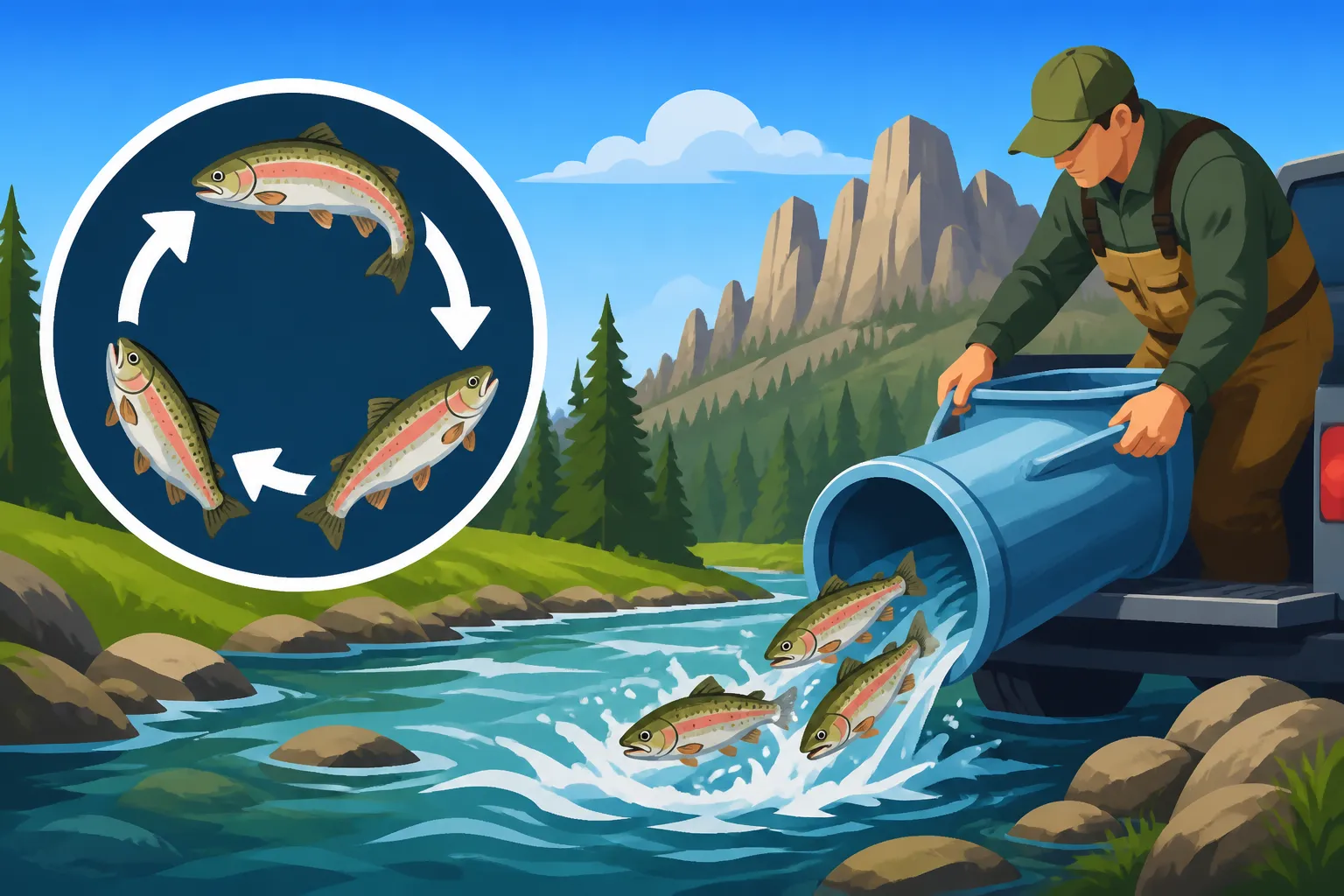
Why do we stock trout in the first place? It really boils down to balancing angler demand with the natural capacity of our waterways. Many Black Hills streams, particularly those closer to popular access points or in areas with high recreational use, experience immense fishing pressure. Without stocking, these areas would quickly be fished out, leaving little for subsequent anglers. Stocking helps to supplement these populations, ensuring that there's always a good number of fish available to catch. It also allows for "put-and-take" fisheries, where the primary goal is to provide immediate fishing opportunities rather than supporting a self-sustaining wild population. For instance, in some urban fishing ponds or easily accessible streams, you might find a higher frequency of stocking specifically to cater to families and casual anglers.
Another key reason is to introduce trout into waters where natural reproduction might be limited due to habitat constraints, water temperature fluctuations, or predation. While some Black Hills streams boast fantastic wild trout populations, others need a helping hand to maintain fishable numbers. This ensures that a wider variety of waters can offer trout fishing, spreading out angler pressure and creating more opportunities across the region. You can learn more about specific regulations in the area by checking out the South Dakota Fishing Regulations Explained.
What Trout Species Are Typically Stocked
In the Black Hills, you're primarily going to encounter three main species of trout, and all play a role in the stocking programs: Rainbow Trout, Brown Trout, and Brook Trout.
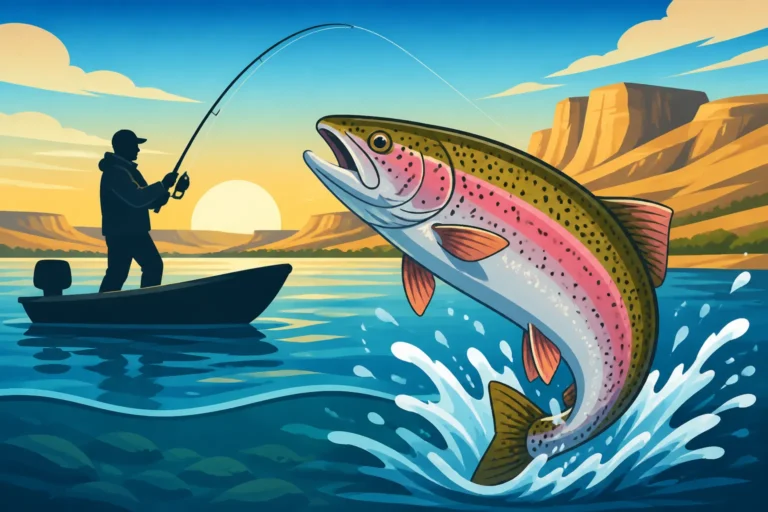
Rainbow Trout are probably the most common species stocked. They grow relatively fast in hatchery environments, are quite hardy, and readily take a variety of baits and lures, making them a favorite for many anglers. They're often stocked in higher numbers and more frequently than other species, especially in waters designed for high angler catch rates. You'll find these lively fighters across many accessible streams and lakes.
Brown Trout are also stocked, though often in different capacities. Brown trout are known for being a bit more elusive and wary than rainbows, making them a prize for experienced anglers. They can also tolerate slightly warmer water temperatures than rainbows and have a reputation for growing to larger sizes. While some streams have healthy wild South Dakota Brown Trout in the Black Hills populations, stocking often helps to introduce genetic diversity or bolster numbers in specific areas.
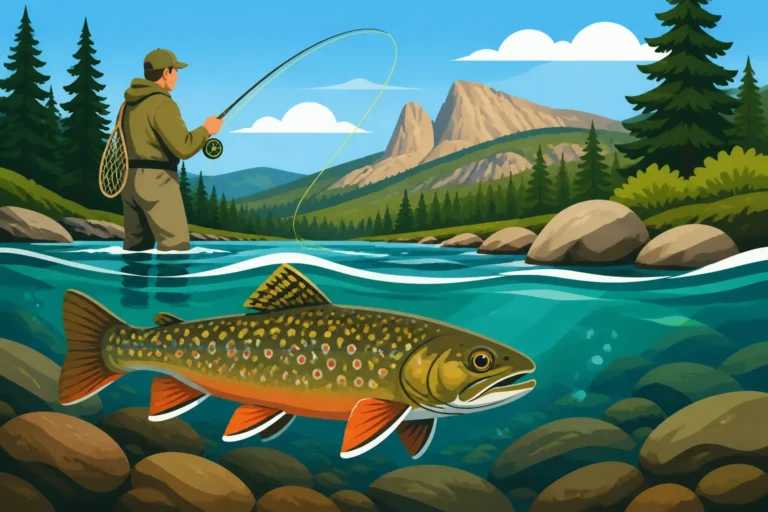
Brook Trout, while often associated with remote, high-elevation wild streams, are also occasionally part of stocking efforts, particularly for certain programs or in specific, smaller water bodies where they can thrive. They're stunning fish with unique coloration, and catching a brook trout from a pristine mountain stream is a quintessential Black Hills experience. To dive deeper into where these beautiful fish live naturally, consider reading our guide on South Dakota Brook Trout Streams.
The "How Often" Breakdown: Factors Influencing Stocking Schedules
This is the big question, right? Unfortunately, there isn't a single, straightforward answer like "every Tuesday." The frequency of trout stocking in Black Hills streams is a dynamic process influenced by several crucial factors. The South Dakota Game, Fish and Parks (GFP) manages these schedules, and they are not rigid, but rather responsive to environmental conditions, angler pressure, and hatchery availability.
Key Factors Affecting Stocking Frequency
- Water Temperature and Flow: This is paramount. Trout are cold-water fish. If stream temperatures get too warm, stocking new fish would be detrimental, as they would struggle to survive. Similarly, extremely low water flows can concentrate fish, making them vulnerable, while high, turbid flows can stress them. Stocking often pauses during the hottest parts of summer or during periods of drought.
- Angler Pressure: Streams that see a lot of fishing activity, like portions of Rapid Creek near Rapid City or Castle Creek, are typically stocked more frequently to keep up with demand. These are often "put-and-take" fisheries where fish are caught shortly after being stocked. Conversely, more remote streams with less pressure might be stocked less often, or managed more for wild trout populations.
- Hatchery Production: The number of fish available for stocking depends on the hatcheries. Factors like disease outbreaks, unforeseen equipment issues, or even changes in overall state-wide stocking priorities can affect the number and size of fish ready for release.
- Time of Year (Seasons): You'll generally see the heaviest stocking efforts in the spring and fall. Spring (April-June) is prime time as water temperatures are cool and stable, and many anglers are eager to get out after a long winter. Fall (September-November) also sees significant stocking as water cools again, providing good conditions for trout and extending the fishing season. Summer stocking is often reduced or halted in many streams due to high water temperatures, though some deeper, colder lakes or tailwaters might continue to receive fish. Winter stocking is rare, typically only in waters with good ice cover for ice fishing, but most stream stocking stops as ice forms.
- Specific Stream Management Goals: Each stream or section of a stream might have different management objectives. Some are managed as wild trout fisheries with little to no stocking, relying solely on natural reproduction. Others are managed specifically as high-yield put-and-take waters, receiving frequent infusions of hatchery fish. For detailed information on where to find these specific types of fisheries, our Black Hills Trout Stream Fishing Guide is an excellent resource.
| Factor | Impact on Stocking Frequency | Typical Timing/Conditions |
|---|---|---|
| Angler Pressure | Higher pressure = more frequent stocking to meet demand. | Popular access points, urban areas. |
| Water Temperature | Cool, stable temperatures ideal; stocking reduced/halted in warm water. | Heaviest in Spring/Fall; minimal in Summer. |
| Water Flow | Moderate flows ideal; reduced during drought or flood. | Avoids extreme high/low water events. |
| Hatchery Availability | Dictates the number and size of fish ready for release. | Varies based on annual production cycles. |
| Management Goal | "Put-and-take" streams stocked frequently; wild fisheries stocked minimally or not at all. | Specific stream sections or entire water bodies. |
| Species Targeted | Rainbows often stocked more frequently due to hardiness and angler preference. | Year-round in suitable conditions for Rainbows. |
Typical Stocking Windows
While specific dates are rarely published far in advance due to the variables mentioned above, you can anticipate general stocking windows:
- Spring (April – June): This is arguably the busiest stocking period. As the snow melts and stream flows stabilize, and before the heat of summer sets in, hatcheries are busy releasing trout. Many popular spots will receive fish multiple times during this window.
- Summer (July – August): Stocking often slows considerably during these warmer months, especially in smaller, shallower streams where water temperatures can become lethal for trout. Some larger, deeper lakes or tailwater fisheries (like below a dam) that maintain consistently cold water may still receive stockings, but stream stocking is minimal.
- Fall (September – November): As temperatures cool down, stocking resumes with vigor. This is a fantastic time for anglers, as the fish are active, and the crowds are often smaller than in spring. Many streams will receive another significant boost of fish.
- Winter (December – March): Stream stocking is generally paused during the winter months. Fish often become less active, and ice formation makes access difficult. However, some lakes managed for ice fishing might receive stockings.
For instance, a heavily fished stream like Rapid Creek within city limits might see stockings weekly or bi-weekly during peak spring and fall periods, while a more remote stream might only see a couple of stockings a season, if any, to supplement wild populations. Checking the Pactola Reservoir Trout Stocking Schedule can give you a good example of how specific large bodies of water might be managed.
How to Access Stocking Information and Plan Your Trip
The good news is that the South Dakota Game, Fish and Parks (GFP) does provide information, usually in a timely manner, about where and when fish have been stocked. This is your most reliable source for current data.
Utilizing Official GFP Resources
The primary way to find out about stocking events is through the South Dakota GFP website. They typically have a "Fish Stocking Report" or similar section where they post recent stocking activities. While they usually don't publish future schedules due to the unpredictable nature of the factors involved (weather, water conditions, hatchery readiness), they will confirm past stockings. This information is invaluable because it tells you which waters have recently received a fresh batch of fish, and often the species and numbers.
I always recommend bookmarking the GFP's fishing page. It's truly a goldmine of information, not just for stocking reports, but also for regulations, fishing reports, and access points. When planning a trip to the Black Hills, checking this page a few days before you head out is a must. If a stream was stocked a few days prior, you know there's a good chance for action!
Local Bait Shops and Online Forums
Don't underestimate the power of local knowledge! Bait and tackle shops in towns like Rapid City, Hill City, and Spearfish are often "in the know" about local stocking efforts. The folks behind the counter usually have their ear to the ground and can offer insights that you won't find anywhere else. They might even have tips on what baits or lures have been working well on recently stocked fish. Plus, it's a great way to support local businesses.
Online fishing forums and local social media groups dedicated to South Dakota fishing are another excellent resource. Anglers often share their successes (and sometimes frustrations!) and discuss recent stocking events they've heard about or witnessed. Just remember to take everything with a grain of salt and always verify critical information with official GFP sources if possible.
What to Expect After a Stocking Event
When a stream or lake has just been stocked, the fishing can be phenomenal, especially for new anglers or those looking for consistent action. These hatchery-raised fish are often accustomed to eating pellets, so they're not always super selective about what they bite. This means they'll often go for common baits like worms, PowerBait, or corn. Small spinners and spoons can also be incredibly effective.
However, keep in mind that these fish, particularly rainbow trout, are often caught quickly. The initial days after a stocking can see high angler pressure and good catch rates. After a week or two, the remaining fish often become more wary, spreading out and adapting more to natural food sources. This is when your technique might need to shift from simple bait fishing to more refined approaches, like fly fishing with imitations of local insects. If you're looking to explore fly fishing, a good starting point is our South Dakota Fly Fishing Guide. You can find a vast array of fly fishing gear, from rods to waders, on platforms like Amazon, making it easy to get equipped before your trip.
The Angler's Role and Impact of Stocking
As anglers, we play a crucial role in the success and sustainability of these stocking programs. Our actions on the water directly influence the health of the fisheries, both wild and stocked. Understanding your responsibilities and fishing ethically ensures that these opportunities remain available for everyone.
Respecting Regulations and Limits
It's absolutely essential to know and follow all fishing regulations, especially when fishing in stocked waters. This includes daily limits, possession limits, and any size restrictions that might apply. For example, some areas might have special regulations for certain species or "trophy" waters. These rules are in place to manage fish populations effectively and ensure that the resource isn't overfished. Always check the current South Dakota Fish Limits and Size Restrictions before you cast a line. Over-harvesting, even of stocked fish, can put undue pressure on the system and diminish the experience for others.
Furthermore, a South Dakota Fishing License Guide is your first step. Remember that a habitat stamp is often required alongside your license, even for stocked waters. Understanding South Dakota Habitat Stamp Requirements is important for any angler contributing to conservation.
Ethical Angling Practices
Beyond legal limits, ethical practices are key. If you're catching and releasing, handle fish gently to minimize stress and injury. Use barbless hooks, wet your hands before touching fish, and release them quickly. Even stocked fish, if released properly, can live to be caught another day, or contribute to the stream's ecosystem.
Another important point is to properly dispose of all your trash, including fishing line and bait containers. Litter pollutes our beautiful Black Hills streams and can harm wildlife. Leave no trace, and consider picking up any litter you find, even if it's not yours.
When fishing in heavily stocked areas, be mindful of other anglers. Respect their space, especially if you're fishing a popular hole that's just been stocked. A little courtesy goes a long way in ensuring everyone has a pleasant experience.
The Ecosystem and Stocked Trout
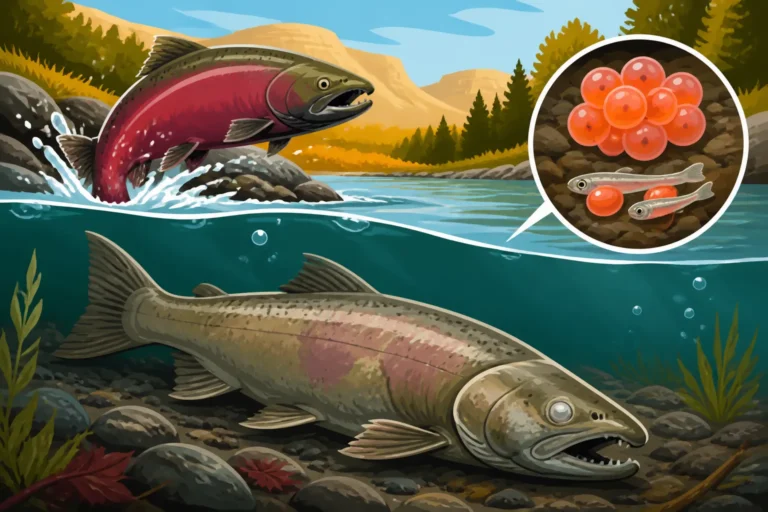
While stocking primarily serves to enhance recreational fishing, it's important to understand its ecological context. Stocked trout, especially if they are triploids (sterile), are not meant to reproduce and establish wild populations. Their purpose is to provide immediate fishing opportunities. In streams with strong wild trout populations, stocking is often avoided or done carefully to prevent potential negative impacts like disease transmission, genetic dilution, or competition for food with native fish.
The GFP works hard to balance these considerations, aiming to maximize angler satisfaction while protecting the pristine wild fisheries that are such a treasure in the Black Hills. Many wild trout streams are managed with catch-and-release rules or specific gear restrictions to protect their fragile ecosystems. By understanding these nuances, you become a more informed and responsible angler. You can even find specialized gear for selective fishing, like various types of nets and forceps, on Amazon to ensure minimal impact on the fish you release.
Conclusion
So, how often are Black Hills streams stocked with trout? It's a nuanced answer that largely depends on the specific stream, the time of year, angler pressure, and environmental conditions. While you won't find a fixed weekly calendar months in advance, you can expect significant stocking activity in the spring and fall, especially in popular, easily accessible waters. These efforts by the South Dakota GFP are vital for providing diverse and abundant fishing opportunities in our beautiful Black Hills.
By staying informed through official GFP resources and local knowledge, understanding the factors that influence stocking, and always practicing ethical angling, you can significantly increase your chances of a successful and rewarding trout fishing experience. So grab your rod, check the reports, and get out there to enjoy the incredible trout fishing that South Dakota has to offer!
Disclaimer
This article is for general informational purposes only and does not constitute professional advice. Laws, prices and regulations vary by location and change over time. Consult a qualified professional for guidance on your specific situation.