Pactola Reservoir Trout Stocking Schedule
It's incredibly frustrating when you're planning a fishing trip to a renowned spot like Pactola Reservoir, known for its fantastic trout fishing, but you're left guessing about when the South Dakota Game, Fish and Parks (GFP) will replenish the waters. Knowing the trout stocking schedule can literally make or break your day on the water, turning a hopeful outing into a genuinely productive one. This guide is here to shed light on how to uncover Pactola's stocking rhythm, so you can plan your next angling adventure with confidence.
Understanding Pactola Reservoir's Trout Fishery
Pactola Reservoir, nestled in the heart of the Black Hills National Forest, isn't just a pretty face; it's a cold-water haven that supports a thriving trout population. For many anglers, the thought of crystal-clear mountain water and the tug of a feisty trout is what draws them here year after year. However, without regular stocking, the pressure from eager anglers would quickly deplete the fish numbers, leading to a much less rewarding experience for everyone involved.
A Jewel in the Black Hills: Why Pactola is a Prime Trout Destination
Pactola Reservoir is truly a gem, offering stunning scenery that complements its reputation as a premier trout fishery. Its deep, clear, and cold waters are ideal for supporting trout, particularly rainbow trout, which thrive in these conditions. The surrounding ponderosa pines and granite formations create an almost spiritual backdrop for a day of fishing. But, like any popular fishing spot, it faces significant angling pressure. This constant demand is precisely why the GFP actively manages the fishery through regular stocking programs.
Imagine driving hours, setting up your gear, and then finding out the last stocking was months ago. It's a real disappointment that many of us have faced. The truth is, relying solely on natural reproduction wouldn't sustain the quality of fishing we all expect from Pactola. The stocked fish boost the population, ensuring there are plenty of targets for anglers of all skill levels. They provide consistent action, especially for those who might not have the patience or expertise to target more elusive holdover fish.
Primary Trout Species Stocked: A Focus on Rainbows
While you might occasionally find brown trout making an appearance, the undisputed star of Pactola's stocking program is the Rainbow Trout. These beautiful, hard-fighting fish are a favorite among anglers for their vibrant colors, willingness to strike a variety of baits and lures, and excellent table fare.
Most of the rainbow trout stocked in Pactola are pan-sized, typically ranging from 8 to 12 inches. These are perfect for a fun day of consistent action and are often what anglers are looking for when they hit the reservoir. They're also relatively easy to catch, especially soon after they've been introduced into the lake, making them ideal for families and newer anglers. The GFP's stocking strategy aims to provide a reliable and accessible fishing experience, and rainbow trout fit that bill perfectly.
However, don't let the "stocked" label fool you into thinking these fish aren't worth the effort. Given time, many of these rainbows grow into impressive "holdover" fish, often reaching 18-20 inches or more, providing a truly trophy-worthy battle. These larger trout become much warier and present a rewarding challenge for seasoned anglers. You might even stumble upon the occasional brook trout, though they are less commonly stocked directly into the main reservoir and are more often found in the smaller streams feeding into the lake, or in designated areas within the larger Black Hills trout stream system. For a broader look at the species in the region, you might consult a comprehensive South Dakota Trout Fishing Guide.
Navigating the Pactola Reservoir Trout Stocking Schedule
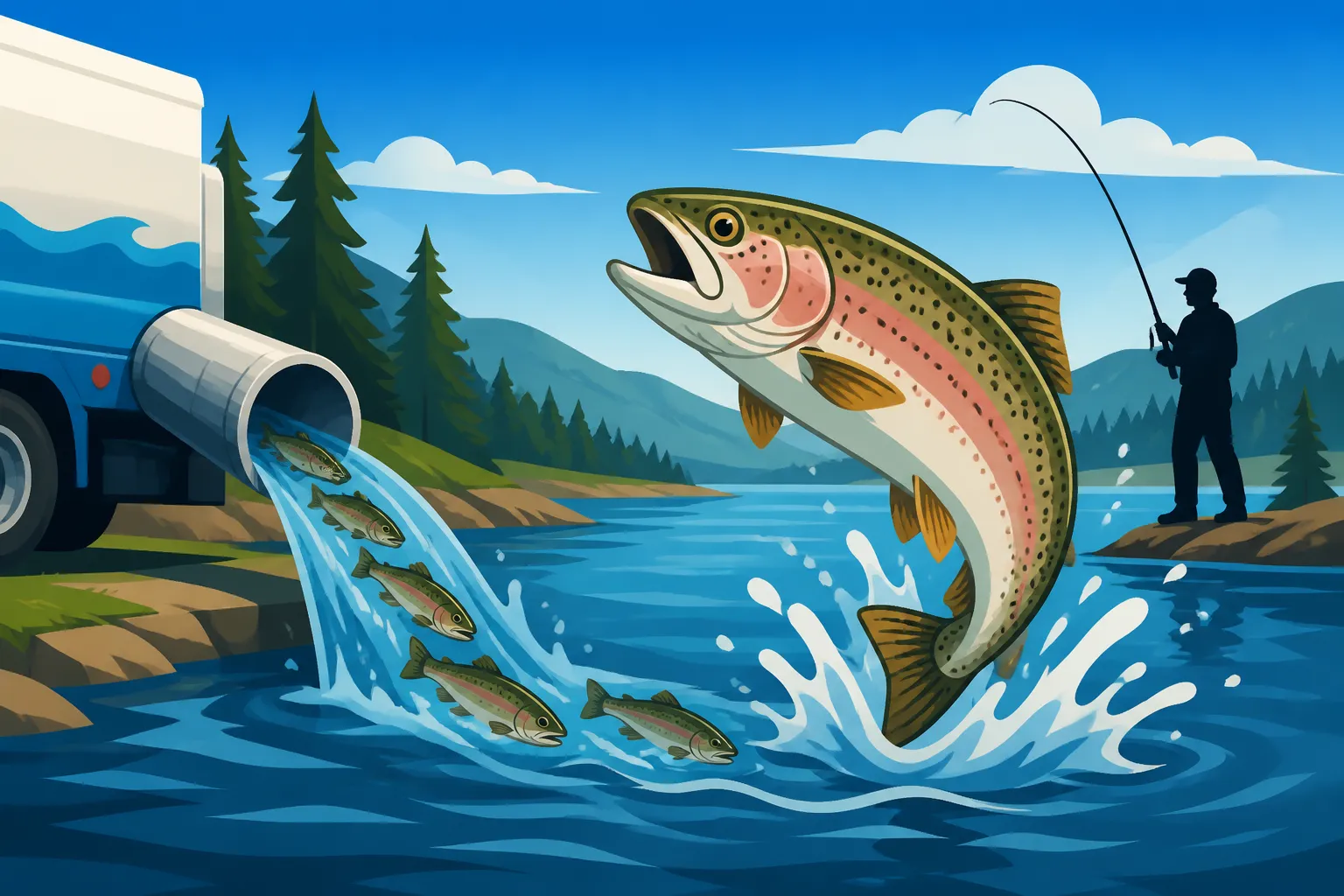
Alright, let's get down to brass tacks: when are they actually putting fish in the water? The South Dakota Game, Fish and Parks (GFP) manages the stocking schedule, and it's not always a fixed, publicly advertised calendar event. However, there are very specific ways to stay informed.
Official Sources for Stocking Information
Your absolute best bet for current and accurate stocking information is always the South Dakota GFP. They are the ones literally putting fish in the water, so their data is gold.
- SD GFP Website: The GFP maintains an online stocking report, which is usually updated fairly regularly. You'll want to navigate to the "Fishing" section, then look for "Fish Stocking" or "Reports." While it might not give you a "next Tuesday at 9 AM" heads-up, it will list recent stockings, including the date, species, number of fish, and their average size. This can help you infer patterns and identify when a stocking just occurred, making it a prime time to hit the water.
- Local Bait Shops and Outfitters: These folks are often the first to know! Bait shops in nearby towns like Rapid City, Hill City, or Custer are usually tied into the local angling grapevine and frequently get direct word from GFP staff or anglers who've seen the stocking trucks. Stop in, buy some bait, and politely ask about recent stockings. Places like Dakota Angler & Outfitter in Rapid City are invaluable resources.
- GFP Social Media and News Releases: Occasionally, for significant stockings or changes, the GFP might post updates on their social media channels (Facebook, X/Twitter) or issue a news release. It’s worth following them if you're a frequent angler.
- Calling the GFP: Don't hesitate to call the GFP office in Rapid City. While they might not predict future stockings, they can confirm recent ones and sometimes offer general insights into upcoming plans.
Remember, the goal is to cast your line when the fish are most plentiful and least wary. Knowing where to look for this information is half the battle. If you're planning a trip and want to maximize your chances, checking these sources a few days before you head out, and even the morning of, can give you a significant advantage.
General Stocking Patterns and Timing
While specific dates are often unpredictable due to various logistical and environmental factors, there are general patterns to Pactola's trout stocking that you can anticipate.
The primary stocking windows for Pactola Reservoir typically fall into two main periods:
- Spring (April – June): As the ice clears and water temperatures begin to rise, spring is a crucial time for stocking. The fish are often more active, and with melting snow, there's ample water. This period aims to kickstart the fishing season and provide fresh fish for the increasing angler traffic.
- Fall (September – November): As summer heat gives way to cooler temperatures, the water in Pactola becomes incredibly hospitable for trout once again. Fall stockings are essential for replenishing fish caught over the summer and providing a healthy population for late-season angling and ice fishing.
Factors Influencing the Schedule:
- Water Temperature: Trout are cold-water species. Stocking happens when water temperatures are optimal to minimize stress on the fish. Too warm, and the fish might not survive; too cold, and it's less efficient.
- Fish Availability: The GFP relies on its hatcheries to supply fish. Hatchery production schedules, disease prevention, and overall fish health play a direct role in when and how many fish are available for stocking.
- Budget and Resources: Stocking is a costly and labor-intensive operation. The GFP's annual budget and staffing levels will naturally influence the frequency and size of stocking events.
- Angling Pressure: Heavily fished areas, like Pactola, often receive more frequent and larger stockings to sustain the fishery.
Here’s a general idea of what you might expect, but always double-check official GFP sources for the most current data.
| Trout Species | Typical Stocking Periods | Average Size (Inches) | Primary Goal |
|---|---|---|---|
| Rainbow Trout | Spring (April-June), Fall (Sept-Nov) | 8-12 | Maintain high catch rates |
| Brown Trout | Less frequent, occasional | 8-14 | Diversify fishery (some grow large) |
This table provides a generalized outlook, but the reality is that the exact timing can shift. For instance, a prolonged cold snap or an unusually warm fall could push stocking dates later or earlier. This dynamic nature is why regular checks of the South Dakota GFP Fishing Handbook Guide or the GFP website are so vital. It’s not uncommon for anglers who are dedicated to specific species to pay close attention to the South Dakota Fishing Season Dates and Limits for those species to further refine their outing plans.
Maximizing Your Catch After a Stocking Event
Okay, so you've done your homework, found out that Pactola just got a fresh batch of trout, and you're heading out. Now what? Knowing where to cast and what to use can make all the difference between a productive day and one where you just admire the scenery.
Prime Fishing Locations Post-Stocking
When trout are first stocked, they often behave a little differently than their wilder, more acclimated brethren. They're disoriented, hungry, and often stick close to where they were released, at least initially.
- Access Points and Boat Ramps: This might seem obvious, but stocking trucks need easy access to the water. Therefore, areas near boat ramps, designated fishing piers, or easily accessible shorelines are often primary release points. On Pactola, this means focusing on spots like the Pactola Reservoir Visitor Center area, or other established Pactola Reservoir Fishing Access Points. Newly stocked trout might mill about in these areas for a while before dispersing.
- Inlets and Shallow Bays: Stocked trout are often looking for an easy meal and a sense of security. Inlets where fresh, cooler water enters the reservoir can be highly attractive. Shallow bays that warm up slightly faster can also concentrate new fish, as they might provide a temporary buffet of aquatic insects or minnows.
- Drop-offs and Submerged Structure: While initially disoriented, trout will quickly seek out structure for cover and to find cooler water. Look for gradual drop-offs, submerged timber, or rocky points near the stocking areas. These offer security and ambush points. Using a fish finder to locate these subtle changes in depth and structure can give you a significant edge, particularly if you're fishing from a boat or kayak.
Remember, these fish are adjusting to a brand new environment. They're not immediately going to be in their "natural" patterns, so targeting areas of easy access and initial congregation is key.
Effective Baits and Techniques for Stocked Trout
Stocked trout, especially those fresh from the hatchery, have a somewhat predictable palate. They've been raised on pellets, so anything that mimics that scent or is brightly colored and easy to spot often gets their attention.
- PowerBait and Trout Dough: This is the absolute classic for newly stocked trout, and for good reason. PowerBait, in its various forms (eggs, nuggets, dough), comes in an array of bright colors and scents that stocked trout find irresistible. Chartreuse, rainbow, and white are often top performers. Rig it on a small hook (size 10-14) with a light leader and a small split shot or sliding sinker, allowing it to float just off the bottom.
- Worms and Live Bait: A simple nightcrawler or a small piece of worm can be deadly. It's a natural food source, and the scent trail can attract hungry trout. Again, keep your presentation light and natural.
- Small Spinners and Spoons: Lures like Panther Martins, Mepps, or small Kastmasters in silver, gold, or bright colors (chartreuse, orange) are excellent choices. Cast them out and retrieve slowly, varying your speed to entice a strike. The flash and vibration often trigger an aggressive response from newly stocked fish.
- Flies (Streamers and Nymphs): While fly fishing might seem more geared towards wild trout, smaller streamers that mimic minnows or sculpins, and nymphs that resemble aquatic insects, can be very effective. Patterns like a Woolly Bugger, Prince Nymph, or Hare's Ear can tempt a curious trout. For those interested in this art form, a dedicated South Dakota Fly Fishing Guide can offer deeper insights.
- Bobber Fishing: Sometimes the simplest approach is the best. Suspending a bait (PowerBait, worm, corn) under a bobber allows you to keep it at a consistent depth, especially effective if the trout are suspended in the water column rather than hugging the bottom.
When discussing the best lures, we often think of walleye, but some principles overlap. For instance, just like considering Best Lures for South Dakota Walleye often involves color and depth, the same applies to trout, albeit with smaller presentations.
Adapting to Conditions: Water Temperature, Clarity, and Time
Trout behavior, even for recently stocked fish, isn't static. It changes with the environment.
- Water Temperature: This is paramount for trout. In spring and fall, when water temperatures are cool (50-60°F), trout are generally most active and spread out. If the water is colder, they might be sluggish, requiring slower retrieves and more subtle presentations. If it's on the warmer side (late summer), they'll seek deeper, cooler water. Understanding Reading Water Temperature for Walleye can give you transferable skills for trout, as both species are highly sensitive to thermal changes.
- Water Clarity: Pactola is generally clear, which means trout can be quite spooky. Use lighter line (4-6 lb test fluorocarbon or monofilament) and longer leaders. If heavy rains have muddied the water (uncommon for Pactola, but possible), brighter baits or those with strong scent might stand out more.
- Time After Stocking: The "honeymoon period" for recently stocked trout, where they are less wary, typically lasts a few days to a week. After that, they start to acclimate, become more cautious, and learn to avoid common presentations. This is when you'll need to transition to more natural presentations and target deeper, more complex structure. Early birds definitely get the worm (or the PowerBait) after a stocking!
Remember that local Bait Restrictions Near Pactola Dam exist, particularly for certain organic baits in specific areas. Always double-check current regulations before heading out to ensure you’re compliant.
Beyond Stocking: Year-Round Pactola Trout Fishing Strategies
While stocking events provide a fantastic boost to the fishery, Pactola Reservoir offers excellent trout fishing throughout the year, even when no fresh fish have been introduced. The key is to shift your mindset and tactics from targeting naïve, newly stocked fish to pursuing the more experienced, wilder "holdovers."
Tactics for Holdover and Wild Trout
Holdover trout have survived in the reservoir for months or even years. They are smarter, warier, and often much larger. Catching these fish requires a more refined approach.
- Go Deeper and Target Structure: Larger trout will often move to deeper, cooler water, especially during warmer months. They'll relate strongly to underwater structure such as submerged humps, points, ledges, and timber. Look for areas with abrupt depth changes, like the old creek channels or steep drop-offs. Using a good fish finder is almost essential here to locate these features and identify any suspended fish.
- Match the Hatch (or the Forage): Unlike newly stocked trout, holdovers have adapted to the natural food sources in Pactola. This means focusing on presenting baits or lures that mimic what they're truly eating.
- Minnow Imitations: Small crankbaits, jerkbaits, or soft plastic swimbaits that imitate baitfish can be very effective, especially for larger browns and rainbows. Silver, perch patterns, or natural colors work well.
- Insect Imitations: For fly anglers, this is where your skills truly shine. Nymphs, emergers, and dry flies mimicking the prevalent insects (midges, caddis, mayflies) are crucial. Techniques for specific patterns like Nymph Fishing Techniques for Trout Streams are highly applicable here, even on a larger reservoir.
- Finesse and Subtle Presentations: Light line, fluorocarbon leaders, and quiet approaches are vital. Avoid heavy hardware that spooks fish. Often, a slow, methodical retrieve is more effective than an aggressive one. The subtle wobble of a spoon or the slow drift of a natural bait can often outperform flashy, fast-moving lures. If you are looking for local guides to help you hone your techniques, checking platforms like FishingBooker can help you find experienced professionals who specialize in Black Hills trout.
- Low Light Conditions: Larger trout often feed more actively during dawn, dusk, or even at night, especially during the summer. These low-light periods offer them more security from predators and anglers.
Fishing During Non-Stocking Periods
Even if there hasn't been a recent stocking, Pactola can still provide fantastic fishing. The reservoir has a healthy population of holdover trout that continuously grow and provide a challenge.
- Focus on Natural Presentations: This means moving away from bright, pellet-mimicking baits and towards more natural offerings. Small minnows (where legal), worms, or corn can still be effective, but presentation is key. Think natural drifts or very slow retrieves.
- Explore Different Depths: Trout will be at different depths depending on the season, water temperature, and time of day. In spring and fall, they might be shallower, but in summer, they'll often be found suspended in the thermocline (the layer where water temperature changes rapidly) or near the bottom in the deepest, coolest spots.
- Vary Your Techniques: Don't get stuck on one method. Try casting and retrieving spoons or spinners, then switch to still fishing with bait, and then perhaps try trolling small crankbaits or flies if you're in a boat. A comprehensive understanding of South Dakota Fishing Seasons Explained will help inform these decisions.
- Embrace the Challenge: Fishing for holdovers is a different game. It requires patience, observation, and a willingness to adapt. The reward of landing a chunky, wilder trout from Pactola, knowing it's been in there for a while, is incredibly satisfying. It's also an excellent way to prepare yourself for broader angling challenges, similar to those detailed in a Black Hills Trout Stream Fishing Guide. For those seeking an extra edge, booking a trip with a highly-rated local guide through FishingBooker can provide invaluable real-time insights into the best current strategies.
Respecting the Resource: Ethical Angling Practices
Whether you're targeting freshly stocked fish or trophy holdovers, practicing ethical angling is crucial for sustaining Pactola's fishery.
- Know the Regulations: Always be aware of the current South Dakota Fishing Regulations Explained. This includes creel limits, size restrictions, and any special rules that apply specifically to Pactola Reservoir or the Black Hills area. Regulations can change, so checking annually is a good habit.
- Catch-and-Release for Larger Fish: While it's perfectly fine to keep your legal limit of stocked trout for a meal, consider releasing the larger, wilder holdovers. These fish are vital for the genetics of the fishery and often provide a more thrilling fight. Handle them gently, minimize their time out of the water, and ensure a strong release.
- Dispose of Waste Properly: Pack out everything you pack in. Leaving trash, especially fishing line, is detrimental to the environment and wildlife.
- Practice Boat Safety: If you're using a boat, ensure you have all the necessary safety equipment and understand boating regulations. This contributes to a safe and enjoyable experience for everyone on the water.
Disclaimer
Please note that fishing regulations and stocking schedules are subject to change by the South Dakota Game, Fish and Parks (GFP) at any time. Always consult the official South Dakota GFP website or their current fishing handbook for the most up-to-date and accurate information before planning your trip. This guide is for informational purposes only.