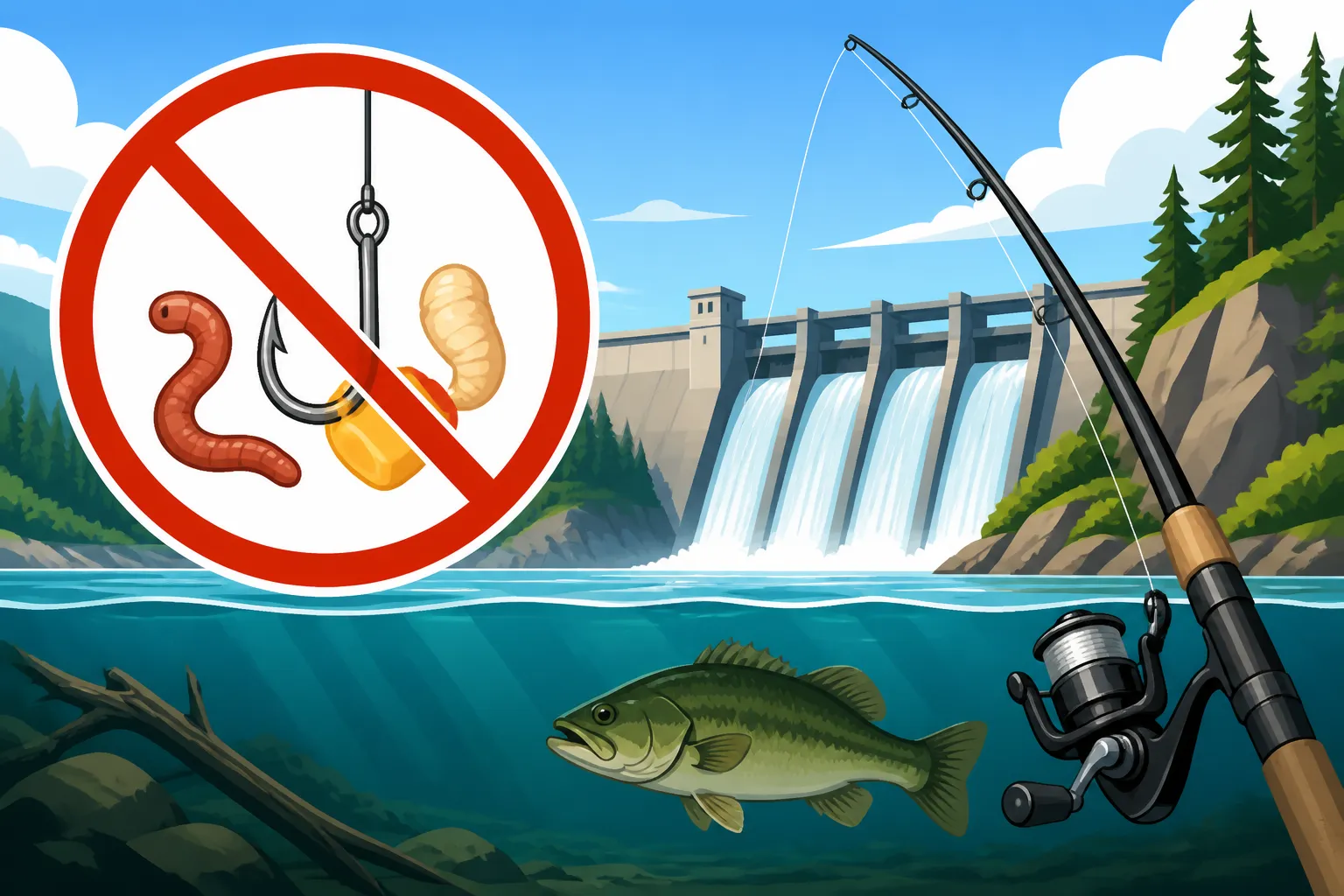
Bait Restrictions Near Pactola Dam
Navigating the specific rules and regulations for fishing in South Dakota can feel like trying to decipher an ancient code, especially when you're looking forward to a relaxing day on the water. Many anglers get genuinely frustrated by the varying bait restrictions, and nowhere is this more true than around the beautiful, yet tightly regulated, Pactola Dam area. This guide is here to untangle those complexities, clearly explaining the bait restrictions near Pactola Dam and how to ensure your fishing trip is both successful and fully compliant.
Why Pactola Dam Has Unique Bait Rules
It's easy to wonder why some fishing spots have more stringent rules than others, and Pactola Dam is definitely one of those places. These aren't just arbitrary regulations meant to make your life harder; they're thoughtfully implemented measures by the South Dakota Game, Fish and Parks (GFP) to protect a truly special and somewhat delicate fishery. Understanding the why can make adhering to the what a lot easier to swallow.
Protecting a Fragile Ecosystem
The area around Pactola Dam, nestled in the heart of the Black Hills National Forest, is a stunning natural gem. It's home to pristine waters that support diverse aquatic life, most notably a thriving trout population. This ecosystem, while beautiful, is also quite fragile. Introducing foreign substances or species through bait can have devastating consequences. Think about it: a small worm from your garden might carry bacteria or parasites that the local fish haven't developed immunity to, leading to disease outbreaks. Or, an accidental introduction of a non-native minnow could lead to an invasive species taking root, outcompeting the native fish for food and habitat. The "bait restrictions" aren't just about what's on your hook; they're about safeguarding the entire watery world below the surface. This proactive approach helps preserve the long-term health and vitality of the reservoir and its outflowing streams, ensuring that future generations can enjoy the same excellent fishing opportunities.
The Importance of Wild Trout Populations
Pactola Reservoir and the Rapid Creek below it are renowned for their exceptional trout fishing. While some stocking occurs, a significant portion of the fishery relies on wild, naturally reproducing trout populations. These wild fish are often more susceptible to disease and environmental changes than their hatchery-raised counterparts. The bait restrictions, particularly the "artificial lures only" rule, are designed to minimize harm to these delicate fish. When a trout swallows a live bait or a heavily scented synthetic bait, it's more likely to be deeply hooked, making catch-and-release efforts far less successful. Artificial lures, by their nature, are generally designed to hook fish in the mouth, increasing the chances of a clean release and allowing those precious wild trout to swim away unharmed to spawn another day. The goal is to support a sustainable, high-quality fishery that provides a challenging and rewarding experience for anglers who value the thrill of the catch and the health of the resource. If you're passionate about preserving these unique opportunities, you might also be interested in learning more about the Black Hills Catch-and-Release Trout Streams.
Specific Bait Restrictions at Pactola Dam and Downstream Waters
Alright, let's get down to brass tacks: what exactly are you not allowed to use, and what is permitted? This is where many anglers get confused, but once you understand the core principle, it becomes much clearer. The rules around Pactola are primarily designed to keep organic and scent-impregnated baits out of the water.
Artificial Lures Only Waters
Around Pactola Dam and specific stretches of Rapid Creek downstream, you're entering "artificial lures only" territory. This means your tackle box needs to be stocked with things like flies, spoons, spinners, jigs, and crankbaits. The key characteristic of an artificial lure is that it's made of inert materials—metal, plastic, feathers, hair, rubber—and is designed to mimic natural prey without actually being food itself. It's crucial that these lures are not scented, flavored, or treated with any substance that would make a fish think it's edible. This includes commercially available scents that you might spray or apply to your lures, as well as naturally derived scents. The idea is to trigger a fish's predatory instinct through sight and action, not through taste or smell, which can lead to deeper hooking. Always double-check your products; some modern soft plastics come pre-scented, and these would be a no-go in "artificial lures only" areas.
No Organic Bait Rule
Following from the "artificial lures only" principle, the "no organic bait" rule is pretty straightforward: if it's alive, was once alive, or smells like it was, you can't use it. This explicitly rules out a long list of traditional and effective baits that are perfectly legal in many other South Dakota waters. We're talking about live minnows, worms (nightcrawlers, red wigglers, etc.), leeches, grasshoppers, and even prepared baits like corn, cheese, or the ever-popular PowerBait. The reason for this strict prohibition, as mentioned earlier, is multifaceted: preventing the spread of disease and invasive species, and minimizing deep-hooking of trout, especially important in catch-and-release fisheries. Even if you're not planning to keep fish, using organic bait increases the likelihood of a trout swallowing the hook entirely, making a successful release nearly impossible and often fatal for the fish.
Catch-and-Release Implications
The strict bait regulations at Pactola Dam are intimately tied to its identity as a premier trout fishery with strong catch-and-release ethics. When you're using artificial lures and practicing proper techniques, the fish are much more likely to be hooked in the lip or corner of the mouth, which makes for an easier and safer release. This is absolutely vital for maintaining healthy populations, especially for the larger, more mature trout that contribute significantly to spawning. Deep-hooked fish, often a consequence of using organic baits that are swallowed whole, have a much lower survival rate, even if carefully released. The regulations encourage anglers to focus on skill, presentation, and technique, enhancing the sporting aspect of trout fishing while ensuring the sustainability of the resource. Understanding this connection can make adhering to rules like the Pactola Dam Catch-and-Release Water Rules feel less like a restriction and more like a contribution to conservation.
Understanding the Affected Areas: Pactola Reservoir and Rapid Creek
It's not enough to know what the bait restrictions are; you also need to know exactly where they apply. South Dakota's fishing regulations can sometimes change from one bridge to the next, so knowing the specific boundaries around Pactola Dam is crucial to avoid any missteps.
Boundaries of the Special Regulations
The primary special regulations for bait apply directly to Pactola Reservoir itself and a significant portion of Rapid Creek immediately downstream from the dam. For Pactola Reservoir, the rule is generally "artificial lures only." Below the dam, the special rules often extend downstream for several miles, particularly through sections of Rapid Creek that are designated for high-quality trout fishing, sometimes including sections through the city of Rapid City. For example, parts of Rapid Creek, especially the "fly-fishing only" or "artificial lures only" sections, will strictly prohibit organic baits. It's imperative to consult the official South Dakota Game, Fish and Parks (GFP) fishing handbook or their online regulations map to pinpoint the exact boundaries, as these can occasionally be updated. A quick check before your trip can save you a lot of grief and ensure you're fishing legally. You can always refer to the South Dakota GFP Fishing Handbook Guide for the most current information.
What You Can Use in Nearby "General Regulation" Waters
While Pactola and certain sections of Rapid Creek are strict, it's important to remember that not all waters in the Black Hills operate under the same stringent bait restrictions. There are plenty of other fantastic fishing opportunities nearby where bait is allowed, offering a different angling experience. For instance, many other Black Hills streams or lakes might allow the use of live bait, PowerBait, or other organic options. Sheridan Lake, for example, is another popular Black Hills destination that often has more general regulations, allowing a wider variety of baits.
If you're eager to fish with live bait or want to explore different techniques, consider heading to these alternative spots. Sometimes, finding a local guide can be invaluable in navigating these nuanced regional differences. They know the subtle changes in regulations from one body of water to the next. You can often find reputable local guides through platforms like FishingBooker, who are experts in the region and can point you to the right spots with the right rules, whether you're looking for bait-friendly waters or prefer an artificial-lure challenge. They can also provide insights into Best Guided Fishing Trips in the Black Hills.
Here's a quick reference table for bait types in popular Black Hills fishing locations:
| Location | Organic Bait (Worms, Minnows, PowerBait) | Artificial Lures (Jigs, Spoons, Flies) | Scented Lures/Attractants | General Target Species |
|---|---|---|---|---|
| Pactola Reservoir | NO | YES | NO | Trout, Kokanee Salmon |
| Rapid Creek (Below Pactola Dam, Special Regs) | NO | YES (often fly-fishing only in some sections) | NO | Trout |
| Sheridan Lake | YES (check specific species rules) | YES | YES | Trout, Pike, Bass, Panfish |
| Deerfield Lake | YES | YES | YES | Trout, Perch, Crappie |
| Other Black Hills Streams (General Regs) | YES (check specific stream rules) | YES | YES | Trout |
Always consult the current South Dakota Game, Fish and Parks (GFP) regulations before fishing, as rules can change.
Practical Tips for Anglers Fishing Pactola Dam
Preparing for a fishing trip to Pactola Dam, especially if you're used to more lenient bait rules elsewhere, requires a bit of forethought. Taking these practical steps will ensure you're ready for the "artificial lures only" challenge and can fully enjoy your time on the water without worrying about violations.
Gear Preparation Before You Go
Before you even leave your driveway, dedicate some time to meticulously inspect and prepare your fishing gear. This isn't just about packing the right lures; it's about making sure your equipment is clean and free of any prohibited remnants. If you've been fishing with live bait or scented powerbaits elsewhere, thoroughly clean your tackle box, nets, and even the inside of your boat if you're trailering. A stray worm in your net or a piece of PowerBait stuck to a spinner could inadvertently lead to an issue. Ensure your artificial lure selection is appropriate for the conditions and species you're targeting. For trout, think about small spinners, spoons, soft plastic jigs, and a good selection of flies if you're a fly angler. If you're planning on South Dakota Fly Fishing for Black Hills Trout, make sure your fly box is well-stocked with nymphs, dries, and streamers suitable for these waters. Investing in a separate, dedicated tackle box for "artificial lures only" waters can prevent accidental mix-ups.
Double-Checking Regulations
Seriously, don't just rely on what you think you remember from last year or what you heard from a buddy. Regulations, especially around specific, sensitive areas like Pactola Dam, can and do change. The South Dakota Game, Fish and Parks (GFP) updates its fishing handbook annually, and sometimes even makes in-season adjustments. Before any trip, make it a habit to visit the official GFP website or grab the latest physical copy of their regulations handbook. Pay close attention to the sections specifically covering Pactola Reservoir, Rapid Creek, and any other Black Hills streams you plan to visit. Look for special "exceptions," "artificial lures only" designations, and specific fish limits, such as those found in the South Dakota Trout Limits in the Black Hills. Having the current information in hand or easily accessible on your phone can prevent fines and ensure you're fishing responsibly.
Ethical Angling and Conservation
Adhering to bait restrictions is more than just following the law; it's a fundamental part of ethical angling and conservation, particularly in such a treasured fishery. When you respect these rules, you're actively contributing to the health and sustainability of the wild trout populations that make the Pactola area so special. This includes practicing proper catch-and-release techniques to ensure released fish have the best chance of survival. Always handle fish gently, minimize their time out of water, and use de-barbed hooks when possible to facilitate a quick release. Learning about What High-Grading Means for Trout Anglers can further enhance your understanding of responsible fishing practices. By being a thoughtful steward of the environment, you help preserve these incredible fishing opportunities for everyone, now and in the future. If you're unsure about specific techniques or rules for a particular area, considering a trip with a knowledgeable guide from FishingBooker can be a great way to learn responsible practices firsthand and ensure you're fishing ethically.
Disclaimer
The information provided in this guide is for general informational purposes only and is subject to change. While we strive to offer accurate and up-to-date content, fishing regulations, licenses, and local conditions can vary and be updated by the South Dakota Game, Fish and Parks (GFP) at any time. It is the angler's responsibility to consult the most current official South Dakota Fishing Regulations before engaging in any fishing activities. Always prioritize safety and adherence to all applicable laws and regulations.