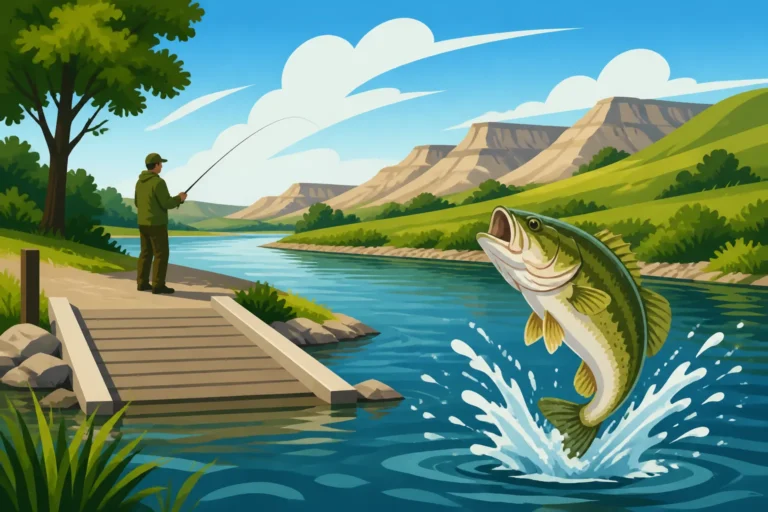
Cottonwood Lake Fishing Report
It's incredibly frustrating, isn't it? You've got your gear ready, the sun's shining, and you're dreaming of bending a rod, but finding reliable, up-to-date information on smaller, often overlooked gems like Cottonwood Lake can feel like a wild goose chase. Most reports focus on the big Missouri River reservoirs, leaving you guessing about what's truly biting and how to best approach these more intimate waters. This guide aims to cut through that uncertainty, providing a real-world, comprehensive fishing report specifically for Cottonwood Lake, South Dakota, so you can spend less time wondering and more time catching.
What's Biting at Cottonwood Lake? A Species-Specific Breakdown
Cottonwood Lake, nestled in the glacial lakes region of eastern South Dakota, might not get the same press as Lake Oahe or Lake Sharpe, but it consistently delivers quality fishing for several popular species. Understanding what's in the water and how they behave is the first step to a successful outing. This lake is primarily known for its walleye, yellow perch, and various panfish, offering something for every angler.
Walleye Wonders and Where to Find Them
Ah, the walleye. The undisputed king for many South Dakota anglers, and Cottonwood Lake holds its fair share of them. These aren't necessarily trophy-class giants that make the front page, but consistent catches of eaters are very common, with a good chance at a few fish pushing into the 20-inch range. What you'll find here are healthy, actively feeding walleyes that respond well to traditional tactics.
In spring, immediately after ice-out, look for walleye to be shallow, often in 5-10 feet of water near sandy or rocky points and shoreline breaks as they stage for the spawn. As the water warms into late spring and early summer, they'll start to spread out, often relating to submerged weed lines, humps, and subtle transitions in depth. During the peak summer months, especially on brighter days, walleye will often retreat to deeper basin areas, typically 15-25 feet, or hold tight to the edges of deeper weed beds during the day, moving shallower to feed at dawn and dusk. For a deeper dive into their behavior, check out our comprehensive South Dakota Walleye Fishing Guide. Come fall, they become increasingly aggressive, often found gorging on baitfish in various depths, preparing for winter. Target areas with good forage, like schools of shad or minnows, which can often be located with a good fish finder.
Perch Perfection: Tips for Jumbo Yellows
If you love a good perch fry, Cottonwood Lake should definitely be on your radar. It has a reputation for producing some really nice yellow perch, often referred to as "jumbos" due to their impressive size. These fish are a blast to catch, particularly through the ice, but can be caught throughout the open water season as well.
During open water, perch tend to school up, often preferring areas with abundant aquatic vegetation, submerged brush, or mid-lake humps where they can find food and cover. Look for them in depths ranging from 8-20 feet, depending on the time of year and water temperature. They love small jigs tipped with a piece of live bait like a minnow head, or tiny plastics. In the winter, Cottonwood Lake truly shines for perch. Anglers flock to the lake, drilling holes over known humps and deep weed lines, targeting these tasty fish. They'll often roam in large schools, so if you find one, you've likely found several. For detailed strategies, our South Dakota Perch Fishing Guide offers excellent insights into targeting these cooperative fish.
Crappie and Panfish: The Consistent Catch
Beyond walleye and perch, Cottonwood Lake offers excellent opportunities for various panfish, including black crappie, bluegill, and sometimes sunfish. These species are fantastic for beginners, kids, or anyone just looking for consistent action and a delicious meal.
Crappie in Cottonwood Lake are typically found around submerged timber, brush piles, docks, and the edges of weed beds. They love to suspend in the water column, often just above structure or schools of baitfish. Early spring and late fall are prime times for crappie as they move shallower. Small jigs (1/32 to 1/16 oz) tipped with tiny plastics, minnows, or wax worms are usually irresistible to them. Bluegill and sunfish, on the other hand, are often found right in the thick of dense weed beds or around shallow cover. They are less finicky and will readily hit small hooks with worms, corn, or even tiny flies. These panfish provide fantastic action and are a great way to introduce new anglers to the sport. For a deeper dive into catching these popular species, our South Dakota Crappie Fishing Guide covers all the essential techniques.
Navigating Cottonwood Lake Through the Seasons
Fishing at Cottonwood Lake isn't a one-size-fits-all affair. Each season brings its own challenges and rewards, requiring anglers to adapt their strategies to the ever-changing behavior of the fish. Understanding these seasonal shifts is crucial for consistent success.
Spring Fling: Post-Spawn Opportunities
Spring at Cottonwood Lake is a time of renewed activity as the ice retreats and the water begins to warm. For walleye, this is a critical period. After spawning, which typically occurs shortly after ice-out, they move into a post-spawn feeding frenzy to recover energy. You'll often find them congregating in shallower areas, particularly points, shallow bays, and near creek inlets where warmer water and baitfish are abundant. This is a great time for pitching jigs and minnows or slow-rolling crankbaits in depths of 5-15 feet.
Crappie and bluegill also become very active in the spring, moving into shallower waters to spawn. Look for them in less than 10 feet of water around new weed growth, submerged brush, and docks. They're often eager to hit small jigs, bobber rigs with minnows or worms, and tiny spoons. The key in spring is to focus on areas that warm up fastest and offer easy access to forage. Remember to consult the South Dakota Fishing Seasons Explained to ensure you're aware of any specific regulations or dates related to spring fishing.
Summer Strategies: Deep Water & Evening Bites
As summer progresses and water temperatures rise, Cottonwood Lake's fish shift their patterns significantly. Walleye will often move to deeper structures during the day, such as mid-lake humps, rock piles, or the deep edges of weed lines, seeking cooler temperatures and stable oxygen levels. Trolling crankbaits or spinner rigs with nightcrawlers (often using bottom bouncers) can be incredibly effective during these times. However, the prime walleye bite often occurs during low-light periods – dawn, dusk, and even into the night – when they push shallower to ambush baitfish.
Perch and panfish will also seek cooler, deeper water or thicker cover. Look for schools of perch suspended over deeper flats or relating to submerged timber. Crappie will often be found suspended over brush piles or deep weed edges. Small jigs and live bait presented vertically are excellent summer panfish tactics. For those hot, bright days, focusing on deeper presentations or waiting for the evening bite will yield the best results. You might even consider using a guide service found on platforms like FishingBooker to help pinpoint these elusive summer patterns.
Fall Frenzy: Feeding for Winter
Fall is arguably one of the best times to fish Cottonwood Lake, as fish enter a period of aggressive feeding to build up fat reserves for the coming winter. The cooling water temperatures invigorate most species, making them more active and often less finicky. Walleye, in particular, become much more aggressive. They'll be found in a variety of depths, often following baitfish schools into shallower bays or congregating on main lake points and humps. Larger crankbaits, jigging spoons, and vertical jigging with minnows can be extremely effective.
Perch and crappie also become very active, often schooling tightly as they chase baitfish. Look for them on the edges of remaining green weed beds or relating to deeper structure. This is often the time to catch some of the larger specimens of the year across all species. Fall fishing can be glorious, with vibrant foliage and fewer crowds, making it a truly rewarding experience on Cottonwood Lake.
Winter Wonderland: Ice Fishing Hotspots
When Cottonwood Lake freezes over, a new world of angling opportunities opens up. Ice fishing is hugely popular here, especially for yellow perch and walleye. The key to successful ice fishing is understanding where the fish hold under the ice and being willing to move until you find them.
Common hotspots for walleye include main lake points, humps, and the deeper basins, particularly during low-light hours. Jigging spoons tipped with minnow heads, or dead sticking a minnow under a bobber, are classic tactics. Perch often school over deep weed lines and flats, responding well to small tungsten jigs tipped with wax worms or plastics. Always prioritize safety by checking ice thickness, and consider bringing an ice shelter for comfort. Our comprehensive South Dakota Ice Fishing Guide offers a wealth of information on techniques, safety, and gear. Many anglers even book local guides through FishingBooker to ensure they hit the most productive spots during the ice fishing season.
Essential Tactics and Gear for Cottonwood Lake Success
Having the right approach and equipment can make all the difference between a frustrating day and a memorable one on Cottonwood Lake. It's not just about having gear, but having the right gear and knowing how to use it effectively for this specific body of water.
Lures, Baits, and Presentations That Work
For walleye, a versatile tackle box is your best friend. In spring and fall, jigging with 1/8 to 1/4 ounce jigs tipped with live minnows or soft plastics (like a paddle tail or grub) is a killer combination, especially around points and breaks. When walleye are deeper or more scattered, trolling crankbaits like Rapala Shad Raps or Berkley Flicker Shads can cover a lot of water and entice bites. Spinner rigs with nightcrawlers, pulled behind bottom bouncers, are a staple for summer walleye, particularly when fishing main lake flats or weed edges. For specific recommendations, check out our guide on the Best Lures for South Dakota Walleye.
Perch and crappie typically respond to smaller presentations. For perch, tiny tungsten jigs (1/32 to 1/16 oz) tipped with wax worms, spikes, or small plastics are excellent, especially when fished vertically or under a slip bobber. For crappie, similar small jigs, often in brighter colors, can be highly effective, especially when tipped with a small minnow. Bluegill will readily take a small hook with a piece of crawler, corn, or a wax worm under a bobber. Having a variety of small, brightly colored jigs in your tackle box will serve you well for panfish.
Understanding Lake Structure and Electronics
Cottonwood Lake, like many glacial lakes, features a mix of depths, contours, and vegetation. To truly unlock its potential, you'll want to understand its structure. Look for underwater humps, points extending into the lake, depth transitions (from shallow flats to deeper basins), and areas with healthy submerged vegetation. These are all prime fish-holding areas.
A good fish finder is invaluable here, whether you're in a boat or ice fishing. It allows you to identify depth, locate schools of baitfish, mark structures, and even see individual fish. For open water, a fish finder with side imaging or down imaging can help you scan wider areas and pinpoint subtle contours or brush piles that might hold fish. For ice fishing, a flasher unit or an underwater camera can dramatically improve your success by showing you fish reactions to your bait in real-time. Knowing How to Read a Fish Finder for Walleye can significantly improve your catch rates by helping you interpret what you're seeing on the screen. Don't be afraid to study lake maps beforehand to get a lay of the land, or, in this case, the lake bottom!
Shore Fishing and Boat Access Considerations
Cottonwood Lake offers opportunities for both boat and shore anglers. For those with a boat, there are public boat ramps available, typically managed by the South Dakota Game, Fish and Parks (GFP) or local entities. Always check the ramp conditions before heading out, especially during low water periods or early in the season. Ensure your boat registration is up to date, as outlined in our South Dakota Boat Registration Guide.
Shore fishing can be surprisingly productive, especially during spring and fall when fish move closer to the banks. Look for public access areas, parks, or road allowances that provide direct access to the water. Casting crankbaits or jigs from shore around points or weed edges can yield good walleye and perch. For panfish, simply finding a comfortable spot near some submerged vegetation or a dock can provide steady action. While shore fishing might limit your reach to deeper structures, it's an excellent option for a relaxed outing, and you can still have plenty of success.
Planning Your Trip and Local Insights
A successful fishing trip to Cottonwood Lake isn't just about what lures you throw, but also about how well you prepare for the overall experience. Knowing local conditions, understanding regulations, and having access to resources can make your day much smoother and more enjoyable.
Best Times to Visit and Local Conditions
Cottonwood Lake offers fishing opportunities year-round, but the "best" time often depends on your target species and preferred fishing method. As discussed, spring and fall offer aggressive walleye and panfish bites, while summer provides warm-weather trolling and evening action. Winter, of course, is prime time for ice fishing, particularly for those jumbo perch.
Always keep an eye on the weather forecast; South Dakota weather can be unpredictable. Wind can significantly impact fishing conditions, especially on larger lakes or during ice fishing. Checking local South Dakota Game, Fish and Parks reports or local bait shops can give you real-time insights into what's biting, recent stocking efforts, and current lake conditions. Online fishing forums or communities can also be a goldmine of information, but always take reports with a grain of salt and confirm details. Sometimes, a quick call to a local bait shop near Watertown or Webster can yield the most current and accurate intel.
Nearby Amenities and Resources
Cottonwood Lake isn't in the middle of nowhere, so you'll find some essential amenities nearby. For bait and tackle, local shops are your best bet. These establishments often carry specific lures and baits that are performing well on local waters, and their staff are usually a fantastic source of up-to-date fishing reports and advice. If you're staying for a while, there are usually campgrounds or lodging options in nearby towns.
For those who prefer a guided experience, particularly if you're new to the lake or targeting a specific species, considering a local guide can be invaluable. Platforms like FishingBooker can connect you with experienced fishing guides who specialize in Cottonwood Lake and other glacial lakes, ensuring you hit the water with local expertise. They often know the subtle nuances of the lake that only years of experience can teach. Before heading out, always ensure you have the necessary South Dakota Fishing License Guide and understand all current regulations to avoid any issues. This includes checking any special rules for the lake and making sure you have a South Dakota Habitat Stamp Requirements if needed.
| Species | Best Season | Key Locations | Preferred Baits/Lures |
|---|---|---|---|
| Walleye | Spring, Fall | Points, Humps, Deep Weed Edges, Basin Areas | Jigs/Minnows, Crankbaits, Spinner Rigs |
| Yellow Perch | Winter, Fall | Deep Weed Lines, Humps, Flats | Tungsten Jigs/Worms, Minnow Heads |
| Crappie | Spring, Fall | Submerged Timber, Brush Piles, Weed Edges | Small Jigs/Minnows, Tiny Plastics |
| Bluegill | Spring, Summer | Dense Weed Beds, Shallow Cover, Docks | Worms, Corn, Wax Worms, Tiny Jigs |
Remember, the fish are always moving and adapting, so be prepared to do the same. Enjoy your time on Cottonwood Lake!
Disclaimer
The information provided in this guide is for general informational purposes only and is based on typical fishing patterns and current available knowledge. Fishing conditions, regulations, and fish behavior can change rapidly. Always consult the official South Dakota Game, Fish and Parks (GFP) regulations handbook or website for the most current rules, limits, and any special advisories before fishing. Local conditions, such as weather, water levels, and recent stocking efforts, can significantly impact fishing success. Anglers should exercise caution and judgment, especially when ice fishing or operating a boat.