James River Catfish Fishing Report
There’s nothing quite like the thrilling tug on your line when a big catfish decides to bite, especially on a river as promising as the James. Many anglers, new and seasoned alike, often wonder where the best spots are, what bait to use, and when to even bother heading out, leading to frustrating days with empty stringers. This comprehensive guide is dedicated to demystifying catfish fishing on South Dakota's James River, providing you with the essential knowledge and practical tips to land more whiskered giants.
The Allure of Catfish on the James River
The James River, often affectionately called the "Jim River" by locals, is a vastly underrated fishery for catfish, stretching through the eastern part of South Dakota. While many folks flock to the larger Missouri River reservoirs for walleye, the James holds a robust population of channel catfish, offering an exciting and often less crowded angling experience. This river provides a different kind of challenge and reward, with its slower currents, meandering stretches, and abundant forage making it an ideal habitat for catfish to thrive and grow to impressive sizes.
Why the James River is a Catfish Haven
The unique characteristics of the James River contribute significantly to its excellent catfish population. Unlike the big, fast-moving sections of the Missouri, the James generally has a more sedate flow, punctuated by deeper holes, logjams, and undercut banks. These features are exactly what channel catfish are looking for: structure for ambush points, shelter from current, and easy access to a smorgasbord of food. The river's nutrient-rich waters support a healthy ecosystem of baitfish, insects, and crustaceans, providing an endless buffet for growing catfish. Anglers who take the time to learn its nuances often find themselves rewarded with consistent action and memorable catches. It's a fantastic spot for a relaxing day of fishing, whether you're alone or with the family.
Common Catfish Species Found Here
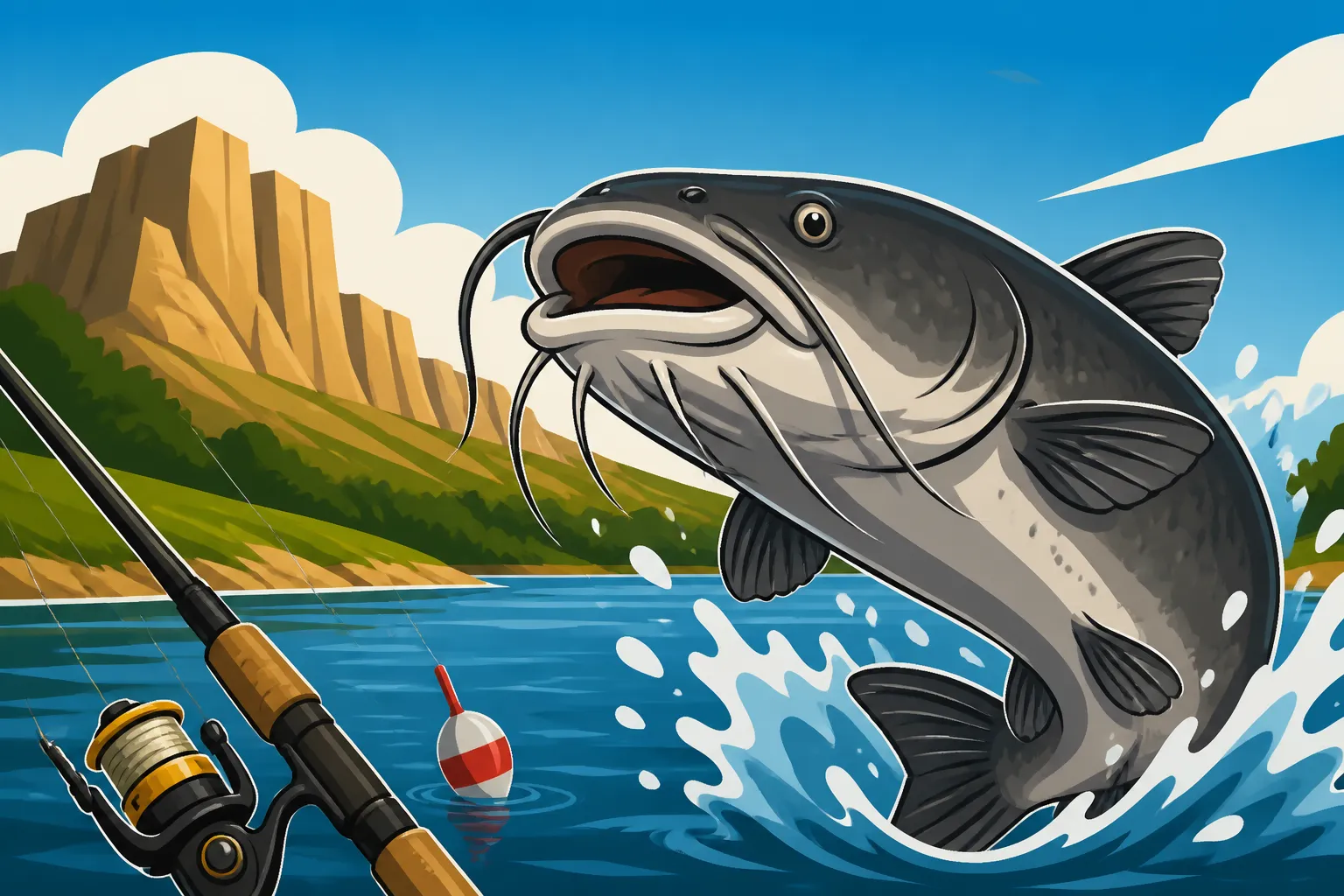
While the Missouri River in South Dakota can boast of flatheads and blue catfish, the James River is primarily a channel catfish fishery. These are the most common and widely distributed catfish species in the state, and they thrive in the James's warmer, often turbid waters. Channel catfish are easily identifiable by their slender bodies, deeply forked tails, and a smattering of black spots, particularly on younger fish. They're also renowned for their excellent table fare, making them a popular target for anglers looking to fill their coolers. Don't underestimate their fighting ability though; even a mid-sized channel cat can put up a surprisingly strong battle, especially in the river's currents. Their abundance means that if you know what you're doing, you're likely to have a productive day on the water.
Understanding James River Catfish Seasons and Behavior
Like most fish, catfish behavior on the James River is heavily influenced by the seasons, especially water temperature and flow. Knowing when and why catfish move and feed can dramatically increase your success rate. It's not just about throwing a line in; it's about understanding the rhythm of the river and the fish that inhabit it.
Prime Time for Catfish Action
Generally, the warmer months from late spring through early fall offer the most consistent catfish action on the James River.
- Late Spring (May-June): As water temperatures climb into the 60s Fahrenheit, catfish become increasingly active. This pre-spawn period sees them feeding aggressively, bulking up before the rigors of spawning. They'll often be found in shallower areas, moving into tributary mouths or slack water eddies. This is an excellent time for consistent bites.
- Summer (July-August): Peak summer heat means catfish are in full swing. They’ll often hold in deeper holes during the brightest parts of the day, seeking cooler water and cover. However, they become very active feeders during low-light conditions – think early mornings, late evenings, and especially at night. Night fishing for summer walleye might be popular elsewhere, but night fishing for catfish on the James can be incredibly productive.
- Early Fall (September-October): As temperatures begin to drop, catfish will once again enter a strong feeding pattern, similar to pre-spawn. They're trying to pack on calories for the approaching winter. They might spread out a bit more, but still prefer deeper pockets of the river.
During the colder winter months, catfish activity slows considerably. While they can still be caught, it requires much more patience and different tactics, as they become lethargic and seek the deepest, most stable water they can find. If you're looking for consistent action, focus on the warmer seasons.
How Water Levels and Flow Affect Catfish
The James River's flow and water levels can fluctuate significantly, especially after heavy rains or during prolonged dry spells. These changes have a direct impact on where catfish will hold.
- High Water/Fast Flow: When the river is running high and fast, catfish will move out of the main current and seek refuge in slower-moving areas. Look for them in eddies, behind logjams, in oxbows, or in flooded backwater areas. The increased turbidity often makes for excellent daytime fishing, as the murky water provides cover and disorients baitfish. This is a time when the fish are often concentrated in specific spots, making them easier to target if you know where to look.
- Normal/Low Water: During periods of stable or low water, catfish are more likely to be found in the main channel, concentrating in deeper holes, along channel edges, or around submerged structure like fallen trees and brush piles. The lack of current means they don't have to expend as much energy to hold their position, allowing them to cruise for food more readily. In these conditions, focusing on structure and depth is key. Remember that even a slight current break can hold fish. For more detailed insights on how water conditions affect fish behavior, check out our guide on Wind and Weather Fishing Tips.
Effective Techniques and Baits for James River Catfish
Catfishing on the James River isn't overly complicated, but having the right techniques and baits in your arsenal can make all the difference between a slow day and a banner day. Catfish are primarily scavengers with an incredible sense of smell, so pungent baits are often your best bet.
Baits That Bring the Bites
When it comes to baits, the smellier, the better. Here are some of the tried-and-true favorites for James River channel catfish:
- Cut Bait: This is arguably the most effective bait for channel catfish. Cut pieces of oily fish like shad, skipjack, or even common carp can be incredibly enticing. The scent trail they emit in the water is irresistible. Locally caught suckers or minnows also work well. Just make sure the pieces are large enough to stay on the hook but small enough for a catfish to swallow. For more on what to use, refer to Best Bait for South Dakota Catfish.
- Prepared Stink Baits: Many commercial "stink baits" are formulated specifically for catfish, often made with cheese, blood, or other strong-smelling ingredients. Brands like Catfish Charlie or Secret 7 are popular. These baits are typically fished on a sponge hook or a specially designed bait holder to keep them on. They are especially effective in warmer water where scents disperse quickly.
- Live/Dead Minnows: While cut bait is often preferred, a lively or recently deceased minnow (especially larger ones) can also attract hungry catfish, particularly those looking for an easy meal.
- Worms: Good old nightcrawlers and other earthworms are universal fish catchers, and catfish are no exception. A large wad of worms on a hook can be very effective, especially for smaller channel cats or if you're targeting panfish simultaneously.
- Chicken Liver: This classic catfish bait is cheap, readily available, and incredibly effective due to its strong scent and soft texture. The challenge is keeping it on the hook, so consider using a bait thread or a small piece of pantyhose to secure it.
Essential Rigging and Presentation
Keeping your bait in the strike zone is crucial. Here are some common and effective rigs:
- Carolina Rig (Santee Rig): This is a go-to for many river anglers. It consists of a sliding sinker (egg sinker or no-roll sinker), followed by a bead (to protect the knot), a barrel swivel, and a leader (12-24 inches) tied to a hook. The sliding sinker allows the fish to pick up the bait without feeling immediate resistance, while the leader keeps your bait slightly off the bottom or allows it to drift naturally in the current.
- Three-Way Swivel Rig: Ideal for heavier currents, this rig uses a three-way swivel with one eye tied to your main line, another to a short leader (6-12 inches) with a sinker, and the third to a longer leader (18-36 inches) with your hook and bait. This keeps your bait near the bottom but allows it to waft enticingly in the current.
- Slip Bobber Rig: While not exclusively for catfish, a slip bobber rig can be excellent for suspending bait just above submerged structure or along drop-offs, especially in slower currents. It allows you to adjust your depth easily and presents the bait very naturally.
Hook Selection: For channel catfish, a sharp, strong hook is essential. Circle hooks (sizes 2/0 to 5/0) are highly recommended, as they typically hook fish in the corner of the mouth, leading to fewer gut hooks and easier releases. J-hooks of similar sizes also work, but require a more timely hook set.
Rod and Reel: A medium to medium-heavy spinning or baitcasting rod, 6.5 to 7.5 feet long, paired with a reliable reel spooled with 15-30 pound monofilament or braided line, will handle most James River catfish. Durability is key; these fish can fight!
Navigating the James River: Access and Tips
The James River is extensive, offering numerous access points for shore anglers and boaters alike. Knowing where to go and how to approach different sections of the river can significantly impact your fishing experience.
Popular Access Points and Fishing Locations
While the James River flows through many counties, some areas are particularly well-known for their catfish potential. Keep in mind that specific spots can change over time due to river dynamics, so always scout ahead.
- Bridge Crossings: Bridges often create natural current breaks and scour out deeper holes, making them prime spots for catfish. Look for bridges along county roads, especially those that cross more remote sections of the river. Areas around Huron, Mitchell, and Yankton often have good access.
- Public Lands and Parks: Many state and local parks or public access points along the James River offer bank fishing opportunities. These areas are generally well-maintained and provide easier access, which is great for family outings. Use resources like the South Dakota Game, Fish and Parks (GFP) website to locate designated public access points.
- Feeder Creeks and Confluences: Where smaller creeks or ditches flow into the James River, especially after a rain, these areas can be hotspots. The influx of fresh water often carries food into the main river, attracting catfish.
- Oxbows and Backwaters: The meandering nature of the James means there are numerous oxbow lakes and slower backwater sections, particularly in the lower stretches. These areas can hold significant numbers of catfish, especially during periods of high water in the main channel.
For those looking to explore with a boat, smaller jon boats or canoes are ideal for navigating the James River, given its sometimes narrow and shallow characteristics. Always check current river levels before launching, as conditions can vary dramatically. If you're looking for a guided experience on the James or even on the broader Missouri River, services like FishingBooker can help you find local guides specializing in catfish.
Shore Fishing vs. Boat Fishing
Both shore and boat fishing can be highly effective on the James River, each with its own advantages.
- Shore Fishing: Offers accessibility and simplicity. You can walk the banks, target visible structure like logjams or cut banks, and move easily if a spot isn't producing. It's perfect for a casual afternoon or for introducing new anglers to the sport. Many of the bridge areas mentioned above are fantastic for bank fishing. You might not cover as much water as a boat angler, but patience and strategic bait placement can still yield great results.
- Boat Fishing: Provides greater mobility and access to remote sections of the river, deeper holes, and structure that's out of reach from shore. With a boat, you can drift stretches of the river, anchor in prime locations, and truly explore the catfish potential. A shallow-draft boat like a jon boat or a sturdy canoe or kayak is often best due to the river's varied depths and occasional obstructions. Kayak fishing techniques for beginners can certainly be adapted for the James River.
No matter your preferred method, always prioritize safety. Wear a life jacket, especially if boating alone or in swift currents. Let someone know your plans and expected return time.
James River Catfish Outlook and Conservation
The James River continues to be a fantastic resource for catfish anglers in South Dakota. The Game, Fish and Parks department actively manages the fishery, ensuring healthy populations for future generations. Understanding the current status and practicing responsible angling are crucial for maintaining this valuable resource.
Current Fishing Trends and Reports
While a specific, real-time "fishing report" changes daily, current trends on the James River generally indicate a healthy and active channel catfish population. Anglers often report good numbers of fish in the 2-5 pound range, with larger trophy-sized cats (10+ pounds) being caught regularly by those who put in the time. Local bait shops and fishing forums are excellent resources for the most up-to-date, hyper-local information on what's biting and where. If you're planning a trip, checking in with a local outfitter or even just a quick search for "James River Catfish Fishing Report" will give you current conditions. Sometimes, booking a guide through a platform like FishingBooker can provide immediate, expert-level intel on the best spots and tactics for that particular week.
Here’s a snapshot of typical conditions and expectations:
| Season | Expected Catfish Activity | Preferred Depth/Location | Recommended Bait & Rigging |
|---|---|---|---|
| Late Spring | High (pre-spawn feeding) | Shallows, tributary mouths, eddies | Cut bait, chicken liver, worms |
| Summer | High (active feeding) | Deeper holes, main channel structure | Cut bait, stink baits, night fishing |
| Early Fall | High (pre-winter feeding) | Deeper pockets, channel edges | Cut bait, worms |
| Winter | Low (slow feeding) | Deepest holes, stable water | Live minnows, small cut bait, patience |
This table represents general trends; actual conditions may vary.
Responsible Angling and Conservation
Maintaining a thriving catfish fishery on the James River is a shared responsibility. Here are a few important points to keep in mind:
- Know Your Limits: Always check the current South Dakota Fish Limits and Size Restrictions for catfish before you head out. These regulations are in place to ensure sustainable populations.
- Practice Catch and Release: While channel catfish are excellent eating, consider releasing larger breeding-sized fish (often the ones over 10 pounds) to help sustain the population. If you do keep fish for consumption, only take what you need.
- Proper Fish Handling: If you plan to release a fish, handle it carefully. Keep it in the water as much as possible, use wet hands, and use a de-hooking tool to minimize stress.
- Leave No Trace: Pack out everything you pack in. Dispose of all fishing line, bait containers, and trash properly. Protect the beauty of the James River for everyone to enjoy.
The James River truly offers a fantastic catfishing experience for anglers seeking a different challenge in South Dakota. By understanding its unique characteristics, adapting your techniques to the seasons, and practicing responsible angling, you're sure to create lasting memories and enjoy some incredible catches. Whether you're casting from shore or drifting in a boat, the potential for a big cat is always there.
Disclaimer
The information provided in this guide is for general informational purposes only and is based on typical conditions and practices. Fishing conditions, regulations, and fish behavior can change rapidly. Always consult the latest South Dakota Game, Fish and Parks regulations and local advisories before engaging in any fishing activities. Personal safety should always be your top priority.