Oakwood Lakes State Park Fishing Access
Finding that perfect fishing spot, one that offers not just a chance at a great catch but also a beautiful, serene environment, can sometimes feel like searching for a needle in a haystack. You want accessibility, diverse species, and enough space to truly enjoy the outdoors without feeling crowded. If you've been searching for such a gem in South Dakota, look no further than Oakwood Lakes State Park. This guide will walk you through everything you need to know to make your fishing trip to this incredible park a memorable one.
Discovering Oakwood Lakes State Park for Anglers
Oakwood Lakes State Park, nestled in the glacial lakes region of eastern South Dakota near Bruce, is more than just a park; it's a fisherman's paradise. This unique area comprises a chain of nine interconnected glacial lakes, with Lake Tetonkaha being the largest and most central. The park itself is known for its stunning natural beauty, including rolling hills, mature oak trees, and abundant wildlife, creating a picturesque backdrop for your angling adventures.
What truly sets Oakwood Lakes apart for anglers is its incredible diversity and accessibility. Whether you're a seasoned pro looking for trophy walleye or northern pike, a family hoping to reel in some panfish, or a solo angler seeking a peaceful afternoon on the water, this park caters to all. The interconnectedness of the lakes means you have a vast amount of water to explore, each with its own nuances and prime fishing spots, ensuring that you can always find a productive area regardless of the conditions.
Prime Fishing Opportunities at Oakwood Lakes
The chain of lakes within Oakwood Lakes State Park is teeming with a variety of popular game fish, making it a truly rewarding destination for any angler. Understanding what species thrive here and where to find them is key to a successful trip.
Target Species and Where to Find Them
The main draws for anglers at Oakwood Lakes are undoubtedly walleye, northern pike, crappie, bluegill, yellow perch, and largemouth bass. Each species has its preferred habitat and seasonal patterns, which can help you narrow down your search.
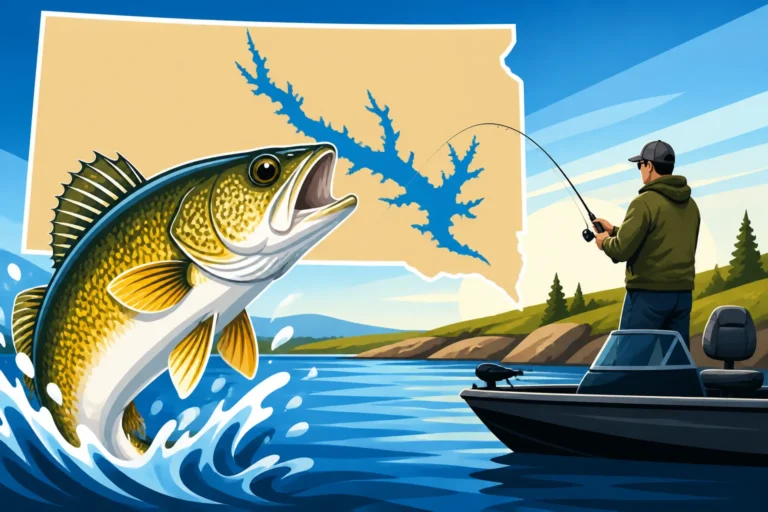
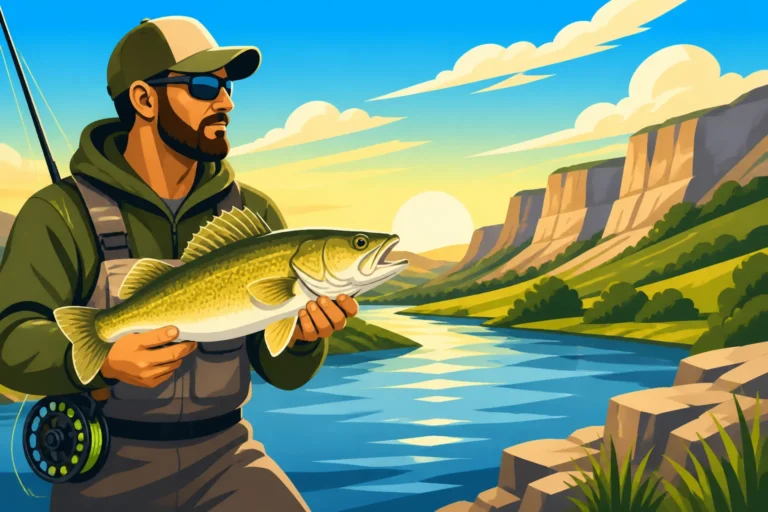
Walleye are a prized catch in these waters, especially in Lake Tetonkaha, Lake Poinsett (which is connected and accessible), and Lake Byre. Look for them holding on deeper points, along breaks, and near submerged structures. Early mornings and late evenings are often the most productive times for walleye, particularly during the warmer months. Many anglers find success drifting with live bait or trolling crankbaits along contours where the lake bottom changes depth significantly. If you're really looking to hone your skills, our comprehensive South Dakota Walleye Fishing Guide offers even more detailed strategies.
Northern pike are another exciting species to target, known for their aggressive strikes and powerful fights. They prefer cooler, shallower waters with plenty of weed growth, making the bays and shallower sections of the interconnected lakes ideal hunting grounds. Casting large spoons, spinnerbaits, or even using a live minnow under a bobber near weed lines can yield fantastic results. For specific tactics, check out our guide on Northern Pike Fishing Techniques for Weed Lines.
For those seeking consistent action and delicious table fare, the panfish populations—crappie, bluegill, and yellow perch—are abundant. These fish are often found near docks, fallen trees, submerged brush, and along the edges of weed beds. Crappie tend to suspend around structure in slightly deeper water, while bluegill and perch are frequently found in shallower, vegetated areas. Small jigs, wax worms, or a simple bobber and hook with a piece of crawler are usually all it takes to entice these eager biters. Always be mindful of the Crappie and Panfish Possession Limits to ensure you're fishing responsibly.
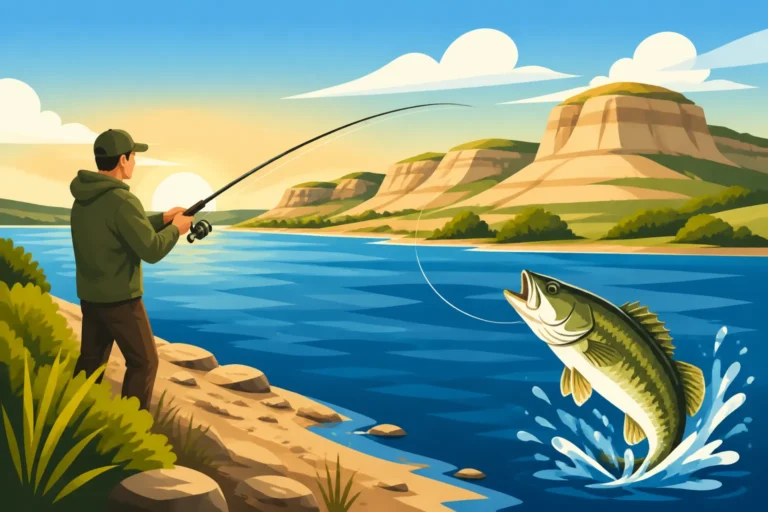
Largemouth bass, while not as abundant as walleye or pike, can still be found in the more heavily vegetated areas and around submerged timber, particularly in the shallower, less frequented lakes within the chain. Flipping jigs, casting plastic worms, or working topwater lures in the lily pads during summer mornings can lead to some exciting bass action.
Effective Techniques and Baits
Successful fishing at Oakwood Lakes, much like anywhere else, comes down to adapting your techniques to the conditions and the fish you're targeting.
For walleye, a popular and effective method is trolling crankbaits during the open water season, covering large areas to find active fish. Jigging with a minnow or a plastic tail is also highly effective, especially when targeting specific structures or fishing vertically over schools of fish. During the ice fishing season, jigging spoons and small Rapala-style baits tipped with a minnow head can be deadly. If you want to explore more options, our guide on the Best Lures for South Dakota Walleye has some excellent recommendations.
Northern pike respond well to casting and retrieving flashy spoons or large spinnerbaits near cover. Live bait, such as a large minnow or shiner, suspended under a bobber in a pike-filled bay, is also a classic and highly effective method. They are particularly active during colder water periods, making them a great target in spring and fall.
Panfish are generally less finicky. Small jigs, often tipped with a grub, wax worm, or a small piece of nightcrawler, are irresistible to crappie and bluegill. For perch, a teardrop jig tipped with a minnow eye or a small tungsten jig with a plastic micro-bait often works wonders, especially through the ice. The convenience of these species makes them perfect for beginner anglers or those looking for a relaxing day on the water.
When the lakes freeze over, Oakwood Lakes State Park transforms into a bustling ice fishing hub. Anglers flock to its waters, setting up shelters and drilling holes for everything from perch to pike. The ice fishing here is phenomenal, offering a unique winter angling experience. Don't forget to prepare with our comprehensive South Dakota Ice Fishing Guide before you hit the hard water.
Navigating Access and Facilities for a Smooth Trip
Oakwood Lakes State Park is designed to be angler-friendly, offering excellent access points and facilities to ensure your trip is as enjoyable and hassle-free as possible.
Boat Ramps and Shore Fishing Access
The park provides several well-maintained boat ramps, primarily on Lake Tetonkaha, allowing easy launch and retrieval of various boat sizes. These ramps are typically concrete and can accommodate everything from small jon boats to larger fishing boats. Because the lakes are interconnected, launching at one point often gives you access to a significant portion of the chain, although some channels between lakes might be shallow or require careful navigation. Always be mindful of submerged hazards, especially during lower water levels. If you're thinking about a multi-day trip or want to ensure you have a spot, booking a boat rental or a guided trip through a service like FishingBooker can sometimes provide an advantage.
For those who prefer to fish from shore, Oakwood Lakes State Park offers numerous opportunities. There are several designated fishing piers that extend into the lakes, providing deeper water access without needing a boat. Additionally, large stretches of shoreline are accessible for bank fishing, particularly around picnic areas and campgrounds. These spots are fantastic for panfish and can often produce walleye and pike, especially during low-light conditions. The accessibility makes it an excellent choice for families with young children or anglers with mobility challenges.
Park Amenities and Necessary Permits
Beyond fishing access, Oakwood Lakes State Park boasts a wide array of amenities that enhance any outdoor excursion. You'll find well-maintained campgrounds with both primitive and electric sites, perfect for extending your fishing trip into a full weekend getaway. Picnic areas with tables and grills are scattered throughout the park, offering ideal spots for a mid-day break or a shore lunch featuring your fresh catch. Clean restrooms and potable water are also readily available, making your visit comfortable.
Before you cast your line, remember that all anglers aged 16 and older need a valid South Dakota fishing license. This includes both residents and nonresidents. You'll also likely need a South Dakota Habitat Stamp Requirements to fish in public waters, which helps fund crucial conservation efforts across the state. These can be purchased easily online through the South Dakota Game, Fish and Parks (GFP) website, at various retail vendors, or directly at the park office. Planning your trip in advance and ensuring all your licenses and stamps are in order will prevent any unwelcome surprises. Exploring the options for a South Dakota Resident Fishing License Options will help you choose the right fit.
Seasonal Strategies and Park Regulations
Understanding the seasonal variations and adhering to specific park regulations are essential for maximizing your success and ensuring a responsible, enjoyable fishing experience at Oakwood Lakes.
Adapting to the Seasons
The fishing experience at Oakwood Lakes transforms with each season, requiring anglers to adjust their strategies.
- Spring: As the ice recedes, walleye begin to move into shallower waters for their spawning ritual. This is an excellent time for targeting them with jigs and minnows near river inlets or warming bays. Northern pike are also very active and hungry after the long winter. Our guide on South Dakota Spring Walleye Fishing Techniques dives deeper into specific approaches for this vibrant season.
- Summer: During the warmer months, fish tend to move to deeper, cooler waters during the day, often relating to submerged structures or breaks. Early morning and late evening bites are typically the strongest. Trolling crankbaits or fishing with live bait on slip bobbers can be productive. Panfish, however, remain accessible near shorelines and docks throughout the day.
- Fall: As water temperatures drop, fish enter a pre-winter feeding frenzy, often becoming incredibly aggressive. This can be one of the most productive times for catching larger walleye and northern pike, as they actively stock up on forage. Focus on depths where baitfish are congregating. Check out South Dakota Fall Walleye Fishing Techniques for tips on how to capitalize on this prime time.
- Winter: When the ice is safe, Oakwood Lakes becomes a prime destination for ice fishing. Walleye, northern pike, perch, and crappie are all popular targets. Jigging spoons, tungsten jigs, and tip-ups rigged with live minnows are common setups. Always prioritize safety and be aware of ice conditions before venturing out. Our article on When Ice Fishing Season Starts in South Dakota provides valuable safety tips and dates.
Important Park-Specific and State-Wide Regulations
While Oakwood Lakes State Park follows general statewide fishing regulations, it's always a good practice to consult the latest South Dakota Game, Fish and Parks (GFP) regulations handbook. You can often pick one up at the park office or download it from the GFP website. This will ensure you're aware of any lake-specific rules, such as special length limits or bait restrictions, which can occasionally apply to certain bodies of water. For a general overview of what to expect, take a look at our South Dakota Fishing Regulations Explained guide.
Always respect park property, leave no trace, and be considerate of other anglers and park visitors. Obey all signage regarding restricted areas, speed limits on the water, and noise levels, especially in camping areas.
Remember, fishing is not just about the catch; it's about the entire experience. Oakwood Lakes State Park provides a fantastic opportunity to combine excellent fishing with the beauty and tranquility of South Dakota's natural landscape.
Here's a quick reference table for common species and where to find them at Oakwood Lakes:
| Fish Species | Primary Locations in Park | Best Seasons | Common Baits/Lures |
|---|---|---|---|
| Walleye | Lake Tetonkaha, Lake Poinsett (deeper points, breaks, humps) | Spring, Fall, Winter | Jigs, crankbaits, live minnows |
| Northern Pike | Shallow bays, weed lines, submerged timber in all lakes | Spring, Fall, Winter | Spoons, spinnerbaits, large minnows |
| Crappie | Docks, fallen trees, brush piles, submerged structure | Spring, Fall, Winter | Small jigs, wax worms, minnows |
| Bluegill | Shallow, vegetated areas, near docks | Spring, Summer, Fall | Small hooks with worms, wax worms |
| Yellow Perch | Weed edges, drop-offs, near bottom structure | All seasons (great ice fishing) | Small jigs, minnow eyes, wax worms, plastics |
| Largemouth Bass | Heavy cover, lily pads, submerged logs in shallower lakes | Summer, Fall | Plastic worms, jigs, topwater lures |
Disclaimer
Please remember that fishing regulations, conditions, and fish populations can change. Always consult the latest South Dakota Game, Fish and Parks (GFP) regulations before heading out. This guide is for informational purposes only and should not replace official sources. Practice responsible angling and safety at all times.