Best Fishing Spots Near Vermillion
For anglers eyeing a fishing adventure around Vermillion, South Dakota, the sheer abundance of incredible water can be both exciting and a little overwhelming. You might be wondering where to even start, especially if you're new to the area or looking to maximize your limited time on the water. This guide is designed to cut through the confusion, pinpointing the best fishing spots near Vermillion, detailing what you can expect to catch, and how to make the most of your trip.
Lewis and Clark Lake: A Premier Fishing Destination
Just a stone's throw from Vermillion, Lewis and Clark Lake stands out as a true jewel for anglers. This massive reservoir, formed by the Gavins Point Dam on the Missouri River, spans over 25 miles and offers an incredible diversity of fish species and fishing environments. It's a favorite for many, from seasoned pros with fully equipped boats to families just looking for a relaxing day by the water. The sheer size of the lake means there's always a new corner to explore, and the fish populations are robust, thanks to excellent management by the South Dakota Game, Fish and Parks.
Target Species and Prime Locations
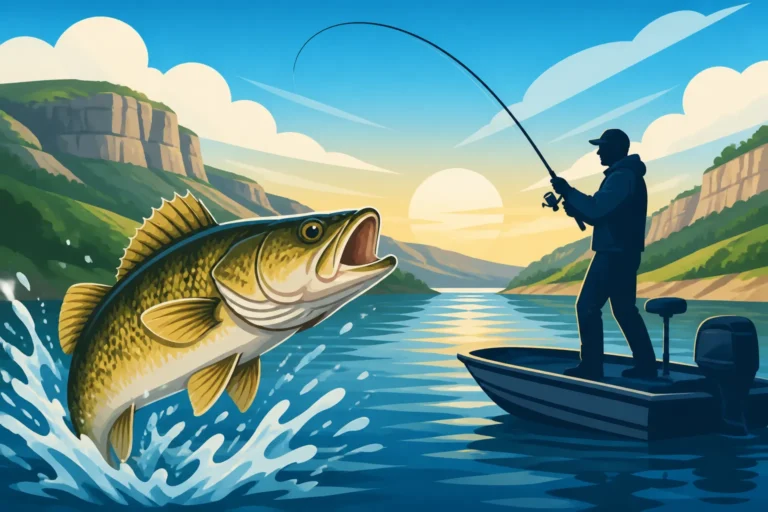
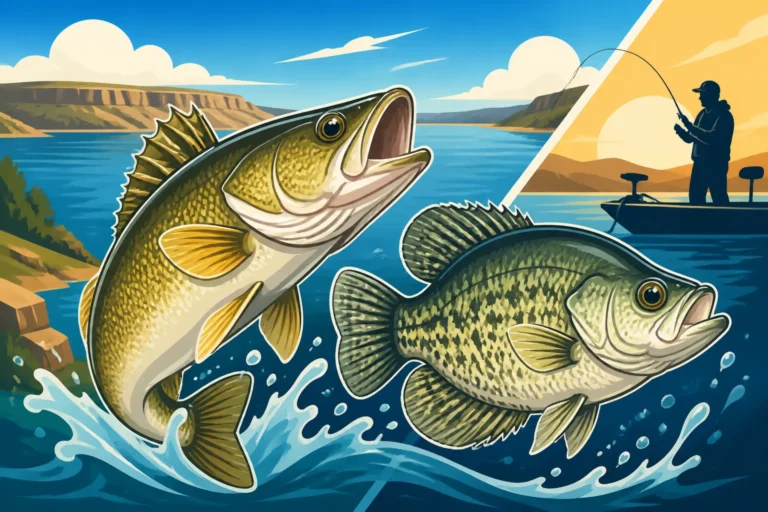
Lewis and Clark Lake is famously known for its thriving Walleye population. These toothy critters are the main draw for many anglers, especially in the spring and fall when they become particularly active. You'll often find them congregating around submerged points, rocky humps, and the edges of the old river channel. Early mornings and late evenings are prime times, with many anglers successfully using jigging techniques or trolling crankbaits along these structures. Don't be surprised to hook into a trophy-sized walleye here, as the lake consistently produces impressive catches.
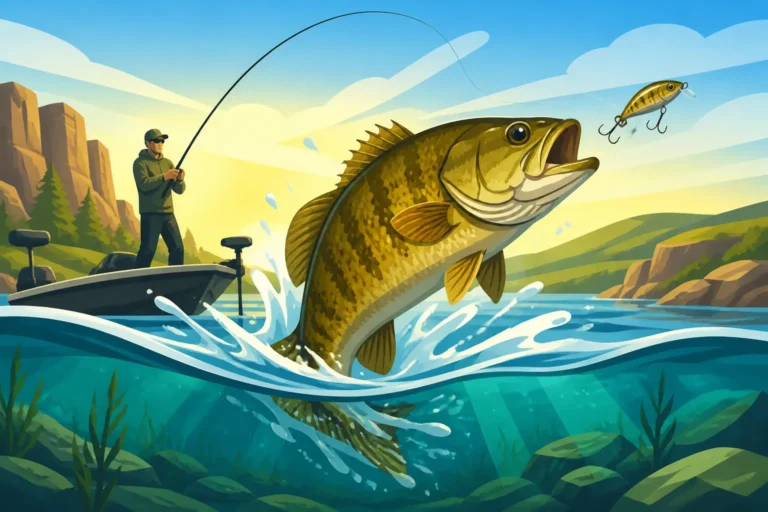
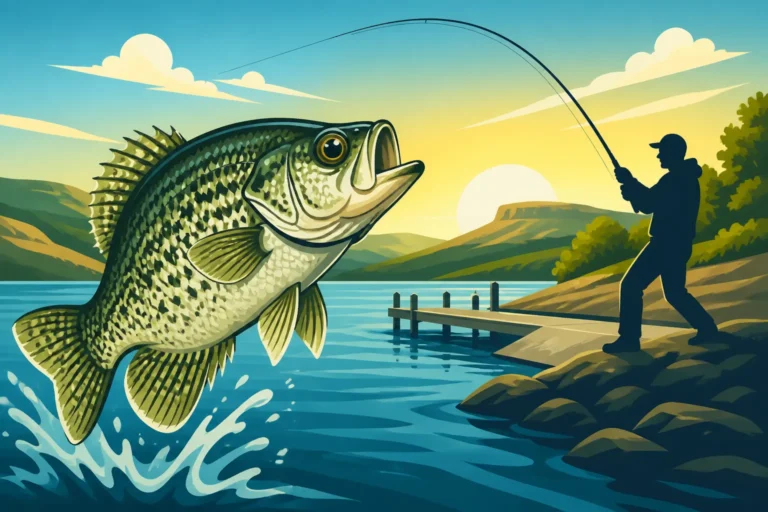
Beyond walleye, the lake boasts an excellent Smallmouth Bass fishery. These hard-fighting fish love the rocky shorelines, riprap banks, and submerged timber found throughout the reservoir. Targeting smallmouth with small crankbaits, jigs, or soft plastics can lead to some exhilarating battles, especially during the warmer months. Areas around the main lake points and near the dam often hold healthy populations. If you're looking for panfish, the lake also provides fantastic opportunities for Crappie and Yellow Perch. Look for crappie suspended around brush piles and submerged trees, especially in calmer bays, while perch often school up in slightly deeper, cooler waters. You can learn more about specific tactics for these species in our comprehensive guide to Lewis and Clark Lake Crappie and Perch Fishing.
Access Points and Bank Fishing Opportunities
One of the great things about Lewis and Clark Lake is its accessibility. Numerous public boat ramps are scattered along its shores, making it easy for boaters to launch their vessels. Popular spots like Lewis and Clark Recreation Area near Yankton and Clay County Park closer to Vermillion offer well-maintained ramps and ample parking. For those who prefer to fish from shore, there are plenty of options too. Many of the state park areas and recreation sites have designated fishing piers and extensive shoreline access. Clay County Park, for instance, provides excellent opportunities for bank fishing, especially around its marina area and along the river channel. These spots can be great for casting out for walleye, catfish, or panfish, often without needing a boat. For a more detailed look at the area, you might consult a local expert or find guides through platforms like FishingBooker, who can share their insights on specific access points and what's biting. For those planning a trip, be sure to check out our detailed guide on Lewis and Clark Lake Boat Ramps and Access Points.
Seasonal Strategies and Essential Gear
Fishing on Lewis and Clark Lake changes with the seasons, and having the right strategy and gear can make all the difference. In spring, as the water warms, walleye move into shallower areas for spawning, making them very accessible to both boat and shore anglers using jigs tipped with minnows or soft plastics. Summer fishing often means targeting deeper structures or fishing at night for walleye, while smallmouth bass are very active along riprap. For those targeting catfish, summer nights are prime on the deeper flats and river channels. As fall arrives, the walleye become aggressive feeders, schooling up to gorge on baitfish, and trolling crankbaits or spinner rigs can be incredibly effective.
When it comes to gear, a medium-light to medium-action spinning rod with 8-10 lb test line is versatile enough for most species. For walleye, consider adding some crankbaits like Rapala Shad Raps or Berkley Flicker Shads, along with a selection of jigs (1/4 to 3/8 ounce) and soft plastics. If you're targeting smallmouth, a variety of small crankbaits, tube jigs, and swimbaits will serve you well. For those focusing on catfish, a sturdy rod with heavier line (15-20 lb) and circle hooks baited with cut bait or stink bait are a must. Remember to pack a good pair of polarized sunglasses to cut the glare and spot submerged structure, and always have your South Dakota Fishing License Guide handy.
Navigating the Mighty Missouri River Near Vermillion
The Missouri River itself, especially the sections directly connected to or below Lewis and Clark Lake and the Gavins Point Dam, offers a vastly different, yet equally rewarding, fishing experience. The river's dynamic currents, diverse bottom structure, and rich food sources create an ideal habitat for several popular game fish, particularly for those who enjoy the challenge of river fishing. This area is renowned for its catfish, but also holds impressive walleye and other species for the discerning angler.
Tailwater Fishing Below Gavins Point Dam
The stretch of the Missouri River immediately below Gavins Point Dam is a true hotspot, known as a tailwater fishery. This area is characterized by powerful currents and oxygen-rich water released from the dam, which attracts a significant number of fish. Walleye and Sauger stack up here, especially during cooler months, feeding on baitfish stunned or flushed through the dam. Anglers often find success jigging heavy jigs (1/2 to 1 ounce, sometimes more depending on current) tipped with minnows or soft plastics right in the seams and eddies of the current. Vertically jigging from a boat is a common and effective technique, but there are also opportunities for shore fishing below the dam, though access can be limited and requires caution due to swift water.
Beyond walleye, the tailwaters are excellent for Channel Catfish and even some Paddlefish (though special permits and seasons apply for paddlefish). The constant flow provides an abundance of food, and the deep holes and scour points offer perfect resting and feeding grounds. Local guides, often found through services like FishingBooker, specialize in navigating these unique waters and can put you on fish when the conditions are challenging. Understanding the Missouri River Tailwater Fishing Below Gavins Point Dam is key to success in this exciting fishery.
River Sections and Channel Catfish Hotspots
Moving further downstream from the immediate tailwaters, the Missouri River near Vermillion transitions into a more traditional riverine environment, with sandbars, wing dams, snags, and deeper channels. This is prime territory for Channel Catfish. Anglers targeting catfish will find abundant opportunities in slower eddies, deep scour holes near outside bends, and around woody debris. Fresh cut bait (like shad or suckers), chicken livers, or commercially prepared stink baits are all excellent choices. Fishing from anchored boats or from accessible shorelines along river parks can yield impressive results, especially during the warmer summer months and into early fall. Night fishing for catfish on the Missouri is a popular and often highly productive activity.
While catfish steal the show in these river sections, don't overlook the potential for Northern Pike in slack water areas with some vegetation, or even the occasional White Bass feeding on schools of baitfish. Knowing how to read the river's current and identify subtle changes in depth and structure is crucial for consistent success. You can dive deeper into specific tactics with our How to Catch Catfish on the Missouri River guide.
Safety and Boating Considerations
Fishing the Missouri River, especially near the dam or in areas with strong currents, demands respect and adherence to safety protocols. Always wear a life jacket, ensure your boat is equipped with all necessary safety gear, and be aware of changing weather conditions and water levels. The current can be deceptively powerful, and underwater obstacles can create hazards. It's always a good idea to inform someone of your float plan if you're venturing out on the river. For those new to boating on major rivers, consider spending time with an experienced local angler or booking a guided trip. Ensure you're familiar with all South Dakota Boat and Water Access Rules before launching your vessel. Always carry a valid South Dakota fishing license, and be aware of specific South Dakota Fishing Regulations Explained that might apply to different sections of the river, especially concerning fish limits and size restrictions.
Exploring Smaller, Family-Friendly Waters
While Lewis and Clark Lake and the Missouri River offer spectacular fishing, sometimes you're looking for a more relaxed, less intense experience. Perhaps you have young children, or you just want a quiet evening of casting. Vermillion and its surrounding areas also feature smaller ponds and recreation areas that provide excellent opportunities for panfish and other species, often with easy access and a calmer atmosphere. These spots are perfect for introducing new anglers to the sport or enjoying a peaceful day close to home.
Local Ponds and Recreation Areas
Within and immediately around Vermillion, you can find a few smaller public ponds or designated fishing areas that are perfect for a casual outing. These typically include park ponds or small impoundments managed by local authorities or the South Dakota Game, Fish and Parks. While not always stocked with trophy fish, these waters frequently hold healthy populations of Bluegill, Crappie, and Perch, making them ideal for kids and beginners. Sometimes, you might even encounter smaller Largemouth Bass or Channel Catfish.
One such example might be a pond within a local city park, or a smaller body of water like those often found in state recreation areas further afield. These spots are excellent for simple bobber fishing with worms or small pieces of corn, or casting small jigs. The calm waters and easy access often mean you can set up a comfortable basecamp for the day, complete with picnic facilities. They offer a great chance to teach fundamental fishing skills without the challenges of navigating large open water or strong currents.
Accessible Shoreline Fishing
The beauty of these smaller waters lies in their accessibility. Most local ponds and smaller recreation areas are designed with bank anglers in mind, featuring clear shorelines, often mowed grass, and sometimes even accessible fishing piers. This makes them incredibly convenient for an impromptu fishing trip. You don't need a boat, specialized gear, or extensive knowledge of complex underwater structures. A simple spinning rod, a small tackle box with hooks, sinkers, and bobbers, and some live bait (like worms or minnows) are usually all you need for a successful day.
These locations are often regularly stocked, ensuring a good chance of success, which is a huge motivator for young anglers. Always check with the local park office or the South Dakota Game, Fish and Parks website for specific regulations or stocking schedules for these smaller, managed waters. They might have special rules, such as youth-only fishing sections or specific bait restrictions. These smaller, accessible areas are a fantastic option for Bank Fishing Techniques for Reservoirs and ponds, providing a low-stress environment to enjoy the outdoors and catch some fish.
Here's a quick comparison of fishing options near Vermillion:
| Fishing Spot | Primary Species | Best For | Key Features | Access Type |
|---|---|---|---|---|
| Lewis and Clark Lake | Walleye, Smallmouth Bass, Crappie, Catfish | Serious anglers, diverse fishing | Large reservoir, varied structure, big fish | Boat ramps, numerous shore access points |
| Missouri River (Tailwater) | Walleye, Sauger, Catfish | Experienced river anglers | Strong currents, oxygen-rich, productive dam | Limited shore access, primarily boat |
| Missouri River (Main Chan) | Channel Catfish, White Bass, Northern Pike | Catfish enthusiasts, river runs | Sandbars, wing dams, deep holes | Boat ramps, some shore access |
| Local Ponds/Recreation | Bluegill, Crappie, Perch, Small Bass, Catfish | Families, beginners, casual | Calm water, easy access, often stocked | Extensive shore access, fishing piers |
Disclaimer
Fishing regulations, conditions, and fish populations can change frequently. Always consult the latest South Dakota Game, Fish and Parks regulations handbook before heading out on the water. Be aware of weather conditions, practice safe boating, and always prioritize personal safety. This guide is for informational purposes only and should not be considered a substitute for official regulations or professional guidance.