South Dakota Ice Fishing Lakes
You've probably felt that unique frustration when winter hits hard in South Dakota. The open water fishing gear gets tucked away, and you might feel a pang of longing for that tug on the line. But for those of us who truly love fishing, the cold weather isn't an end; it's a new beginning! This comprehensive guide is dedicated to helping you navigate the incredible world of ice fishing across South Dakota, detailing the best lakes to hit, what you can expect to catch, and how to make the most of your hard water adventures.
The Mighty Missouri River Reservoirs Under Ice
When the vast waters of the Missouri River reservoirs finally succumb to winter's chill, they transform into an ice angler's dream. These massive bodies of water hold incredible populations of walleye, northern pike, and other sought-after species, offering a unique challenge and immense rewards for those brave enough to venture onto the hard water.
Lake Oahe's Winter Walleye and Pike Havens
Lake Oahe, stretching for hundreds of miles, is an absolute legend in South Dakota fishing circles, and its ice fishing reputation is equally formidable. When the ice sets in, usually by late December or early January in the northern reaches near Mobridge and steadily expanding south, anglers flock to target its robust walleye population. Finding the fish here can be a game of patience and persistence, often requiring anglers to spread out across vast flats, submerged points, and old river channel edges. The key on Oahe is often finding deep structure, especially early in the season, before fish might move shallower during mid-winter thaws.
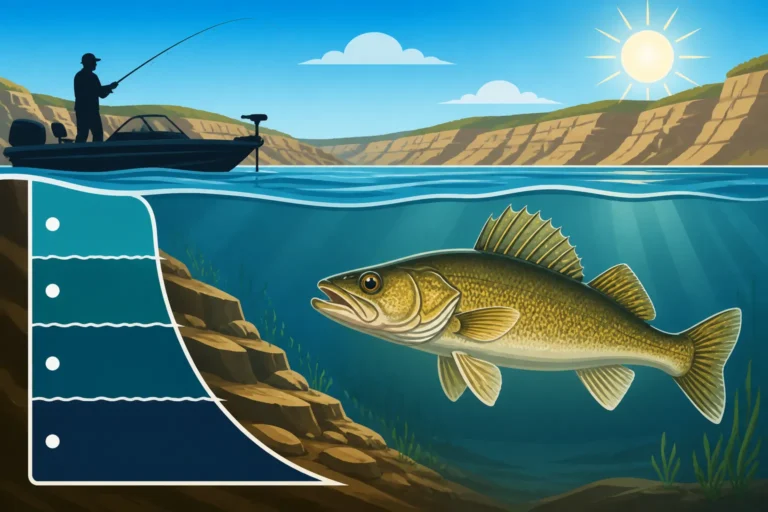
Many anglers find success focusing on areas near Indian Creek Recreation Area or the Cheyenne River Arm. You're looking for those subtle breaks and contours that hold baitfish like smelt and gizzard shad. A good fish finder is practically essential here to locate schools of forage and the predators lurking nearby. Jigging spoons, like Northland Buck-Shot Rattle Spoons or Rapala Jigging Raps, tipped with a minnow head or a full minnow, are incredibly effective for triggering strikes from large walleye. Don't be surprised to hook into a monster northern pike while targeting walleye; Oahe is known for its trophy pike, especially in bays with standing timber or extensive weed lines, though these can be harder to access safely on foot in winter. Understanding where Walleye Go in Winter can significantly improve your odds on such a vast lake.
Lake Sharpe's Consistent Hard Water Action
Just downstream from Oahe, Lake Sharpe offers a slightly different, often more accessible, ice fishing experience, particularly for walleye. Because it's a more riverine reservoir, the current in certain areas can delay or prevent safe ice formation, so always exercise extreme caution and check conditions meticulously. However, once safe ice is established, especially in the wider bays and protected arms, Lake Sharpe can be incredibly consistent. Areas around Pierre, like Hipple Lake or the bays near West Bend Recreation Area, become bustling ice fishing communities.
Lake Sharpe walleye tend to relate to similar structure as Oahe – points, humps, and the edges of the main channel. However, because Sharpe is generally shallower and has less dramatic depth changes in many popular areas, finding fish can sometimes be about covering ground (or ice!) and drilling many holes. Often, you'll find walleye suspending over deeper water, chasing baitfish schools. Live bait, like shiners or fatheads, fished under a sensitive slip bobber, is a deadly tactic here, especially when the bite is finicky. Many anglers also have great success with VMC Tungsten Jigs tipped with wax worms or plastics for crappie and perch, especially around areas like Joe Creek where panfish can be abundant. When planning your trip, consider checking out the available guides on FishingBooker for Lake Sharpe to get local insights and ensure a productive outing.
Lake Francis Case's Diverse Ice Fishing Opportunities
Moving further south on the Missouri River system, Lake Francis Case presents anglers with another fantastic opportunity for hard water fishing. This reservoir, known for its sheer cliffs and abundant smallmouth bass in warmer months, transforms into a prime location for walleye, northern pike, and even respectable numbers of crappie and perch once the ice solidifies. The ice on Francis Case typically forms later than on Oahe or Sharpe, especially towards the southern end near Pickstown and Fort Randall Dam, due to the milder temperatures and wider flow.
Popular spots often include the larger bays and the submerged creek channels. Near Platte Creek Area Fishing Spots, for instance, anglers often find good success targeting walleye that cruise the breaklines. Like its northern counterparts, Francis Case walleye often respond well to jigging spoons and Rapala Jigging Raps, but don't underestimate the power of a dead stick setup with a live minnow just off the bottom. Northern pike can be found lurking in the shallower, weedier bays, and tip-ups rigged with large shiners are your best bet for these toothy predators. For panfish, especially crappie, look for submerged brush piles or deep structure in quieter bays. The diverse offerings make Francis Case a fantastic option, whether you're chasing the thrill of a big walleye or simply looking for some consistent panfish action.
Eastern South Dakota's Glacial Lake Ice Fishing Gems
Shifting our focus to the eastern side of the state, the region known as the Glacial Lakes offers an entirely different, yet equally rewarding, ice fishing experience. These lakes are typically shallower, rich in aquatic vegetation, and host incredible populations of yellow perch, walleye, and northern pike, often producing truly giant specimens. The ice here often forms earlier and can be more consistent than on the larger Missouri River reservoirs, making them a popular early-season destination.
Lake Poinsett and Lake Kampeska: Perch and Walleye Paradise
Lake Poinsett and Lake Kampeska are two of the most popular and productive ice fishing lakes in the Glacial Lakes region, drawing anglers from across the state and beyond. Poinsett is particularly renowned for its monster yellow perch, often referred to as "jumbos," which can reach impressive sizes. When the perch bite is on, it's not uncommon for anglers to fill their buckets with these delicious panfish. Success on Poinsett often involves drilling many holes, using small jigging spoons or tungsten jigs tipped with wax worms, spikes, or even a small minnow head. The perch move in schools, and finding them is key. Once you locate a school, the action can be fast and furious.
Lake Kampeska, near Watertown, also boasts excellent perch fishing, but it's perhaps even more famous for its robust walleye population. Like Poinsett, it's relatively shallow, with extensive flats, points, and humps that attract baitfish and, consequently, walleye. Jigging Rapalas, Swedish Pimples, or traditional jig and minnow setups are very effective. Many anglers also find success setting up tip-ups with live minnows for walleye and northern pike, allowing them to cover a wider area. These lakes exemplify the classic "run and gun" approach to ice fishing, where mobility and covering water are paramount. Don't be afraid to experiment with your depths; sometimes the fish are tight to the bottom, and other times they might be suspended only a few feet under the ice.
Bitter Lake and Lake Thompson: Jumbo Perch and Pike Adventures
If you're looking for trophy perch or a shot at a massive northern pike through the ice, Bitter Lake and Lake Thompson are names you absolutely need to know. Bitter Lake, near Waubay, is legendary for its jumbo perch. Anglers often spend days here patiently waiting for that tell-tale tap of a large perch on their line. The perch here can be notoriously finicky, so light lines, sensitive rods, and subtle presentations are often required. Tiny tungsten jigs in bright colors, tipped with a single maggot or a small plastic, are often the ticket. Patience, more than anything, is your best bait on Bitter Lake.
Lake Thompson, South Dakota's largest natural lake, also offers fantastic ice fishing for perch, walleye, and especially northern pike. The lake's vast, relatively shallow nature provides ideal habitat for pike, and many anglers specifically target them with large tip-ups rigged with big dead baits like smelt or sucker minnows. These pike can be aggressive and provide thrilling battles on the ice. For walleye on Lake Thompson, focusing on the edges of extensive flats or subtle depth changes can be productive. The beauty of these glacial lakes is their ability to produce both high numbers of fish and trophy-sized specimens, often requiring a slight adjustment in tactics depending on whether you're targeting quantity or quality. For guided trips targeting these specific species, you might find valuable resources through FishingBooker.
Other Notable Glacial Lakes for Hard Water Anglers
Beyond the big names, many other glacial lakes in eastern South Dakota offer excellent ice fishing. Lake Waubay, for instance, is another perennial favorite for perch and northern pike, often providing fantastic action. Its intricate structure, with numerous islands and submerged humps, creates diverse fishing opportunities. Anglers here often employ both jigging techniques and tip-ups to maximize their chances.
Enemy Swim Lake and Lake Pickerel are known for their clear waters and offer good opportunities for walleye and panfish, often with a slightly different bite than the murkier, shallower lakes. These lakes can be great for sight fishing through the ice, especially for crappie and bluegill, if you have a dark house or shelter.
Further south, lakes like Lake Albert and Lake Madison can be very productive for walleye and perch, especially during the peak of winter. These lakes often see heavy pressure, but persistent anglers willing to move and experiment can still find excellent fishing. The common thread among these glacial lakes is the abundance of forage and diverse structure, making them prime candidates for the adventurous ice angler. Always remember to check local regulations, as South Dakota Fish Limits and Size Restrictions can vary by lake and species.
Black Hills Ice Fishing: A Different Kind of Chill
While the vast frozen expanses of the Missouri River and Glacial Lakes get most of the ice fishing glory in South Dakota, the serene beauty of the Black Hills offers a unique and equally rewarding hard water experience, particularly for trout. The cold, clear waters nestled among the pines present a tranquil alternative for anglers seeking a different kind of challenge.
Sheridan Lake and Pactola Reservoir for Trout
When most people think of Black Hills fishing, they envision fly fishing for trout in sparkling streams during warmer months. However, when winter blankets the region, lakes like Sheridan Lake and Pactola Reservoir transform into fantastic ice fishing destinations for rainbow trout, brown trout, and occasionally brook trout. Sheridan Lake, easily accessible from Rapid City, is a popular spot. Its relatively shallow depths and consistent stocking make it a great option, especially for families and beginners. Anglers often find success using small jigging spoons (like Kastmasters or Swedish Pimples) tipped with a piece of corn, a mealworm, or a Gulp! maggot. PowerBait dough balls or small worms fished under a bobber are also highly effective, particularly near the bottom.
Pactola Reservoir, on the other hand, is generally deeper and offers a more challenging yet potentially more rewarding trout ice fishing experience. The trout here can be larger and often require more finesse. Targeting suspended fish in the deeper sections of the lake is often key. A fish finder is invaluable here to locate schools of baitfish and the trout feeding on them. Small tungsten jigs, ice flies, or tiny spoons in natural colors can entice bites. Don't forget that Pactola Dam Catch-and-Release Water Rules apply below the dam, but the reservoir itself offers harvest opportunities under state regulations. While not your typical walleye or perch outing, the tranquility and opportunity to catch beautiful trout in a stunning winter landscape make Black Hills ice fishing a truly special experience.
Angostura Reservoir's Walleye and Panfish Beneath the Ice
Though technically not in the core Black Hills, Angostura Reservoir, located near Hot Springs, is often grouped with the region's fishing opportunities due to its proximity and distinct western South Dakota character. What makes Angostura stand out in winter is its excellent walleye fishing through the ice, in addition to good numbers of crappie and perch. Unlike the trout-centric lakes, Angostura offers a warm-water species experience in a Black Hills-adjacent setting.
The walleye in Angostura can be found on submerged points, humps, and along the old river channel. Like the Missouri River reservoirs, jigging spoons and Rapala Jigging Raps are proven producers. Live minnows fished on tip-ups or dead sticks are also very effective, especially for larger, more sluggish walleye in the colder water. For panfish, focus on bays with submerged timber or weed edges. The crappie here can be quite respectable in size. Due to its open nature, Angostura can be very susceptible to wind, so a sturdy ice shelter is highly recommended. For accurate local conditions and advice, many visitors planning their trip find useful insights from local guides available through platforms like FishingBooker.
Key Considerations for South Dakota Ice Fishing Success
Stepping onto the ice requires more than just knowing where the fish are; it demands respect for the elements and a strategic approach to ensure both safety and success. South Dakota winters are no joke, and being prepared is paramount.
Ice Safety: Your Number One Priority
Before you even think about drilling your first hole, knowing how Thick Ice Should Be Before Fishing in South Dakota is absolutely critical. No fish is worth risking your life. Always check local conditions and ice reports before heading out. The general rule of thumb is:
- 2 inches or less: STAY OFF! Absolutely unsafe.
- 4 inches: Suitable for ice fishing on foot.
- 5-7 inches: Good for snowmobiles or ATVs.
- 8-12 inches: Safe for small cars.
- 12-15 inches: Safe for medium trucks.
However, these are guidelines, not guarantees. Ice thickness can vary greatly across a single body of water due to currents, springs, underwater structure, and snowfall. Always carry ice picks, wear a flotation suit, and fish with a buddy. Be especially wary of areas near inlets, outlets, bridges, or aerators, where ice can be significantly thinner. A spud bar or an ice auger should be used to test the ice as you venture out. It's better to be overly cautious than to regret it.
Understanding Different Fish Species Habits Under Ice
Each fish species behaves differently once the water freezes, and tailoring your approach to these habits will greatly increase your success.
- Walleye: In winter, walleye tend to slow down and become less active. They'll often school up in deeper water, relating to structure like humps, points, and channel edges where baitfish congregate. Early morning and late afternoon are often the most productive times. They respond well to vertical jigging with spoons or Raps, often tipped with a minnow head, or a plain hook and minnow on a dead stick.
- Perch: Yellow perch are typically schooling fish and remain so under the ice. They're often found in shallower to mid-depth areas, especially around weed lines or subtle bottom contours. Once you find a school, the action can be non-stop. They prefer smaller presentations like tiny tungsten jigs, teardrop jigs, or small spoons, tipped with maggots, wax worms, or a small piece of minnow.
- Northern Pike: Pike remain active predators throughout the winter. They'll often cruise shallow to mid-depth weed beds, ambush points, or the edges of drop-offs. Large live or dead bait, like shiners or sucker minnows, fished under a tip-up, is the most effective method. Be ready for a fight and use heavy leaders to prevent bite-offs.
- Crappie/Bluegill: These panfish often suspend in deeper water over structure like brush piles or submerged timber. They can be finicky but will aggressively strike small jigs, plastics, or live bait (like spikes or wax worms) when found. Look for them in low light conditions or during warm spells.
Understanding these behaviors is key. For example, knowing that Where Walleye Go in Winter is typically deeper, off main lake structure, helps you narrow down your search.
Essential Gear and Techniques for Hard Water Angling
Having the right gear makes all the difference for comfort and success on the ice.
- Shelter: A good ice fishing shelter is indispensable in South Dakota's often-windy and frigid conditions. Portable flip-over or hub-style shelters from brands like Clam or Eskimo provide protection from the elements. You'll also want a portable heater to stay comfortable.
- Auger: A quality ice auger is non-negotiable. Whether it's a hand auger for shallower ice, a propane auger for convenience, or an electric auger for power and quiet operation, ensure it's sharp and ready. Best Ice Augers for South Dakota Ice Fishing often depends on personal preference and the typical ice thickness you expect.
- Rods and Reels: Unlike open water, ice fishing uses short, sensitive rods (24-36 inches) paired with small spinning reels. The short length allows for precise jigging in tight quarters, and the sensitivity helps detect subtle bites. For panfish, ultra-light rods are ideal; for walleye and pike, medium-light to medium power is better. Check out the Best Ice Fishing Rods and Reels for specific recommendations.
- Electronics: A good fish finder, whether a flasher unit or a sophisticated digital graph, is a game-changer for ice fishing. It allows you to see your lure, detect fish, and understand the depth and bottom contour. An underwater camera can also add an exciting visual element.
- Attire: Layers are key! Insulated boots, warm socks, a quality base layer, mid-layers, and a waterproof, windproof outer shell are essential. Don't forget a warm hat, gloves, or mittens.
- Terminal Tackle: Stock up on a variety of jigging spoons (e.g., Northland, VMC, Rapala), tungsten jigs, teardrop jigs, ice flies, and plenty of live bait (minnows, maggots, wax worms). Don't forget extra line, leaders, and a sturdy landing net for larger fish. For beginners, a good starting point is the Ice Fishing Gear Basics for Beginners guide.
When it comes to techniques, vertical jigging is king. Short, sharp lifts followed by pauses, or subtle quivering motions, can trigger strikes. Experiment with different jigging cadences until you find what the fish are responding to. Remember that often, less is more when the water is cold and fish are sluggish. Keep an eye on your South Dakota Fishing License Guide to ensure you're always legal and enjoying the hard water responsibly.
Disclaimer
The information provided in this guide is for general informational purposes only and is subject to change. Always consult the official South Dakota Game, Fish and Parks (GFP) regulations handbook and local ice conditions before engaging in any fishing activities. Ice thickness can vary, and safety should always be your top priority.