Shadehill Reservoir Fishing Report
Trying to figure out the fishing situation at a specific, beloved spot like Shadehill Reservoir can feel like an endless scroll through outdated forum posts and vague reports. It’s tough to get a clear picture of what’s biting, where to find them, and what techniques are actually working right now or will work best during your visit. This guide cuts through the noise, offering you a comprehensive look at what to expect when fishing Shadehill Reservoir, tailored for every season and every angler.
Unraveling the Secrets of Shadehill Reservoir
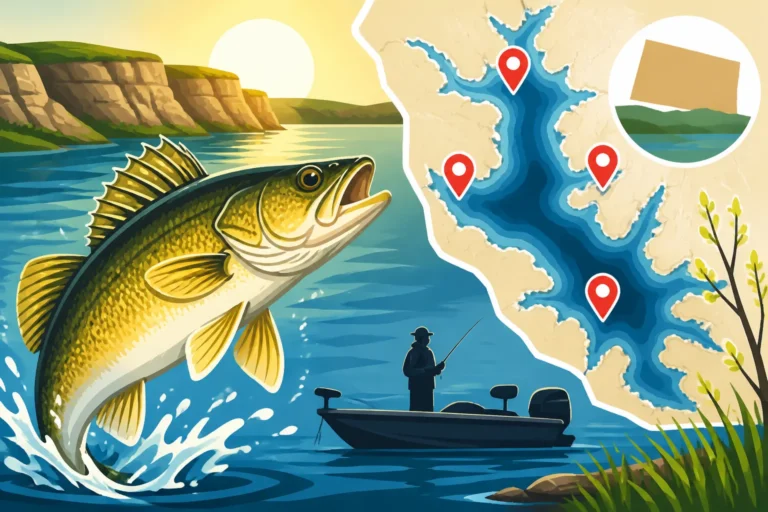
Shadehill Reservoir, nestled in Perkins County in northwestern South Dakota, is a gem for anglers seeking a diverse fishery without the overwhelming crowds of some of the larger Missouri River reservoirs. Created by the Shadehill Dam on the Grand River, it's a sprawling body of water known for its productive fishing for walleye, northern pike, catfish, and crappie. However, its expansive nature and varying depths mean you need a bit of local insight to really unlock its potential.
This reservoir doesn't always get the same attention as some of the state's bigger lakes, which can be a blessing and a curse. It means less pressure, but also fewer readily available, up-to-the-minute fishing reports. Understanding its unique characteristics and the typical patterns of its fish species is key to a successful outing, whether you're a seasoned local or visiting for the first time.
Key Fish Species and Their Preferences
Shadehill is a true multi-species lake, offering something for almost everyone. Each species has its own habits and preferred hangouts, which change throughout the year.
- Walleye: These highly sought-after fish are the undisputed stars of Shadehill. They love the reservoir's varied structure, from submerged creek channels to rocky points and deep humps. They're often found patrolling these areas, especially during low-light conditions or overcast days. Walleye are predators that typically feed on baitfish like shad, perch, and juvenile suckers, making baitfish imitations and live bait highly effective. Their preferences shift with the seasons, moving from shallow spawning grounds in spring to deeper, cooler water in summer, and back to more aggressive feeding in fall.
- Northern Pike: Shadehill boasts a healthy population of northern pike, known for their aggressive strikes and formidable fighting power. Pike are ambush predators, often lurking in weed beds, submerged timber, or along sharp drop-offs, waiting to dart out and engulf unsuspecting prey. They're less finicky than walleye and will often hit larger, flashy baits. If you're looking for an exciting fight and don't mind a toothy encounter, pike fishing at Shadehill can be incredibly rewarding.
- Catfish (Channel and Flathead): The Grand River influence means Shadehill is also a prime location for catfish. Channel cats are abundant and can be found throughout the reservoir, particularly in the deeper channels and near areas with current or muddy bottoms. Flathead catfish, the true monsters of the catfishing world, prefer woody cover and deeper holes, often requiring more specialized techniques. Both species are powerful fighters and excellent table fare, especially the channel cats.
- Crappie and Other Panfish: While not always the primary target, crappie, along with yellow perch and bluegill, provide excellent action, particularly for families or those looking for consistent bites. Crappie often school up around submerged timber, brush piles, or bridge pilings. They're especially active in spring and fall, offering a fun challenge on light tackle. Perch can be found in similar habitats, often in shallower areas with vegetation.
Shadehill's Unique Characteristics
What makes Shadehill tick? It's a combination of its geography and the management efforts by the South Dakota Game, Fish and Parks (GFP).
The reservoir is considerably shallower in its upper reaches, gradually deepening towards the dam. This creates diverse habitats, from expansive mud flats and submerged timber in the western arm where the Grand River enters, to rocky main lake points and a deeper basin near the dam. Water clarity can vary significantly depending on rainfall and wind, often ranging from stained to moderately clear, which influences fish behavior and your choice of lures. The Grand River itself, flowing into and out of the reservoir, brings nutrients and baitfish, creating excellent current seams and feeding grounds, particularly in the spring.
Moreover, like many South Dakota waters, aquatic vegetation plays a vital role. In certain bays and shallower areas, extensive weed beds provide crucial cover and foraging opportunities for pike, crappie, and younger walleye. Understanding these weed lines and how they relate to depth and structure is critical for success, especially during the warmer months. Services like FishingBooker can help you connect with local guides who spend countless hours on these waters and know these nuances intimately.
Seasonal Fishing Insights for Shadehill Reservoir
Fishing at Shadehill Reservoir is a year-round affair, with each season offering distinct opportunities and challenges. Understanding these patterns is crucial for planning your trip and selecting the right tactics. You’ll want to consult the official South Dakota Fishing Regulations Explained to ensure you're compliant with all rules for the species you target.
Spring Strategies
As the ice retreats and the waters begin to warm, Shadehill comes alive. Spring is arguably the most anticipated season for many anglers, especially those chasing walleye.
- Post-Ice Out to Pre-Spawn: Immediately after ice-out, usually in late March or early April, walleye begin to stage for spawning. They move into shallower bays, river channels, and rocky points where the water warms fastest. This is an excellent time for targeting them with slow presentations. Jigging with live minnows or soft plastics, and slowly trolling crankbaits or spinner rigs along contours, can be highly effective. Focus on depths of 5-15 feet.
- The Spawn: Walleye typically spawn when water temperatures reach the mid-40s to low 50s Fahrenheit, usually in April. During this period, fish can be concentrated, but they might be less interested in feeding. Focus on the areas leading up to known spawning grounds, rather than directly on the spawning beds themselves. Northern pike also become very active during this time, often found cruising the shallow, vegetated bays right after ice-out, making them vulnerable to flashy spoons and shallow-running crankbaits.
- Post-Spawn Blitz: After spawning, walleye recover quickly and go on a feeding binge to regain energy. This late-spring period (late April through May) can be phenomenal. Fish scatter more but are actively feeding. Trolling crankbaits like Berkley Flicker Shads or Rapala Shad Raps along breaklines and points becomes a go-to tactic. Pitching jigs and plastics to rocky shorelines, especially on windy days, can also yield aggressive bites. For deeper insights into this productive period, check out our South Dakota Spring Walleye Fishing Techniques guide.
Summer Tactics
Summer at Shadehill means warmer water, longer days, and a shift in fish behavior. While the heat can make fishing challenging during midday, early mornings and late evenings often provide spectacular action.
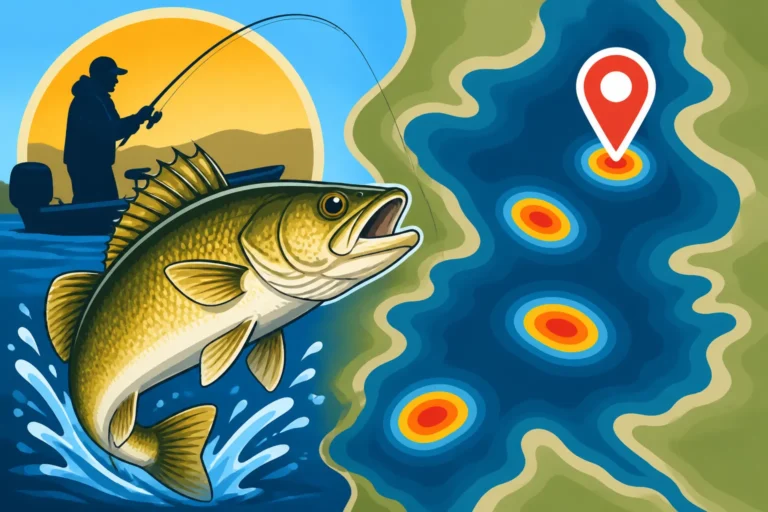
- Deeper Water and Thermocline: As surface temperatures rise, walleye often retreat to deeper, cooler water, congregating along the main lake basin, humps, and submerged creek channels. They'll frequently suspend over deeper water, especially if there's a thermocline (a distinct layer where water temperature changes rapidly) that concentrates baitfish. Vertical jigging with Rippin' Raps or fishing with bottom bouncers and crawler harnesses are excellent ways to target these deeper fish. Look for depths of 15-30 feet.
- Night Fishing: Summer night fishing for walleye can be incredibly productive at Shadehill, especially on clear, calm nights. Walleye move shallower under the cover of darkness to feed. Trolling shallow-running crankbaits or casting stickbaits into 5-10 feet of water can be lights out. This is also a fantastic time for targeting channel catfish, which are very active at night, often moving into shallower flats and current breaks to forage.
- Weed Line and Cover Fishing: Northern pike remain active throughout the summer, often relating directly to the thick weed beds that develop in various bays and flats. Casting spinnerbaits, spoons, or topwater lures over and around these weed lines, particularly during low-light hours, can trigger explosive strikes. Largemouth bass, though less prevalent than other species, will also be found in these weedy havens.
Fall Hotspots
Fall is a favorite season for many South Dakota anglers, and Shadehill is no exception. As water temperatures cool, fish become more aggressive, preparing for winter.
- Transition Patterns: In early fall, fish often remain in their summer haunts, but as the water cools, they start to move shallower and become more active. Walleye will aggressively feed on baitfish migrating into shallower bays or concentrating near creek mouths. Trolling crankbaits, slip bobber fishing with large minnows, or casting jigs with plastics are all effective. Focus on distinct breaklines and points.
- Aggressive Bites: Late fall, as water temperatures drop into the 50s and 40s, can offer some of the best trophy walleye fishing of the year. Fish feed heavily and are often concentrated in specific areas. Deeper humps, main lake points, and the edges of remaining green weed beds are prime locations. Large minnows on a jig or a live bait rig are hard to beat. For an in-depth look at chasing these fall trophies, check out our guide on Best Time of Year to Fish in South Dakota. Northern pike also experience a fall feeding frenzy, hitting large spoons and crankbaits with gusto.
- Catfish Action: Catfish remain active well into the fall, often gorging themselves before winter. Deeper holes in the main river channel and the dam area are good places to find them, using cut bait or stink baits.
Winter Ice Fishing Outlook
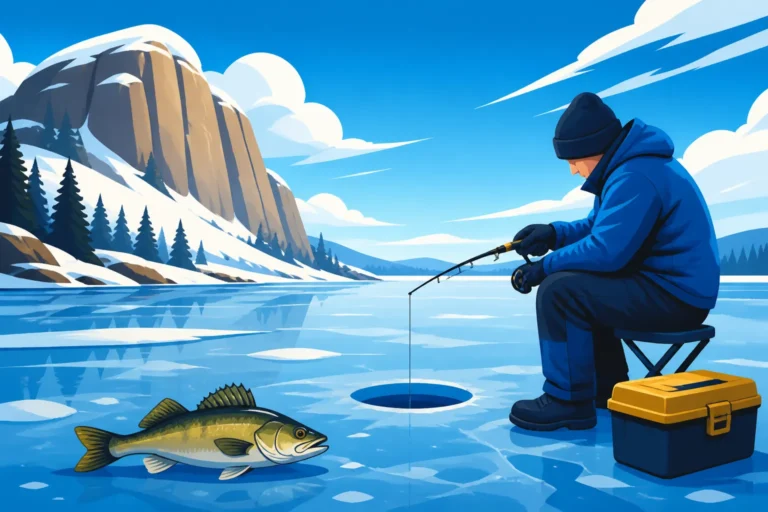
When Shadehill freezes over, a whole new world of angling opens up. Ice fishing can be very productive, especially for walleye and perch. Make sure to consult the South Dakota Ice Fishing Guide for safety and technique advice.
- Ice Conditions: Always prioritize safety. Shadehill can develop varying ice conditions, so always check local reports and exercise extreme caution. Early and late ice periods are particularly hazardous.
- Popular Spots: Known humps, submerged points, and the deeper areas of the main basin are classic ice fishing spots for walleye. For perch and crappie, look for shallower bays with remaining green vegetation or brush piles. The upper arms of the reservoir, being shallower, often freeze earlier and can offer good early-season panfish action.
- Common Techniques: For walleye, vertical jigging with spoons (like Northland Buck-Shot Rattle Spoons) tipped with a minnow head or small Jigging Raps are standard. Deadsticking a live minnow just off the bottom on a plain hook is also highly effective. For perch and crappie, small tungsten jigs tipped with wax worms, plastic larvae, or a small minnow are often irresistible. Using a flasher or an underwater camera can greatly improve your success by identifying fish and their reactions to your bait.
Top Baits, Lures, and Techniques for Shadehill
Having the right tackle and knowing how to use it makes all the difference at Shadehill. While specific preferences can change day-to-day, there are some tried-and-true methods that consistently produce fish here.
Go-To Lures and Live Bait
Building a versatile tackle box is crucial for Shadehill's diverse fishery. Here's a breakdown of what often works:
- Walleye:
- Crankbaits: Essential for trolling. Shallow-diving models (e.g., Rapala Shad Rap, Berkley Flicker Shad in sizes 5-7) are great for spring and fall, while deeper divers (e.g., Rapala DownDeep Husky Jerk, Reef Runner 600 series) shine in summer. Popular colors include natural patterns (perch, shad), chrome/blue, firetiger, and purple.
- Jigs: A staple for walleye. 1/8 to 3/8 ounce jigs (depending on depth and wind) in colors like chartreuse, white, orange, or black, tipped with live minnows, plastic swimbaits, or twister tails.
- Live Bait Rigs: Crawler harnesses (spinner rigs) with nightcrawlers, or Lindy Rigs with leeches or minnows, are deadly, especially when fished off bottom bouncers. For specific lure ideas, our Best Lures for South Dakota Walleye guide offers detailed recommendations.
- Northern Pike:
- Spoons: Classic pike lures like Dardevles, Johnson Silver Minnows, or Eppinger Daredevle spoons in red/white, silver, or five-of-diamonds patterns.
- Spinnerbaits: Large spinnerbaits with tandem blades in white, chartreuse, or black.
- Crankbaits: Large shallow-running crankbaits, especially those with rattles, can draw aggressive strikes.
- Catfish:
- Cut Bait: Fresh cut bait (like shad, suckers, or perch) is hard to beat for channel and flathead catfish.
- Stink Baits/Prepared Baits: Commercial stink baits, chicken livers, or shrimp work well for channel cats.
- Worms: Large nightcrawlers on the bottom are always a reliable choice.
- Crappie/Panfish:
- Small Jigs: 1/32 to 1/16 ounce jigs, often tipped with small plastic tubes, grubs, or live minnows.
- Minnows: Small live minnows fished under a bobber are always effective.
- Tungsten Jigs: Especially popular for ice fishing, tipped with wax worms or plastic larvae.
Essential Techniques
Matching your technique to the conditions and target species is paramount.
- Trolling: This is a dominant technique for covering water and finding walleye on Shadehill. Use your outboard or a reliable Minn Kota trolling motor to pull crankbaits or spinner rigs at speeds ranging from 1.5 to 2.5 mph. Experiment with different depths using leadcore line, snap weights, or diving devices until you find the fish. Trolling contour lines and main lake points is a great starting point.
- Jigging: Whether casting and retrieving jigs to structure or vertically jigging over deeper marks, this is a versatile method. For active fish, a snap-jig retrieve works well; for finicky fish, a subtle lift-and-drop is more effective. This technique is also excellent for northern pike when targeting structure.
- Slip Bobber Fishing: An often-overlooked but incredibly effective method, especially for walleye, crappie, and perch. A slip bobber allows you to present live bait at a precise depth, often suspended just above structure or a weed bed. This is particularly effective in spring and fall when fish are shallower and feeding on suspended bait.
- Bank Fishing: Don't have a boat? No problem. Shadehill offers several accessible shore fishing spots, particularly near the dam and in some of the recreation areas. Casting bottom rigs with cut bait for catfish, or jigs/spinnerbaits for walleye and pike, can be very productive. Early morning and late evening are usually best for shore anglers.
Navigating Shadehill: Access and Amenities
Knowing where to launch your boat, where to find bait, and other logistical details can make your fishing trip to Shadehill Reservoir much smoother.
Boat Ramps and Shore Access
Accessing Shadehill Reservoir is fairly straightforward, with several public options available.
- Shadehill Recreation Area: This is the primary access point, located on the eastern side of the reservoir near the dam. It features multiple boat ramps, ample parking, and picnic areas. This is your best bet for launching larger boats and accessing the deeper parts of the reservoir. You’ll find paved ramps here, making it easy to get on the water.
- Flat Creek Recreation Area: Situated on the western arm of the reservoir where Flat Creek enters, this area offers additional boat ramp access, especially convenient for those wanting to fish the shallower, riverine sections. The ramps here might be less developed than those at the main recreation area, sometimes consisting of gravel, but they provide crucial access to different parts of the lake.
- Shoreline Access: Beyond the designated recreation areas, there are numerous spots along the public shoreline of Shadehill Reservoir where anglers can fish from the bank. The areas directly below the dam, along with various points and cuts within the recreation areas, provide good opportunities for shore anglers. Always be mindful of private property and respect all posted signs. For those exploring the different ways to get around on the water, you might also be interested in our guide on South Dakota Boat Registration Guide.
Nearby Resources and Tips for Anglers
Even in more remote areas, a little planning goes a long way.
- Bait Shops and Supplies: The town of Lemmon, South Dakota, is the nearest significant community to Shadehill Reservoir, located about 12-15 miles north. While a dedicated bait shop directly on the reservoir might be limited, you can often find basic bait (minnows, worms) and tackle supplies at local gas stations or general stores in Lemmon. It’s always a good idea to call ahead to confirm availability, especially for live bait.
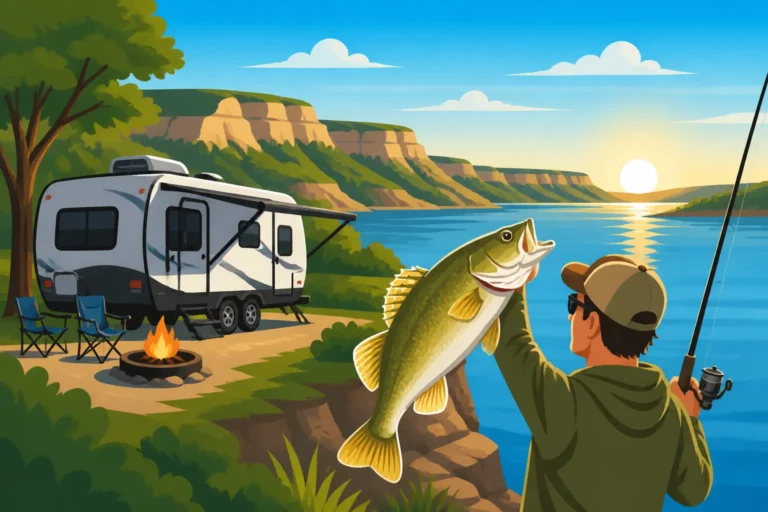
- Lodging and Camping: Both Shadehill Recreation Area and Flat Creek Recreation Area offer developed campgrounds, with options for both primitive and electrical sites. This makes it easy to stay right on the water and maximize your fishing time. Lemmon also has motel options and other amenities like restaurants and grocery stores.
- Local Knowledge and Guides: If you're visiting Shadehill for the first time or want to quickly get on the fish, consider hiring a local fishing guide. They have invaluable knowledge of current conditions, fish movements, and the most effective techniques. Platforms like FishingBooker can be an excellent resource for finding experienced local guides who specialize in Shadehill Reservoir, helping you tailor a trip to your preferences and maximize your chances of success. A guide can also help you understand nuances like Shadehill Reservoir walleye minimum length and other specific regulations.
- Fishing Licenses: Don't forget your South Dakota Fishing License Guide! You can purchase these online through the South Dakota Game, Fish and Parks (GFP) website, or in person at various vendors across the state, including some in Lemmon. Make sure you understand all the requirements, including any habitat stamps that might be needed.
- Checking Water Levels and Conditions: Before heading out, especially during spring runoff or prolonged dry spells, it's wise to check the current water levels and conditions of Shadehill Reservoir. The GFP website or local news sources may provide updates that can affect access and fishing patterns.
- Conservation: Remember to practice responsible angling. Respect all South Dakota Crappie Daily Limit regulations and other species-specific rules, handle fish with care, and pack out everything you pack in. The health of Shadehill's fishery depends on all of us.
Here's a quick reference table for Shadehill's main species:
| Fish Species | Primary Habitat | Key Baits/Lures | Best Seasons | Common Depth Range (ft) |
|---|---|---|---|---|
| Walleye | Humps, points, channels, breaklines | Crankbaits, jigs, minnows, crawler harnesses | Spring, Fall, Winter | 5-30 |
| Northern Pike | Weed beds, submerged timber, shallow bays | Spoons, spinnerbaits, large crankbaits | Spring, Summer, Fall | 5-20 |
| Channel Catfish | River channel, deeper holes, muddy flats | Cut bait, stink bait, worms | Summer, Fall | 10-30 |
| Crappie | Brush piles, submerged timber, weed edges | Small jigs, live minnows, plastic grubs | Spring, Fall | 5-15 |
Knowing these details will give you a significant edge, whether you're trying to land a trophy walleye or simply enjoy a relaxing day on the water with a stringer full of panfish. Shadehill Reservoir truly offers a unique and often rewarding experience for anglers willing to explore its waters.
Disclaimer
Fishing conditions and regulations in South Dakota, including at Shadehill Reservoir, can change. Always consult the latest South Dakota Game, Fish and Parks (GFP) regulations handbook or their official website before your trip to ensure you have the most current information regarding licenses, limits, and other rules. This guide is for informational purposes only and should not replace official sources.