Custer State Park Trout Fishing Access
Custer State Park in the Black Hills of South Dakota is a truly special place, a crown jewel for anyone who loves the outdoors. But for us anglers, especially those with a hankering for trout, it can sometimes feel a bit overwhelming trying to figure out where to even start. It’s a huge park, crisscrossed with streams and dotted with beautiful lakes, and the sheer choice can make it tough to pinpoint the best spots for some quality trout action. This guide is here to untangle that, giving you the inside scoop on accessing those prime trout fishing locations within Custer State Park.
The Allure of Trout Fishing in Custer State Park
There’s just something magical about casting a line in Custer State Park. Surrounded by rugged granite peaks, whispering pine forests, and abundant wildlife, it’s an experience that transcends just catching fish. It's about being immersed in a truly wild South Dakota landscape, and the trout here are as much a part of that experience as the buffalo.
Why Custer is a Trout Angler's Dream
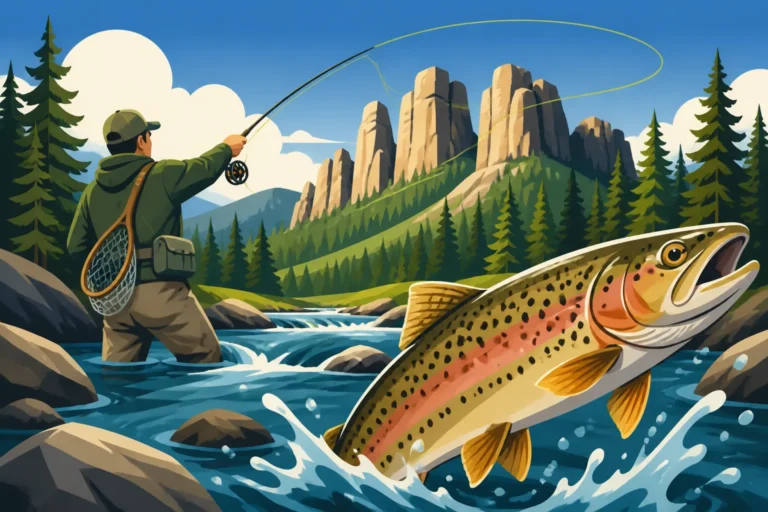
For many, Custer State Park represents the quintessential Black Hills fishing experience. Unlike the larger reservoirs on the Missouri River, which offer incredible walleye fishing, Custer provides that intimate, stream-side charm or the serene beauty of a mountain lake. The waters here are cold, clear, and oxygen-rich, perfect conditions for a variety of trout species. You'll find a healthy population of wild brown trout, known for their cunning and aggressive strikes, especially in the park's more remote streams. Rainbow trout are also prevalent, often bolstered by stocking efforts, making them a more reliable target for those looking for consistent action. And if you're lucky and venture into the smaller, higher-elevation tributaries, you might even encounter the elusive and beautiful brook trout. The challenge and reward of landing these vibrant fish against such a stunning backdrop is what keeps anglers coming back year after year. It’s not just about the size of the fish, but the purity of the setting and the fight they put up in these pristine waters.
Understanding the Park's Unique Fishing Environment
Fishing in Custer State Park isn't like fishing just anywhere else. The Black Hills are a unique geological formation, and the park’s elevation, ranging from around 3,500 feet to over 7,000 feet, plays a huge role. This elevation means colder water temperatures, even in the height of summer, which is excellent for trout but also dictates their behavior and feeding patterns. The streams are often freestone, meaning they flow over rocky bottoms, creating a mix of riffles, runs, and deep pools – classic trout habitat. The lakes, particularly Sylvan Lake, are high-mountain reservoirs with crystal-clear water, requiring a different approach, often favoring stealth and precise presentations. You'll also encounter dense riparian vegetation along many stream banks, which can make casting a bit of an adventure, especially for fly anglers. Understanding these environmental nuances is key to a successful outing. It's about appreciating the wildness, adapting your techniques to the specific water you're fishing, and respecting the natural beauty that surrounds you. This distinct environment is why many anglers seek out the specific challenges and rewards of a Black Hills Trout Stream Fishing Guide.
Key Access Points for Trout Fishing
Knowing where to wet a line is half the battle, and Custer State Park offers several fantastic spots, each with its own character and species focus. It’s about picking the right water for the experience you’re chasing.
French Creek
French Creek is arguably one of Custer State Park's most iconic trout streams. It flows right through the heart of the park and is renowned for its strong populations of wild brown trout and stocked rainbow trout. Access to French Creek is generally good, with several pull-offs and designated parking areas along the Wildlife Loop Road and Highway 36. Many anglers like to park near the French Creek Horse Camp or explore the stretches around the Gordon Stockade.
When you're walking the banks of French Creek, you'll encounter a classic Black Hills stream environment: clear, flowing water, plenty of rock structure, and often overhanging vegetation. This means you’ll want to be mindful of your approach, as these trout can be skittish. Fly fishing is very popular here, with anglers often presenting small nymph patterns, dry flies during hatches, or streamers in deeper pools. For spin anglers, small inline spinners like a Mepps or Panther Martin, or tiny spoons, can be incredibly effective. The creek offers a mix of easy-to-reach spots and more adventurous stretches where a bit of bushwhacking might be required, especially if you're seeking out those untouched pockets where bigger browns like to hide. Remember to check the specific South Dakota Fishing Regulations Explained for French Creek, as rules can sometimes vary by section.
Grace Coolidge Creek and Legion Lake
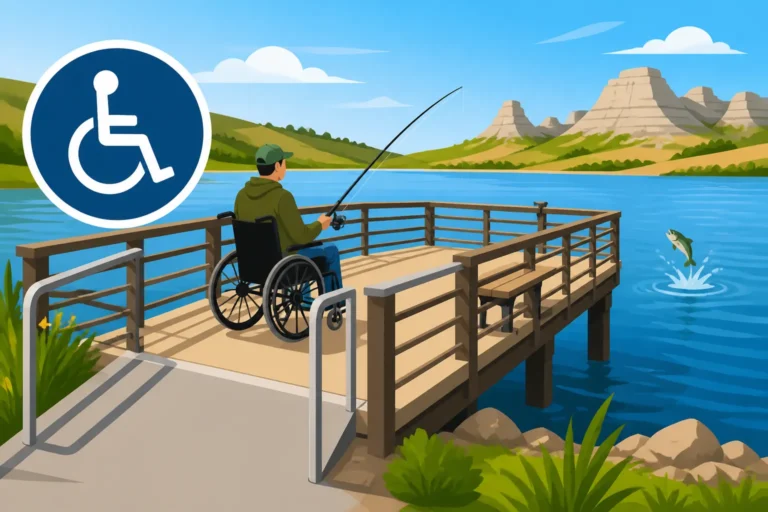
Grace Coolidge Creek is another fantastic option, especially for those looking for a more family-friendly experience or waters that receive regular stocking. This creek flows into Legion Lake, a picturesque lake nestled among the pines. Access to Grace Coolidge Creek is excellent around the Grace Coolidge Campground area and upstream from Legion Lake. There are often well-maintained paths that follow the creek, making it accessible for anglers of all ages and abilities.
Legion Lake itself is a popular spot, frequently stocked with rainbow trout, making it a reliable place for a catch. Shore fishing is very popular here, with plenty of open bank access. You can use anything from powerbait or worms fished off the bottom to small spinners or spoons. Kayaks and canoes are also a great way to explore the lake's edges, particularly near any submerged structure or inlets where trout might congregate. Upstream in Grace Coolidge Creek, particularly above the lake, you'll find smaller, more intimate water. Fly anglers will enjoy drifting nymphs or small dry flies, while spin anglers can have success with light tackle and micro jigs or small spinners. It's a fantastic place to introduce kids to trout fishing, offering a high chance of success in a beautiful, calm environment.
Sylvan Lake
Sylvan Lake is perhaps the most iconic and visually stunning body of water in Custer State Park, often referred to as the "Crown Jewel of the Black Hills." Nestled high in the Needles, surrounded by towering granite formations, fishing here is an experience in itself. While the lake's beauty often draws sightseers, it also holds good populations of rainbow trout, brown trout, and splake (a brook trout/lake trout hybrid) that are regularly stocked.
Access to Sylvan Lake is straightforward from the main parking area near the historic Sylvan Lake Lodge. You can fish from various points along the shore, though some areas are quite rocky and require careful footing. The lake is also popular for non-motorized boating, and renting a canoe or kayak from the lodge during the summer months can open up access to different coves and deeper waters. Because the water is incredibly clear, presentation is key. Fly anglers often use streamers, nymphs, or even tiny dry flies to imitate the lake's abundant insect life. Spin anglers find success with small spoons, soft plastics, or suspending jerkbaits retrieved slowly. Early mornings and late evenings are often the best times, especially when the crowds thin out and the trout come closer to the surface to feed. Fishing in such a pristine, high-altitude environment like Sylvan Lake is a truly memorable part of the Black Hills Trout Stream Fishing Guide experience.
Stockade Lake
Stockade Lake, located near the town of Custer, is another excellent and often overlooked fishing destination within Custer State Park. It's a larger lake than Sylvan or Legion, with a more diverse fishery, but it still offers solid opportunities for trout, especially rainbow trout, which are regularly stocked. The lake also holds largemouth bass, pike, and panfish, so you might catch a variety of species.
Access to Stockade Lake is very good, with several boat ramps and ample shore access, particularly around the Stockade Lake Beach area and the surrounding day-use parks. This lake is great for both boat anglers and those who prefer to fish from the bank. If you have a small boat, kayak, or canoe, you can explore the various coves and points that might hold trout. Fishing strategies here can be similar to other stocked lakes: powerbait or worms on the bottom, small spinners, spoons, or even jigs fished under a bobber. Trolling small crankbaits or spinners can also be effective, especially for covering more water and finding those cruising trout. Stockade Lake is a fantastic option for a day of relaxed fishing, offering a beautiful setting without the same level of crowds you might find at some of the park's more famous attractions.
Essential Tips for Successful Custer State Park Trout Fishing
Fishing in Custer State Park, while incredibly rewarding, does come with its own set of considerations. Being prepared and understanding the local nuances will greatly enhance your chances of a memorable trip.
Navigating Regulations and Licenses
Before you even think about casting a line, understanding the rules is paramount. South Dakota has clear regulations, and Custer State Park, while within the state, sometimes has specific local nuances to be aware of. First and foremost, everyone 16 years of age and older needs a valid South Dakota fishing license. This isn’t something to skip, as conservation officers patrol these waters regularly. You can easily purchase your license online through the South Dakota Game, Fish and Parks (GFP) website or at various vendors throughout the state. It's also critical to understand the specific South Dakota Trout Limits in the Black Hills, which can vary by stream or lake. Some waters might have special catch-and-release rules, different bait restrictions, or length limits for certain species. Always consult the most current South Dakota Fishing Regulations Explained or the GFP fishing handbook for the year you're fishing. Ignorance of the law is never an excuse, and we want to keep these fisheries healthy for generations to come! If you're planning a trip from out-of-state, be sure to look into your South Dakota Nonresident Fishing License Options well in advance.
Gear Up for Mountain Streams and Lakes
The varied environments within Custer State Park mean that a "one-size-fits-all" approach to gear might leave you scrambling. For the intimate, often brushy stream fishing found on French Creek or Grace Coolidge Creek, a lighter setup is ideal. A 6 to 7-foot ultralight spinning rod paired with a small reel spooled with 4-6 lb test monofilament or fluorocarbon line is perfect for casting small spinners, spoons, or jigs. Fly anglers will appreciate a 7'6" to 9' 3-5 weight fly rod for delicate presentations of nymphs, dry flies, and small streamers. Waders are almost a must for stream fishing to allow you to move freely and access prime spots without spooking fish from the bank.
For the larger, clearer waters of Sylvan Lake or Stockade Lake, you might opt for slightly heavier gear if you're targeting larger trout or covering more water. A 7-foot medium-light spinning rod with 6-8 lb test line offers more casting distance and control. If you're fly fishing on the lakes, a 5 or 6-weight rod can handle larger flies and potential wind. Don't forget essentials like a net with a rubber mesh to protect the fish, polarized sunglasses to cut glare and spot fish, and a small tackle box filled with a variety of lures and flies. Being prepared with the right tools, whether it's a nimble fly rod or a trusty ultralight spinning setup, makes all the difference when you're targeting different waters.
Best Times to Visit for Trout
Timing your visit to Custer State Park can significantly impact your trout fishing success. Generally, the spring (April to early June) and fall (September to October) offer the most comfortable weather and often the most active trout. In spring, as the ice comes off the lakes and stream flows stabilize after snowmelt, trout become more active, feeding heavily after a long winter. This can be an excellent time for both stream and lake fishing, particularly for stocked rainbow trout.
Summer (June through August) can still be productive, especially in the higher-elevation lakes like Sylvan or during early mornings and late evenings on the streams. However, mid-day summer fishing can be slower, and the park sees its highest tourist traffic, which can mean more crowded fishing spots. During warm summer days, trout will seek out deeper, cooler water in lakes or hide in shaded, oxygenated pockets in streams. Fall brings cooler temperatures and vibrant foliage, making for incredibly picturesque fishing. The brown trout, in particular, become very aggressive as they prepare for their spawning season, offering chances at larger, more colorful fish. Winter ice fishing can also be an option on some of the larger lakes within or near the park, but it requires specialized gear and understanding of ice safety, which is a whole different adventure covered in a South Dakota Ice Fishing Guide.
Planning Your Custer State Park Fishing Adventure
A trip to Custer State Park is more than just a fishing expedition; it's an immersive experience in one of America's most stunning state parks. Thinking about the bigger picture can make your entire visit truly unforgettable.
Accommodation and Amenities
Custer State Park is incredibly well-equipped to host visitors, whether you're looking for a rustic camping experience or a cozy lodge stay. Within the park, you’ll find several beautiful campgrounds like French Creek Horse Camp, Blue Bell Campground, or Sylvan Lake Campground. These offer various amenities, from primitive sites to those with electrical hookups, and provide immediate access to hiking trails, fishing spots, and wildlife viewing opportunities. Staying within the park allows you to maximize your fishing time, waking up to the sounds of nature and being just a stone's throw from the water.
If camping isn't quite your style, the park also boasts several historic lodges, including Sylvan Lake Lodge, State Game Lodge, Blue Bell Lodge, and Legion Lake Lodge. These lodges offer comfortable rooms, dining options, and sometimes even guided activities. The town of Custer, just outside the park, provides additional lodging, restaurants, grocery stores, and bait shops, making it a convenient base of operations. For those who enjoy a bit of luxury combined with their wilderness experience, or perhaps a guided trip to specific spots, looking into options on FishingBooker can help you find local guides or even charter services that might include accommodation packages or recommendations. Remember, popular spots and lodges book up quickly, especially during peak season, so plan your accommodation well in advance.
Beyond Fishing: Other Park Activities
While fishing might be your main draw, it would be a shame to visit Custer State Park and not experience its many other incredible offerings. The park is world-renowned for its scenic drives, most notably the Wildlife Loop Road, where you’re almost guaranteed to see herds of bison, pronghorn antelope, deer, and burros roaming freely. The Needles Highway and Iron Mountain Road offer breathtaking vistas and engineering marvels.
Hiking is another popular activity, with trails ranging from easy lakeside strolls to challenging climbs up granite peaks. Trails like Cathedral Spires or Black Elk Peak (the highest point east of the Rockies) provide unparalleled views. You can also enjoy swimming and paddleboarding on Legion Lake and Sylvan Lake, take a scenic boat tour, or explore the park's history at the Gordon Stockade. For those with a passion for wildlife, dawn and dusk are prime times for spotting animals. Combining your fishing excursions with these other activities creates a well-rounded and unforgettable Black Hills adventure. It's the perfect place to make memories, even when the fish aren't biting! If you're exploring beyond the park, you might even consider a guided trip from FishingBooker to Lake Oahe Fishing Near Pierre, known for its incredible walleye action, for a completely different kind of fishing experience.
Custer State Park Trout Fishing Summary
When you head out to Custer State Park with your fishing gear, you’re not just going to catch fish; you’re stepping into an iconic South Dakota landscape where every cast is accompanied by breathtaking views and the whispers of the wild.
| Fishing Spot | Primary Trout Species | Key Access Points | Notable Features | Best For |
|---|---|---|---|---|
| French Creek | Brown, Rainbow | Along Wildlife Loop Road, Hwy 36, Horse Camp | Wild fishery, mix of riffles and pools | Fly fishing, adventurous stream anglers |
| Grace Coolidge Creek | Rainbow (stocked), Brown | Grace Coolidge Campground, upstream from Legion Lake | Family-friendly, accessible banks, smaller water | Beginners, kids, easy access |
| Legion Lake | Rainbow (stocked) | Legion Lake Lodge area, designated shore access | Clear water, serene, non-motorized boating | Shore fishing, family outings, consistent action |
| Sylvan Lake | Rainbow, Brown, Splake | Sylvan Lake Lodge area, rocky shore access | Iconic views, high-elevation, very clear water | Scenic fishing, stealthy approaches, boat rentals |
| Stockade Lake | Rainbow (stocked), Brown | Boat ramps, beach area, surrounding parks | Larger lake, diverse fishery (bass, pike), good access | Boat anglers, mixed species day, varied techniques |
Remember, a successful trip relies on more than just knowing where the fish are. It's about respecting the environment, understanding the local South Dakota Fishing Season Dates and Limits, and gearing up appropriately for mountain conditions. Whether you're carefully wading French Creek for a feisty brown, or enjoying a tranquil morning on Sylvan Lake hoping for a rainbow, Custer State Park offers an unparalleled trout fishing experience. Don't forget to secure your South Dakota Fishing License Guide before you go!
Disclaimer
Please be aware that fishing regulations, access points, and conditions can change. Always consult the official South Dakota Game, Fish and Parks (GFP) website or their most current fishing handbook before planning your trip to Custer State Park to ensure you have the most up-to-date information regarding licenses, limits, and any special area-specific rules.