Where to Fish in the Black Hills Without a Boat
The Black Hills of South Dakota are an angler's paradise, but the sprawling lakes and challenging rivers can make it seem like you absolutely need a boat to experience the best fishing. That's a common misconception, and it often discourages folks who don't own a vessel or prefer a simpler, more connected fishing experience. The good news is, you absolutely can enjoy incredible fishing throughout the Black Hills without ever stepping foot on a boat, whether you prefer casting from the bank, wading into a cool stream, or paddling a small craft. This comprehensive guide will show you exactly where and how to find fantastic fishing spots in the Black Hills that are perfectly suited for the land-based angler.
Unlocking the Accessibility of Black Hills Waters
The charm of the Black Hills isn't just in its majestic landscapes, but also in the sheer variety and accessibility of its fishing waters. For many, the idea of fishing conjures images of expensive boats and complicated gear, but here, simplicity often reigns supreme.
The Joy of Shore and Wade Fishing
There's something incredibly grounding about fishing with your feet firmly planted on the earth, whether it's the gritty bank of a lake or the cool, pebbled bottom of a mountain stream. Shore fishing and wading aren't just alternatives to boat fishing; they're often preferred methods for a truly immersive experience. Think about it: no boat ramps to navigate, no motors to maintain, no gas to buy, and significantly less gear to haul around. You can simply park your car, grab your rod, and go.
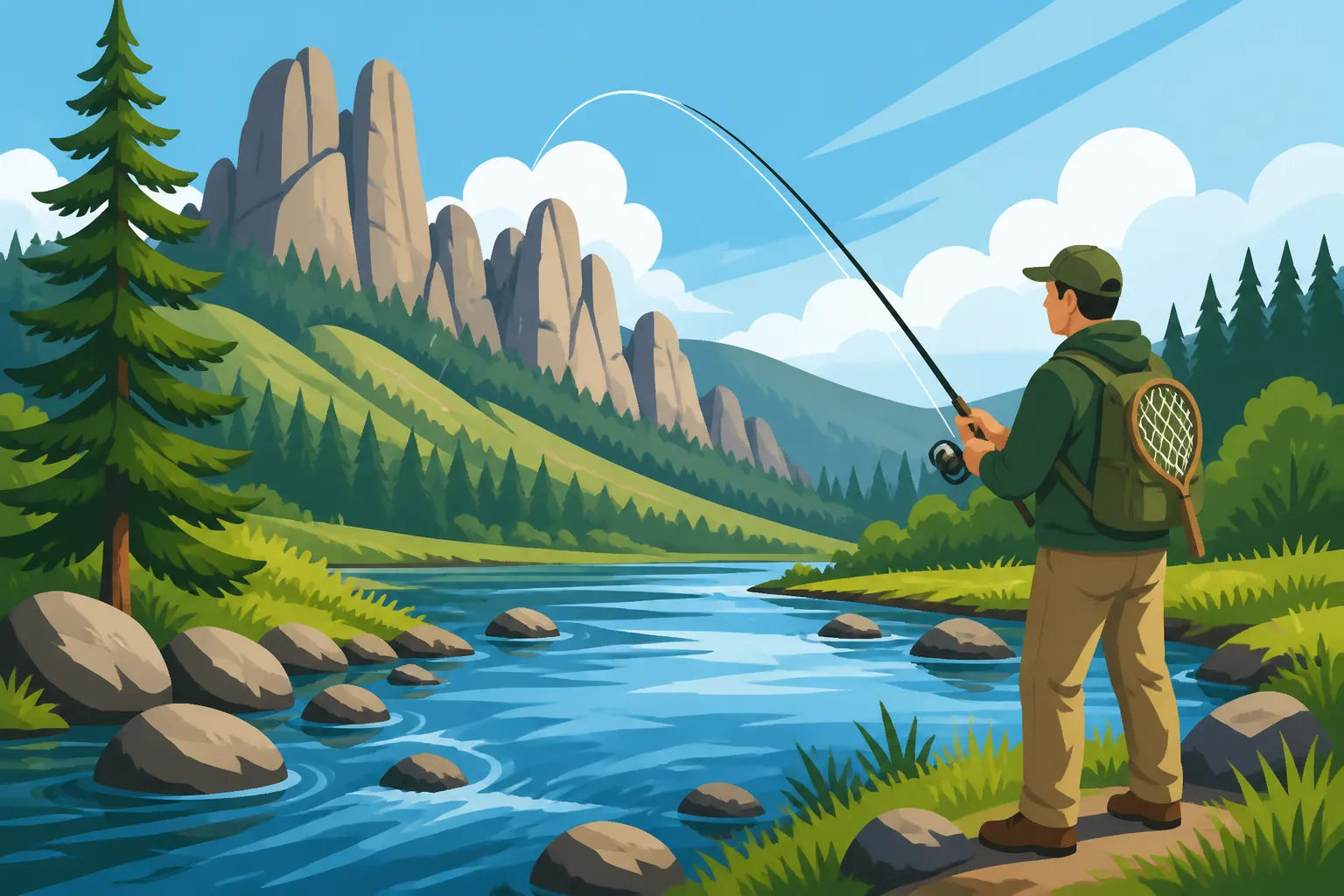
This approach offers unparalleled peace and quiet, allowing you to truly connect with the natural beauty surrounding you. You learn to "read the water" differently, identifying subtle currents, submerged structures, and potential fish-holding lies from a different perspective. For trout anglers in particular, wade fishing in the Black Hills streams is often considered the purest form of the sport. It challenges your stealth, casting accuracy, and ability to blend into the environment, yielding incredibly rewarding catches. Plus, it's a fantastic way to escape the crowds that sometimes gather at popular boat launches.
Kayaks, Canoes, and Float Tubes: Your Portable Vessels
While the focus here is truly boat-free fishing, it's worth noting that smaller, personal watercraft like kayaks, canoes, and float tubes offer a fantastic middle-ground if you want to extend your reach beyond mere casting distance. These portable vessels are easily launched from nearly any access point, don't require expensive trailers or complicated motors, and allow you to explore coves, weed lines, and stream sections that might be unreachable from the bank.
Many anglers transport kayaks or float tubes on car roofs or in truck beds, making spontaneous trips a breeze. They open up access to secluded areas where bigger boats can't go, enhancing that sense of wilderness adventure. Safety is still paramount, of course – always wear a life jacket, especially on larger lakes or moving water – but the freedom and simplicity they offer make them a popular choice for those looking to enhance their shore-based fishing without the commitment of a traditional fishing boat.
Top Walk-In and Shore Fishing Spots in the Black Hills
The Black Hills are crisscrossed with fantastic fishing opportunities, many of which are specifically renowned for their walk-in and shore access. Whether you're chasing elusive trout in crystal-clear streams or hoping for a feisty panfish from a lake bank, there's a spot waiting for you.
Pristine Trout Streams
The Black Hills are most famous for their incredible trout fishing, and many of the best streams are perfectly suited for wading or bank fishing.
- Rapid Creek: This iconic stream offers diverse fishing experiences, from urban angling in the heart of Rapid City to pristine wilderness sections. Within the city limits, especially around areas like Canyon Lake Park, you'll find readily accessible banks where you can cast for rainbow and brown trout. Further upstream, below the Pactola Dam, there are extensive public access points for wade fishing, including specific "catch-and-release" sections that are known for producing larger, more challenging trout. Anglers exploring these sections will find them perfect for a quiet day on the water. For more details on these specific regulations, consult the Black Hills Stream Trout Regulations.
- Spearfish Creek: Widely regarded as one of the most beautiful and productive trout streams in the state, Spearfish Creek runs alongside a scenic byway, providing numerous pull-offs and designated public access points. Whether you prefer fly fishing or spin casting, you'll find ample opportunities to wade into its clear waters and target feisty rainbow, brown, and brook trout. The varying currents and structures ensure a rewarding challenge for anglers of all skill levels.
- Castle Creek: A bit more intimate and often less crowded than its larger counterparts, Castle Creek near Deerfield Lake offers excellent wade fishing for smaller, wilder trout. This creek often requires a bit more bushwhacking and careful wading, making it ideal for those seeking a true wilderness experience.
- Box Elder Creek & Spring Creek: These smaller Black Hills gems also provide fantastic wade fishing opportunities. They might not be as well-known as Rapid or Spearfish Creek, but they offer a chance for solitude and a good population of wild trout. Knowing the South Dakota Trout Limits in the Black Hills is crucial when visiting these streams, as regulations can vary by specific water body.
Productive Lakes and Reservoirs for Bank Anglers
While streams get a lot of the spotlight, the Black Hills reservoirs and lakes offer fantastic shore fishing for a variety of species, from trout to panfish and even northern pike.
- Pactola Reservoir: Situated west of Rapid City, Pactola is a jewel of the Black Hills and surprisingly angler-friendly for those without a boat. Numerous picnic areas, campgrounds, and designated access points allow for excellent bank fishing. You can target rainbow trout, kokanee salmon, and even some northern pike. It’s a popular spot, so arrive early during peak season. Be mindful of specific rules; for instance, there are often South Dakota Organic Bait Restrictions Near Pactola Dam. For a comprehensive overview, check out our Pactola Reservoir Fishing Guide.
- Sheridan Lake: Located between Rapid City and Hill City, Sheridan Lake is another fantastic option, particularly for families or beginner anglers. It boasts several easily accessible public areas, including beaches and campgrounds, perfect for casting from shore. The lake is regularly stocked with rainbow trout and also holds good populations of panfish like crappie and bluegill. It's a great spot to simply relax and enjoy the scenery while waiting for a bite. More details can be found in our guide on Sheridan Lake Fishing Near Rapid City.
- Deerfield Lake: While more remote and requiring a bit more driving, Deerfield Lake offers a tranquil fishing experience with good shore access, especially in the developed campground areas. This high-elevation lake is known for its excellent trout fishing, including splake (a brook and lake trout hybrid) and brook trout, making it a favorite for those seeking solitude and beautiful surroundings.
- Roubaix Lake: A smaller, often overlooked reservoir located near Pactola, Roubaix Lake offers a peaceful setting for shore anglers. It's managed for trout and provides a quiet alternative to the busier lakes.
- Grizzly Bear Creek Recreation Area Pond: For those with kids or looking for an incredibly easy access point, this small pond near Keystone is regularly stocked and provides a perfect opportunity for a quick fishing trip.
Here's a quick comparison of some popular Black Hills shore/wade fishing spots:
| Spot Name | Primary Fish Species | Key Access Type | Special Rules/Notes | Best Time of Year |
|---|---|---|---|---|
| Rapid Creek (urban/below Pactola) | Rainbow, Brown Trout | Shore, Wade, Urban | Catch-and-release sections, varying bait restrictions in different zones | Spring, Fall |
| Spearfish Creek | Rainbow, Brown Trout | Shore, Wade | Excellent scenic access, varying regulations by section | Spring, Fall |
| Pactola Reservoir | Rainbow, Kokanee Salmon, Pike | Shore | PowerBait/worms for trout, often no live minnows, check current regulations | Summer, Fall |
| Sheridan Lake | Rainbow, Panfish | Shore | Family-friendly, good for beginners, regularly stocked | Summer |
| Castle Creek | Brook, Brown Trout | Wade | Smaller, more intimate, requires good wading skills and potentially some bushwhacking | Spring, Summer |
Essential Gear and Techniques for Land-Based Anglers
Fishing without a boat isn't about compromise; it's about smart preparation and adapting your techniques to the environment. With the right gear and a few honed skills, you'll be just as effective as any boater.
Packing Smart: What to Bring
The beauty of boat-free fishing is its simplicity. You don't need a truckload of gear, but a few key items will make your trip much more enjoyable and successful.
- Rod & Reel: For stream fishing, a light-action spinning rod (5-6.5 feet) paired with a small spinning reel spooled with 4-6 lb test monofilament or fluorocarbon is perfect. If you're a fly angler, a 3-5 weight fly rod is ideal for the Black Hills streams. For lake shore fishing, a medium-light spinning rod (6-7 feet) with 6-8 lb test line offers more casting distance and versatility. Portability is key, so consider a multi-piece travel rod.
- Tackle:
- Streams: Focus on small inline spinners (Mepps Aglia, Panther Martin), tiny spoons (Kastmaster, Little Cleo), small jigs (1/32 to 1/8 oz marabou or trout magnets), and for bait anglers, worms or corn. Fly anglers will want an assortment of nymphs (Pheasant Tail, Hare's Ear), dry flies (Elk Hair Caddis, Adams), and small streamers.
- Lakes: PowerBait (for stocked trout), worms, small minnows (where legal), crappie jigs, small spoons, and even some larger spinners if targeting pike. Having a diverse selection will serve you well.
- Waders/Boots: If you plan to wade the streams, a good pair of waders (breathable chest waders are excellent for comfort in varying temperatures) and sturdy wading boots with felt or rubber soles for grip on slippery rocks are essential. Even for shore fishing, waterproof hiking boots can be invaluable for accessing muddy banks or crossing shallow areas.
- Other Essentials: A small backpack to carry your gear, a landing net (especially important for quick release of trout), pliers or hemostats for hook removal, line clippers, bug spray, sunscreen, plenty of water, snacks, a basic first-aid kit, and, of course, your South Dakota Fishing License. Don't forget to review the South Dakota Fishing Regulations Explained to ensure you're in compliance.
Mastering Shore and Wade Fishing Techniques
Successfully fishing from the bank or while wading requires a slightly different approach than fishing from a boat.
- Reading the Water: This is paramount. From the bank, look for current seams, eddies behind rocks, deeper holes, undercut banks, fallen trees, and any other structure that might provide cover or food for fish. For lake shore fishing, target points, submerged weeds, drop-offs visible near the bank, and areas where baitfish might congregate. Understanding the natural flow and features of the water will dramatically increase your success.
- Casting Accuracy: Especially in tight stream environments with overhanging branches, precise casting is a must. Learn to roll cast, sidearm cast, or make accurate short pitches to place your lure or fly exactly where you want it without spooking fish or getting snagged. For lakes, longer casts can help you reach deeper water or structure further from shore.
- Presentation: Stealth is your friend. Approach stream banks carefully, avoid casting shadows over the water, and move slowly. For trout, natural presentation is key – allow your lure or fly to drift naturally with the current. In lakes, vary your retrieve speed and depth until you find what the fish are responding to. Remember to check out our guides on specific techniques like South Dakota Fly Fishing for Black Hills Trout or Bank Fishing Techniques for Reservoirs.
- Safety: Always be aware of your surroundings. Currents in streams can be deceptively strong, and rocks can be slippery. Check the weather forecast before you go, and let someone know your plans, especially if you're venturing into more remote areas.
Navigating Regulations and Maximizing Your Experience
To ensure a smooth and enjoyable fishing trip in the Black Hills, understanding local regulations and planning effectively are crucial.
Understanding Black Hills Specific Rules
South Dakota has clear fishing regulations, and the Black Hills, with its unique fisheries, sometimes has specific rules that differ from the rest of the state.
- Fishing License: This is non-negotiable. Every angler over the age of 16 needs a valid South Dakota Fishing License Guide. If you're visiting from out of state, ensure you understand the South Dakota Nonresident Fishing License Rules and obtain the correct license type, whether it's an annual, three-day, or one-day option. You can often purchase these online, at local bait shops, or at many convenience stores.
- Limits & Restrictions: Pay close attention to daily and possession limits for each species, especially trout. Some streams or sections of streams may have special catch-and-release rules, artificial lure-only regulations, or specific slot limits. For instance, the Black Hills National Forest often has different trout limits than statewide regulations. Always carry a copy of the current South Dakota GFP Fishing Handbook Guide or have the regulations readily accessible on your phone.
- Bait Restrictions: As mentioned, some waters, particularly those managed for wild trout, may prohibit the use of live bait or specific types of organic bait to protect the ecosystem. Always double-check before you bait your hook.
- Respecting the Environment: Practice "Leave No Trace" principles. Pack out everything you pack in, avoid disturbing wildlife, and respect private property boundaries. Many prime fishing spots are adjacent to private land, and respecting landowners is essential for continued public access.
Planning Your Black Hills Fishing Adventure
A little planning goes a long way in making your boat-free fishing trip a success.
- Timing is Everything: The best time to fish the Black Hills depends on your target species. Spring and fall are generally prime for stream trout, with comfortable temperatures and active fish. Summer can be excellent for high-elevation lakes and early morning/late evening stream fishing. Winter brings unique ice fishing opportunities on some lakes, but that's a whole different ballgame. Our guide on the Best Time of Year to Fish in South Dakota offers more seasonal insights.
- Local Resources: Don't underestimate the value of local knowledge. Stop by bait shops in towns like Rapid City, Spearfish, or Custer. The staff there often have the most up-to-date information on water conditions, recent hatches, and what the fish are biting on at various accessible spots.
- Guided Trips: Even without a boat, a guided trip can be an invaluable investment, especially if you're new to the area or stream fishing. A professional guide can show you lesser-known, easily accessible spots, teach you specific techniques for the local waters, and help you navigate regulations. Platforms like FishingBooker connect you with local experts who specialize in wade or shore fishing trips. Consider booking a shore-based or wade-fishing guide through FishingBooker to learn the ropes quickly and efficiently. Many experienced Black Hills fishing guides listed on FishingBooker specialize in walk-in trips, making them the perfect resource for a memorable, boat-free outing.
The Black Hills offer an incredible fishing experience, and the absence of a boat certainly doesn't mean the absence of fantastic opportunities. With a bit of planning, the right gear, and an adventurous spirit, you'll discover why so many anglers cherish their land-based adventures in this beautiful region.
Disclaimer
The information provided in this guide is for general informational purposes only and is subject to change. Fishing regulations, license requirements, and local conditions can vary. Always consult the official South Dakota Game, Fish and Parks (GFP) regulations handbook or website for the most current and accurate information before planning your fishing trip. Adherence to all local, state, and federal laws is the responsibility of the angler.