Rapid City Urban Fishing Spots
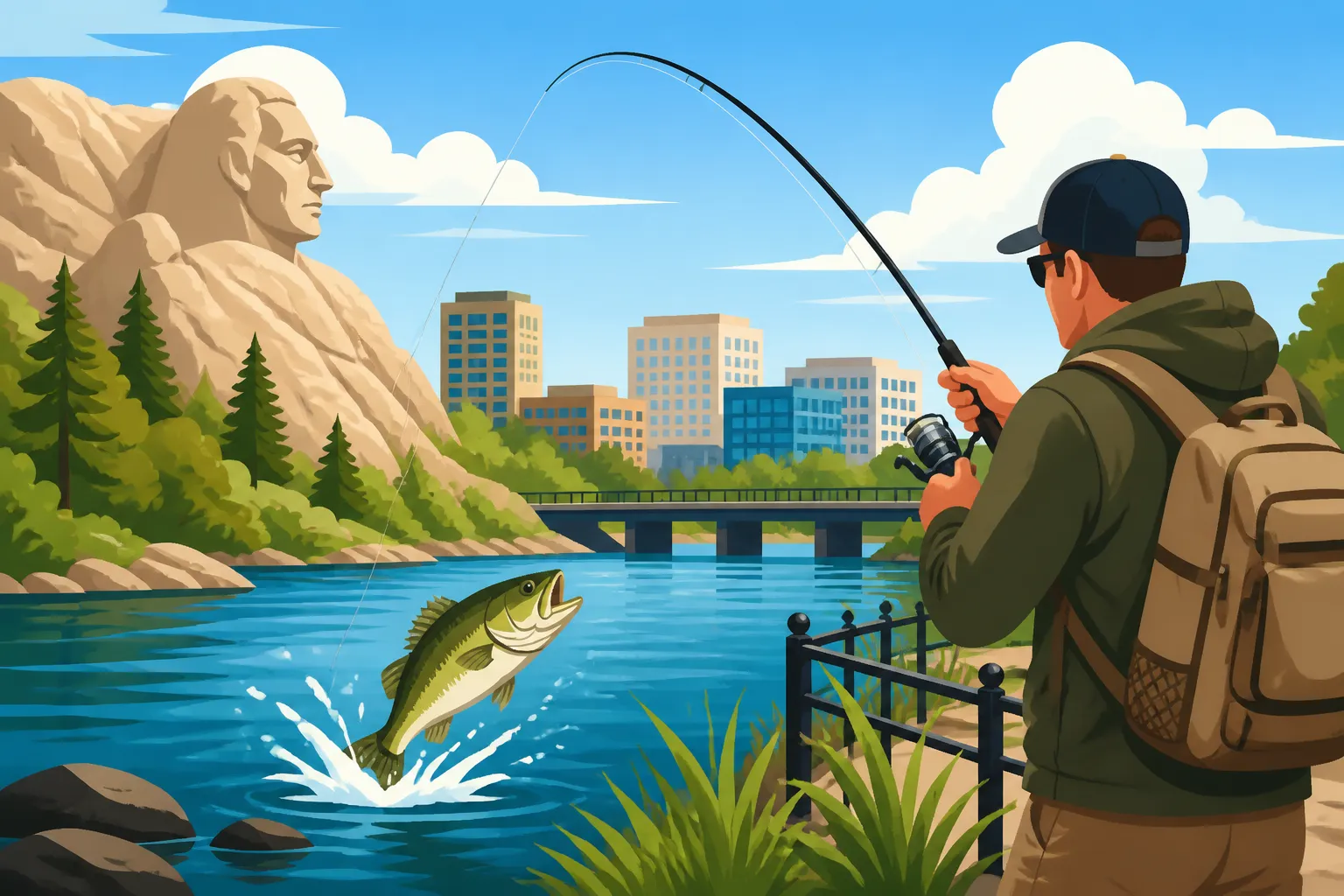
It can feel a bit daunting, can't it? You're in a city like Rapid City, surrounded by shops and traffic, and you're thinking, "Where in the world can I actually wet a line and catch something decent without driving for hours?" The good news is, Rapid City offers some surprisingly robust urban fishing opportunities that are right at your fingertips. This guide is here to walk you through the best spots, the species you can expect to find, and how to make the most of your city fishing adventures.
The Undeniable Charm of Urban Fishing in Rapid City
Many anglers envision pristine wilderness when they think of fishing, but there's a unique satisfaction that comes with finding incredible fishing spots right within city limits. Rapid City is blessed with natural waterways that flow directly through its heart, providing convenient and often overlooked angling experiences.
Convenience and Accessibility at Your Fingertips
One of the biggest struggles for busy folks is finding the time to get away. The beauty of urban fishing in Rapid City is that it's often just a short drive, or even a walk, from your home or hotel. Imagine being able to squeeze in an hour of fishing before dinner or after work, without the hassle of a long commute. This accessibility makes it ideal for families with young children, those new to fishing who want to practice without a huge commitment, or even seasoned anglers looking for a quick fix. You don't need a massive boat or an elaborate plan; a simple rod, a small tackle box, and a willingness to explore is often all it takes. Public parks along the Rapid Creek, for instance, offer easy parking and well-maintained paths right to the water's edge, making spontaneous trips entirely possible.
Moreover, these urban spots often have amenities close by that remote locations lack. Need a snack or a refill for your water bottle? A quick run to a nearby store is usually an option. This blend of nature and urban convenience is truly what makes fishing in Rapid City so special. It transforms what could be a chore into a seamless part of your daily life, proving that you don't always need to go "off the grid" to find some peace and a bending rod.
Diverse Species Thriving in City Waters
You might be surprised by the variety of fish that call Rapid City's urban waters home. While the Black Hills are renowned for their trout streams, Rapid Creek, which flows directly through the city, is a prime example of a thriving urban trout fishery. It's not just stocked rainbow trout either; brown trout often reside in these waters, offering a challenging and rewarding catch.
Beyond the beloved trout, many of the smaller city ponds and lakes are regularly stocked with a mix of panfish like bluegill and crappie, perfect for teaching kids how to fish. Some even hold bass or catfish, providing a more diverse angling experience than one might initially expect. This variety means that no matter your preference or skill level, there's likely a species waiting for you right in town. It really shatters the misconception that city waters are barren or only hold undesirable fish; in Rapid City, the urban environment supports a rich aquatic ecosystem that anglers can genuinely appreciate.
Unveiling Key Urban Fishing Destinations in Rapid City
Rapid City is unique because a significant, fishable waterway, Rapid Creek, flows right through its core. Alongside this, there are accessible ponds and even nearby dam tailwaters that offer excellent fishing opportunities without demanding a long drive.
Rapid Creek Through Town
Rapid Creek is truly the lifeline of urban fishing in Rapid City. From its western edge where it spills out of Canyon Lake Park all the way to the eastern stretches, the creek offers a fantastic, accessible trout fishery. Anglers often find success drifting small nymphs, casting dry flies during hatches, or even using a simple worm-and-bobber setup, especially with kids. The urban sections of Rapid Creek are regularly stocked with rainbow trout by the South Dakota Game, Fish and Parks (GFP), ensuring a good population throughout the warmer months.
Specific sections offer different experiences. For example, the stretch near Founders Park provides easy access and open banks, making it popular for families. Further upstream, closer to Canyon Lake Drive, the creek becomes a bit more braided and offers more structure, appealing to those looking for a slightly more challenging experience targeting brown trout that often hold in deeper pockets or under submerged logs. For specific details on accessing these areas, you might find the "Rapid Creek Fishing Access in Rapid City" guide particularly helpful. Remember that certain sections may have special regulations, so always consult the latest GFP guidelines.
Canyon Lake Park
Nestled on the western side of Rapid City, Canyon Lake Park is a quintessential family fishing destination. The lake itself, fed by Rapid Creek, is regularly stocked with rainbow trout and also holds populations of panfish like bluegill and crappie, and occasionally a surprise bass or two. The park offers abundant shore fishing access, making it incredibly user-friendly for anglers of all ages and abilities. There are numerous docks, bridges, and open bank areas from which to cast.
Kids especially love Canyon Lake Park because of the high likelihood of catching something, often with simple bait like worms or PowerBait. Beyond fishing, the park boasts playgrounds, paddle boat rentals, and picnic areas, making it a perfect spot for a full day out with the family, even if not everyone in your party is an avid angler. It's a fantastic place to introduce new anglers to the sport in a comfortable, supportive environment, where the focus is as much on the experience as it is on the catch.
Pactola Reservoir Tailwaters Below the Dam
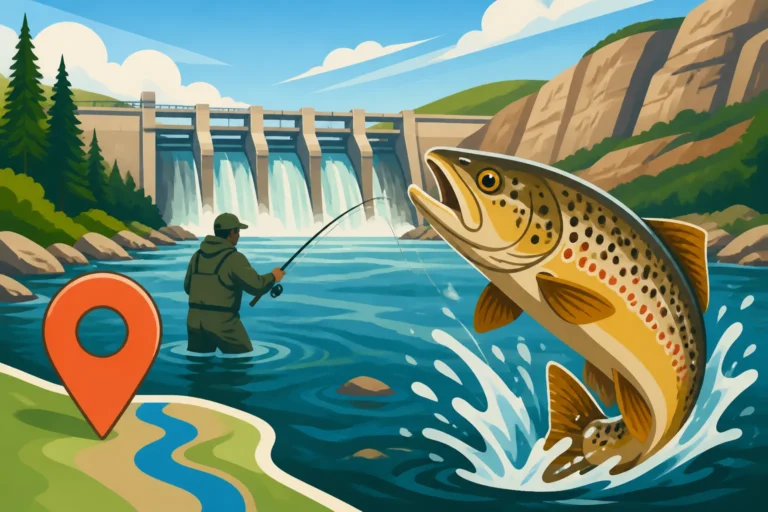
While not strictly within the city limits, the tailwaters of Pactola Reservoir, located just a short drive west of Rapid City in the Black Hills National Forest, are incredibly accessible and offer some of the best trout fishing in the region. This stretch of Rapid Creek, immediately below the dam, is a highly regulated and productive trout fishery, managed for both wild and stocked trout. It's a prime destination for fly anglers and spin fishermen alike who are comfortable with artificial lures.
The cold, clear water released from the bottom of Pactola Reservoir creates ideal conditions for trout, leading to strong populations of rainbow and brown trout, with many fish reaching impressive sizes. Due to its popularity and the sensitive nature of the fishery, this area often has special regulations, including specific lure restrictions and catch-and-release only sections. You'll definitely want to check the "Pactola Reservoir Fishing Guide" and the "Black Hills Catch-and-Release Trout Streams" for the most up-to-date information before heading out. For those looking to escape the immediate city bustle for world-class trout fishing without a lengthy journey, the Pactola tailwaters are an absolute gem.
Other Smaller Ponds and City Parks
Beyond the main artery of Rapid Creek and the popular Canyon Lake Park, Rapid City also boasts several smaller ponds and community park waters that can offer pleasant fishing experiences, particularly for panfish and stocker trout. These spots are often managed by the GFP or local parks department and receive periodic stocking, especially in spring and fall.
One such example is Memorial Park Pond, a small, easily accessible body of water right downtown, perfect for a quick lunch break cast. While not known for trophy fish, these smaller ponds are excellent places to introduce children to fishing with minimal gear. They provide calm waters and a high probability of action with bluegill or small trout, making them ideal for building confidence in young anglers. Always keep an eye out for signs at these parks, as regulations can vary. Sometimes you'll find special rules regarding bait or limits, but generally, they are designed to be user-friendly for local residents. These often overlooked gems truly embody the spirit of urban fishing, making angling accessible to everyone in the community.
Essential Techniques and Gear for City Anglers
Fishing in urban environments sometimes requires a slightly different approach than heading out to a vast, remote lake or river. The fish can be more accustomed to human presence, and the fishing pressure might be higher. However, with the right techniques and gear, you can still have incredibly successful and enjoyable outings.
Light Tackle for Urban Waters
When you're fishing in urban settings like Rapid Creek or Canyon Lake Park, light tackle is often your best friend. A lightweight spinning rod, typically 5 to 7 feet long with a fast action, paired with a small spinning reel spooled with 4-6 pound test monofilament or fluorocarbon line, is usually perfect. This setup allows for precise casting in potentially confined areas, offers excellent feel for subtle bites, and makes even smaller fish feel like a feisty challenge. You're generally not targeting massive trophy fish in these urban spots, so overpowered gear is unnecessary and can actually detract from the experience.
For trout in Rapid Creek, a sensitive rod helps detect the often-light takes of wary fish. A lighter line also means less visibility to the fish in clear city waters. If you're venturing into fly fishing, a 3- to 5-weight fly rod is ideal for the size of the trout typically found in the urban stretches of the creek, allowing for delicate presentations. The key is balance – a setup that's light enough to be fun, sensitive enough to detect bites, and strong enough to handle whatever you might hook in these surprisingly productive waters.
Bait and Lure Selection for Success
The beauty of urban fishing is its versatility in bait and lure choices. For the heavily stocked rainbow trout in Rapid Creek and Canyon Lake Park, traditional baits are often highly effective. PowerBait, in various colors and forms (like Power Eggs or Power Worms), is a consistent performer. Plain old nightcrawlers or garden worms, fished under a bobber or on the bottom, are also perennial favorites, especially when fishing with kids. Small marshmallows or corn kernels can also surprisingly entice trout.
When it comes to artificial lures, small inline spinners like a classic Rooster Tail or a Mepps are excellent choices, especially in silver, gold, or black. Small spoons, micro-jigs (1/32 to 1/8 ounce) tipped with a small plastic grub or Gulp! bait, and tiny crankbaits can also be very productive. For fly anglers, standard trout patterns such as San Juan Worms, Prince Nymphs, Pheasant Tail Nymphs, and various caddis and mayfly imitations are a must-have. Don't forget streamer patterns like Woolly Buggers for more aggressive fish. Knowing a few "Nymph Fishing Techniques for Trout Streams" can significantly up your game in Rapid Creek.
Understanding Urban Fish Behavior
Fish in urban waters, especially in a popular spot like Rapid Creek, can behave a little differently than their wilder counterparts. They often face more fishing pressure and are more accustomed to human activity, which can make them wary. They'll frequently hold in areas that offer cover from both predators and anglers, such as under bridges, in deeper pools, near submerged structures like fallen trees, or along undercut banks. These spots provide safety and ambush points for food.
Successful urban anglers learn to observe and adapt. Look for subtle changes in current, seams where slower water meets faster water, or areas with overhead cover. Fish might be less active during peak human activity hours, preferring dawn, dusk, or even nighttime for feeding. This is why sometimes, a quiet weekday morning can be far more productive than a bustling Saturday afternoon. Approaching the water cautiously, using stealth, and making accurate casts without spooking the fish become even more crucial. Understanding these nuances can turn a good day into a great one, allowing you to consistently find and catch fish in unexpected places within the city landscape.
Navigating Regulations and Etiquette in City Waters
Just because you're fishing within city limits doesn't mean the rules go out the window. In fact, urban fisheries often have specific regulations designed to manage fishing pressure and maintain healthy fish populations. Knowing these rules and practicing good etiquette ensures everyone can enjoy these valuable resources.
South Dakota Fishing License and Local Rules
First and foremost, if you're 16 years of age or older, you absolutely need a valid South Dakota fishing license to fish in Rapid City's public waters, just like anywhere else in the state. Don't let the convenience of urban fishing make you forget this fundamental requirement. You can find comprehensive details on obtaining one in the "South Dakota Fishing License Guide". Along with your license, you'll also typically need a South Dakota Habitat Stamp. These funds go directly back into conserving the state's natural resources, which ultimately benefits our fishing opportunities.
Beyond the statewide requirements, some specific urban areas, particularly within city parks or certain stretches of Rapid Creek, might have additional local ordinances or special regulations. These could include specific bait restrictions (e.g., artificial lures only), catch-and-release only sections, or modified daily limits. Always check signage at the specific location you plan to fish, and consult the official South Dakota Game, Fish and Parks (GFP) Fishing Handbook. The GFP website is an invaluable resource, and their "South Dakota GFP Fishing Handbook Guide" breaks down all the complex rules. It's truly better to be informed than to risk a fine or unknowingly harm a fishery.
Practicing Catch-and-Release and Respectful Angling
Given the high traffic and consistent pressure on urban fishing spots, practicing responsible angling, including catch-and-release, is incredibly important for sustaining healthy fish populations. While it's certainly fun to keep a few fish for dinner (and you can learn which are the "Best Eating Fish in South Dakota"), knowing when to release is key, especially with species like brown trout in Rapid Creek or if you've already met your daily limit. When releasing fish, minimize handling, use wet hands, and try to keep the fish in the water as much as possible to increase its survival chances. Barbless hooks can also make release much easier.
Beyond fish handling, respectful angling means being a good neighbor to both fellow anglers and other park users. Many urban fishing spots are multi-use areas where people are walking, jogging, picnicking, or simply enjoying nature. Be mindful of your casting space, avoid loud noises, and always pack out everything you pack in—including discarded fishing line, which can be incredibly harmful to wildlife. A clean fishing spot is a welcoming fishing spot for everyone, and it ensures these precious urban resources remain vibrant for future generations to enjoy.
Maximizing Your Rapid City Urban Fishing Experience
To truly make the most of fishing within Rapid City, a bit of strategic thinking and knowing where to look for information can go a long way. It's about combining your angling skills with local knowledge to unlock the best opportunities the city has to offer.
Best Times to Fish City Spots
Just like in any fishery, timing is often everything, and urban fishing spots in Rapid City are no exception. The most consistent advice holds true: early mornings and late evenings, often referred to as "low light periods," tend to be the most productive. During these times, fish are typically more active and less wary, and there's generally less human traffic around the water, which reduces pressure. An hour or two after sunrise or before sunset can be prime time for trout in Rapid Creek.
Weather also plays a role. Overcast days can sometimes extend the productive morning bite into the midday, as the reduced light makes fish feel more secure. Furthermore, fishing right after a moderate rain can stir up insects and nutrients, often triggering a feeding frenzy, as long as the water doesn't become too muddy or high. Conversely, bright, sunny afternoons, especially on weekends when parks are bustling, are often the slowest times for fishing. Adapting your schedule to these optimal windows can significantly increase your chances of success.
Resources for Finding Local Information
Even in an urban setting, local knowledge is invaluable. The South Dakota Game, Fish and Parks (GFP) website is your first and most authoritative stop for all things fishing regulations and stocking reports. You can find updated "South Dakota Fishing Regulations Explained" there, as well as specific trout limits for areas like the Black Hills. They frequently post about recent stocking efforts in city ponds and Rapid Creek, giving you a heads-up on where the fresh fish are.
Beyond the official channels, don't underestimate the power of local bait and tackle shops in Rapid City. Places like Scheels or even smaller, independent outfitters often have staff who are avid local anglers. They can provide real-time advice on what's biting, what baits or lures are working best, and even point you to less-frequented access points. Online forums and local fishing groups on social media can also be great resources, where fellow anglers share tips and recent success stories. If you're new to the area or perhaps want to learn specific techniques, consider looking for local guides through platforms like FishingBooker, which can connect you with experienced anglers who know the Rapid City waters intimately. They can provide personalized insights and shorten your learning curve, turning a frustrating day into a productive one.
Understanding South Dakota's Trout Regulations
Fishing for trout in and around Rapid City, particularly in Rapid Creek and the Pactola tailwaters, means being aware of specific regulations that often differ from general statewide rules. These rules are in place to manage the delicate trout populations and ensure sustainable fishing for everyone.
General Trout Limits and Special Regulations
Across most of South Dakota, including many of the state's waters, the general daily trout limit is 5 fish, with a possession limit of 10. However, for specific areas within the Black Hills region, which encompasses Rapid City and its immediate surroundings, these limits can vary significantly. For instance, some Black Hills streams and lakes, particularly those managed for wild trout or high-quality recreational fishing, may have lower daily limits or even be designated as catch-and-release only waters.
It's crucial to consult the "South Dakota Trout Limits in the Black Hills" section of the current South Dakota Fishing Handbook. You'll find that Rapid Creek, especially the sections through Rapid City, might have specific slot limits or size restrictions designed to protect larger, spawning fish. Areas below Pactola Dam are prime examples of waters with very specific regulations on lure types and harvest, often prohibiting bait to reduce mortality on released fish. Always verify the rules for the exact stretch of water you plan to fish before casting a line.
Protecting the Resource Through Responsible Practices
The trout fisheries in and around Rapid City are highly valued and, as such, depend on anglers practicing responsible conservation. Beyond simply adhering to the legal limits, this often means employing techniques that minimize harm to fish, especially in catch-and-release zones. Using barbless hooks is highly recommended, as they allow for quick and easy removal from a fish's mouth, reducing stress and injury. Light tackle, while fun, also necessitates careful handling, ensuring you don't "play" a fish to exhaustion, especially in warmer water temperatures.
When practicing catch-and-release, keep the fish wet and in the water as much as possible. Avoid squeezing fish, especially around their internal organs. If you need a photo, do it quickly and with the fish partly submerged if possible. Releasing fish carefully ensures they survive to spawn and be caught another day, contributing to the health and vitality of Rapid City's trout populations. This mindful approach helps preserve these precious urban fishing opportunities for future generations of anglers.
Table: Popular Urban Fishing Spots in Rapid City
Here’s a quick overview of some of the top urban and near-urban fishing spots in Rapid City:
| Fishing Spot | Primary Fish Species | Best Access Points | Recommended Techniques | Special Considerations |
|---|---|---|---|---|
| Rapid Creek (Downtown) | Rainbow Trout, Brown Trout | Founders Park, Memorial Park, Halley Park | Small spinners, nymphs, worms, PowerBait | Often stocked, check local regulations for specific stretches |
| Canyon Lake Park | Rainbow Trout, Bluegill, Crappie | Numerous docks, shorelines, bridges | Worms, PowerBait, small jigs, inline spinners | Family-friendly, paddle boat rentals, amenities |
| Pactola Tailwaters | Rainbow Trout, Brown Trout | Below Pactola Dam, specific access points | Fly fishing (nymphs, dries), artificial lures | Catch-and-release sections, artificial lures only, cold water year-round |
| Memorial Park Pond | Stocked Trout, Panfish | Easy access from Memorial Park | Worms, PowerBait, micro jigs | Small pond, good for kids, seasonal stocking |
| Sheridan Lake | Rainbow Trout, Brook Trout, Perch | Various campgrounds & day-use areas | Trolling, shore casting, worms, PowerBait | Just a short drive south, deeper lake, popular trout spot |
Disclaimer
Please note that fishing regulations, stocking schedules, and local conditions can change. Always consult the official South Dakota Game, Fish and Parks (GFP) website or their current fishing handbook before heading out. This guide is for informational purposes only and should not replace official sources. Enjoy your time on the water, and fish responsibly!