Best Tailwater Fishing Spots Below Big Bend Dam
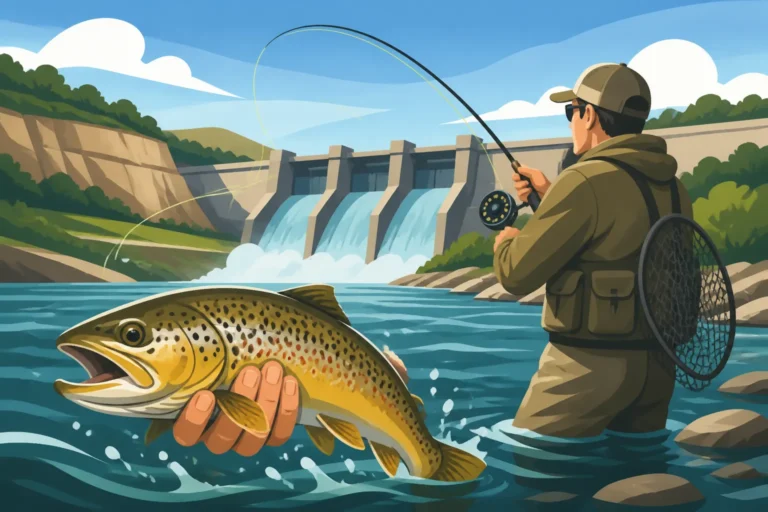
Finding the absolute best fishing spots below a major hydroelectric dam like Big Bend on the Missouri River can feel like trying to solve a complex puzzle. The currents are strong, the water levels fluctuate, and knowing where the fish are holding and what they're biting on can change day by day. It’s a challenge that even seasoned anglers grapple with, but the rewards—especially for walleye, smallmouth bass, and catfish—are often well worth the effort. This guide is dedicated to helping you demystify the Big Bend Dam tailwater, pinpointing prime locations, and equipping you with the knowledge to make your next trip a success.
Understanding the Big Bend Dam Tailwater Fishery
The Big Bend Dam tailwater isn't just another stretch of river; it's a unique, highly productive fishery shaped by the massive structure of the dam itself. The constant flow of water and the churning action below the turbines create an environment distinct from the calmer waters of Lake Sharpe above or the more natural bends downstream. Understanding these dynamics is crucial for any angler hoping to consistently catch fish here.
The Dynamic Environment of the Missouri River Tailwater
When the water gets released from Big Bend Dam, it plunges into a high-energy zone, carrying with it disoriented baitfish and creating oxygen-rich turbulence. This makes it an incredibly attractive feeding ground for predatory fish. The current here is a dominant factor, constantly moving, shaping the bottom, and influencing where fish decide to hold. You'll find areas of slack water, powerful main currents, and everything in between. The water temperature also tends to be more stable than in other parts of the river, as the dam releases water from lower depths of Lake Sharpe, creating a cooler environment in summer and a slightly warmer one in winter compared to surface temperatures. This stability can concentrate fish, especially walleye, in predictable patterns.
The riverbed itself is a mosaic of rock, gravel, and sand, carved and shifted by the relentless flow. Drop-offs, current seams, and submerged structures become key targets. The presence of abundant forage, often drawn into the tailwater from the reservoir, ensures a healthy and active fish population. It's a challenging environment to fish, but one that offers incredible opportunities for those who learn to read the water and adapt their techniques.
Key Fish Species to Target Below Big Bend
The Big Bend Dam tailwater is a multi-species angler's dream, but a few species truly stand out, drawing fishermen from across the region. Each has its own preferences for current, structure, and forage, and understanding these can dramatically improve your catch rates.
- Walleye: These are arguably the most sought-after fish in the Big Bend tailwater. They thrive in the current and feed actively on the abundant baitfish washed through the dam. You’ll find them often tucked into current breaks, behind rocks, or along drop-offs, waiting to ambush prey. The tailwater is known for both numbers of walleye and the potential for trophy-sized fish, especially in the cooler months. For a deeper dive into techniques, check out our comprehensive South Dakota Walleye Fishing Guide.
- Smallmouth Bass: If you love a hard fight, the smallmouth bass here will not disappoint. They absolutely love the rocky bottom and strong current found below the dam. These bronze beauties are often found near riprap, rock piles, and points where they can dart out to grab passing food. They are incredibly aggressive and can provide fast action, especially during warmer parts of the year.
- Channel Catfish: The Missouri River is synonymous with big catfish, and the Big Bend tailwater is no exception. While they might prefer slightly slower currents than walleye or smallmouth, they are prevalent throughout the system, often congregating in deeper holes or eddies. They are opportunistic feeders and will strike a variety of baits. Our South Dakota Catfish Fishing Guide offers more in-depth information on targeting these whiskered giants.
- Other Species: Don't be surprised to encounter other species like sauger, northern pike, and various panfish. Sauger are often found in similar habitats to walleye but prefer slightly deeper, darker water. Northern pike might lurk in any slack water areas or where vegetation can be found further downstream, while crappie and other panfish often inhabit quieter backwaters and eddies closer to shore.
Prime Access Points and Strategies Below Big Bend Dam
Getting to the fish means knowing where to launch your boat or set up your shore fishing rig. The area immediately below Big Bend Dam offers several excellent public access points, each with unique characteristics and fishing opportunities. Learning these spots and the specific strategies that work best for them is key to a productive outing.
Tailwater Recreation Area East and West
Directly below the dam, on both the east and west banks of the Missouri River, you'll find the Big Bend Dam Tailwater Recreation Areas. These are fantastic starting points for exploring the fishery and offer a mix of amenities and fishing styles.
On the west bank, accessible via Fort Thompson, you’ll find boat ramps that put you right into the heart of the tailwater action. This side often features strong currents and deep scour holes where walleye love to congregate. Anglers here often employ heavy jigs tipped with minnows or plastics, jigging vertically directly in the current. Trolling with crankbaits or bottom bouncers can also be effective, but requires a boat stout enough to handle the strong flow. Many anglers also find success anchoring upstream of a known honey hole and casting into it. Look for distinct current seams where fast water meets slower water – these are always ambush points.
The east bank, accessible from State Highway 47, also offers boat ramps and shore access. This side can sometimes provide a bit more shelter from the main current, depending on dam operations, making it potentially easier for smaller boats or those new to river fishing. Shore anglers can walk along certain stretches, casting spoons, jigs, or live bait rigs into eddies and along the edges of the main current. It’s an excellent spot for kids or those who prefer to fish without a boat, though caution is always advised due to the strong and unpredictable currents. For those looking to explore with a professional, consider checking out guides available through services like FishingBooker, who are intimately familiar with these productive waters.
Tailrace Island Area
Just downstream from the immediate dam structure, you'll notice a significant island, often referred to as Tailrace Island. This geological feature breaks up the current and creates fascinating fishing dynamics. The channels on either side of the island, and the areas directly upstream and downstream, are absolute magnets for fish.
The area around Tailrace Island is renowned for its eddies and current breaks, which offer respite for fish from the powerful main flow. Walleye and smallmouth bass frequently stage in these calmer zones, waiting for baitfish to drift by. For boat anglers, navigating around the island requires careful attention to the current, but the rewards can be substantial. Casting jigs or small crankbaits into the seams and working them through the eddies is a highly effective tactic. Try to position your boat to allow for a slow, controlled drift along the edges of the island, presenting your lure to fish hiding in the broken current. This is where your sonar becomes invaluable, helping you spot subtle depth changes and fish holding tight to the bottom.
Shore access around Tailrace Island can be more limited and requires navigating uneven terrain, but persistent anglers can find productive spots, particularly on the downstream side where the currents begin to dissipate. Always be aware of fluctuating water levels, which can quickly change access points and fishing conditions.
Downstream to the Fort Thompson Area
While the immediate tailwater below Big Bend Dam is often the focus, moving further downstream towards Fort Thompson opens up additional opportunities, especially as the river begins to widen and the current becomes a bit less intense. This transition zone can hold different concentrations of fish and allow for different techniques.
As you head downstream, the river settles into a more characteristic flow, with distinct bends, sandbars, and deeper channels. These areas are excellent for trolling, particularly for walleye using crankbaits or bottom bouncers with crawler harnesses. The less violent current here allows for more precise boat control and a wider array of trolling speeds and presentations. Look for submerged structures, channel edges, and humps using your fish finder. Our South Dakota Missouri River Fishing Techniques guide has more insights into mastering the flow of this incredible waterway.
Catfish anglers will also find the Fort Thompson area particularly productive. The deeper holes and slower currents are ideal for setting up cut bait rigs or live bait for channel cats and even the occasional flathead. Bank fishing access becomes more prevalent here, with several informal pull-offs and public access points that allow you to cast out and let your bait sit in promising spots. Remember that the river downstream can also offer great smallmouth bass action along rocky shorelines, especially in the bends.
Essential Techniques and Gear for Big Bend Tailwater Success
Fishing the Big Bend Dam tailwater demands specific techniques and robust gear to contend with the powerful current and target the diverse fish species. It's not a place for the faint of heart or flimsy tackle, but with the right approach, you can have an unforgettable experience.
Mastering the Current
The most critical aspect of fishing below Big Bend Dam is understanding and utilizing the current. Fish often position themselves in current breaks to conserve energy while waiting for food. Your job is to present your lure or bait naturally into these feeding lanes.
- Vertical Jigging: This is a go-to technique, especially for walleye and sauger directly below the dam. Use heavy jigs (typically 3/8 oz to 1 oz or more, depending on current and depth) tipped with a soft plastic swimbait, a paddle tail, or live minnows. Position your boat directly over fish you mark on your sonar or drift slowly, keeping your jig almost perfectly vertical, just off the bottom. The goal is to feel every bump and tick as your jig dances in the current. For more detailed tips, check out Jigging Techniques for Missouri River Walleye.
- Bottom Bouncing: When drifting or slowly trolling, bottom bouncers are invaluable. They keep your bait near the bottom without constantly snagging. Attach a crawler harness or a snell with a minnow behind your bottom bouncer. Experiment with different bouncer weights to maintain contact with the bottom without dragging excessively. This is particularly effective in areas where the current is strong but not overwhelming, allowing for a slower, more controlled presentation.
- Anchoring: Strategic anchoring can be incredibly effective. Find a current break, a deep hole, or a submerged point and anchor upstream, allowing you to cast into the productive zone. This lets you thoroughly work an area without constantly fighting the current. Ensure you have a strong anchor and plenty of rope, as the current can pull hard.
Adapting to Water Levels and Releases
The operation of Big Bend Dam directly impacts fishing conditions. Water release schedules can change daily, sometimes hourly, affecting current speed, depth, and fish behavior. Staying informed is crucial.
Before you even leave home, check the U.S. Army Corps of Engineers website for the current and projected water release schedules for Big Bend Dam. A sudden increase in releases means stronger currents and potentially disoriented fish, but also fresh bait being washed downstream. Decreased releases can slow the current, making it easier to present lighter baits and allowing fish to spread out more.
When water levels are rising or falling, fish often become more active as they adjust to new ambush points or exploit new feeding opportunities. Pay attention to how the current changes different areas. What was a productive eddy yesterday might be a roaring torrent today. Always be prepared to adjust your lure weight, presentation, and even your fishing spot based on these conditions. Understanding the river's pulse is a huge part of consistent success.
Recommended Gear for the Missouri River
Having the right equipment can make all the difference between a frustrating day and a fantastic one on the Big Bend tailwater.
- Rods and Reels: For walleye and smallmouth bass, medium-heavy spinning or baitcasting rods (6'6" to 7'6") with a fast action are ideal. Pair them with robust reels spooled with 10-20 lb braided line, often with a fluorocarbon leader for abrasion resistance and stealth. For catfish, heavier action rods and reels are necessary, capable of handling larger fish and heavier weights.
- Line: Braided line is highly recommended for its sensitivity and strength-to-diameter ratio, allowing you to feel subtle bites and maintain control in the current. A fluorocarbon leader (8-15 lb test for walleye/bass, 20-50 lb for catfish) is essential.
- Lures and Bait: Stock up on a variety of jigs (1/4 oz to 1 oz), soft plastics (paddle tails, grubs), crankbaits (deep-diving models like Berkley Flicker Shads or Rapala Shad Raps), and bottom bouncers with crawler harnesses. Live bait, especially minnows and nightcrawlers, are perennial favorites. For catfish, cut bait (like shad or sucker) or stink baits are highly effective. For specific recommendations, see our guide on the Best Lures for South Dakota Walleye.
- Boat and Safety Gear: If you're planning to boat, ensure your vessel is rated for river use and has a powerful enough motor to contend with strong currents. Always have all required safety equipment, including life jackets for everyone on board. For a full rundown, refer to our South Dakota Boat Safety Requirements and South Dakota Boat and Water Access Rules. A good quality anchor with plenty of rope is non-negotiable.
- Electronics: A reliable fish finder with side imaging or down imaging can be a game-changer for locating structure and marking fish in the turbulent tailwater. GPS functionality allows you to mark productive spots and navigate safely.
Maximizing Your Experience and Staying Safe
A successful fishing trip to the Big Bend Dam tailwater goes beyond just catching fish; it's about enjoying the unique environment responsibly and safely. From knowing the best times to visit to understanding the local regulations, a little preparation goes a long way.
Best Times to Visit
The Big Bend tailwater offers year-round fishing opportunities, but certain seasons shine for specific species. Timing your trip can greatly enhance your chances of success.
- Spring (April-May): This is prime time for walleye as they congregate for their post-spawn feed. Water temperatures are rising, triggering aggressive bites. Smallmouth bass also become active as the water warms. The current can be strong due to runoff and increased dam releases, so be prepared with heavier tackle. This aligns perfectly with the general South Dakota Fishing Seasons Explained.
- Summer (June-August): Walleye fishing remains strong, often moving to deeper current seams or structures during the day. Smallmouth bass are incredibly active, especially around rocky banks and riprap. Catfish action really picks up in the warmer water. Early mornings and evenings can be particularly productive during the heat of summer. Night fishing for walleye can also be fantastic during this period.
- Fall (September-November): Many consider fall to be the best time for trophy walleye. As water temperatures drop, walleye feed heavily to prepare for winter. Smallmouth bass remain active until late fall. The tailwater can also see good numbers of migrating fish. Weather can be unpredictable, so dress in layers.
- Winter (December-March): While ice fishing is popular on Lake Sharpe, open water fishing below the dam can still yield results, especially for walleye. The stable, slightly warmer water from the dam releases can keep areas ice-free and attract fish. Jigging with slower presentations is key.
Navigating Regulations and Safety
The Missouri River is a powerful force, and the tailwater environment can be challenging. Always prioritize safety and adhere to local fishing regulations to ensure a responsible and enjoyable trip.
Before you cast a line, make sure you have the necessary South Dakota Fishing License Guide in hand, and always be aware of the specific rules that apply to the Missouri River. These include limits on the number of lines you can use, specific slot limits for certain species like walleye, and general possession limits. The South Dakota Game, Fish and Parks (GFP) website is your best resource for the most up-to-date regulations. Ignoring these rules can lead to significant penalties, so it's always best to be informed.
Safety on the water is paramount. The current below Big Bend Dam can be exceptionally strong and deceptively powerful.
- Wear a Life Jacket: This is non-negotiable, especially if you're boating or wading in the tailwater. Accidents can happen quickly.
- Be Aware of Dam Releases: As mentioned, water levels and currents can change rapidly. Always keep an eye on upstream conditions and be prepared to move your boat or relocate if the current becomes too strong or conditions unsafe.
- Watch for Debris: The strong current can carry significant debris, especially after heavy rains or increased releases. This can be a hazard for boaters and can snag fishing lines.
- Tell Someone Your Plans: Inform a friend or family member of your fishing location and expected return time. This is especially important if you're fishing alone.
- Weather Awareness: South Dakota weather can change quickly. Always check the forecast before heading out and be prepared for sudden storms, strong winds, or temperature drops.
By combining an understanding of the river's unique characteristics with the right techniques and a strong commitment to safety, your fishing adventures below Big Bend Dam will not only be productive but also incredibly rewarding. If you're traveling from afar, considering a guided trip through a service like FishingBooker can provide invaluable local expertise for navigating these dynamic waters safely and effectively.
Big Bend Dam Tailwater Fishing Quick Reference
| Fishing Spot / Area | Primary Target Species | Recommended Techniques | Key Features / Notes |
|---|---|---|---|
| Directly Below Dam (East/West) | Walleye, Smallmouth Bass, Sauger | Vertical Jigging, Heavy Jigs, Live Bait (minnows) | Strongest currents, deep scour holes, prime for boaters. Shore access available on East side. |
| Tailrace Island Area | Walleye, Smallmouth Bass, Catfish | Jigging Current Seams, Drifting, Casting Small Crankbaits | Eddies, current breaks, rock piles. Requires careful boat navigation. |
| Downstream to Fort Thompson | Walleye, Catfish, Smallmouth Bass | Trolling (crankbaits, bottom bouncers), Cut Bait Rigs | Widening river, less intense current, good for trolling and bank fishing. |
| Shoreline Access Points | Smallmouth Bass, Catfish, Panfish | Casting Jigs, Live Bait (worms, cut bait) | Accessible at recreation areas and downstream pull-offs. Be mindful of current. |
Disclaimer
Please note that fishing regulations, conditions, and fish populations can change. Always consult the official South Dakota Game, Fish and Parks (GFP) website or their current fishing handbook for the most up-to-date information before planning your trip. This guide is for informational purposes only and does not replace official regulations or professional advice.