South Dakota State Park Fishing Ponds
It's easy to get caught up in the allure of South Dakota's massive Missouri River reservoirs or the challenging trout streams of the Black Hills. But for many of us, especially families with young anglers or those just looking for a peaceful, low-stress day of fishing, the idea of battling big waves or navigating complex currents can be pretty daunting. We often yearn for a simpler experience, a place where the focus is on enjoying nature, making memories, and actually catching some fish without all the fuss. This guide will explore the often-overlooked treasures: South Dakota's state park fishing ponds, revealing why these accessible waters are the perfect solution for a relaxing and rewarding angling adventure.
The Underrated Appeal of State Park Ponds
South Dakota's state parks are renowned for their natural beauty, camping, hiking, and wildlife viewing opportunities. What many folks don't realize is that a significant number of these parks also boast fantastic fishing ponds, specifically managed by the South Dakota Game, Fish and Parks (GFP) to provide easy, family-friendly angling experiences. These aren't your challenging, deep-water big-lake experiences; these are places designed for enjoyment and accessibility.
Accessibility and Family-Friendly Fun
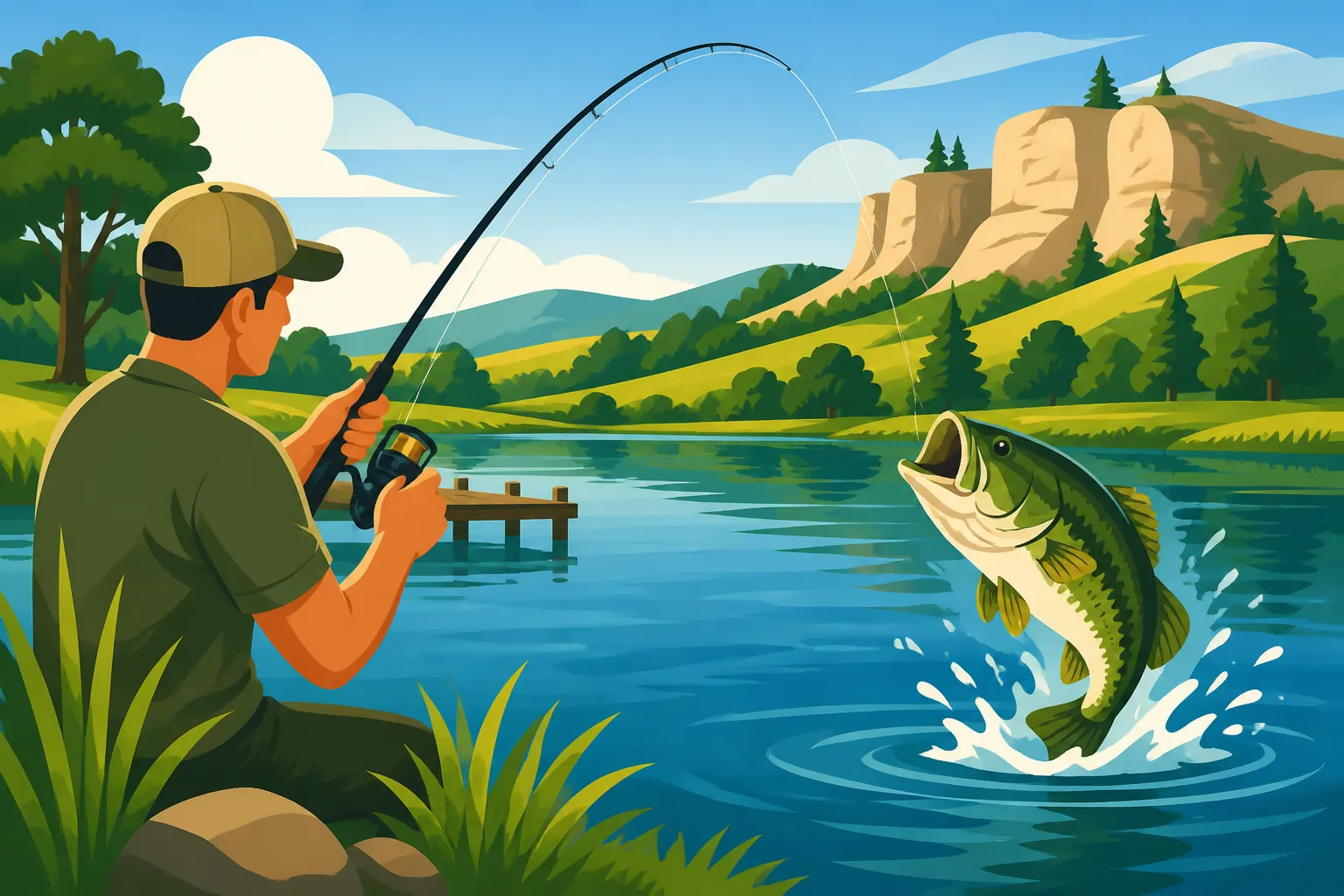
One of the biggest draws of state park ponds is their incredible accessibility. You don't need a fancy boat, a powerful motor, or even a highly specialized fishing setup. Most of these ponds are perfect for shore fishing, often featuring designated fishing piers, easy walking paths, and picnic areas right nearby. This makes them ideal for introducing kids to fishing. Imagine setting up a couple of chairs, casting a line, and enjoying a snack while the kids excitedly wait for a bobber to dip. It’s less about the trophy catch and more about the shared experience, the gentle tug on the line, and the pure joy of reeling in even a small bluegill. The relative calm and contained nature of these ponds mean parents can relax a little more, knowing their little ones are in a safe, predictable environment. You won't find roaring speedboats or complex navigation here, just serene waters.
Stocked Waters and Diverse Catches
Another huge advantage of these state park ponds is that many of them are actively stocked by the GFP. This means a higher likelihood of success, which is absolutely crucial for keeping new anglers, especially kids, engaged and excited. While the big reservoirs are famous for their walleye, you'll find a different, yet equally rewarding, variety of species in these ponds. Think panfish like crappie, bluegill, and yellow perch, which are incredibly fun to catch on light tackle and provide consistent action. In some areas, particularly in western South Dakota and during specific seasons, you might even find rainbow trout being stocked. These managed fisheries ensure a healthy population, making it easier for anglers of all skill levels to get a bite. It’s all about maximizing the fun and minimizing the frustration, which these stocked ponds certainly deliver on.
Key Fish Species You'll Find
When you head out to a South Dakota state park pond, you're primarily targeting species that thrive in smaller, often shallower, and calmer waters. While you might not land a record-breaking walleye, the action can be incredibly consistent and the species available are fantastic for eating and fun to fight.
Panfish Galore: Crappie, Bluegill, Perch
Panfish are truly the stars of state park ponds. You'll likely encounter a mix of crappie (both white and black), bluegill, and yellow perch. These fish are relatively small, but they make up for it with their aggressive bites and willingness to hit a variety of baits. For kids, nothing beats the thrill of a bobber disappearing under the water and then reeling in a feisty bluegill with its vibrant colors. Crappie often school up, so when you find one, you're likely to find more, leading to exciting spurts of action. Yellow perch, with their distinctive stripes, are also a popular catch and are delicious on the dinner table. These species are perfect for teaching basic fishing skills, from casting and baiting to setting the hook. When planning your trip, remember that understanding the state's official Crappie and Panfish Possession Limits is crucial.
Largemouth Bass and Channel Catfish
Beyond the panfish, many state park ponds also hold healthy populations of largemouth bass and channel catfish. Largemouth bass are ambush predators, often found near submerged vegetation, fallen trees, or other structure. They offer a more challenging fight and can grow to respectable sizes, providing an exciting catch for anglers looking for something a bit bigger. Catching a bass on a topwater lure near lily pads on a calm morning is an experience you won't soon forget. Channel catfish are bottom dwellers, known for their powerful fights and excellent eating quality. They'll readily take stinky baits like cut bait, prepared dough baits, or even worms. They are often most active in the evenings or at night, making for a fun change of pace if you're camping nearby. If you’re really interested in targeting these fighters, be sure to brush up on specific techniques in a South Dakota Largemouth Bass Fishing Guide or a South Dakota Catfish Fishing Guide.
Trout Opportunities in Specific Ponds
While less common than panfish, some state park ponds, especially those in the cooler Black Hills region or those fed by cold springs, are periodically stocked with rainbow trout by the GFP. These stockings often occur in spring and fall when water temperatures are optimal for trout survival and activity. These ponds provide a unique opportunity to catch a species more typically associated with streams and larger lakes, right from the comfort of a park pond. Trout can be a bit more finicky than panfish, often preferring smaller baits or artificial lures, but they offer a spirited fight on light tackle. Always check the specific regulations for any designated trout ponds, as there might be special bait restrictions or catch limits. Some of the smaller ponds within Custer State Park, for example, are often popular for trout fishing.
Top South Dakota State Park Ponds for Fishing
South Dakota is blessed with a fantastic network of state parks, and many of them offer excellent fishing pond opportunities. While it’s impossible to list every single one, here are some standout options across the state, broken down by region, that often get rave reviews from local anglers and families.
Western South Dakota Gems
When you think of fishing in Western South Dakota, your mind might immediately jump to the Black Hills trout streams. However, several state park ponds in this region offer fantastic, more accessible alternatives.
- Legion Lake, Sylvan Lake, and Center Lake (Custer State Park): Located within the iconic Custer State Park, these beautiful mountain lakes (often functioning like large ponds in terms of accessibility) are prime spots for rainbow trout. They are regularly stocked and offer stunning scenery alongside your fishing experience. Imagine casting a line with granite spires and pine forests as your backdrop! While these are technically lakes, their size and accessibility make them feel very much like expanded park ponds. You can often rent boats or kayaks, or simply fish from the shore. You don't need a separate license for trout here, but be aware of South Dakota Trout Limits in the Black Hills.
- Angostura Recreation Area (Near Hot Springs): While Angostura is a large reservoir, it also features numerous bays and calmer areas that fish very much like ponds, especially for panfish and bass. The recreation area itself has great camping and facilities, making it an excellent base for a family fishing trip. The sheer amount of shoreline access makes it feel very accessible.
- Shadehill Recreation Area (Northwest SD): Another larger reservoir with excellent state park amenities. Similar to Angostura, its numerous protected coves and shallow areas create prime "pond-like" fishing conditions for crappie, perch, and northern pike. This park is a bit more off the beaten path, offering a quieter experience.
Eastern South Dakota Hotspots
Eastern South Dakota, with its rolling prairies and numerous glacial lakes, also offers a plethora of fantastic state park ponds, particularly good for panfish and bass.
- Newton Hills State Park (Near Canton): This park is a true hidden gem for anglers. It features a beautiful lake that feels like a large pond, offering excellent fishing for largemouth bass, bluegill, and crappie. The park is known for its heavily wooded trails and scenic beauty, providing a wonderful backdrop for a fishing day. There are usually designated fishing areas and sometimes even a small pier. It's a fantastic spot for a quiet escape.
- Oakwood Lakes State Park (Near Bruce): This park encompasses several interconnected lakes and ponds, making it a diverse fishing destination. You can target walleye and northern pike in the larger lake sections, but the shallower bays and designated fishing areas offer superb panfish action. The park offers plenty of shoreline access and camping, making it a great multi-day family destination.
- Lake Vermillion Recreation Area (Near Montrose): While "Lake Vermillion" sounds grand, the recreation area offers a very accessible, pond-like feel in its calmer sections, perfect for catching a variety of panfish, bass, and northern pike. It’s well-known for its excellent crappie fishing, and the park has good facilities for a family outing.
- Roy Lake State Park (Near Lake City): Located in the northeastern Glacial Lakes region, Roy Lake is an exceptional fishing destination, and its state park access makes it very family-friendly. While it’s a larger lake, it has many sheltered bays and areas perfect for targeting panfish, northern pike, and even walleye. The park facilities are top-notch, including camping and boat rentals, but you can easily enjoy a productive day just fishing from shore in many spots. This area truly exemplifies Is Roy Lake Good for Family Fishing Trips?.
Urban Fishing Challenges and Solutions
Sometimes, even getting to a state park feels like a journey. The good news is that the GFP, often in partnership with local municipalities, manages several "urban fishing ponds" that function much like state park ponds but are located within or very close to major population centers. These are stocked regularly and designed for maximum convenience.
- Family Park Ponds (Sioux Falls): Several ponds within Sioux Falls, such as Family Park Pond and Catfish Pond (not its official name, but a local nickname due to stocking efforts), are managed for easy fishing. These ponds are incredibly accessible, often right off major roads, and are frequently stocked with panfish and channel catfish. They're perfect for a quick after-work cast or a spur-of-the-moment family outing.
- Izaak Walton League Pond (Rapid City): Another great example of an accessible urban fishing spot, often stocked with trout in the cooler months and panfish/catfish during warmer periods. These urban ponds bring the joy of fishing right to your doorstep, solving the "how far do we have to drive?" dilemma.
When planning to visit any of these, consider using resources like FishingBooker to find more localized details or even book a charter for a larger lake nearby if you decide to extend your trip. While not typically for small ponds, it's a great tool for overall trip planning.
Essential Gear and Techniques for Pond Fishing
One of the beautiful things about fishing state park ponds is that you don't need a boatload of expensive gear. Simplicity is often the key to success and enjoyment, especially when fishing with beginners or kids.
Simple Rod and Reel Setups
For most pond fishing, a basic spinning rod and reel combo is all you need. Look for a light to medium-light action rod, typically in the 5 to 6.5-foot range. This will be sensitive enough to feel the lighter bites of panfish but still have enough backbone to handle a decent largemouth bass or catfish. Pair it with a small spinning reel spooled with 4-8 pound monofilament line. Monofilament is forgiving, easy to tie knots with, and has enough stretch to prevent hooks from tearing out of a fish's mouth.
- For Panfish: A simple setup with a small hook (size 8-12), a tiny split shot weight a foot or so above the hook, and a bobber set to suspend your bait a few feet deep is incredibly effective.
- For Bass and Catfish: You might step up to a slightly heavier line (8-10 lb) and a slightly larger hook (size 4-6 for bass, or even bigger for catfish).
- For Kids: Consider a "spincast" reel. These are often easier for young children to operate, as they involve pushing a button to cast rather than manipulating a bail. Many beginner rod and reel kits come with everything you need.
Remember, you don't need to break the bank. Even an inexpensive combo from a local tackle shop or a larger retailer like Walmart will get the job done. If you're wondering what kind of gear might be suitable, consider exploring articles on Best Fishing Rods and Reels for Walleye (and adapt the principles for lighter species) for ideas on balancing sensitivity and strength.
Effective Baits and Lures for Ponds
Pond fish aren't usually picky eaters, which is great for new anglers! Live bait is almost always a winner, but a few artificials can also be highly effective.
- Live Bait Favorites:
- Worms: Red wigglers, nightcrawlers – these are universal fish catchers. Thread them onto a small hook for panfish or use a whole nightcrawler for bass and catfish.
- Minnows: Small minnows are irresistible to crappie, bass, and even larger perch. Rig them under a bobber or on a small jig head.
- Leeches: Similar to minnows, leeches are excellent for bass, walleye (if present), and larger panfish.
- Prepared Baits:
- Corn: Believe it or not, canned corn is fantastic for bluegill and sometimes even trout. It's cheap, easy to use, and smells appealing.
- Dough Balls/Stink Baits: Specifically designed for catfish, these messy but effective baits are a go-to for many channel cat anglers.
- Artificial Lures:
- Small Jigs: Tiny jigs (1/32 to 1/8 ounce) tipped with a small plastic grub, tube, or even just a piece of a worm, are deadly for crappie and bluegill. Try colors like white, chartreuse, or black.
- Spinners: Small inline spinners (like Mepps or Rooster Tail) are great for bass and sometimes trout. Cast them out and retrieve steadily.
- Soft Plastics: Small plastic worms, creature baits, or swimbaits rigged on a light jig head or Texas rig can entice largemouth bass.
Experiment with what the fish are biting on that day. Sometimes a simple worm is all it takes!
Basic Pond Fishing Strategies
Pond fishing doesn't require complex strategies. The key is to understand where fish might hide and present your bait naturally.
- Look for Structure: Fish love cover. This includes fallen trees, submerged brush, rock piles, lily pads, docks, or even changes in bottom depth. Cast your bait near these areas.
- Fish the Edges: The edges of weed beds, where shallow water meets deeper water, or along riprap shorelines are prime spots.
- Bobber Fishing: This is the classic, relaxing method. Cast your bobber out, watch it intently, and when it dips, set the hook! Adjust the depth until you find where the fish are biting.
- Bottom Fishing: For catfish and sometimes larger panfish, a simple bottom rig with a weight to hold your bait down can be effective. Just cast it out and wait for a bite.
- Patience and Observation: Take your time. Watch the water for signs of fish activity – ripples, jumping fish, or baitfish scattering. Sometimes just sitting quietly and being observant is the best strategy. Remember, the South Dakota Fishing Handbook Guide offers a wealth of information on various techniques and species behaviors.
Rules and Regulations for State Park Fishing
Even though state park ponds offer a relaxed fishing experience, they are still subject to South Dakota's fishing laws. It’s absolutely essential to be aware of and comply with all regulations to ensure a smooth, legal, and enjoyable trip.
License and Habitat Stamp Requirements
Unless you fall under very specific exemptions, anyone 16 years of age or older needs a valid South Dakota fishing license to fish in state park ponds. This includes residents and nonresidents alike. The good news is that acquiring a license is straightforward, and you can usually purchase one online through the GFP website, at bait shops, or at many sporting goods stores. Depending on the type of license you purchase, you might also need a South Dakota Habitat Stamp Requirements. This stamp helps fund crucial habitat conservation efforts across the state.
- Youth Anglers: Generally, children under a certain age (currently under 16) do not need a license. This is fantastic for families, as it makes introducing kids to fishing even easier. Always double-check current regulations for specific age cutoffs as they can change. Find more details in Do Kids Need a Fishing License in South Dakota?.
- Special Days: South Dakota also offers South Dakota Free Fishing Days annually, usually in the summer, where residents and non-residents can fish without a license. This is an excellent opportunity to try fishing if you're unsure about committing to a license.
- Cost Considerations: If you're curious about the different options and prices, check out the South Dakota Fishing License Costs page for a comprehensive breakdown.
General Fishing Rules and Park-Specific Guidelines
Beyond the license, you must adhere to general statewide fishing regulations, which include daily and possession limits for different species, length restrictions (e.g., minimum size for bass in some waters), and rules on the number of lines you can use. Each state park pond might also have specific rules, especially concerning:
- Bait Restrictions: Some ponds, particularly those stocked with trout or in environmentally sensitive areas, might have restrictions on certain types of bait (e.g., artificial lures only, no live bait). Always check park signage or the GFP website for specific pond rules.
- Boat and Water Access: While most state park ponds are great for shore fishing, if you plan to use a kayak, canoe, or small boat, be aware of South Dakota Boat and Water Access Rules. Many smaller ponds might restrict motorized boats or have specific launch requirements. Even non-motorized vessels often have rules for transport and use to prevent the spread of aquatic invasive species.
- Cleanliness and Etiquette: Always pack out what you pack in. Leave no trace. Respect other anglers, especially those with families. State parks are shared spaces, and proper etiquette ensures everyone has a pleasant experience. This includes not hogging prime fishing spots and keeping noise levels down.
Remember, ignorance of the law is no excuse. A quick check of the current GFP fishing regulations or the state park's specific website before your trip can save you a lot of headache and potential penalties.
Planning Your State Park Fishing Adventure
A successful fishing trip to a state park pond goes beyond just catching fish. It's about the entire experience—the planning, the time spent outdoors, and the memories created.
Making it a Family Affair
State park ponds are truly designed for family enjoyment. To make the most of it, involve everyone in the planning process. Let the kids help pick out snacks, choose a bobber color, or even research which fish they might catch. Pack a picnic, bring some games, and don't make the entire day solely about fishing. If the bites are slow, a walk on a nearby trail or a stop at the park playground can save the day. The goal is to create a positive association with the outdoors and fishing, fostering a lifelong love for the sport. Consider the amenities of the park when choosing, as some offer interpretive centers, playgrounds, or swimming beaches, providing backup activities if the fish aren't cooperating. Engaging a local expert or checking out online resources like FishingBooker can sometimes help you find the best spots or even a family-friendly guide for a nearby larger lake that complements your pond fishing plans.
Camping and Amenities Considerations
Many of South Dakota's state parks offer excellent camping facilities, from primitive tent sites to full-service RV spots. Turning your fishing trip into an overnight or weekend camping adventure can greatly enhance the experience. Imagine waking up at your campsite, making a quick breakfast, and then walking a short distance to the pond as the sun rises, casting your line in the peaceful morning stillness. This is where state parks truly shine – combining the joy of fishing with the broader outdoor experience.
When selecting a park, consider the amenities:
- Restrooms and Water: Essential, especially with kids.
- Picnic Areas: Great for family meals.
- Playgrounds: A fantastic way to burn off energy.
- Hiking Trails: Offers an alternative activity if fishing slows down.
- Boat Rentals: Some parks offer rentals for kayaks or paddle boats, providing another way to explore the pond or nearby lakes.
- Campground Showers: A welcome luxury after a day outdoors.
Always make reservations for camping, especially during peak seasons, as state parks are very popular. Details about the amenities available at a specific park can usually be found on the South Dakota Game, Fish and Parks website or directly on the state park's webpage.
| State Park Pond Example | Location (Nearest City) | Primary Fish Species | Common Amenities | Notes |
|---|---|---|---|---|
| Legion Lake | Custer | Rainbow Trout, Panfish | Camping, Hiking, Boat Rental | Picturesque Black Hills setting, fee area |
| Newton Hills State Park | Canton | Largemouth Bass, Panfish | Camping, Hiking, Playgrounds | Wooded, scenic, great for quiet fishing |
| Oakwood Lakes State Park | Bruce | Walleye, Pike, Panfish | Camping, Boat Ramp, Beaches | Interconnected lakes, diverse options |
| Lake Vermillion | Montrose | Crappie, Bass, Pike | Camping, Boat Ramp, Cabins | Excellent crappie fishery, family-friendly |
| Roy Lake State Park | Lake City | Walleye, Pike, Panfish | Camping, Boat Ramp, Rentals | Glacial Lakes region gem, good facilities |
Disclaimer
Please note that fishing regulations, license requirements, and park amenities can change. Always consult the official South Dakota Game, Fish and Parks (GFP) website or the specific state park's website for the most current information before planning your trip. This guide is for informational purposes only and should not be considered a substitute for official regulations.