Platte Creek Area Fishing Spots
There's nothing quite like the anticipation of a South Dakota fishing trip, but sometimes, figuring out where to go to maximize your chances can be a real head-scratcher. With so many fantastic waterways, pinpointing a truly productive area is crucial. This guide is all about one such gem: the Platte Creek area on Lake Francis Case, a fishing destination that consistently delivers for anglers willing to delve into its secrets. We'll explore why this spot is so special, what you can expect to catch, and the best ways to tackle its waters.
Understanding the Allure of the Platte Creek Area
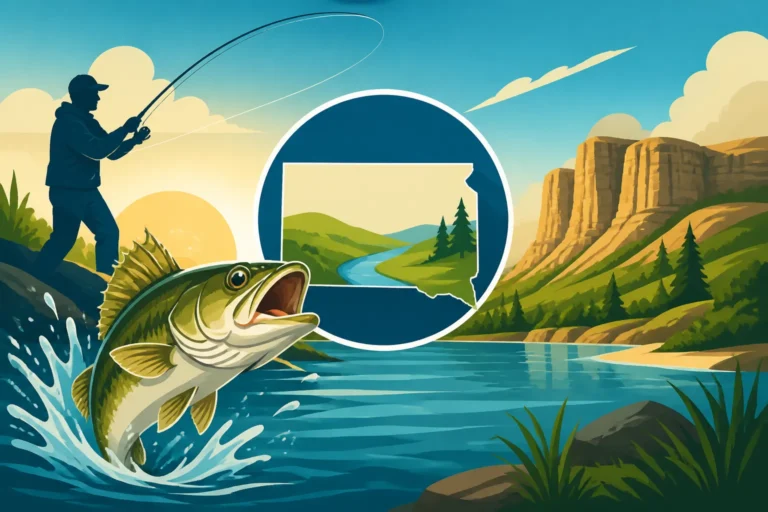
The Platte Creek area isn't just another bend in the Missouri River system; it's a dynamic and incredibly productive fishing zone that draws anglers from all over. Situated on the sprawling Lake Francis Case, one of the four mainstem Missouri River reservoirs in South Dakota, this region offers a unique blend of riverine current, reservoir depths, and diverse habitat that few other spots can match. Many folks mistakenly think all parts of these huge reservoirs fish the same, but the truth is, local geography and incoming creeks create distinct patterns that really make a difference.
The Geography and Habitat of Platte Creek
Platte Creek itself is a relatively small tributary that flows into Lake Francis Case near the town of Platte, South Dakota. What makes this particular confluence so appealing to fish, and consequently, to anglers, is the sheer variety of habitat it introduces. The creek mouth creates a natural "funnel" for baitfish and nutrients, especially after rains, which then attracts larger predatory species. Beyond the immediate creek mouth, the area features a mix of rocky points, submerged timber, gradual sloping flats, and sudden drop-offs. These varied structures provide ideal cover, feeding grounds, and spawning areas for different species throughout the year. Think of it like a natural grocery store and sanctuary all rolled into one – fish don't have to travel far to find what they need.
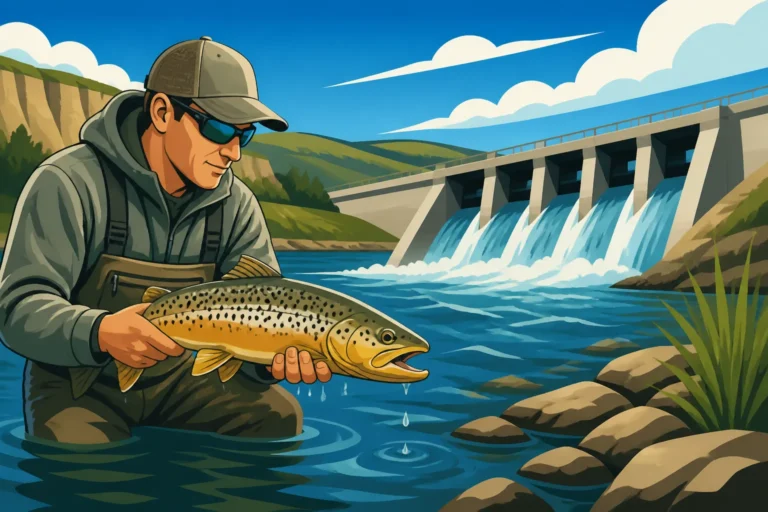
The currents here, while part of the larger Lake Francis Case, can be influenced by wind and the discharge from Fort Randall Dam upstream, creating eddies and current breaks that walleye, especially, love to ambush prey from. Understanding these subtle current changes is often the key to unlocking a successful day on the water. It’s not just about finding fish; it’s about finding active fish.
Prime Fish Holding Structures
When you're out on the water near Platte Creek, knowing what structures hold fish is paramount. Beyond the obvious creek channel, pay close attention to the transitions. Where a shallow flat suddenly drops into deeper water, you'll often find walleye staging. Points extending out into the main lake, especially those with rock piles or submerged brush, are magnets for smallmouth bass. For catfish, the softer, muddier bottoms near the creek channel or in deeper bends are often productive. The old adage "find the bait, find the fish" holds especially true here, as schools of shad and other forage fish will congregate around these features, bringing the predators right to them.
During different seasons, the fish will relate to these structures differently. In spring, shallower flats near the creek mouth warm up first, drawing crappie and walleye for pre-spawn feeding. In summer, the deeper edges and main lake points become more crucial as fish seek cooler water or more consistent oxygen levels. Learning to read your electronics and correlate those readings with the underwater topography you see on a good lake map is incredibly valuable in this complex environment.
Top Fishing Locations Around Platte Creek
While "Platte Creek area" sounds like one spot, it's really a collection of interconnected hotspots, each offering its own unique opportunities. Being able to move between these micro-locations based on conditions and target species is a huge advantage. Don't get stuck on one spot if it's not producing; these fish are constantly on the move, and so should you be!
Platte Creek Recreation Area Access Points
The Platte Creek Recreation Area is more than just a place to launch your boat; it offers some excellent fishing directly from shore or very close to the ramps. The immediate vicinity of the creek mouth, where Platte Creek flows into Lake Francis Case, is a classic spot. This area is often dredged, creating deeper holes and channels that act as highways for fish. You'll find anglers casting from the bank, targeting walleye, crappie, and catfish, especially during spring and fall. These areas are easily accessible and provide a great option for those without a boat or those looking for a quick evening bite. For those looking to enjoy some casual shore fishing or quick access to the water, this public access point is a fantastic resource.
The jetties and riprap around the boat ramps also provide structure that smallmouth bass love to inhabit. Tossing a small jig or crankbait parallel to these rocky banks can often yield some surprisingly good catches. Just be mindful of boat traffic, especially on busy weekends. If you're planning a trip and want to explore all the access options, a detailed South Dakota Fishing License Guide can help you understand what permits you'll need.
Downstream of the Platte Creek Mouth
Heading downstream (south) from the creek mouth, you'll encounter a series of intriguing features that continue to hold fish. This stretch includes numerous rocky points, ledges, and transition zones where the main lake channel brushes up against shallower flats. These areas are prime for trolling for walleye, especially with crankbaits or spinner rigs. The current here can be more pronounced than directly in the creek, so pay attention to how your boat drifts and how your lures are presented. Depths can range significantly, from shallow shelves of 5-10 feet, quickly dropping into 20-30 feet or more.
Anglers often focus on the edges of the main river channel, especially where it bends or narrows. These current breaks allow fish to conserve energy while waiting for baitfish to be swept past. This downstream stretch is also excellent for smallmouth bass, particularly around any visible or submerged rock piles. For those who enjoy a bit of history, this entire section of Lake Francis Case, reaching down towards the Fort Randall Dam, offers incredible fishing.
Upstream Towards Lake Francis Case
Moving upstream (north) from the Platte Creek entrance, the landscape shifts slightly, often becoming a bit wider with more expansive flats and submerged islands. This section, while still part of the Platte Creek general area, blends into the larger Lake Francis Case, offering a different character of fishing. The water here can be slightly less influenced by the immediate creek flow but still provides excellent structure. Key areas to focus on include humps and subtle rises on the lake bottom, often invisible without good sonar. Walleye will relate to these features, especially during summer and winter.
This upstream section is also known for producing good numbers of crappie and other panfish, particularly around submerged brush or timber that might be remnants of the land flooded to create the reservoir. Vertical jigging or using slip bobbers with live bait are effective techniques in these areas. Understanding the overall dynamics of the larger Lake Francis Case Fishing Guide is essential to fully appreciate how Platte Creek fits into the broader fishery.
Targeting Key Species in the Platte Creek Waters
The Platte Creek area is truly a multi-species angler's paradise. While walleye often steal the spotlight, you'd be missing out if you didn't explore the excellent opportunities for smallmouth bass, catfish, and various panfish. Each species has its preferred haunts and habits, making for a diverse and exciting fishing experience.
Walleye Strategies Near Platte Creek
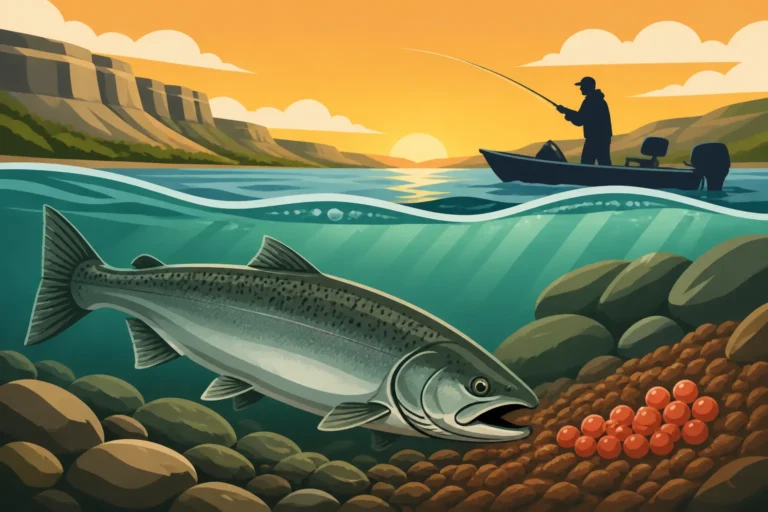
Walleye are undoubtedly the kings of the Platte Creek area, attracting a significant portion of the angling effort. They are present in good numbers and can be found relating to various structures depending on the season and time of day. In spring, as waters warm, walleye move shallower towards the creek mouth and adjacent flats for pre-spawn feeding. This is when jigging with a minnow or a soft plastic can be incredibly effective, particularly around depths of 8-15 feet. As summer progresses, they often retreat to deeper water, congregating on main lake points, submerged humps, and the edges of the old river channel. Trolling crankbaits or spinner rigs at specific depths becomes a go-to technique during these warmer months.
Fall sees another surge of activity as walleye aggressively feed to prepare for winter, moving back into shallower feeding areas during low-light conditions. During this time, the South Dakota Walleye Limits are a crucial piece of information to keep handy, ensuring you stay within regulations while enjoying the bounty. Whether you're targeting them with live bait like nightcrawlers and minnows or artificial lures, understanding their seasonal movements is key to consistent success. For detailed insights into techniques, check out the South Dakota Spring Walleye Fishing Techniques and South Dakota Fall Walleye Fishing Techniques.
Smallmouth Bass Opportunities
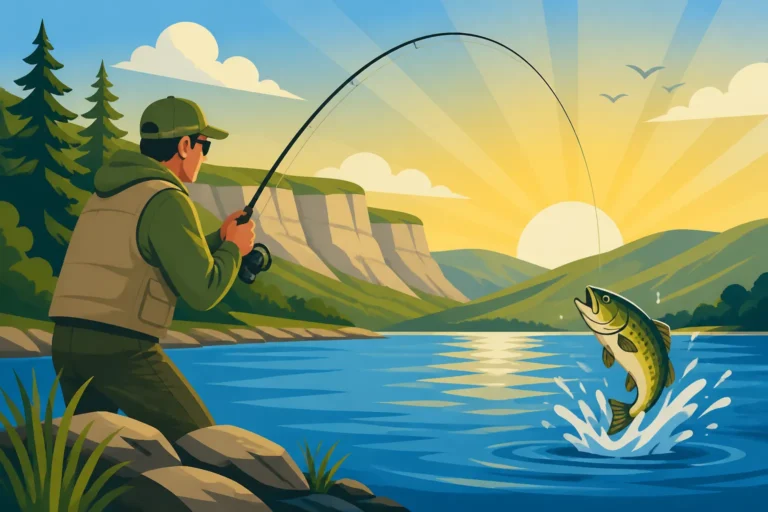
Often overlooked by walleye-focused anglers, the smallmouth bass fishing in the Platte Creek area can be phenomenal. These aggressive fighters thrive in the rocky, current-swept environments found throughout the area, especially on main lake points, riprap banks, and around any submerged rock piles. You'll find them hitting a wide variety of lures, from crankbaits and spinnerbaits to tube jigs and drop-shot rigs. Smallmouth are particularly active during the warmer months, putting up an incredible fight on light tackle.
Anglers targeting smallmouth should focus on water with good clarity and plenty of rock structure. Casting shallow-diving crankbaits early and late in the day can be highly effective, while deeper presentations like a jig or a Carolina rig work well when the sun is high or fish are holding deeper. The South Dakota Smallmouth Bass Fishing Guide provides excellent resources for those looking to specifically target these bronze bombers. Don't be surprised if you hook into a true trophy smallmouth here; they grow big and strong in Lake Francis Case.
Catfish and Panfish Pursuits
Beyond walleye and smallmouth, the Platte Creek area is also home to a thriving population of channel catfish, along with respectable numbers of crappie, perch, and bluegill. Catfish can be found throughout the system, particularly in the deeper, muddier sections of the creek channel and the main lake. They are primarily nocturnal feeders, but can be caught throughout the day, especially on cut bait, stink baits, or large chunks of worms. Fishing from shore in the Platte Creek Recreation Area or anchoring in a deep hole can yield excellent results for these hard-fighting bottom dwellers.
Panfish, especially crappie, congregate around submerged timber, brush piles, and marina docks. They can be caught using small jigs, minnows, or worms under a bobber. Early spring and late fall are often prime times for crappie, as they move into shallower areas to feed. The Platte Creek area, with its various submerged structures, offers plenty of spots to discover these tasty fish. When considering a trip, especially with family, targeting panfish can provide consistent action and keep everyone engaged.
Effective Fishing Techniques and Gear for Platte Creek
Success in the Platte Creek area, like any diverse fishery, often comes down to adapting your techniques and gear to the prevailing conditions and the species you're pursuing. What works on a calm summer morning for walleye might be useless on a windy afternoon chasing smallmouth. Having a versatile tackle box and knowing when to switch things up is crucial.
Best Lures and Baits for Platte Creek Walleye
For walleye in the Platte Creek area, live bait is often hard to beat, particularly during cooler water periods. Fathead minnows, shiners, and nightcrawlers are staples. A jig and minnow combination, fished vertically or cast and retrieved slowly, is highly effective, especially in spring or fall. When using nightcrawlers, a "Slow Death" rig or a traditional spinner rig tipped with a crawler harness can be deadly when trolled along contours or flats.
Artificial lures also have their place. Crankbaits are indispensable for covering water, especially when trolling. Shad-style baits like Berkley Flicker Shads or Rapala Shad Raps in various sizes and dive depths are popular choices. Soft plastics, such as paddle tails or curl-tail grubs on a jig head, imitate baitfish incredibly well and can be very effective when fish are holding tight to structure. The key is to match the hatch and present your lure at the depth where the fish are actively feeding. For a comprehensive guide on specific presentations, consider researching the South Dakota Missouri River Fishing Techniques.
Trolling and Jigging Tactics
Trolling is a dominant technique for walleye on Lake Francis Case, and the Platte Creek area is no exception. Using planer boards allows you to spread out multiple lines and cover a wider swath of water, especially useful over expansive flats or along deep breaks. Experiment with different trolling speeds and crankbait colors until you find what the fish prefer on any given day. GPS units and fish finders are invaluable tools for marking productive depths and structures, allowing you to return to productive passes.
Jigging, whether vertical jigging over structure or casting jigs to shorelines and points, is another highly effective method. For vertical jigging, keep your presentation subtle, just barely touching the bottom, and pay close attention to light bites. In current, a heavier jig might be needed to maintain bottom contact. When casting, let your jig sink to the desired depth, then retrieve it with a lift-drop motion, mimicking a wounded baitfish. Often, the strike comes on the fall.
Shore Fishing and Kayak Strategies
For anglers who prefer to stay on terra firma or paddle silently through the water, the Platte Creek area offers ample opportunities. Shore fishing is popular right around the Platte Creek Recreation Area boat ramps and jetties, where the creek mouth provides a natural current break and attracts fish. Casting jigs, spoons, or bottom rigs with worms or cut bait can be productive.
Kayak fishing is also gaining popularity and is an excellent way to explore the shallower coves and more intricate structures that larger boats might struggle to access. Kayakers can quietly approach shorelines and submerged timber, targeting smallmouth bass with finesse techniques or pitching jigs for walleye. Just remember that even on a kayak, observing South Dakota Boat Safety Requirements, like wearing a life jacket, is paramount. If you're considering a guided trip, companies often list their services on platforms like FishingBooker, making it easy to find an experienced local guide who can help you navigate these waters safely and effectively, even if you’re fishing from a smaller craft.
Navigating Seasonal Shifts in the Platte Creek Fishery
South Dakota's seasons dictate the fishing patterns more than almost anything else. The Platte Creek area, being part of a large river system, is particularly susceptible to these changes, from ice-out to the bitter cold of winter. Understanding these seasonal shifts isn't just about knowing when to go; it's about knowing how to fish once you're there.
Springtime Walleye Run and Early Season Bass
Spring is an electrifying time in the Platte Creek area, especially for walleye. As ice retreats and water temperatures begin to climb, walleye move towards shallower spawning areas, often in the creek channels or adjacent flats. This pre-spawn period, typically from late March through April, sees incredible feeding activity. Anglers flock to the area, jigging with minnows or slow-trolling shallow-diving crankbaits. The fish are often concentrated, offering some of the best opportunities for numbers.
Early season smallmouth bass also become active as water temperatures reach into the 50s. They'll be found on rocky points and riprap banks, staging for their own spawn. Spinnerbaits, jerkbaits, and tube jigs can be highly effective during this period. The trick in spring is to focus on areas that warm up fastest – north-facing banks, shallower bays, and the immediate creek mouth.
Summer Patterns and Night Fishing Potential
Summer fishing in the Platte Creek area transitions to deeper water patterns for many species. Walleye will often move to main lake points, submerged humps, and the edges of the old river channel, seeking cooler water and stable oxygen levels. Trolling becomes the dominant tactic, with crankbaits and spinner rigs presented at specific depths using lead core line or bottom bouncers. Early morning and late evening bites are often the most productive.
Summer also brings excellent opportunities for night fishing, especially for walleye and catfish. Walleye will often move shallower after dark to feed on baitfish that push into the shallows. Trolling shallow-running crankbaits or casting stick baits to lighted docks or shorelines can be highly effective. Catfish, being largely nocturnal, become incredibly active at night, readily taking cut bait or worms. The South Dakota Summer Walleye Fishing Techniques offer more strategies for warmer water.
Fall Turnover and Pre-Winter Biting
As summer fades and autumn colors blaze, the Platte Creek area experiences a "turnover" as the water column mixes. This can sometimes make fishing challenging for a few days, but once stabilized, fall offers some of the year's best fishing as fish aggressively feed for the coming winter. Walleye again become very active, moving shallower to ambush schools of baitfish. Trolling crankbaits along main lake contours or jigging with larger minnows near drop-offs can yield fantastic results, including some of the largest fish of the year.
Smallmouth bass are also in a strong feeding pattern in the fall, congregating on rocky points and deep humps. Jigs, blade baits, and drop-shot rigs can be very productive. Crappie also school up, often in deeper brush piles or timber, making them easier to locate with electronics. The cooler temperatures and vibrant scenery make fall fishing a true pleasure.
Planning Your Trip: Access, Amenities, and Regulations
A successful fishing trip isn't just about knowing where the fish are; it's also about having the right information and resources to make your visit smooth and enjoyable. From launching your boat to understanding the local rules, a little planning goes a long way. If you’re looking for a guided experience, services available through platforms like FishingBooker can connect you with local experts who handle all these logistical details.
Boat Ramps and Shoreline Access
The primary access point for the Platte Creek area is the Platte Creek Recreation Area, managed by the South Dakota Game, Fish and Parks. This facility offers well-maintained concrete boat ramps, ample parking, and often includes amenities like restrooms and fish cleaning stations. It's an ideal spot for launching larger boats designed for reservoir fishing. For those who prefer smaller craft like kayaks or canoes, informal launch areas can sometimes be found along quieter stretches of the shoreline, but always check local signage and respect private property.
Beyond the main recreation area, other access points along Lake Francis Case may offer alternative launching spots depending on your specific fishing plans. Always consult a reliable map or local resources for the most current information on ramp conditions, especially during periods of fluctuating water levels. Knowing where to launch and park efficiently can save precious fishing time.
Nearby Lodging and Services
The town of Platte, South Dakota, is the closest community to the Platte Creek area, offering basic amenities such as gas stations, convenience stores, and a few dining options. For more extensive services, larger towns like Chamberlain or Winner are within a reasonable driving distance. Anglers will find a range of lodging options, from simple motels to campgrounds within the Platte Creek Recreation Area itself, perfect for those who enjoy combining their fishing trip with a camping experience.
Many local businesses in Platte cater to anglers, offering bait, tackle, and up-to-date fishing reports. Don't hesitate to strike up a conversation with local bait shop owners; they are often a treasure trove of current information about what's biting and where. If you're looking for specialized fishing charters or guides, using a service like FishingBooker can help you find and book experienced professionals in the Lake Francis Case region, ensuring you have the best possible chance at a successful outing.
Key Regulations to Remember
Fishing in South Dakota, particularly on a major body of water like Lake Francis Case, requires adherence to specific regulations. It’s absolutely essential to have a valid South Dakota Fishing License Guide for anyone over the age of 16. The state offers various options, including a South Dakota Annual Fishing License for residents and several choices for nonresidents. Always carry your license with you when fishing.
Beyond licensing, be keenly aware of species-specific limits and seasons. For walleye, for example, there are daily and possession limits, and sometimes size restrictions, which can vary by water body. The South Dakota Walleye Limits are frequently updated, so always check the latest South Dakota Game, Fish and Parks (GFP) regulations handbook before you go. Additionally, there are rules regarding the number of lines you can use, bait restrictions in certain areas (though generally not an issue on Lake Francis Case), and boat safety requirements. Knowing these regulations is not just about avoiding fines; it’s about responsible angling and preserving the incredible fishing resources of South Dakota for future generations. For a comprehensive overview, familiarize yourself with the South Dakota Fishing Regulations Explained.
| Species | Primary Habitat in Platte Creek Area | Best Baits/Lures | Optimal Depth Range (feet) | Key Season |
|---|---|---|---|---|
| Walleye | Creek channels, main lake points, humps | Minnows, nightcrawlers, crankbaits | 8-30 | Spring, Summer, Fall |
| Smallmouth Bass | Rocky points, riprap, submerged rock piles | Tube jigs, crankbaits, spinnerbaits | 5-25 | Spring, Summer, Fall |
| Channel Catfish | Deeper channels, muddy bottoms | Cut bait, stink baits, worms | 10-40+ | Summer, Fall |
| Crappie | Submerged timber, brush piles, docks | Small jigs, minnows | 5-20 | Spring, Fall |
| Yellow Perch | Flats with vegetation, subtle humps | Worms, small jigs | 10-25 | Spring, Fall, Winter |
Disclaimer
Please note that fishing conditions, regulations, and fish populations can change. Always consult the latest South Dakota Game, Fish and Parks (GFP) regulations and local resources before heading out on your fishing trip. The information provided here is for general guidance and informational purposes only.