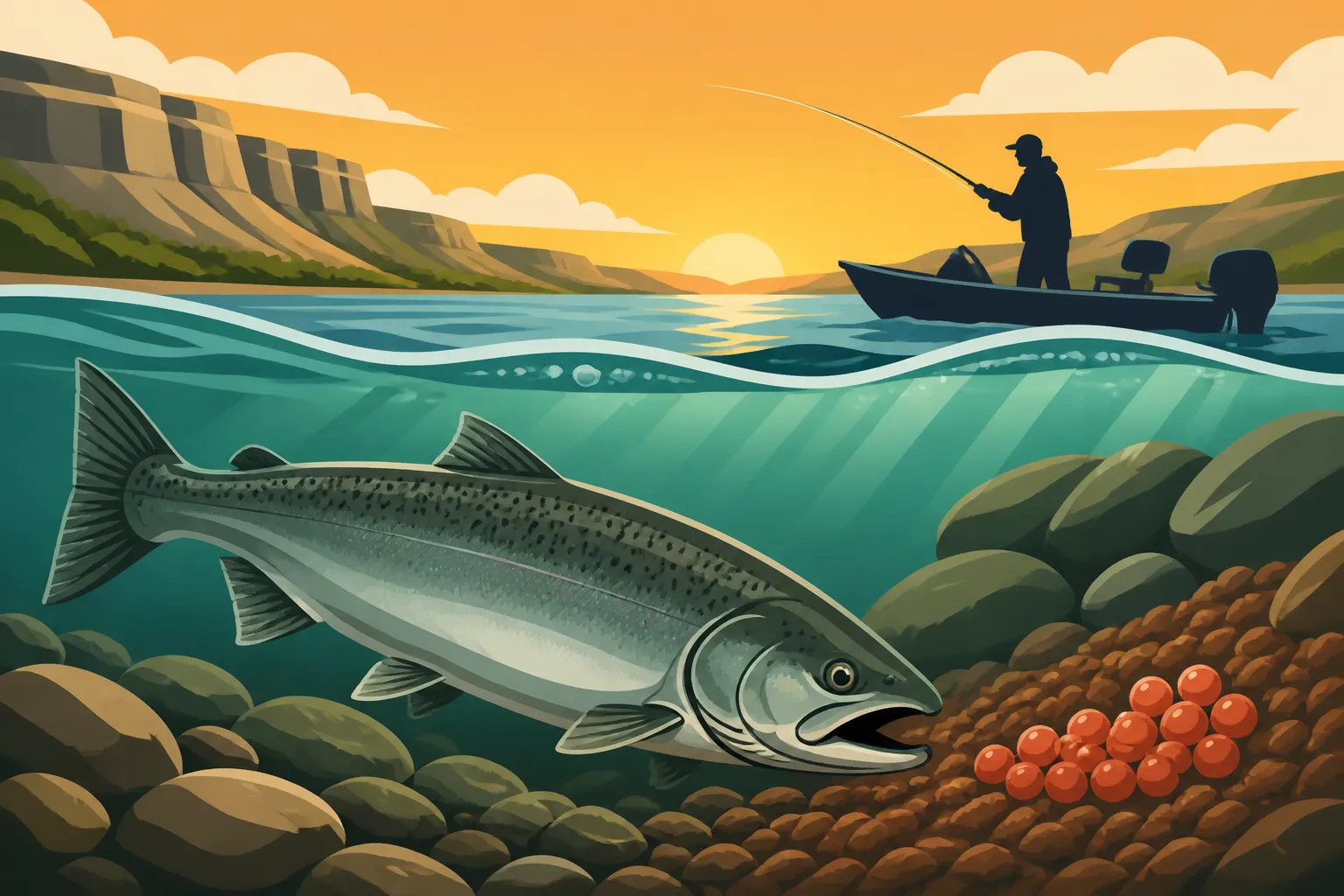
Chinook Salmon Spawning Time on Lake Oahe
For anglers chasing the thrill of a big fight, understanding the life cycle of Lake Oahe's Chinook salmon is paramount. Many wonder precisely when these magnificent fish begin their annual spawning run, a period that offers unique fishing opportunities but also requires a deep respect for conservation. This comprehensive guide will walk you through the Chinook salmon spawning time on Lake Oahe, highlighting key periods, prime locations, and essential fishing strategies to help you connect with these powerful fish responsibly.
Understanding the Chinook Salmon Spawning Cycle on Lake Oahe
The Chinook salmon in Lake Oahe are a truly special population, providing a fantastic cold-water fishery in the heart of South Dakota. Unlike their anadromous relatives that migrate from the ocean to freshwater rivers to spawn, Lake Oahe's Chinook are landlocked, yet they still exhibit the same powerful instinct to reproduce, undertaking a strenuous journey to their ancestral spawning grounds. This annual cycle is a marvel of nature, driven by ancient genetic programming and precise environmental cues.
The Annual Journey: Why and When They Spawn
Each year, as summer begins to wane and the crisp air of autumn descends upon the prairie, mature Chinook salmon in Lake Oahe begin to prepare for their final, most important mission: spawning. This biological imperative is the culmination of their entire life, typically a three to four-year journey from the hatchery to the vast open waters of Lake Oahe, growing into formidable predators. As the days shorten and water temperatures begin their slow decline, an internal clock signals to the salmon that it's time to gather and make their way towards the spawning areas. This migration isn't just a leisurely swim; it's an arduous endeavor that requires immense energy, as they stop feeding and their bodies undergo significant physiological changes. Their once silvery flanks turn darker, and males often develop a pronounced hooked jaw, known as a kype, as they prepare to battle for breeding rights.
Environmental Triggers for Spawning
The precise timing of the Chinook salmon spawn on Lake Oahe isn't a fixed date on a calendar, but rather a response to a combination of environmental cues. The most critical factor is undoubtedly water temperature. As the lake water cools, typically dropping into the mid to low 50s Fahrenheit (around 10-14 degrees Celsius) and continuing to cool into the 40s (4-9 degrees Celsius), the salmon's instincts kick into high gear. This cooling trend usually begins in late September and intensifies throughout October and into early November. Another significant trigger is the photoperiod, or the shortening of daylight hours. This natural rhythm works in conjunction with water temperature to cue the fish, ensuring they attempt to spawn at an optimal time for their eggs to develop. Significant rainfall or changing lake levels can also play a role, influencing current flows and the accessibility of certain spawning areas, though water temperature and daylight remain the primary drivers.
The Chinook Salmon Life Cycle in Lake Oahe
The Chinook salmon in Lake Oahe have a unique life story. Most of the salmon caught by anglers are a result of extensive stocking programs by the South Dakota Game, Fish and Parks (GFP), as natural reproduction in Lake Oahe is limited. After being raised in hatcheries, primarily the McNenny State Fish Hatchery, juvenile salmon are released into the lake. They spend the next few years growing rapidly, feeding on abundant forage fish like smelt. When they reach maturity, usually at three or four years of age, they undertake their spawning run. Unfortunately, like their ocean-going counterparts, Lake Oahe's Chinook salmon are semelparous, meaning they die shortly after spawning. Their life cycle, while tragic in its end, provides an incredible fishing opportunity. Understanding this cycle helps anglers appreciate the effort involved in maintaining this valuable fishery, and reinforces the importance of following all rules outlined in the South Dakota Fishing Regulations Explained.
Key Spawning Grounds and Timing on Lake Oahe
For those looking to experience the thrill of targeting spawning Chinook, knowing where and when they concentrate is essential. Lake Oahe, being a massive reservoir, has specific areas that draw these salmon each fall.
Whitlock Bay: The Primary Spawning Hub
When discussing Chinook salmon spawning on Lake Oahe, one location immediately comes to mind: Whitlock Bay. Situated near Gettysburg, Whitlock Bay is not just a renowned fishing spot but also the site of the Whitlock Bay Salmon Spawning Station. This facility is crucial for the GFP's stocking program. Each fall, mature salmon instinctively gravitate towards this area, seeking the influx of cooler, flowing water that mimics the rivers they would naturally ascend. The bay's unique geography, with its shallower, protected waters and access to the spawning station, acts as a funnel, concentrating large numbers of salmon. Anglers often find success fishing the channel leading into the bay, the bay itself, and especially near the spawning station where fish are actively gathering. This concentration makes it an ideal spot for Lake Oahe Chinook Salmon Fishing at Whitlock Bay. Many anglers plan their trips around this area, sometimes even booking a guided trip through services like FishingBooker to ensure they hit the peak times with expert knowledge.
The Peak Spawning Window
While salmon start to stage and move towards spawning grounds in late September, the absolute peak of the Chinook salmon spawning run on Lake Oahe typically occurs from mid-October through early to mid-November. This is when water temperatures are consistently falling into that prime 45-55°F range, and the fish are in their most aggressive, albeit non-feeding, state. During this time, the activity at Whitlock Bay's spawning station is usually at its highest, with GFP staff actively collecting eggs and milt. The run itself, from the first signs of fish gathering to the last stragglers, can span several weeks, but hitting that mid-October to mid-November window gives you the best chance of encountering significant numbers of fish. For more precise dates each year, checking the Chinook Salmon Spawning Run Dates on Lake Oahe directly with the GFP is always a good idea, as conditions can shift slightly annually.
Factors Influencing the Exact Timing
While the general window is consistent, the exact start and intensity of the run can vary from year to year based on several factors. Weather plays a significant role; a prolonged warm fall might delay the cooling of the water, pushing the peak back a week or two. Conversely, an early cold snap could accelerate it. Lake Oahe's water levels, influenced by upstream dam operations and rainfall, can also impact the accessibility and flow patterns into spawning areas, slightly affecting fish movement. Strong winds can churn the water, affecting clarity and temperature, potentially scattering fish temporarily. Experienced anglers keep a close eye on these conditions, often checking local fishing reports and weather forecasts to refine their timing. The number of fish stocked in previous years also dictates the overall abundance of mature salmon returning to spawn.
Fishing Strategies During the Chinook Salmon Run
Targeting Chinook salmon during their spawning run requires specific strategies. Remember, these fish are driven by instinct, not hunger, so conventional feeding presentations might not be as effective.
Effective Techniques for Spawning Salmon
When salmon are focused on spawning, they're not actively feeding, but they can still be enticed to strike out of aggression or irritation, or to protect their territory. One of the most common and effective techniques during the spawning run is snagging, which is specifically regulated and only allowed during certain periods and in designated areas on Lake Oahe, particularly around the Whitlock Bay Spawning Station. It's crucial to consult the South Dakota Chinook Salmon Regulations to ensure you are fishing legally. Beyond snagging, traditional methods can still yield results. Trolling large spoons or crankbaits in the staging areas outside the immediate spawning zones can sometimes trigger a reaction strike from pre-spawning fish still holding some feeding instincts. Casting from shore with heavy spoons, large inline spinners, or even large jigs can also be effective, especially for Casting for Salmon From Shore near drop-offs or current seams where fish might hold before entering shallower spawning areas. The key is to present lures that are flashy, noisy, and provoke a territorial response.
Recommended Gear and Lures
For battling these powerful fish, robust gear is essential. A medium-heavy to heavy action casting or spinning rod, typically 7-9 feet long, paired with a reel spooled with 20-30 pound monofilament or braided line, is a good starting point. A strong leader, such as 20-25 pound fluorocarbon, can provide extra abrasion resistance. When it comes to lures, bright and flashy options are often the ticket. Large trolling spoons in vibrant colors like chartreuse, orange, or hot pink are popular, especially those with some UV enhancement. For casting, heavy-bodied spoons (like Daredevils or Little Cleos) and oversized inline spinners (like Mepps or Blue Fox) are excellent choices. Large jigging spoons or bucktail jigs can also be effective when worked aggressively near the bottom. Always have a sturdy net with a long handle; these fish are big and fight hard, especially when they're in their spawning colors.
Ethical Angling and Catch Care
While the salmon run offers incredible fishing, it's vital to practice ethical angling, especially given the fish's physiological state. If you are fishing outside of designated snagging areas, focus on techniques that encourage the fish to strike with their mouth. Handle fish with care, especially if you intend to release them (though most salmon caught during the spawn are at the end of their life cycle). Minimize their time out of water, use wet hands when handling, and support their body weight. If you plan to keep your catch, understand and abide by all South Dakota Fish Limits and Size Restrictions. Quickly bleeding and icing your fish will ensure the best possible table fare, even if their flesh is beginning to soften due to the spawning process. Remember, respecting the fish and the resource ensures that this incredible fishery can be enjoyed for years to come.
Conservation and Regulations for Spawning Salmon
The health of Lake Oahe's Chinook salmon fishery is a testament to dedicated conservation efforts and thoughtful regulation. As anglers, it's our responsibility to understand and adhere to these guidelines to ensure the sustainability of this unique resource.
Understanding South Dakota's Salmon Regulations
South Dakota's Game, Fish and Parks Department meticulously manages the Chinook salmon fishery, and this includes specific regulations during the spawning run. These rules are put in place to ensure the success of the spawning operation at Whitlock Bay, which directly supports the future stocking efforts, while still allowing anglers a chance to participate. It's absolutely crucial to obtain a South Dakota Fishing License Guide and consult the latest South Dakota Fishing Regulations Explained before heading out. These regulations will detail the legal methods of take, specific areas where snagging is permitted, and the duration of the snagging season. For example, snagging for salmon is typically permitted only during a specific fall period (often September through November) and within a defined area near the Whitlock Bay Spawning Station. Outside of these areas and dates, snagging is illegal. Always verify the current year's rules, as they can be adjusted based on fish populations and environmental conditions.
Habitat Protection and Responsible Angling
While much of Lake Oahe's Chinook salmon population relies on artificial propagation, protecting the natural habitats and the areas where these fish congregate is still critically important. This means practicing responsible angling at all times. Avoid disturbing the fish in sensitive spawning areas unnecessarily. Keep the environment clean by packing out all trash, including discarded fishing line, which can be harmful to wildlife. Be mindful of your boat wake in crowded areas, especially in bays and channels where fish are concentrated. If you're using a fishing guide service, ensure they are reputable and adhere to all ethical and legal standards; FishingBooker, for instance, often features guides committed to sustainable practices. Ultimately, every angler plays a role in fostering a healthy environment for the salmon and other wildlife that call Lake Oahe home.
Ensuring the Future of Lake Oahe's Salmon Fishery
The future of the Chinook salmon fishery on Lake Oahe depends on a collaborative effort between the South Dakota GFP and the angling public. The GFP actively monitors salmon populations, forage base (like rainbow smelt), and water quality to make informed management decisions, including stocking numbers. By understanding How Long the Chinook Salmon Run Lasts on Lake Oahe and respecting the regulations surrounding it, anglers contribute directly to these efforts. Participating in creel surveys, reporting violations, and simply being a responsible ambassador for the sport all help. The stocking program ensures a robust population, but responsible angling ensures that every fish, whether caught and released or harvested legally, contributes to the overall health and enjoyment of this fantastic cold-water fishery.
Chinook Salmon Spawning Timeline and Tactics
Here's a quick overview of the typical spawning period and related angling approaches for Lake Oahe Chinook salmon:
| Period | Primary Activity | Water Temperature (Approx.) | Angling Strategy |
|---|---|---|---|
| Late September | Pre-spawn staging, early migration into bay areas. | 55-65°F (13-18°C) | Trolling large spoons/crankbaits in main lake channels leading to Whitlock Bay. Some casting from shore near points. |
| Early October | Increased congregation in Whitlock Bay and surrounding areas. Spawning station activity begins. | 50-60°F (10-15°C) | Trolling remains effective. Snagging (if legally open) in designated zones. Casting heavy spoons/spinners near current breaks. |
| Mid-October to Early November | Peak spawning activity. Highest concentration of mature salmon at Whitlock Bay. | 45-55°F (7-13°C) | Prime time for legal snagging in designated areas. Aggressive jigging or casting large, flashy lures to elicit reaction strikes. Focus on areas near the spawning station. |
| Mid-November | Spawning activity winding down, post-spawn fish present. | 40-50°F (4-10°C) | Salmon are largely spent; fishing slows considerably. Some stragglers may still be present, but success rates drop. |
Note: Always consult current South Dakota GFP regulations for precise dates and legal methods of take for the Chinook salmon snagging season.
Disclaimer
The information provided in this guide is for general informational purposes only and is subject to change. Fishing regulations, season dates, and limits are determined by the South Dakota Game, Fish and Parks (GFP) and can be modified annually. Always consult the official South Dakota Fishing Handbook or the GFP website for the most current and accurate regulations before engaging in any fishing activities. This guide does not constitute legal advice.