How Far Lake Oahe Is From Rapid City
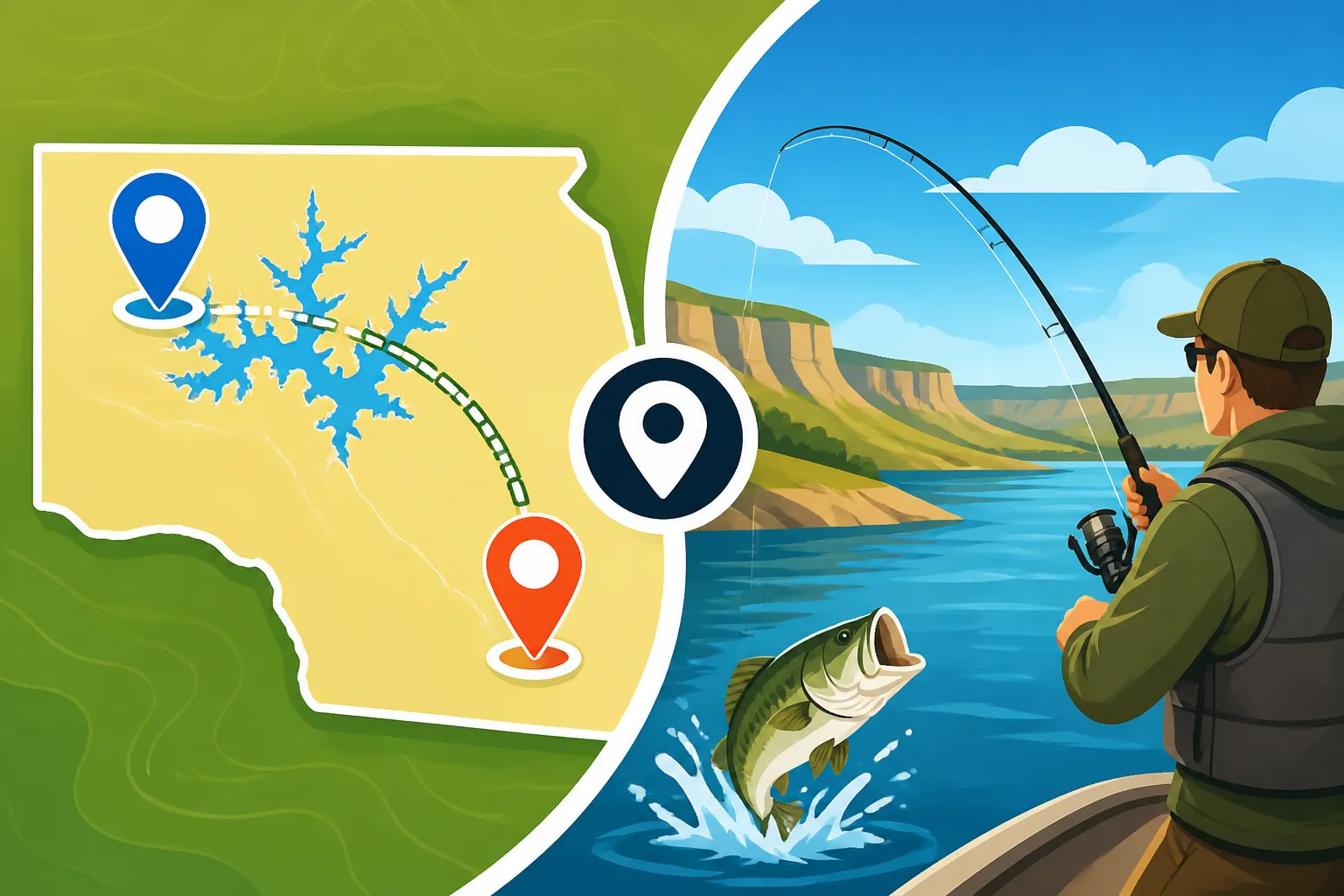
Planning a fishing adventure in South Dakota often involves navigating the vast distances between our prime angling destinations. One common question folks traveling to the eastern part of the state for its renowned fishing, particularly those coming from the scenic Black Hills region, is exactly how far Lake Oahe is from Rapid City. It's a critical piece of information for budgeting travel time, fuel, and overall trip logistics, and getting it wrong can eat into precious fishing hours. This guide will meticulously break down the distance, typical drive times, and offer practical advice for making that journey as smooth as a glass-calm morning on the water.
Understanding the Distance and Drive Time from Rapid City to Lake Oahe
When you're packing up your gear in Rapid City, the allure of Lake Oahe's expansive waters and incredible fishing opportunities is strong. But before you can cast a line, you need to cover some serious ground. Knowing the exact mileage and what to expect on the road is key to a stress-free start to your trip.
The Straight Shot: Distance by Road
Lake Oahe is a massive reservoir, stretching over 230 miles from Pierre, South Dakota, north to Bismarck, North Dakota. This means the distance from Rapid City will vary significantly depending on which access point on Lake Oahe you're aiming for. However, most anglers from Rapid City typically target the southern reaches of Lake Oahe, closest to Pierre, or venture further north to popular spots like Mobridge or Whitlock Bay.
For the most commonly targeted area around Pierre, which sits right at the southern end of Lake Oahe, the distance from Rapid City is approximately 130 to 140 miles. This usually involves taking I-90 East for a significant portion of the drive before heading north on state highways. If you're heading further north, say to Mobridge, you're looking at a journey closer to 200-220 miles depending on your exact route and destination on the lake. Whitlock Bay, a renowned spot for Chinook Salmon, is often accessed via Gettysburg or Forest City, making it also in the 170-190 mile range from Rapid City.
Realistic Drive Times and Factors Affecting It
While the mileage gives you a number, the actual time you spend behind the wheel is what truly matters. For the 130-140 mile stretch to the Pierre area of Lake Oahe, you can realistically expect a drive time of about 2 to 2.5 hours. This assumes good road conditions and adhering to speed limits.
However, several factors can influence this:
- Speed Limits: Most of your drive on I-90 will be at 80 mph, but once you exit onto state highways towards the lake, speeds will drop to 65 mph or even lower through smaller towns. Be mindful of these changes; South Dakota Highway Patrol takes speed limits seriously.
- Weather Conditions: South Dakota weather can be unpredictable, especially during spring and fall, or if you're venturing out for some winter ice fishing. High winds, heavy rain, snow, or even dense fog can significantly slow down your journey. Always check the forecast before you head out.
- Traffic: While generally light compared to urban areas, construction zones on I-90 can cause minor delays, particularly during peak summer travel. During major fishing tournaments or popular holiday weekends, traffic around access points like Pierre or Mobridge can also be heavier than usual.
- Road Construction: Always a possibility, especially during warmer months. Keep an eye on the South Dakota Department of Transportation website for any planned construction that might impact your route.
- Rest Stops and Fuel: Don't forget to factor in quick stops for gas, stretching your legs, or grabbing a coffee. These add time, but they're essential for a safe and comfortable trip.
Key Towns and Landmarks Along the Way
Your journey from Rapid City to Lake Oahe, especially the southern portions near Pierre, offers a glimpse into the vastness of South Dakota's prairies.
- Wall: Your first significant stop along I-90 East is often Wall, home of the famous Wall Drug Store. It's a classic tourist trap, but also a convenient spot for a quick break, a snack, or to top off your gas tank before the longer stretch.
- Kadoka/Philip: These small towns further east on I-90 offer additional opportunities for fuel and basic supplies, though options become sparser as you head off the interstate.
- Mid-Route Turnoffs: Depending on your exact Lake Oahe destination, you might turn off I-90 around Murdo, Vivian, or further east. The most common route to Pierre involves exiting I-90 at Exit 212 near Vivian and heading north on SD-83. This route takes you through rolling hills and agricultural land, a quintessential South Dakota drive.
- Pierre: The state capital is a hub for the southern end of Lake Oahe. It boasts numerous accommodations, restaurants, bait shops, and multiple boat ramps, making it a natural basecamp for many anglers.
- Gettysburg/Forest City: If you're heading to the central part of the lake, particularly for the famed Whitlock Bay Salmon Station, your route will likely take you through smaller towns like Gettysburg. These towns are typically quieter but offer essential services for anglers.
Remember, the drive itself is part of the adventure, offering wide-open vistas and a sense of heading into true wilderness.
Choosing Your Lake Oahe Access Point Near Rapid City
Lake Oahe is an immense body of water, offering countless fishing opportunities along its extensive shoreline. Depending on what you're targeting and your preferred fishing style, certain access points will be more convenient and productive when traveling from Rapid City.
Popular Access Points and Their Distances
Given the driving distance from Rapid City, most anglers choose an access point that offers a good balance of travel time and desired fishing.
- Pierre Area (Southern Lake Oahe): This is often the most direct and popular option. From Rapid City, you're looking at about a 2 to 2.5-hour drive to reach the numerous boat ramps and recreation areas in and around Pierre, such as Downstream Recreation Area, Oahe Downstream, and Spring Creek Recreation Area. This area is famous for its fantastic walleye fishing, especially in the spring and fall. You'll find many resources here for your trip, including bait, tackle, and South Dakota Fishing Guide License Requirements for any guided trips.
- Mobridge Area (Northern Lake Oahe): If you're set on fishing the northern reaches of Lake Oahe, perhaps for the legendary walleye or a shot at massive northern pike, Mobridge is a prime destination. However, the drive from Rapid City extends to around 3.5 to 4 hours. Mobridge offers excellent facilities and is often highlighted in Lake Oahe Walleye Hotspots Near Mobridge discussions. It's a more substantial commitment for a weekend trip but well worth it for a longer stay.
- Whitlock Bay (Central Lake Oahe): Located near Gettysburg, Whitlock Bay is world-renowned for its Chinook Salmon fishery, particularly during the spawning run. The drive from Rapid City to Whitlock Bay is roughly 3 to 3.5 hours. This spot is a must-visit for anyone interested in Lake Oahe Chinook Salmon Fishing at Whitlock Bay. It’s a bit off the beaten path compared to Pierre but offers unique opportunities.
Understanding these distances is crucial for planning not just your travel, but also the duration of your stay. A quick day trip from Rapid City to the Mobridge area is less feasible than a day trip to Pierre.
Considerations for Boat Launch and Amenities
When you've finally arrived at Lake Oahe, the last thing you want is to struggle with launching your boat or finding essential services. Each access point comes with its own set of facilities.
- Boat Ramps: Most major access points like those around Pierre and Mobridge offer multiple, well-maintained boat ramps. They are typically concrete ramps suitable for various boat sizes. However, during periods of extreme low water, some ramps might become difficult to use for larger boats. Always check current water levels if you're concerned.
- Marinas and Fuel: Larger areas like Pierre have full-service marinas where you can fuel up your boat on the water, get repairs, and purchase fishing supplies. Smaller access points might only offer a ramp and parking, meaning you'll need to fuel your boat in a nearby town beforehand. It’s always a good idea to bring extra fuel cans, especially for extended trips to more remote areas of Lake Oahe.
- Bait and Tackle Shops: You'll find plenty of bait and tackle shops in towns like Pierre, Mobridge, and Gettysburg. These local shops are invaluable for current fishing reports, local insights, and specific baits or lures that are currently working. Don't forget to grab any last-minute items for your South Dakota Fishing Gear Checklist.
- Restrooms and Camping: Many public access areas include vault toilets or modern restrooms, and numerous campgrounds managed by the South Dakota Game, Fish and Parks (GFP) or the U.S. Army Corps of Engineers are scattered along the lake, offering everything from primitive sites to full hook-up RV spots.
Strategic Planning for Your Fishing Trip
Deciding where to access Lake Oahe directly impacts your fishing experience. Consider these points:
- Target Species: If walleye is your primary target, the Pierre area offers consistent action. For trophy northern pike, the vast bays and feeder creeks further north near Mobridge can be excellent. And if you're dreaming of hard-fighting Chinook salmon, Whitlock Bay is your mecca. Understanding the South Dakota Walleye Fishing Guide or South Dakota Chinook Salmon Fishing Guide will help you align your access point with your angling goals.
- Time of Year: The "best" access point can change with the seasons. Early spring might see more action in the riverine sections near Pierre, while summer opens up vast trolling opportunities across the lake. Fall brings the salmon run to Whitlock Bay and excellent walleye fishing throughout. Check out Best Time of Year to Fish in South Dakota for seasonal insights.
- Duration of Your Trip: For a quick weekend getaway, the closer access points near Pierre make more sense from Rapid City. For a week-long immersion, venturing to Mobridge or Whitlock Bay allows for more exploration and less rushed travel.
- Guided Trips: If you're less familiar with Lake Oahe or want to maximize your chances, booking a guided trip is a fantastic option. Services like FishingBooker list numerous experienced guides operating on Lake Oahe who can pick you up at the most convenient access point and put you on fish. They often have all the gear and knowledge you need.
By thoughtfully choosing your Lake Oahe access point, you'll ensure a more efficient and rewarding fishing trip.
Making the Journey Comfortable and Enjoyable
The drive from Rapid City to Lake Oahe, while not excessively long, traverses some beautiful yet isolated parts of South Dakota. A little preparation can make the difference between a smooth journey and an uncomfortable one.
Planning Pit Stops and Fueling Up
It's easy to get lost in the wide-open spaces, but that also means gas stations and services can be few and far between once you leave the interstate.
- Fuel Strategy: Always top off your gas tank in Rapid City before you depart. On I-90 East, towns like Wall and Kadoka offer reliable fuel stops. Once you turn north off the interstate towards Pierre or other Lake Oahe access points, gas stations become less frequent. Don't let your tank get below a quarter full before looking for the next opportunity.
- Snacks and Hydration: Pack a cooler with drinks, water, and plenty of snacks. While there are a few places to grab food, especially in Pierre, having your own provisions means you won't be caught hungry between towns.
- Stretching Your Legs: Even a 2-hour drive warrants a stretch. Wall Drug is a classic kitschy stop, but even pulling off at a scenic overlook or a small town park for a few minutes can do wonders for driver fatigue.
Preparing for South Dakota Road Conditions
South Dakota's beauty comes with its own set of driving considerations.
- Weather Variability: As mentioned, weather can shift rapidly. Summers can bring intense thunderstorms with heavy rain and hail, while spring and fall might surprise you with sudden snow or ice. Always check the forecast for both Rapid City and your Lake Oahe destination, and consider keeping an emergency kit in your vehicle, especially if traveling during colder months.
- Wildlife: Deer, antelope, and other wildlife are common, particularly during dawn and dusk. Stay vigilant, especially on less-trafficked state highways, to avoid collisions.
- Cell Service: While I-90 generally has good cell service, coverage can become spotty or non-existent in more remote areas off the interstate and along some stretches of Lake Oahe. Download offline maps and inform someone of your route and estimated arrival time, especially if you plan to explore less populated areas.
- Roadside Assistance: Ensure your vehicle is in good working order before heading out. Having a spare tire, jumper cables, and basic tools is always a good idea when traveling through rural areas.
Accommodation and Dining Options Along the Route
While the main goal is fishing, you might need a place to rest or a good meal.
- Rapid City: Before you even leave, Rapid City itself offers a vast array of hotels, motels, and restaurants, catering to all budgets.
- Pierre: As the closest major city to the southern part of Lake Oahe, Pierre has numerous lodging options ranging from national hotel chains to local motels. You'll also find a diverse selection of restaurants, from casual diners to more upscale dining experiences. Many anglers base themselves here for multi-day trips.
- Mobridge/Gettysburg: These smaller towns near other popular Lake Oahe access points also offer motels, fishing lodges, and local eateries that cater to anglers. It's often best to book accommodations in advance, especially during peak fishing seasons or major events.
Consider booking your stay through platforms like FishingBooker if you're looking for an all-inclusive guide service that might also recommend or include lodging packages.
Beyond the Drive: Maximizing Your Lake Oahe Experience
Getting to Lake Oahe is just the beginning. To truly make the most of your trip, it pays to have a plan for once you're there, combining local knowledge with essential preparations.
Connecting with Local Guides and Services
One of the best ways to hit the ground running, especially if it's your first time on Lake Oahe, is to leverage local expertise.
- Guided Fishing Trips: Lake Oahe is vast, and its fisheries can be complex. A local fishing guide knows the lake's ever-changing conditions, where the fish are biting, and the best techniques for the season. This is where services like FishingBooker shine. You can easily find and book reputable guides who specialize in walleye, salmon, or northern pike. They often provide all the necessary gear, bait, and invaluable insights into South Dakota Missouri River Fishing Techniques or South Dakota Trolling Techniques for Walleye.
- Bait and Tackle Shops: These aren't just for buying supplies; they're knowledge hubs. Chatting with the staff at local bait shops in Pierre, Mobridge, or Gettysburg can give you real-time fishing reports, advice on hot spots, and recommendations for specific lures or bait that are producing.
- Marinas: Staff at marinas can also provide valuable information about current water conditions, boat ramp accessibility, and local regulations.
Understanding Lake Oahe's Diverse Fisheries
Lake Oahe is a fishing paradise, renowned for several key species. Knowing what to expect will help you plan your tackle and techniques.
- Walleye: Without a doubt, walleye are the reigning kings of Lake Oahe. The lake produces incredible numbers of fish, with many trophy-sized specimens as well. Anglers employ various tactics, including trolling crankbaits, jigging, and using live bait rigs. You can dive deeper into specific tactics with our How to Fish for Walleye in South Dakota guide.
- Chinook Salmon: For a unique freshwater challenge, Lake Oahe offers a fantastic Chinook salmon fishery, primarily concentrated in the central part of the lake around Whitlock Bay. Trolling with downriggers and spoons is a popular method. Don't forget to check the South Dakota Chinook Salmon Regulations before you go.
- Northern Pike: The lake's bays and submerged structure also hold impressive northern pike, offering thrilling fights for anglers using large spoons, spinnerbaits, or dead bait. Consult the South Dakota Northern Pike Fishing Guide for more details.
- Smallmouth Bass, Catfish, and Crappie: While perhaps not as famous as the walleye or salmon, Lake Oahe also offers excellent opportunities for smallmouth bass around rocky points and riprap, channel catfish in its deeper channels, and crappie in calmer backwaters.
Essential Gear and Preparations
Beyond your fishing equipment, a few other things are crucial for a successful and legal trip.
- Fishing License and Habitat Stamp: Before you cast a single line, make sure you have your South Dakota Fishing License Guide in order. This includes purchasing a valid South Dakota fishing license and the required Habitat Stamp. You can often purchase these online, saving time at local vendors.
- Boating Regulations: If you're bringing your own boat, ensure it meets all South Dakota Boat Safety Requirements, including having the proper number of life jackets, a fire extinguisher, and proper registration. If you're new to the state, it's a good idea to review the How to Register a Boat in South Dakota guide.
- Layered Clothing: South Dakota weather can change quickly. Dress in layers, regardless of the season, to adapt to fluctuating temperatures and conditions on the water.
- Sun Protection: The sun's rays can be intense on the water. Bring sunscreen, a wide-brimmed hat, and polarized sunglasses to protect yourself and enhance visibility.
- Cooler and Ice: A large cooler with plenty of ice is essential for keeping your catch fresh, especially if you're aiming for that famous Lake Oahe walleye dinner.
By keeping these tips in mind, your journey from Rapid City to Lake Oahe will be just the start of an unforgettable South Dakota fishing adventure.
Disclaimer
Please remember that fishing regulations, license requirements, and local conditions can change. Always consult the most current South Dakota Game, Fish and Parks regulations handbook or their official website before your trip to ensure compliance and safety. This guide provides general information and recommendations based on current knowledge and typical conditions.