Best Fishing Spots on the James River
The James River in South Dakota can be a real enigma for anglers. It's not a fast-flowing, crystal-clear mountain stream, nor is it a massive, open reservoir. Instead, it’s a meandering, often turbid ribbon of water, and because of its unique character, many folks find themselves scratching their heads wondering where to even begin. But don't you worry! This guide is going to peel back the layers, showing you exactly where to find the fish and what makes this often-overlooked river a fantastic, albeit challenging, fishing destination.
Understanding the James River's Unique Character
Known affectionately as the "Jim River," this waterway is one of the longest un-dammed rivers in North America, flowing generally south through eastern South Dakota before emptying into the Missouri River near Yankton. Its slow, deliberate pace and often murky waters set it apart from the clearer, faster-moving waters of the Black Hills or the sprawling expanse of the Missouri River reservoirs. For those used to different fishing environments, the James can take some getting used to, but once you understand its quirks, it can be incredibly rewarding.
A River of Many Moods and Meanders
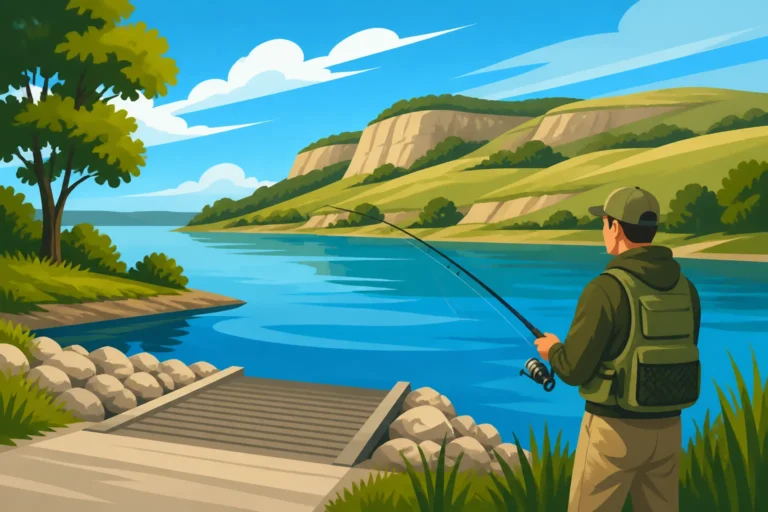
The James River’s journey through South Dakota is characterized by countless oxbows, gradual bends, and a primarily soft, muddy bottom. Unlike rivers with significant elevation changes, the James has a very low gradient, which means the current is often subtle, especially during drier periods. This slow flow contributes to its frequently turbid conditions, particularly after heavy rains. The riverbanks are often lined with trees, fallen timber, and sometimes dense vegetation, providing excellent cover for various fish species.
The water clarity can fluctuate dramatically. One week it might be a chocolaty brown, the next a slightly clearer green. This ever-changing environment means anglers need to be adaptable, adjusting their bait and presentation based on what the river is giving them on any given day. You'll also find segments where the river widens into more lake-like sections, often with old river channels that act as deep holding spots for fish, especially in cooler months.
The Diverse Fishery
While the James River might not be famous for one particular species like the Missouri River is for walleye, it boasts a surprisingly diverse and healthy fish population. It’s a fantastic place for a mixed bag, offering opportunities to target different species depending on your preference and the season.
Catfish: The Unsung King of the James
Without a doubt, catfish are the most consistent and abundant sport fish in the James River. Both channel catfish and flathead catfish thrive in its warmer, murkier waters and soft bottoms. Channel cats are plentiful and offer fantastic action, with many reaching respectable sizes. Flatheads, the true monsters of the river, prefer deeper holes and significant cover like logjams, and catching one is a test of strength and patience. They can grow to impressive sizes, offering a real trophy potential for dedicated anglers. If you're looking for an incredible fight, the James River catfish population rarely disappoints. Many anglers specifically visit for the chance to land a hefty channel or flathead, often finding that the South Dakota Catfish Fishing Guide offers even more specific tips for success.
Walleye and Northern Pike: Hidden Gems
While not as dominant as in the Missouri River system, walleye are present in the James River, especially in the wider, deeper pools and sections where there's slightly more current. They tend to be concentrated in areas with some structure, such as submerged timber or changes in bottom contour. Northern pike, with their aggressive nature, also call the James home. They prefer the slower, vegetated sections, especially during spring and fall, lurking in ambush for unsuspecting prey. Targeting these species often requires a different approach than catfishing, focusing on artificial lures or specific bait presentations. Understanding South Dakota Walleye Fishing Guide and South Dakota Northern Pike Fishing Guide can provide helpful context, even for a riverine environment like the James.
Panfish: Family-Friendly Fun
For those looking for a relaxed day with consistent bites, the James River also offers good opportunities for panfish like crappie, bluegill, and yellow perch. These smaller, but no less fun, species are often found in slower moving backwater areas, oxbows, and around any available structure like downed trees or brush piles. They are perfect for introducing kids to fishing or for simply enjoying a tranquil day on the water, easily caught on simple baits and light tackle. Just be sure to check the Crappie and Panfish Possession Limits before you go.
Prime Angling Destinations Along the James River
The James River stretches for hundreds of miles through South Dakota, offering a myriad of potential fishing spots. While it’s impossible to list every bend and hole, focusing on regions and types of access can help you pinpoint your next adventure. Many of the best spots aren't "developed" fishing parks but rather less-trafficked public lands or bridges offering bank access.
Northern Stretches: Redfield and Beyond
The upper reaches of the James River, particularly north of Huron towards towns like Redfield and Ashton, often present a narrower, more intimate river experience. Here, the river meanders through agricultural lands, and access can sometimes be limited to county road crossings or smaller public areas.
Access Near Redfield
Around Redfield, the James River can offer excellent opportunities for northern pike and panfish, especially in areas with emergent vegetation. Look for public land access points near bridge crossings where you can get to the bank. These areas often have slower current and can hold good numbers of fish. For pike, casting spinnerbaits or spoons into weed edges can be highly effective. Catfish are also present and can be caught on traditional bottom rigs. While less developed than some lake access points, these northern river sections offer a quieter experience for those seeking solitude. Remember to review the South Dakota Fishing Regulations Explained for specific rules in these areas, as they can sometimes vary.
Ashton Area Bridges and Shorelines
Further north, around the small town of Ashton, the river continues its slow, winding path. Here, again, bridge crossings are often your best bet for gaining public access. Many of these spots are less fished and can yield good results, particularly for channel catfish and smaller walleye that prefer the cover of deeper holes near bridge pilings. Shore fishing is common, with anglers often targeting the deeper outside bends of the river. The lack of heavy boat traffic in these areas means the fish face less pressure, sometimes making them more cooperative.
Central Hubs: Huron and Mitchell Areas
As the James River flows southward, it passes through more populated areas like Huron and Mitchell, where it often widens and is sometimes impounded into larger reservoirs. These areas generally offer more developed public access and a wider array of fishing opportunities.
Huron Area: Ravine Park and River Access
In Huron, you'll find accessible sections of the James River, with Ravine Park being a popular spot. This park offers public access to the river's banks, and anglers can often find good channel catfishing, especially in the deeper pools and slow-moving current. There might also be opportunities for panfish. For those interested in walleye, the upstream Lake Byron (an impoundment of the James) is a significant draw, though not strictly river fishing in the same sense. However, the river segments flowing into and out of these lakes can be transition zones where fish congregate. These central sections are often a bit more user-friendly with established paths and facilities, making them great for family outings. Don't forget to ensure you have your South Dakota Fishing License Guide in order before casting a line.
Mitchell and Lake Mitchell
The James River flows directly through Mitchell, forming Lake Mitchell. While Lake Mitchell is technically an impoundment, its riverine origins and slow current mean many of the same river species thrive here, in addition to strong populations of walleye, crappie, and northern pike. Anglers can fish from shore in various city parks or launch boats for deeper access. The areas immediately upstream and downstream of the lake often provide excellent river fishing opportunities. For those looking for the "river" feel, focusing on the narrower sections of the James River both above and below Lake Mitchell can be highly productive for catfish and pike, especially near logjams and deeper cut banks.
Southern Reaches: Towards the Missouri River Confluence
The southernmost sections of the James River, particularly as it nears its confluence with the mighty Missouri River, take on a slightly different character. The river tends to widen, and the influence of the Missouri can sometimes be felt, especially during high water.
Near Scotland and Olivet
South of Mitchell, through towns like Scotland and Olivet, the James River continues its leisurely pace. This region is prime for large channel catfish and even flatheads, particularly in deeper scour holes and around substantial snags. Public access might be more dispersed, often requiring a bit more exploration to find suitable bank fishing spots, typically at bridge crossings or state game production areas. These areas can be incredibly productive for those willing to put in the effort, yielding some of the largest catfish in the river.
Confluence with the Missouri River Near Yankton
The very end of the James River, where it joins the Missouri River near Yankton, is a dynamic fishing zone. Here, the unique characteristics of both rivers merge, creating varied current breaks, deeper channels, and abundant forage. This confluence can be a hotspot for all James River species, plus potential for Missouri River walleye and sauger pushing into the calmer James River waters. Access near the confluence is often available through public lands or boat ramps on the Missouri River that allow access to the lower James. This area is particularly good during seasonal migrations when fish from the Missouri might move into the James, or vice-versa. Fishing the transition zones where the current changes, or around the mouth of the James, can be incredibly productive.
Mastering Techniques for James River Species
Given the specific characteristics of the James River – its slow current, often murky water, and abundance of cover – certain fishing techniques will consistently outperform others. Adapting your approach to these conditions is key to a successful outing.
Tactics for Trophy Catfish
When it comes to catfish in the James River, patience and persistence are your best friends. These fish are bottom dwellers and ambush predators, relying heavily on their sense of smell and touch in the darker waters.
Bait and Rigging Essentials
For channel catfish, a variety of smelly baits work wonders. Cut bait (like shad, suckers, or even hot dogs), stink baits, chicken livers, and nightcrawlers are all highly effective. For flatheads, live bait is almost always preferred – small bluegills, sunfish, or large chubs are excellent choices. A standard slip-sinker rig is a go-to setup for both species. This involves a weight (often a half-ounce to two-ounce egg sinker, depending on current) sliding freely on your main line, tied to a swivel, followed by an 8-18 inch monofilament or fluorocarbon leader, and a strong circle hook (sizes 4/0 to 8/0). The slip-sinker allows the fish to pick up the bait without feeling the weight, giving you a better hook set. Consider using a heavy-duty rod and reel, as James River cats can be quite powerful. For even more detailed bait insights, check out Best Bait for South Dakota Catfish.
Prime Catfish Locations
Focus on deeper holes, especially those created by outside river bends where the current has scoured the bottom. Logjams, fallen trees, and any significant underwater structure are also prime real estate for flatheads and large channel cats. These spots offer cover and current breaks where fish can rest and ambush prey. Casting your bait upstream of these features and allowing it to drift naturally into the holding zone can be very effective. Night fishing for catfish on the James River can be incredibly productive, as these fish are often more active after dark.
Decoding Walleye and Northern Pike Behavior
While less common than catfish, catching walleye and northern pike on the James River is certainly achievable with the right approach.
Lure Selection and Presentation for Walleye
Walleye in the James often relate to subtle changes in depth, submerged wood, or areas with slightly more current. Due to the lower water clarity, vibration and scent become critical. Brightly colored crankbaits that dive to the appropriate depth, spinner rigs tipped with a live minnow or nightcrawler, and jigs tipped with soft plastics or live bait are all excellent choices. When jigging, a slower, more deliberate presentation is often best. Look for areas where the river widens, or where a slight drop-off occurs. Early morning and late evening are often the best times to target walleye, especially during the warmer months. For those considering trolling, a good Best Rod and Reel Setup for Walleye Trolling might be helpful, even on a river system.
Northern Pike: Ambush from Cover
Northern pike are ambush predators, and they love to hide in cover. Target sections of the river with weed beds (if present), submerged timber, or dense brush along the banks. Large spinnerbaits, spoons (especially silver or gold), and jerkbaits are all excellent for provoking a strike. Casting parallel to cover or working your lure over submerged structure is often the most effective technique. Pike are often active even in cooler water, making spring and fall excellent times to target them. Be sure to use a steel leader, as their razor-sharp teeth will easily cut through monofilament or fluorocarbon.
Simple Setups for Panfish Fun
For a more relaxed and family-friendly fishing experience, panfish on the James River are a great target.
Basic Rigs for Crappie, Bluegill, and Perch
A simple bobber rig is all you need for most panfish. Use a small hook (size 8-12), a tiny split shot a few inches above the hook, and tip it with a piece of nightcrawler, a small minnow (for crappie), or a tiny artificial jig. Focus on stiller waters, such as oxbows, backwaters, or slow-moving areas around fallen trees and brush piles. These spots provide cover and food for panfish. Light spinning gear or even a cane pole can provide hours of entertainment. Crappie, in particular, often suspend around structure, so varying your depth until you find them is key.
Navigating the James River: Access and Practical Tips
The James River, being a predominantly slow-moving, natural waterway, requires a bit of local knowledge to navigate effectively. Understanding access points and seasonal patterns will greatly enhance your fishing success.
Key Public Access Points and Boat Launches
Public access to the James River can sometimes be a challenge due to surrounding private land. However, several reliable options exist:
- County Road Crossings and Bridges: Many bridges along the James River, especially in the more rural areas, provide informal bank access. Always be respectful of private property and ensure you are on public right-of-way.
- State Game Production Areas (GPAs): The South Dakota Game, Fish and Parks (GFP) manages numerous GPAs along the James River corridor. These areas often provide walk-in access for shore fishing. Check the GFP website or local maps for specific locations.
- City Parks and Recreation Areas: In towns like Huron and Mitchell, public parks offer developed access to the river or its impoundments. These spots often have amenities like restrooms and picnic areas.
- Boat Ramps: While fewer dedicated boat ramps exist directly on the James River compared to the larger reservoirs, some small, primitive ramps can be found, particularly in the wider sections or adjacent to its impoundments like Lake Mitchell or Lake Byron. For larger boats, accessing the lower James via the Missouri River near Yankton might be your best option. Kayaks and canoes are excellent for navigating the James, offering access to areas larger boats can't reach. Ensure you understand all South Dakota Boat and Water Access Rules before launching.
When to Hit the Water: Seasonal Considerations
The best time to fish the James River largely depends on what species you’re targeting, but general seasonal patterns apply.
Spring: Post-Spawn Action
Spring, particularly late April through June, can be excellent. As water temperatures rise, fish become more active after the spawn. Walleye will be moving into shallower areas to feed, and northern pike will be active in vegetated bays. Catfish also begin to feed aggressively. This is often when river flows are a bit higher, which can make current breaks even more productive.
Summer: Catfish Heaven
Summer months (July and August) are prime time for catfish. The warmer, often lower, water suits them perfectly. They'll be active throughout the day, and night fishing can be phenomenal. Walleye and pike might move to deeper, cooler holes or seek out denser cover. Panfish are also abundant and active, providing great action for lighter tackle.
Fall: Feeding Frenzies
As water temperatures begin to drop in September and October, many fish species enter a pre-winter feeding frenzy. Walleye and northern pike will be very active, trying to pack on weight. Catfish are still catchable but might be less aggressive. This is a fantastic time for artificial lures as fish chase baitfish in preparation for winter.
Winter: Ice Fishing Opportunities
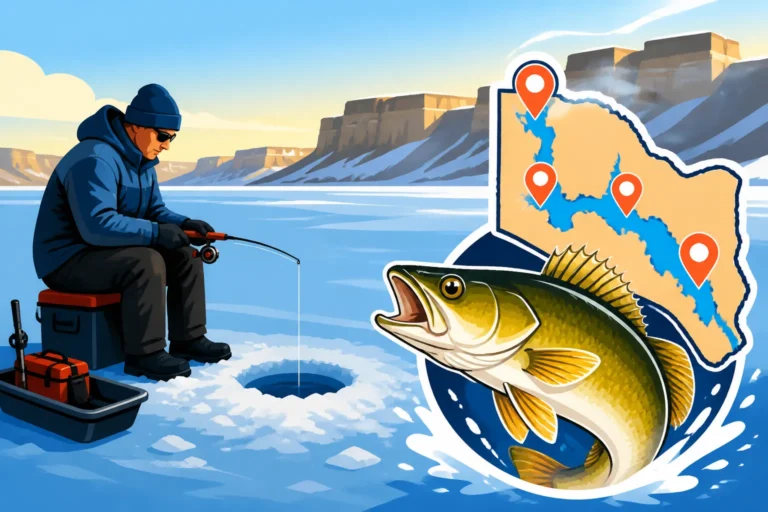
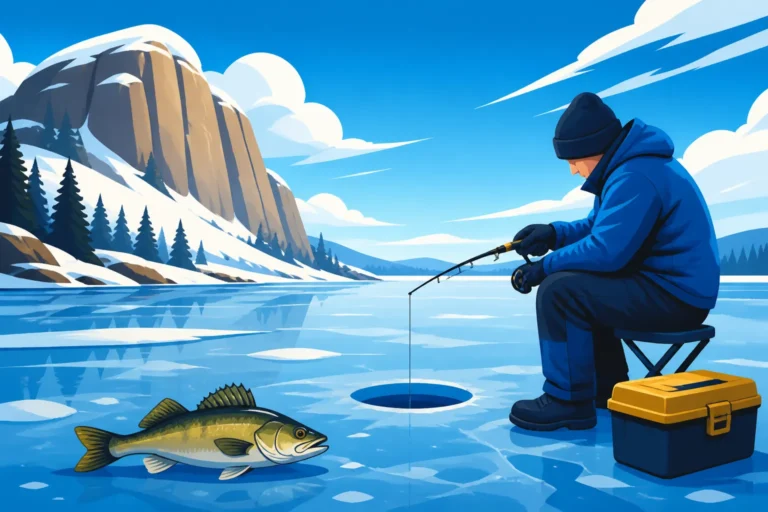
While not as famous for ice fishing as the glacial lakes to the east, sections of the James River and its impoundments do freeze over, offering ice fishing opportunities. Panfish and walleye can be caught through the ice, especially in the wider, lake-like sections with consistent depths. Always exercise extreme caution when ice fishing and verify ice thickness before venturing out.
Tapping into Local Knowledge and Guides
The James River, with its ever-changing conditions and sometimes subtle nuances, can be best understood with the help of those who fish it regularly.
Bait Shops and Local Anglers
A visit to a local bait shop in towns like Huron, Mitchell, or Redfield can provide invaluable, up-to-the-minute information on river conditions, recent catches, and productive spots. Shop owners and their regulars are often happy to share tips and tricks. Don't underestimate the power of a friendly chat with an angler you meet on the bank; they often hold the keys to current success.
Hiring a Local Guide
For those unfamiliar with the James River or who want to maximize their chances of a trophy catch, especially for species like flathead catfish or larger walleye, hiring a local fishing guide can be a game-changer. These professionals spend countless hours on the water and know the river’s secrets. They understand the patterns, the best baits for specific conditions, and exactly where to find the fish. Services like FishingBooker can help you find experienced guides who specialize in James River fishing, connecting you with local experts who can transform your trip from a guessing game into a productive outing. They know the South Dakota Resident Fishing License Options and all the local rules, ensuring you have a seamless experience. Engaging with a guide is a fantastic way to learn the intricacies of this unique fishery and fast-track your success. Many guides on FishingBooker offer specialized catfish trips, which are highly recommended for the James River.
Disclaimer
Fishing conditions and regulations in South Dakota can change. Always consult the latest South Dakota Game, Fish and Parks regulations handbook before heading out on the water. This guide is for informational purposes only and does not guarantee fishing success. Always prioritize safety and practice responsible angling.