Best Bait for South Dakota Catfish
There's nothing quite like the thrill of a catfish fight in South Dakota, is there? But if you've ever spent hours by the river or lake, watching your line remain stubbornly still, you know the frustration of using the wrong bait. This guide is here to unravel the mystery of what South Dakota catfish really want to eat, helping you choose the perfect bait to turn those quiet moments into exciting catches.
Understanding South Dakota Catfish Preferences
Before we even talk about specific baits, it's crucial to understand the main species of catfish we're chasing here in South Dakota and what generally drives their appetite. While they all belong to the same family, their feeding habits can differ significantly, especially between the common Channel Catfish and the elusive Flathead Catfish. Knowing what makes them tick is the first step to filling your cooler.
The Channel Catfish Diet
Channel catfish are the most widespread and commonly targeted catfish species across South Dakota's rivers and lakes, including popular spots like the Missouri River and the James River. These whiskered bottom-dwellers are truly omnivorous scavengers. They aren't picky eaters, which is fantastic news for anglers because it means a wide variety of baits can be effective. Their diet typically consists of smaller fish, insects, crustaceans, mollusks, and even plant matter. They rely heavily on their sense of smell and taste, which are incredibly acute, to locate food in murky or dark waters. This is why stinky, potent baits often work so well for them. Think of them as the opportunistic gourmands of the underwater world – if it smells interesting and is edible, they'll likely give it a try. This adaptable nature makes them a forgiving target for anglers trying different presentations.
The Flathead Catfish Predatory Instincts
Flathead catfish are a different beast entirely, and understanding this difference is key to catching them. While present in some South Dakota waters, they are far less common than their channel cat cousins and certainly much pickier. Unlike the omnivorous channel cat, flatheads are ambush predators that almost exclusively prefer live bait. They have a strong predatory instinct, keying in on vibrations and the distress of live fish. You won't typically find a flathead biting on stink bait or cut bait unless it's a very fresh piece of something they might have just killed. If you're specifically targeting a trophy flathead, forget the smelly concoctions and focus on presenting healthy, lively baitfish. Their preference for live food dictates not only your bait choice but also your fishing locations, as you'll often find them lurking near structure where they can ambush prey. To learn more about how these two species differ, check out our guide on Channel Catfish vs Flathead Catfish.
Why Bait Freshness and Scent Intensity Matter
For both species, but especially for channel cats, the appeal of your bait often boils down to its freshness and the strength of its scent. For channel catfish, a strong, lingering smell that disperses well in the water acts like a beacon, drawing them in from a distance. The older and stronger the scent, the better, to a point. This is why soured or aged baits often outperform fresh ones for channels. Flatheads, on the other hand, crave freshness in a different way – they want bait that is alive, struggling, and kicking, mimicking their natural prey. A live baitfish that appears injured or disoriented will attract a flathead's attention much more effectively than a motionless, dead one. So, while scent is paramount for channels, liveliness is the key for flatheads. Always consider the species you're after when making your bait selection and presentation choices.
The All-Star Lineup: Top Natural Baits for Catfish
When it comes to tempting South Dakota's whiskered residents, sometimes the best options are found right in nature, or at least in your fridge. Natural baits offer a potent combination of scent, texture, and familiarity that catfish simply can't resist. These tried-and-true favorites have put countless fish in the boat for generations of anglers.
Cut Bait: The Ol' Reliable for Channels
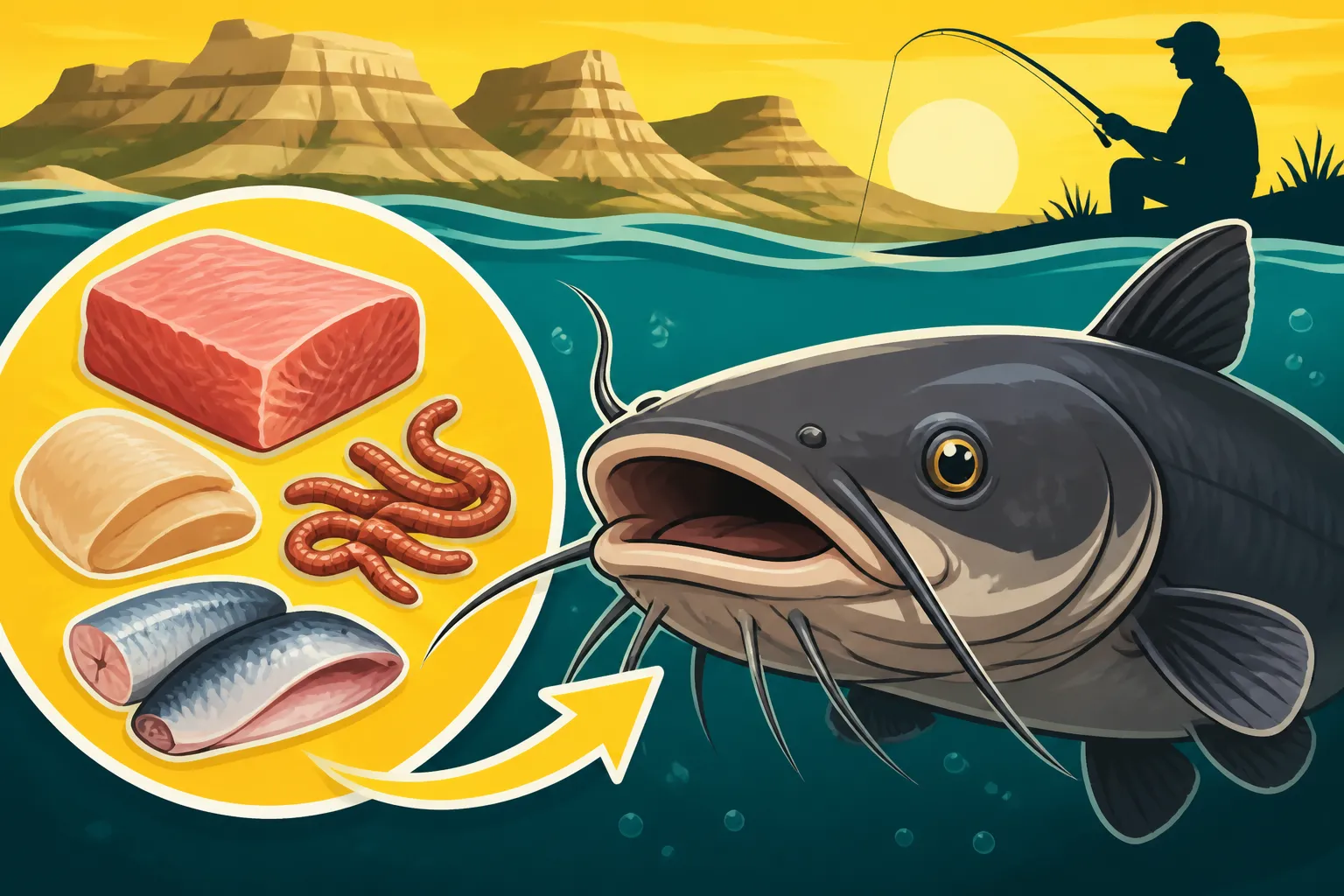
Cut bait is arguably one of the most effective and widely used baits for channel catfish across South Dakota. The beauty of cut bait lies in its ability to leak blood, oils, and scent into the water, creating an irresistible chum slick that draws in hungry catfish. Common choices for cut bait include shad, suckers, small carp, or even panfish like bluegills (where legal). The fresher the cut bait, the better, though some anglers prefer to let it "age" a bit to increase the potency of its smell for channel cats.
To prepare cut bait, simply fillet a baitfish into strips or cut it into chunks. Aim for pieces about 1-2 inches in length, ensuring each piece has some skin and scales to help keep it on the hook. You want a piece large enough to present a good scent profile but small enough for a catfish to easily take. When fishing the larger reservoirs like Lake Oahe or Lake Sharpe, or the powerful currents of the Missouri River, the dispersing scent from cut bait is incredibly effective. For those looking to gear up, having a good bait knife and a sturdy cutting board is essential, and you can find many quality options for these on Amazon.
Live Baits: The Flathead's Favorite Meal
If your goal is to land a trophy flathead catfish, live bait isn't just an option; it's practically a requirement. Flatheads are apex predators in their environment, and they prefer to hunt live prey. The best live baits are hearty, lively fish that can survive on a hook for an extended period while still putting out distress signals. Common choices include bluegills, sunfish, carp, suckers, or bullheads. It's crucial to check local regulations regarding the use of live bait, as some areas may have restrictions on species or their origin.
When rigging live bait, the key is to allow the fish to swim naturally and present it in a way that maximizes its liveliness. Hooking a baitfish through the back, just behind the dorsal fin and above the lateral line, allows it to swim freely without fatally injuring it too quickly. Another method is hooking through the lips. Always use a stout hook appropriate for the size of your baitfish and the potential size of the flathead you're targeting. For a deep dive into specific catfish tactics, our How to Catch Catfish on the Missouri River guide has even more insights.
Earthworms and Nightcrawlers: Universal Appeal
You simply can't talk about natural baits without mentioning good old earthworms and nightcrawlers. These are the classic, universal baits that have probably caught more fish than any other. While not typically the go-to for trophy flatheads, they are incredibly effective for channel catfish of all sizes, especially smaller ones, and panfish that might be lurking in the same waters. Their natural wiggling action and earthy scent are appealing to a wide range of fish.
A full, juicy nightcrawler threaded onto a hook, or a wriggling ball of smaller earthworms, creates an enticing presentation. They are easy to acquire (dig them up, buy them at any bait shop, or order them online from a bait supplier) and incredibly easy to use. They're particularly effective in smaller creeks, ponds, and slower-moving sections of rivers. The best part? You don't need any special rigging for them; simply hook them on, and let their natural allure do the work.
Unleashing the Power of Prepared and Store-Bought Baits
While natural baits are undeniable champions, there's a whole world of prepared and commercially available baits that are absolute game-changers, especially for channel catfish. These baits are designed with a single purpose: to emit maximum scent and appeal to the catfish's incredible sense of smell.
Commercial Stink Baits: The Potent Potion
Stink baits are legendary in the world of channel catfishing, and for good reason. They are specifically formulated to release a powerful, often pungent, aroma that catfish can detect from considerable distances, even in murky waters. These come in various forms: dips, doughs, chunks, and even pre-formed "worms." Brands like Catfish Charlie, Berkley PowerBait, and Secret 7 are perennial favorites among South Dakota anglers.
The key to using stink baits effectively is understanding their texture and how to keep them on the hook. Dip baits are often used with specialized tubes or sponges designed to hold the gooey bait, while dough baits are molded directly onto a treble hook or a spring-loaded "worm" hook. The consistency can be challenging, especially in warmer weather when they might become runnier. However, their effectiveness, particularly in warmer water where catfish are actively feeding and relying heavily on their sense of smell, is undeniable. You can often find a wide selection of these, along with specialized rigging accessories, on Amazon, making it easy to stock up before your next trip.
Liver and Cheese: Household Staples That Hook Cats
You might be surprised to find some of the best catfish baits right in your refrigerator or local grocery store. Chicken liver, specifically, is a long-standing favorite for channel catfish. It's incredibly soft and bloody, which means it releases a fantastic scent trail in the water. The challenge with chicken liver is keeping it on the hook due to its delicate texture. Many anglers use a small treble hook or thread it onto a larger hook multiple times, sometimes even wrapping it with a small piece of mesh or pantyhose to secure it.
Cheese, particularly strong-smelling varieties like cheddar or processed cheese, also has a surprising appeal to channel catfish. The oils and pungent aroma released by cheese can attract curious cats. Similar to liver, it can be a bit soft, so dicing it into small, firm cubes and using a small treble hook or even a jig head can help keep it in place. While not as universally effective as cut bait or commercial stink baits, these household items are readily available and can provide a fun, budget-friendly alternative when you're in a pinch or just want to experiment.
Hot Dogs and Other Processed Meats: Convenient and Effective
Don't knock it until you try it! Hot dogs and other processed meats, like bologna or even luncheon meat, are surprisingly effective baits for channel catfish. They are cheap, readily available, and perhaps most importantly, much firmer than liver, making them easier to keep on the hook. Their processed nature means they often contain various spices and fats that can appeal to a catfish's sensitive palate and olfactory system.
Cutting hot dogs into small, coin-sized pieces or lengthwise strips works well. You can even marinate them in garlic powder or a little aniseseed oil to give them an extra kick. These baits are particularly convenient for impromptu fishing trips or when fishing with kids, as they are mess-free and easy to handle. While they might not have the same "stink" as commercial baits, their convenience and consistent effectiveness make them a valuable tool in any channel catfisher's arsenal.
Beyond Bait: Essential Rigging for South Dakota Catfish Success
Having the best bait in the world won't do you much good if it's not presented correctly. The way you rig your bait plays a critical role in its effectiveness, determining how naturally it moves, how accessible it is to the fish, and ultimately, whether you get a bite. Different situations and target species call for different approaches to tackle and presentation.
Bottom Rigs: Getting Down Deep
Most catfish, especially channel and flathead catfish, are bottom feeders. This means you need a rig that effectively gets your bait down to where they are lurking. There are several excellent bottom rigs that South Dakota anglers rely on:
- Carolina Rig (Santee Cooper Rig): This is a fantastic all-around bottom rig. It consists of a leader (usually 18-36 inches), a swivel, a sliding sinker (egg sinker or no-roll sinker), and a bead between the sinker and the swivel. The sliding sinker allows the line to pass freely through it, meaning a catfish can pick up the bait and run with it without feeling the resistance of the weight. This is crucial for avoiding dropped baits. The long leader allows the bait to drift naturally with the current, making it appear more enticing. For heavier current in the Missouri River, use a heavier sinker.
- Three-Way Swivel Rig: This rig is excellent for fishing in current or when you want your bait slightly elevated off the bottom. You tie your main line to one eye of a three-way swivel, a leader to your hook to a second eye, and a shorter leader (often 6-12 inches) with a sinker to the third eye. This design helps prevent tangles and keeps your bait suspended just off the bottom, making it easily visible and accessible.
- Simple Fish-Finder Rig: Similar to the Carolina rig, but often with a heavier sinker. The main line goes through a sleeve attached to the sinker, then ties to a swivel, followed by a leader and hook. This allows the fish to pull the line through the sinker sleeve, feeling minimal resistance. This rig is particularly effective when targeting larger catfish with bigger baits, where resistance could make them drop the offering.
Regardless of the specific bottom rig, choosing the right size hook is paramount for catfish. Our guide on What Size Hook to Use for Catfish provides detailed recommendations.
Slip Bobbers: The Subtle Approach for Channels
While bottom rigs are king for deeper waters and flatheads, a slip bobber rig can be incredibly effective for channel catfish, particularly when they are feeding in shallower areas, near structure, or when you want to suspend your bait at a precise depth above weeds or snags. A slip bobber slides freely up and down your main line, stopping at a small knot (bobber stop) that you can adjust to control your bait's depth.
This setup offers a more sensitive presentation than many bottom rigs. When a catfish takes the bait, the bobber dips or moves, giving you a clear visual indicator. It's particularly useful in areas with a soft, mucky bottom where a sinker might bury your bait, or in places with submerged cover where keeping your bait just above the snags is beneficial. Pair it with a lively piece of cut bait, a cluster of worms, or even a smaller piece of stink bait for excellent results. This method is often preferred for more active fishing, especially from shore or in a kayak where subtle movements might indicate a bite.
Proper Hooking Techniques for Different Baits
The way you present your bait on the hook can make a huge difference.
- For Live Bait: As mentioned, hook live baitfish through the back (above the lateral line, just behind the dorsal fin) or through the lips. The goal is to keep the bait alive and active for as long as possible while ensuring the hook is exposed for a solid hookset. For smaller flathead bait, a single stout circle hook is often preferred.
- For Cut Bait: Thread cut bait onto a large single hook (like a Kahle hook or a wide-gap circle hook), ensuring the hook point is exposed. You want enough bait to create a scent trail, but not so much that it smothers the hook or makes it difficult for the catfish to swallow.
- For Worms: Thread nightcrawlers onto the hook, leaving a good portion dangling and wiggling. For smaller earthworms, simply ball several onto the hook to create a larger, more enticing presentation.
- For Stink Baits/Dough Baits: Use a treble hook for these, as the extra points help hold the soft bait. For very gooey dip baits, specialized worms or sponges that attach to your hook and soak up the bait are essential.
Remember, presentation is about making your bait look and feel as natural and appealing as possible to the target species. Always consider the current, water depth, and the catfish's known feeding habits when choosing your rig.
Seasonal Strategies and Water Wisdom for Bait Selection
The effectiveness of certain baits in South Dakota can shift dramatically with the seasons and the specific water conditions you're facing. Catfish behavior, including their feeding patterns and preferred locations, changes throughout the year, meaning a bait that was hot in July might be a dud in October.
Spring: Post-Spawn Hunger and Warming Waters
Spring in South Dakota is a fantastic time for catfish, especially channel cats. After the long winter and once water temperatures start to consistently climb into the 50s and 60s Fahrenheit, catfish become much more active and begin to feed aggressively to recover from spawning. During this post-spawn period, their hunger drive is high.
- Early Spring (Cooler Water): As the water warms, catfish are still a bit sluggish but starting to move. Scent is key. Fresh cut bait (especially shad or local baitfish) or potent stink baits are excellent choices. Look for them in shallower flats that warm up faster or near tributary mouths where food washes in.
- Late Spring (Warmer Water): As water temperatures rise into the optimal feeding range (65-75°F for channel cats), they become very active. Any strong-smelling bait will work, but don't overlook live baits for potential flatheads starting to wake up. Worms, chicken liver, and processed meats also become increasingly effective. Catfish will be moving into more diverse habitats, including deeper holes and around cover.
Summer: Peak Feeding and Diverse Options
Summer is prime time for South Dakota catfishing. With warm water temperatures, catfish are highly active and feeding aggressively, often throughout the day and into the night. Their metabolism is high, and they need a lot of food. This is when nearly any proven catfish bait can shine.
- Channel Catfish: This is when the stinkier the bait, the better. Commercial stink baits, aged cut bait, chicken liver, and strong cheeses are all top performers. Catfish can be found in a wide variety of habitats, from deep holes in the Missouri River to shallow flats in the Glacial Lakes region. Night fishing for channel cats with these potent baits is especially productive.
- Flathead Catfish: Summer is also the peak season for targeting flatheads. Their predatory instincts are in full swing. Focus exclusively on robust, lively baitfish such as bluegills, sunfish, or suckers. Target deep holes with plenty of cover, submerged timber, or rocky outcroppings. Present your live bait near these structures, often after dark. For specific locations, check out our guide on Missouri River Catfish Fishing Spots.
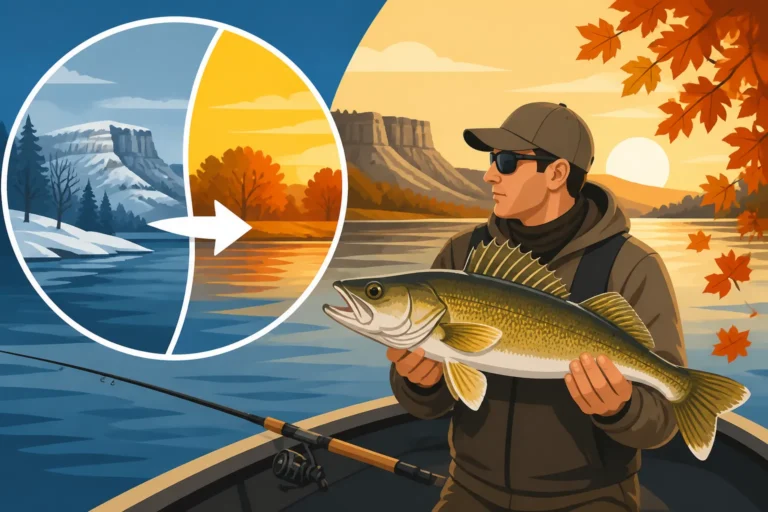
Fall: Pre-Winter Fattening Frenzy
As fall approaches and water temperatures begin to drop, catfish enter a pre-winter feeding frenzy. They are trying to pack on as much weight as possible before the lean months of winter. This can be another fantastic time to catch big fish.
- Cooling Waters (Early Fall): Catfish are still very active. Cut bait remains a top choice, as does live bait for flatheads. As temperatures slowly drop, the effectiveness of some of the "stinkier" processed baits might wane slightly compared to natural, oily cut baits. Focus on deeper breaks and holes where fish will begin to stage.
- Cold Water (Late Fall): As water temperatures dip below 50°F, catfish activity slows down considerably. They become more sluggish, and their feeding windows become shorter. Baits with a strong scent that they don't have to chase much, like fresh cut bait, can still entice them. Look for them in the deepest holes and slack water areas where they seek refuge from the cold.
| Bait Type | Target Species | Best Seasons | Scent Profile | Ease of Use | Pros | Cons |
|---|---|---|---|---|---|---|
| Cut Bait (Shad, Sucker) | Channel Catfish | Spring, Summer, Fall | High | Medium | Strong scent, natural prey | Can be messy, needs preparation |
| Live Bait (Bluegill, Carp) | Flathead Catfish | Summer, Early Fall | Natural | Medium | Irresistible to flatheads, natural action | Requires keeping bait alive, species restrictions |
| Earthworms/Nightcrawlers | Channel Catfish, Panfish | All | Medium | Easy | Universal appeal, easy to find | Not ideal for large flatheads |
| Commercial Stink Baits | Channel Catfish | Spring, Summer | Very High | Medium | Extremely potent, long-lasting scent | Can be messy, sometimes difficult to keep on hook |
| Chicken Liver | Channel Catfish | Spring, Summer | High | Hard | Very strong natural blood trail | Difficult to keep on hook |
| Hot Dogs/Processed Meats | Channel Catfish | Spring, Summer | Medium | Easy | Convenient, clean, readily available | Less potent than specialized baits |
| Cheese (Cheddar) | Channel Catfish | Spring, Summer | Medium | Medium | Readily available, unique scent | Can be soft, not always consistently effective |
This table provides a quick overview, but remember that local conditions and specific fish behavior can always vary. It's always best to experiment and find what works best on your particular South Dakota waters.
Disclaimer
Fishing regulations, license requirements, and local bait restrictions can change. Always consult the latest South Dakota Game, Fish and Parks (GFP) regulations handbook or their official website before heading out on your fishing trip. This guide is for informational purposes only and does not constitute legal advice.