How to Extend Your Fishing Season Into Late Fall
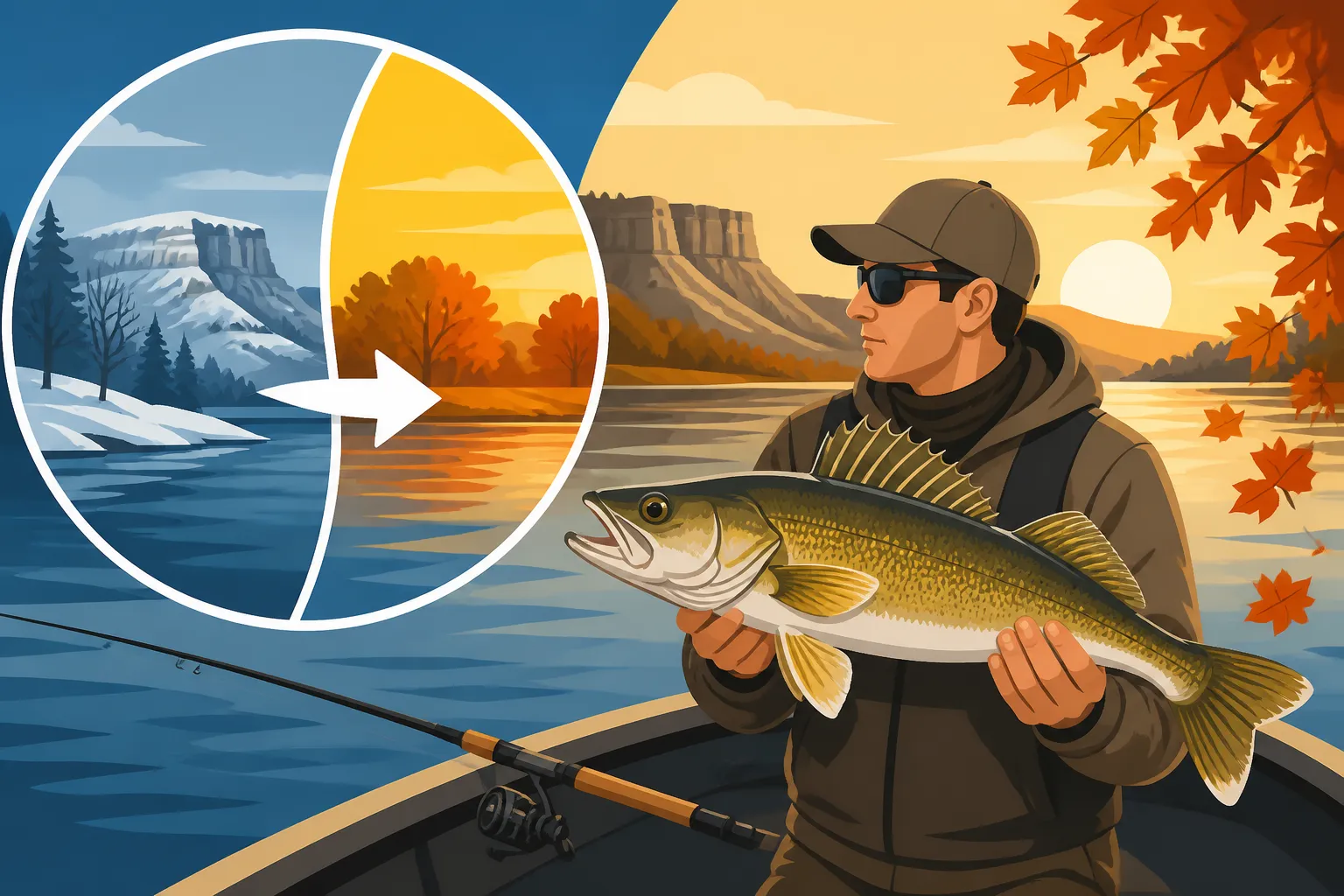
The crisp air bites a little harder, the leaves are mostly gone, and that glorious fall fishing season feels like it's slipping away far too quickly. Many anglers pack up their gear once the first real cold snap hits, thinking the best opportunities are over until spring. But I'm here to tell you that doesn't have to be the case! South Dakota's waters can offer incredible late fall fishing, especially for species like walleye and perch, if you know how to adapt. This guide will walk you through extending your angling adventures well into the colder months, helping you stay safe and successful.
Understanding Late Fall Conditions in South Dakota
As we move deeper into fall, past those vibrant October days, the environment in South Dakota undergoes significant changes that directly impact fishing. Understanding these shifts is crucial for staying on the fish.
The Shifting Landscape and Water Temperatures
Late fall in South Dakota means cold. Not just cool, but cold. Air temperatures drop, often dipping below freezing overnight and struggling to rise much above 40 or 50 degrees Fahrenheit during the day. This prolonged chill has a profound effect on water temperatures. Lakes and reservoirs that were once teeming with warm surface activity begin to cool from the top down. Eventually, as the surface cools and becomes denser, the water column "turns over," mixing the oxygenated surface water with deeper, cooler water. After turnover, the entire water column will continue to cool, often stabilizing around 39 degrees Fahrenheit (4 degrees Celsius) before ice begins to form.
This cooling process isn't uniform. Shallower bays and protected areas will cool faster than the vast main lake basins. Rivers, especially the mighty Missouri River reservoirs like Lake Oahe and Lake Sharpe, have currents that can influence cooling rates, but even they succumb to the persistent cold. The key takeaway here is that fish are highly sensitive to these temperature drops, and their metabolism slows down significantly.
Fish Behavior as Waters Cool
Think about it: when it's cold, you want to conserve energy, right? Fish are no different. As the water temperature plunges, their metabolic rates decrease. This means they digest food more slowly, don't need to eat as often, and generally become less active. They won't chase baits with the same aggression they did in summer or even early fall. Instead, they tend to move deeper, seeking out more stable thermal conditions. Structure, like humps, points, and channel edges, becomes even more important as fish congregate in these areas, often forming larger schools.
During this period, baitfish also respond to the cold. They too will move deeper, often schooling tightly, which can draw predatory fish like walleye and northern pike to the same locations. The challenge for anglers is finding these concentrated schools and presenting a bait that appeals to their slower, less aggressive mood. It's a game of patience and precision, moving from widespread searching to focused, methodical presentations once you locate fish. You might find some excellent insights into this in our guide on South Dakota Fishing Seasons Explained.
Essential Gear and Preparation for Cold Weather Angling
You simply cannot approach late fall fishing with the same mindset or gear as a summer outing. Preparation is key, not just for success, but for safety and comfort.
Dressing for Success: Layering is Key
This is non-negotiable. Hypothermia is a real and dangerous threat in late fall. Forget cotton; it holds moisture and loses its insulating properties when wet. Instead, embrace layers made of synthetic materials or wool. Start with a moisture-wicking base layer that pulls sweat away from your skin. Next, add an insulating mid-layer, like a fleece jacket or a down vest. Your outer layer should be waterproof and windproof – a good quality rain suit is essential, even if rain isn't in the forecast, as it provides a crucial barrier against wind chill and spray. Don't forget a warm hat that covers your ears, a neck gaiter, and insulated, waterproof gloves. Your extremities lose heat fast.
Consider packing an extra set of dry clothes in a waterproof bag, just in case. It might sound excessive, but being prepared for an unexpected dunk or just getting soaked by a rogue wave can save your trip – and potentially your health. You can often find great deals on quality layering pieces and outerwear on Amazon, especially if you're looking for specific brands or sizes.
Adapting Your Tackle for Colder Water
Your tackle setup also needs a cold-weather makeover. Heavy lines and stiff rods that worked well in summer might be too much for light-biting, lethargic fish.
Rods and Reels: Opt for more sensitive rods with a lighter action. A medium-light or medium power rod with a fast or extra-fast tip can help you detect those subtle "thunks" or just added weight that signals a bite. Spinning reels are often preferred in cold weather as they handle lighter lines and smaller baits more effectively, and are less prone to issues with frozen line guides.
Line Selection: Fluorocarbon lines are excellent choices for colder water. They are nearly invisible underwater, which is a huge advantage when fish are finicky, and they have less stretch than monofilament, increasing sensitivity. Braided lines can also be used, but remember they can absorb water and freeze in your guides on very cold days, which is a real pain. If using braid, consider a fluorocarbon leader.
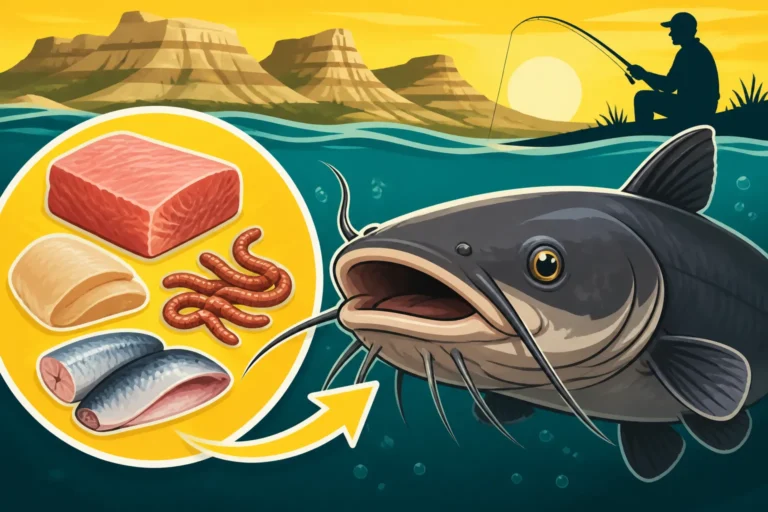
Lures and Baits: Downsize your baits. Smaller jigs, spoons, blade baits, and soft plastics are often more effective. Colors can vary, but natural tones or bright, contrasting colors (like chartreuse or orange) can both have their days. Live bait, especially minnows or shiners, can be absolutely deadly. Presenting a lively minnow on a slow-death rig or a simple jig can entice even the most reluctant walleye. For a more comprehensive look at what to pack, check out our South Dakota Fishing Gear Checklist.
Boat and Vehicle Maintenance for Fall Trips
If you're heading out on the water, your boat needs extra attention. Freezing temperatures can wreak havoc. Ensure your engine is properly maintained and that all fluids are topped off, especially anti-freeze if your engine is raw-water cooled. Check your battery; cold weather drains power more quickly, and you don't want to be stranded. Keep an eye on your bilge pump – it's your best friend if you take on water. Make sure all navigation lights are working, as shorter days mean you'll be launching and returning in the dark more often.
For your vehicle, a quick check of tires, battery, and windshield wipers is always a good idea. Consider an emergency kit with blankets, a shovel, jumper cables, and extra food and water, especially if you're venturing to more remote areas. Tow straps are a lifesaver if you get stuck on a muddy or slippery boat ramp.
Strategies for Targeting Fish in Late Fall
Successfully extending your season means adjusting your tactics significantly. Forget fast retrieves and aggressive presentations; late fall fishing demands a slower, more deliberate approach.
Locating Cold Water Fish
Finding the fish is often the biggest hurdle. As mentioned, fish will seek deeper, more stable water.
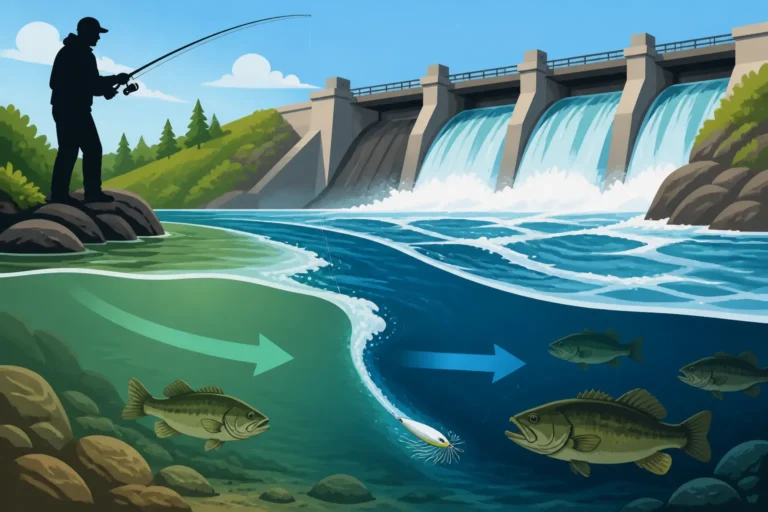
Deep Water Structure: Focus on prominent underwater features. This includes main lake points that drop into deep water, humps, ledges, and the edges of old river channels in reservoirs like those along the Missouri River. These areas provide both cover and access to deeper water where baitfish also congregate. Look for areas with current breaks, as fish will often tuck into these spots to conserve energy while waiting for an easy meal.
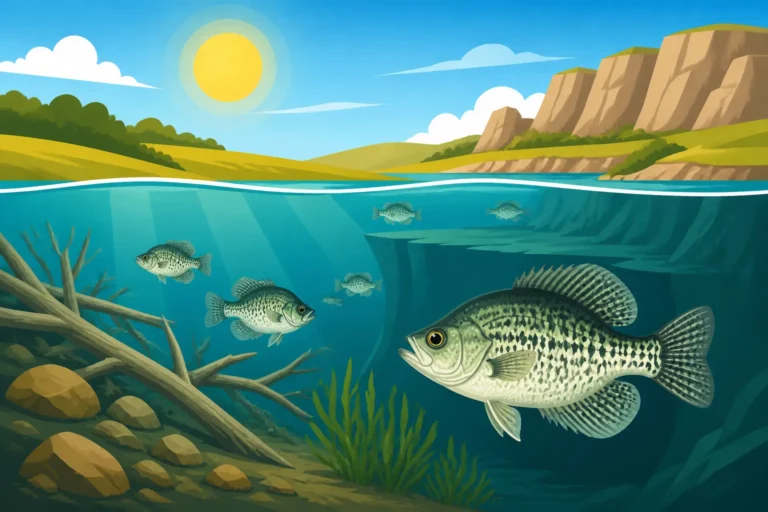
Electronics are Your Friend: Your fish finder becomes an invaluable tool. Spend time idling over promising structures, looking for baitfish schools and arcs representing larger predatory fish. Don't just look on the bottom; fish can often be suspended in the water column, especially walleye and crappie, following bait. Side imaging and down imaging can help you scan wider areas and pinpoint specific spots more quickly.
Key Depths: While fish will go deep, "deep" is relative to the body of water. On some glacial lakes, 20-30 feet might be deep. On the Missouri River reservoirs, fish could be holding at 40-60 feet or even deeper. Pay attention to contour maps and local fishing reports, but always let your electronics and the fish tell you where they're at on any given day. Remember, fish will often hold just off the main channel or suspended over structure, not necessarily glued to the very bottom.
Slow and Subtle Presentation Techniques
Once you've located fish, the presentation is critical. Their metabolism is slow, so they won't typically chase a rapidly moving bait.
Slower Speeds: Whether you're trolling or jigging, everything needs to slow down. For trolling, consider speeds under 1.0 MPH, sometimes as slow as 0.5 MPH. This allows the fish more time to react and commit to the bait. When jigging, think "lift and pause" rather than aggressive snaps. Let the bait sit for several seconds on the bottom or at the target depth.
Subtle Movements: Less is often more. A gentle lift, a slight quiver, or just holding a live bait in place can be all it takes. Often, fish will just "mouth" the bait or simply add weight to your line, making bites incredibly subtle. That's where a sensitive rod and good line come into play.
Targeting the Bite Zone: Pay close attention to the depth at which you're getting bites. If you're marking fish at 35 feet, ensure your bait is consistently in that strike zone. A slip bobber rig with a minnow can be exceptionally effective for suspended fish, allowing you to present the bait precisely at their eye level. For a deeper dive, check out South Dakota Fall Walleye Fishing Techniques.
Species-Specific Fall Tactics
While many general principles apply, tweaking your approach for specific species can boost your success.
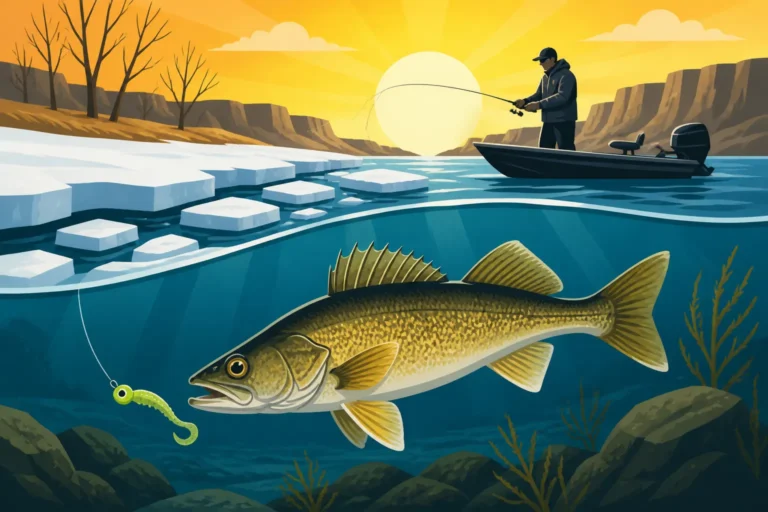
Walleye: These are often the stars of late fall fishing in South Dakota. They will school up tightly in deep water. Vertical jigging with a minnow-tipped jig, a blade bait, or a spoon is incredibly effective. Trolling deep-diving crankbaits or spinner rigs with nightcrawlers (often slowed significantly with a bottom bouncer) can also work, especially if you're covering larger areas. Remember, walleye in late fall often prefer softer presentations.
Perch: Jumbo yellow perch can offer fantastic late fall action. Like walleye, they'll often be found schooled up deep, especially near humps or channel edges that have a good invertebrate bottom. Small jigging spoons, tungsten jigs tipped with wax worms or plastics, and small minnows on a dead stick are top producers. Their bites can be incredibly light, so watch your line intently.
Northern Pike: While less common in the deepest waters, pike can still be found in deeper portions of bays or along main lake points, often slightly shallower than walleye. Large spoons, spinnerbaits, or even larger live baits (where legal) can draw strikes. While their metabolism slows, they are still apex predators and can be opportunistic. Focus on areas where baitfish are abundant, as pike will be lurking nearby. You can find more detail on targeting these toothy critters in our South Dakota Northern Pike Fishing Guide.
Safety First: Navigating Late Fall Hazards
Late fall fishing, while rewarding, carries inherent risks that must be taken seriously. Your safety, and the safety of anyone fishing with you, should always be the top priority.
Hypothermia and Cold Water Shock Risks
This is not something to underestimate. Cold water saps body heat rapidly. If you were to accidentally fall into water below 50 degrees Fahrenheit, cold water shock can cause involuntary gasping, hyperventilation, and disorientation, making it incredibly difficult to stay afloat and call for help. Even if you manage to avoid the initial shock, hypothermia sets in quickly, leading to loss of coordination and consciousness.
Always wear your life jacket, even if you're a strong swimmer. Modern inflatable PFDs are comfortable and don't impede casting. Dressing in layers as discussed earlier is your first line of defense. If fishing from a boat, ensure you have a throw cushion or ring easily accessible. It's a sobering thought, but preparing for the worst-case scenario is part of responsible late fall angling.
Weather Monitoring and Trip Planning
South Dakota weather is notoriously unpredictable, especially in the fall. A beautiful, calm morning can quickly turn into a windy, frigid afternoon with whitecaps.
Check the Forecast Religiously: Don't just check once; check the night before, the morning of, and even periodically throughout the day using a weather app or marine forecast. Pay close attention to wind speed and direction, as well as temperature.
Have a Backup Plan: If the wind kicks up or a storm rolls in, know where your nearest safe harbor or boat ramp is. Don't push your luck. A fish is never worth risking your life.
Inform Someone: Always let someone know where you're going, when you expect to return, and who you're with. If plans change, let them know. This simple step can be a lifesaver if something goes wrong.
Solo Fishing Considerations
While solo fishing can be a serene experience, it significantly increases the risks in cold weather. If you're alone and something happens – you fall in, your boat breaks down, or you suffer an injury – help might not be readily available. If you absolutely must fish solo in late fall, take extra precautions:
- Stick to Smaller, More Protected Waters: Avoid the vast, open expanses of the big Missouri River reservoirs where help could be hours away.
- Fish with Extra Gear: Carry a satellite messenger or a fully charged cell phone in a waterproof case, even if reception is spotty.
- Avoid Risky Maneuvers: Don't take chances with unfamiliar boat ramps, sketchy ice (if we're talking about the very tail end of fall before solid ice), or tricky navigation.
- Consider a "Buddy System": Even if you're fishing alone, have a buddy who knows your exact location and checks in with you at predetermined times.
Maximizing Your Late Fall Fishing Success
To truly make the most of those lingering open-water days, a few additional considerations can make all the difference.
Leveraging Shortened Daylight Hours
As daylight dwindles, fish feeding windows can become more compressed. Often, the best bite will occur during the warmest part of the day, which might only be a few hours around midday. Don't feel pressured to be on the water from dawn to dusk. Focus your efforts on those prime hours when water temperatures are at their highest point for the day, even if it's just a degree or two. This also means you don't have to launch in the pre-dawn darkness, which can be brutally cold. A later start, but a more strategic one, can be just as, if not more, effective.
The Value of Patience and Persistence
Late fall fishing isn't about constant action; it's about quality over quantity. You might work a spot for a good while without a bite, then suddenly hit a school of actively feeding fish. Be prepared to move slowly, make precise presentations, and really concentrate on what your rod tip is telling you. Don't be afraid to experiment with different depths, retrieve speeds, and baits until you find what triggers a strike. Sometimes, a subtle change like switching from a jig to a slow-trolled minnow can unlock the bite.
Proper Fish Handling in Cold Weather
Even your fish handling needs an adjustment. The cold air can be very harsh on fish, especially if you intend to release them. Try to minimize their time out of the water. Handle them gently with wet hands or a wet net. If you're planning to keep fish for the dinner table, ensure your cooler is ready. Even in cold weather, a Best Cooler Size for a Day of Fishing filled with ice can keep your catch fresh for the journey home, especially if you have a longer drive. The goal is to be efficient and respectful of the resource.
Bridging to Ice Fishing Season
Extending your open water season eventually transitions into preparing for the hard water. Many of the principles you learn in late fall, like understanding fish behavior in cold water and the importance of electronics, directly apply to ice fishing. Species like walleye and perch remain active under the ice, often in similar deep water locations.
As the open water season truly winds down, you'll want to start thinking about winterizing your boat, as covered in our guide How to Winterize a Boat in South Dakota, and checking your South Dakota Ice Fishing Guide for what's next. But before that, there are still plenty of fantastic opportunities to enjoy the solitude and challenge of late fall fishing in South Dakota. Just remember to bundle up, be safe, and embrace the slower pace.
Late Fall Fishing Quick Reference Guide
| Feature | Early Fall (September-Early October) | Late Fall (Late October-November) |
|---|---|---|
| Water Temperature | Cooling, often still above 50°F | Cold, often below 50°F, approaching freezing |
| Fish Metabolism | Active, aggressive feeding | Slowed, less aggressive, finicky |
| Fish Location | Transitioning from shallow to deeper, widespread | Deeper water, concentrated on structure, schooling |
| Best Lures/Baits | Crankbaits, spinnerbaits, jigs, live bait | Small jigs, spoons, blade baits, live minnows |
| Presentation Speed | Moderate to fast | Slow to very slow, subtle movements |
| Key Challenge | Locating scattered fish | Finding concentrated schools, triggering subtle bites |
| Angler Gear Focus | Comfortable clothing, basic rain gear | Heavy layering, waterproof/windproof, insulated |
| Boat Prep | Standard checks | Battery, fluids, bilge, emergency gear, anti-freeze |
| Safety Emphasis | General boating safety | Hypothermia, cold water shock, weather monitoring |
Always be mindful of your South Dakota Fishing License Costs and ensure your license is current. The South Dakota Fishing License Expiration Date for annual licenses is usually at the end of December, so you'll be covered for the entire fall.
Disclaimer
This article is for general informational purposes only and does not constitute professional advice. Laws, prices and regulations vary by location and change over time. Consult a qualified professional for guidance on your specific situation.