How to Fish Post Ice Out for Walleye
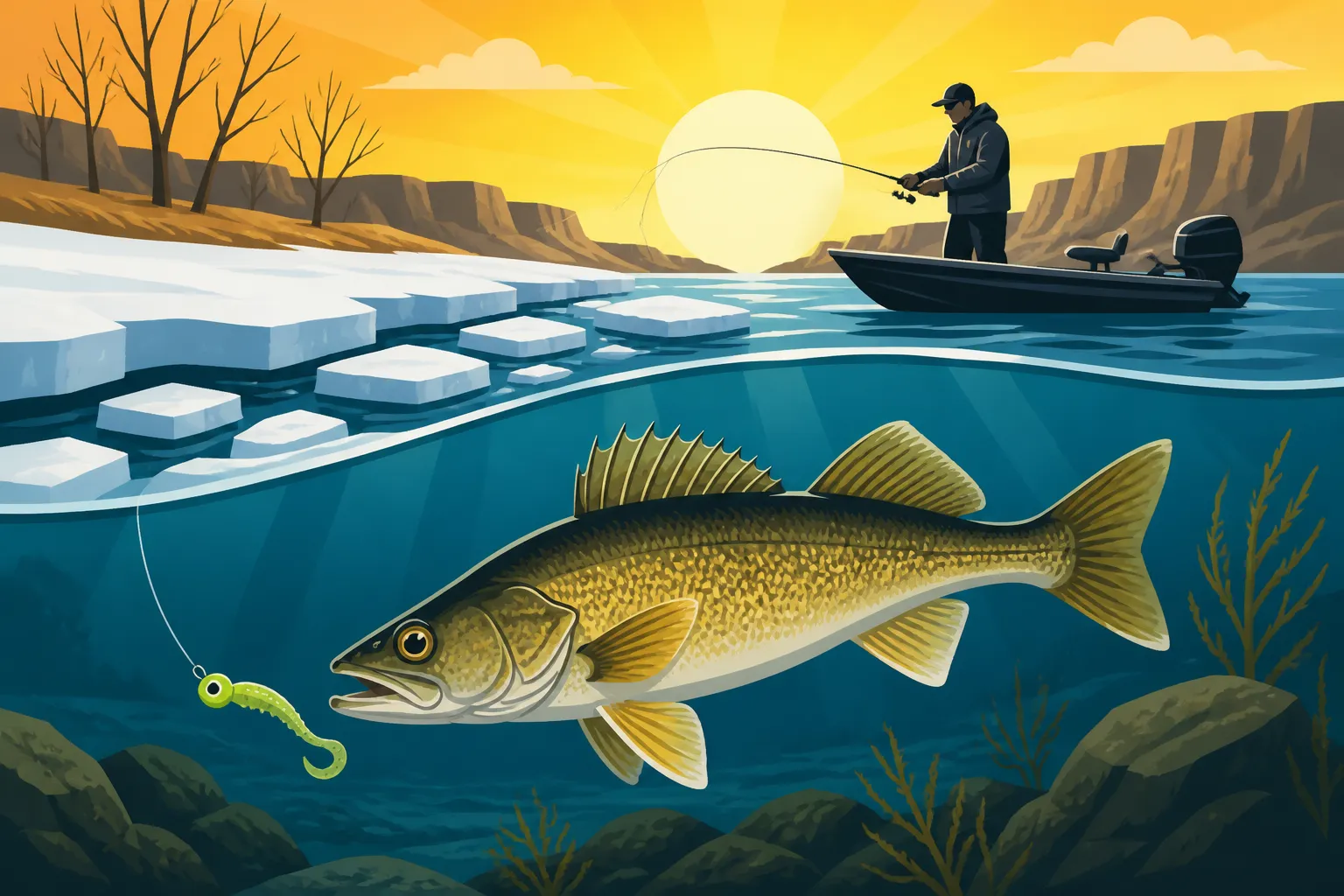
The ice has finally receded, leaving behind open water that shimmers with the promise of early season success, but if you've ever cast a line into South Dakota's lakes and reservoirs right after ice-out, you know it can be a real head-scratcher. Walleye, our prized fish, aren't always eager to bite immediately, and understanding their post-winter behavior is absolutely crucial. This comprehensive guide will walk you through exactly how to adapt your strategies and increase your chances of landing those elusive walleye once the hard water season is officially over.
Understanding the Post Ice Out Period
That moment when the last big sheet of ice finally breaks up and drifts away, often with a whisper or a roar depending on the wind, is a truly special feeling for any South Dakota angler. It signals the end of one season and the exciting beginning of another. But "ice out" isn't a single event; it's a transition, and understanding this delicate period is key to unlocking walleye success.
What "Ice Out" Truly Means in South Dakota
For many, "ice out" is simply when you can launch a boat. But ecologically, it's so much more. It marks the shift from a stagnant, oxygen-depleted, and consistently cold under-ice environment to a dynamic system where water temperatures begin to rise, currents return, and light penetrates deeply. This period can last for a week or even two, depending on the size and depth of the lake, as well as the prevailing weather conditions. Initially, only the shallow bays and shorelines might open up, leaving vast stretches of the main lake still covered or riddled with dangerous slush. The frustration is real when you see open water but the fish aren't biting, or when you can't even get to where you think they might be. It’s a time of rapid change, and walleye are acutely sensitive to these shifts.
As the ice melts, cold water from the surface sinks, and the slightly warmer (or at least less frigid) bottom water rises, creating what's known as the spring turnover. This mixes the water column, redistributing oxygen and nutrients. For walleye, who have spent months in a relatively stable, dark, and cold environment, this sudden change in light, temperature, and water chemistry can be a bit disorienting. They're transitioning from a winter metabolism to a pre-spawn and eventually spawning metabolism, and their activity levels can be inconsistent. Knowing When Ice Fishing Season Ends in South Dakota helps you anticipate this transition.
Walleye Behavior Immediately After Ice Out
Right after ice-out, walleye are often lethargic. Their metabolism is still slow from the long winter under the ice, and they're not yet aggressively feeding. However, a biological imperative is already stirring: spawning. Walleye are cold-water spawners, meaning they'll begin moving towards traditional spawning grounds as water temperatures creep into the low to mid-40s Fahrenheit. These spawning areas are typically rocky shorelines, reefs, or points in relatively shallow water with good current or wave action.
The key behavior immediately after ice out is migration and staging. They aren't usually found spread out across vast flats, but rather concentrated along predictable travel routes to these spawning locations. They might be holding just off the deeper edges of bays or channels leading to shallow rock or gravel. Because their bodies are still in a low-energy state, they're not going to chase a fast-moving lure very far. They're looking for an easy meal, something they don't have to expend much energy to catch. Understanding this sluggishness is crucial because trying to fish too aggressively during this window will often lead to a frustrating day without a single bite. Patience and precise presentations become your best friends.
Essential Gear and Techniques for Post Ice Out Walleye
Fishing for walleye immediately after ice-out requires a deliberate approach to both your tackle and your technique. You can't just throw out your usual summer spread and expect results. It’s a time for subtlety, finesse, and often, getting down to where the fish are slowly moving.
Key Gear Considerations
Because the water is still very cold, the walleye's bite can be incredibly light – sometimes just a subtle tick or a feeling of added weight on your line. This means your gear needs to be sensitive.
- Rods and Reels: Look for a medium-light to medium power spinning rod, around 6'6" to 7' long, with a fast action tip. This tip will telegraph those subtle bites, while the backbone allows you to set the hook effectively. Pair it with a smooth spinning reel in a 2500 or 3000 size. For those looking for new setups, you can often find great deals on sensitive graphite rods and reels on platforms like Amazon. If you're pondering an upgrade, consider exploring Best Fishing Rods and Reels for Walleye.
- Line Choices: A low-stretch line is paramount for feeling those faint bites. Many anglers opt for 8-10 pound braided line with a 6-8 pound fluorocarbon leader. The braid offers incredible sensitivity and hook-setting power, while the fluorocarbon leader is nearly invisible underwater, which can be a huge advantage in clear, cold post-ice out conditions. Some anglers still prefer a high-quality monofilament, typically 6-8 pound test, for its stretch and forgiveness, especially when fishing with finicky live bait.
- Cold Weather Clothing: Don't let open water fool you into thinking it's warm. The air temperature might be pleasant, but the water is still frigid, and a stiff breeze across a large lake can make it feel much colder. Dress in layers, wear waterproof outer shells, and always have a warm hat and gloves. Safety gear like a PFD is non-negotiable, especially in cold water. Having a solid South Dakota Fishing Gear Checklist is never a bad idea.
- Fish Finder: A good fish finder is invaluable for locating potential staging areas or groups of fish. Focus on understanding contour lines and identifying subtle changes in depth or bottom composition. Knowing How to Read a Fish Finder for Walleye will give you a significant advantage.
Go-To Lures and Baits
When walleye are transitioning, they're not often chasing. They want an easy meal.
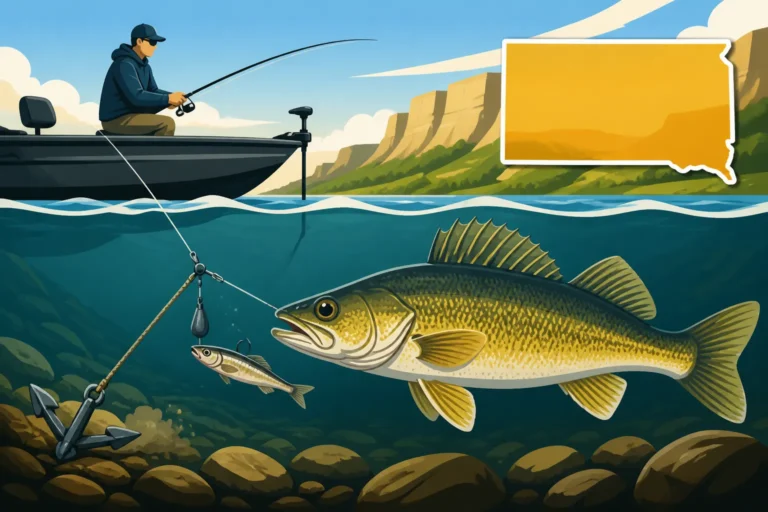
- Live Bait: This is often the undisputed champion for post-ice out walleye. Large shiner minnows, fathead minnows, or even small suckers are incredibly effective. Present them slowly on a jig, a slip bobber rig, or a Lindy Rig. The natural scent and subtle movement of live bait are often irresistible to sluggish walleye. If you're interested in rigging, check out How to Fish a Jig and Minnow Combo.
- Jigs: Lead head jigs, typically 1/8 to 1/4 ounce, tipped with a minnow are a classic for a reason. Colors like chartreuse, white, or orange can be effective, but often natural colors like brown, black, or olive work wonders in clear, cold water. The weight of the jig should be just enough to maintain bottom contact without being so heavy that it kills the natural action of your minnow.
- Hair Jigs/Feather Jigs: These jigs offer a subtle, pulsating action that mimics a struggling baitfish. They can be incredibly deadly when tipped with a small piece of minnow or a plastic trailer.
- Blade Baits: Small blade baits, like those from Johnson or Heddon, can be effective when vertically jigged. The vibration and flash can trigger a reaction strike, even from lethargic fish.
- Slow-Moving Crankbaits: While not as dominant as live bait, small, shallow-diving crankbaits that can be retrieved very slowly or trolled at minimal speeds can sometimes entice a bite. Look for natural baitfish patterns. For a deeper dive into lure selection, take a look at Best Lures for South Dakota Walleye.
Effective Fishing Techniques
Subtlety and patience are the hallmarks of successful post-ice out walleye fishing.
- Vertical Jigging: Whether from a boat or even from shore if you have access to a drop-off, vertical jigging is often the most effective method. Position your boat directly over suspected walleye holding areas and work your jig or blade bait with minimal lifts and drops. Keep it very slow, often just a subtle tremble or a 1-2 inch lift.
- Slip Bobber Rigs: For shallow staging areas or along developing weed lines, a slip bobber rig allows you to present live bait at a precise depth. Let the minnow do the work, gently drifting or slowly retrieving. This is especially good for targeting those specific areas where walleye are staging before moving to spawn.
- Slow Trolling: If the lake is clear enough for boat travel, slow trolling with bottom bouncers and spinner rigs, or even small crankbaits, can cover water and help you locate fish. Maintain speeds of 0.5 to 1.5 mph, just enough to give your bait or lure a subtle action.
- Bank Fishing: Don't discount bank fishing! If you find a public access point with a deep-water access or a drop-off near a traditional spawning area, casting jigs with minnows or working a slip bobber can be very productive. Look for Best South Dakota Shore Fishing Spots for ideas.
Where to Find Walleye During the Post Ice Out Transition
Finding walleye after ice-out is less about covering vast amounts of water and more about understanding their immediate post-winter needs and migratory patterns. They're not going to be everywhere; they'll be concentrated in specific areas that meet their temperature and spawning requirements.
Shallow Water Migration and Spawning Areas
As ice recedes, the shallowest water warms up first. Even a few degrees can make a significant difference to cold-blooded walleye. This slightly warmer water attracts baitfish, and also serves as the highway and staging grounds for walleye preparing to spawn. Look for:
- Rocky Points and Shorelines: These areas absorb heat from the sun and offer prime substrate for egg deposition. Walleye will cruise these areas, especially during low-light conditions. These are the classic spawning grounds, and fish will stage nearby before moving in.
- Wind-Blown Shorelines: A sustained wind can push warmer surface water and baitfish into certain shorelines, making them hotspots. The wave action also provides necessary oxygenation for eggs once spawning begins.
- Shallow Bays and Inlets: These areas often warm faster due to their reduced depth and protection from wind. They can be important staging areas or even primary spawning locations if they have suitable bottom content.
It's vital to remember that walleye spawn at specific temperatures, generally when the water hits the mid-40s Fahrenheit. Understanding the Water Temperature That Triggers Walleye Spawning will help you pinpoint when these shallow areas become most active.
Deeper Structure and Transitional Zones
While many walleye will move shallow to stage and spawn, not all of them do so at once, and some might hold deeper if the conditions aren't quite right.
- Main Lake Points and Reefs: These structures offer depth contours that allow walleye to move between shallow and deeper water easily. They might hold on the deeper side of a point during the day and move up into the shallower areas during low light.
- Channel Edges and Drop-Offs: Walleye often use submerged channels as migration routes. The edges of these channels provide quick access to varying depths and can hold fish that are traveling or waiting for optimal conditions. Look for breaks where shallow flats meet deeper water.
- Basins Adjacent to Spawning Areas: Larger walleye, especially males, might stage in deeper basins or holes immediately adjacent to known spawning sites, moving in and out as conditions dictate. They're still cold and trying to conserve energy, so these deeper sanctuaries are appealing. Learning How to Find Walleye on a New Lake often means studying these contours.
Reading Water and Weather Cues
Walleye are incredibly sensitive to their environment, and post-ice out conditions are highly variable.
- Water Temperature: This is your number one cue. Invest in a good water temperature gauge. A few degrees difference can dictate where walleye are found and how actively they bite. Focus on the warmest available water without sacrificing preferred structure.
- Water Clarity: After ice-out, some lakes can be quite stained due to spring runoff, while others might be surprisingly clear. Clearer water often means walleye are more skittish and deeper, or only active during low light. Stained water can make them bolder, moving shallower even during the day.
- Wind and Sunlight: Wind can push warmer surface water and baitfish, creating ideal conditions. However, too much wind can make boat control difficult and stir up cold bottom water. Bright sunlight often pushes walleye deeper or into shaded areas, while overcast days can make them more active in the shallows. Constantly assess these factors and adjust your strategy accordingly. The wind's role is significant for South Dakota Spring Walleye Fishing Techniques.
| Technique | Primary Target Area | Presentation Speed | Best Conditions | Preferred Lure/Bait |
|---|---|---|---|---|
| Vertical Jigging | Channel edges, deep points, structure breaks | Very Slow | Overcast, low wind, clear water | Jig & Minnow, Hair Jig, Small Blade Bait |
| Slip Bobber | Shallow rocky points, emergent weeds, bays | Slow Drift/Retrieve | Light wind, sunny or overcast | Live Minnow, Leech |
| Slow Trolling | Flats adjacent to channels, contour lines | Extremely Slow | All-weather, covering water | Bottom Bouncer & Spinner, Small Crankbait (shad/perch) |
| Casting Jigs | Shorelines, shallow reefs, boat ramps | Slow Sweep/Hop | Low light, calm conditions, clear water | Jig & Minnow, Plastic Grub |
Overcoming Challenges and Maximizing Success
Fishing post-ice out can be one of the most rewarding times to catch trophy walleye, but it certainly comes with its own set of frustrations. Being prepared for these challenges and knowing how to adapt is what separates a good day from a great one.
The Frustration of Finicky Walleye
There's nothing quite like the feeling of knowing the walleye are there, seeing them on your electronics, but getting absolutely no bites. This is a common scenario during the post-ice out period. Their metabolism is still sluggish, and they're often not in a feeding frenzy. They might swat at a lure or nudge a minnow without fully committing. It can feel like they're just window shopping!
The key to overcoming this is extreme patience and unwavering focus on your presentation. If you're jigging, slow it down even more. Pause for longer. Give the fish time to decide. If using live bait, let the minnow struggle naturally, and don't retrieve too quickly. Sometimes, the softest bite is the biggest fish. It's a mental game as much as a physical one, but sticking with it, making subtle adjustments to depth, lure color, or retrieve speed, will eventually pay off. Remember, these are often pre-spawn or spawning fish, so they're not always thinking about a full meal, but rather a convenient energy source or even a reaction strike.
Safety First in Cold Water Conditions
While the ice might be gone, the water is still dangerously cold. This isn't just about comfort; it's about survival. A fall into water in the low 40s or 30s can quickly lead to hypothermia and incapacitation.
- Dress Appropriately: Layers are essential, including thermal underwear, fleece, and a waterproof, windproof outer layer. A personal flotation device (PFD) is not just a good idea; it's a life-saving device that should be worn at all times when on cold water. Even if you're a strong swimmer, the shock of cold water can quickly render you unable to help yourself. Take a moment to review South Dakota Boat Safety Requirements before heading out.
- Boat Condition: Ensure your boat's engine is well-maintained and reliable. Check all safety equipment, including paddles, a throw cushion, a horn, and a fully charged cell phone in a waterproof case. Tell someone where you're going and when you expect to return.
- Awareness: Be mindful of changing weather, especially sudden gusts of wind or squalls. Cold water can churn up quickly, making travel hazardous. Always err on the side of caution.
Adjusting Your Approach Throughout the Period
The "post ice out" phase isn't static; it's a dynamic period that evolves daily, even hourly. The water temperature will slowly rise, and as it does, walleye behavior will shift.
- Early Days: Immediately after ice out, focus on those very slow, deep presentations, often with live bait, targeting staging areas near channels or deeper points adjacent to spawning grounds.
- Mid-Period: As temperatures climb into the mid-40s, more fish will move shallow, actively cruising rocky points and shorelines for spawning. This is when slip bobbers and shallow-running jigs become more effective, especially during low light.
- Late Period/Pre-Spawn Peak: As the water nears the 50s, spawning activity will be in full swing, and fish might be found in very shallow water. After spawning, they'll begin to spread out and become more aggressive as their metabolism picks up. This transition signals the start of classic South Dakota Walleye Fishing Guide techniques.
Always be willing to experiment. If one technique isn't working, try another. Change depths, change colors, change your retrieve. The walleye will tell you what they want if you pay close enough attention. Don't be afraid to pull anchor and try a new spot if your current one isn't producing. The fish are often concentrated in very specific locations during this time.
Disclaimer
This article is for general informational purposes only and does not constitute professional advice. Laws, prices and regulations vary by location and change over time. Consult a qualified professional for guidance on your specific situation.