How to Find Walleye on a New Lake
It's a familiar feeling, isn't it? You pull up to a beautiful, expansive new lake, brimming with anticipation, but then a wave of uncertainty washes over you. Where do you even begin looking for walleye in this vast expanse of water? The sheer size and unfamiliarity can be overwhelming, making it feel like finding a needle in a haystack. This guide is here to cut through that frustration, offering practical, realistic strategies to help you unlock the secrets of a new South Dakota fishery and consistently put walleye in your net.
Understanding Walleye Behavior in Unfamiliar Waters
Before you even launch your boat, or cast a line from shore, it’s crucial to understand the fundamental behaviors of walleye. These fish aren’t just randomly swimming around; they have patterns, preferences, and instincts that dictate where they’ll be at any given time. Learning to "think like a walleye" is your first step to success on unfamiliar waters.
Seasonal Movements and Preferred Habitats
Walleye are incredibly migratory creatures, constantly adjusting their location based on water temperature, spawning cycles, and the availability of food. What works in spring won't necessarily work in fall.
In spring, after the ice melts, walleye head to shallower, warmer waters to spawn. This often means rocky shorelines, gravel points, or areas with current where oxygenated water is plentiful. Think about the protected bays and shallow flats on the Missouri River reservoirs like Lake Sharpe or Lake Francis Case. After the spawn, they’ll often linger nearby, feeding aggressively before moving to their summer haunts. Understanding when these spawning events occur is key, and you can learn more by checking out our guide on When Walleye Spawn in South Dakota.
As summer progresses and water temperatures rise, walleye typically move deeper, seeking cooler, more oxygenated water. They'll often relate to main lake structures such as submerged humps, deep points, offshore reefs, and channel edges. These deep structures provide both comfort and ambush points for baitfish. Imagine scanning the vast depths of Lake Oahe for these underwater anomalies; they’re truly walleye magnets.
Come fall, as water temperatures begin to drop, walleye will often move back to shallower areas to feed heavily, fattening up for winter. They can be found on expansive flats, along weed lines (if the lake has them), and on main lake points. This transition period can offer some of the most exciting fishing of the year as fish become more active.
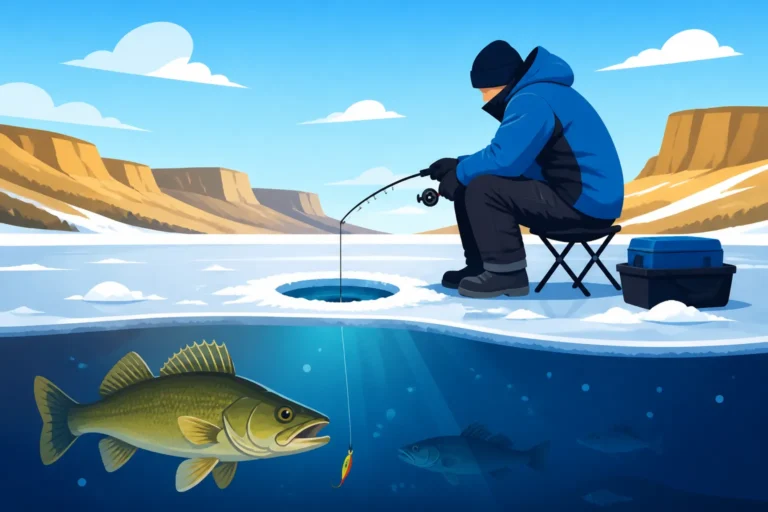
Finally, in winter, under the ice, walleye will once again concentrate in deeper basins, along drop-offs, or around current areas where food is still accessible. They become more lethargic, requiring a slower, more subtle presentation. Our comprehensive South Dakota Fishing Seasons Explained article dives deeper into these annual shifts.
Forage and Feeding Patterns
Walleye are primarily sight feeders, and their large, sensitive eyes are perfectly adapted for low-light conditions. This means they are often most active during dawn, dusk, and overnight, especially in clear water. On heavily overcast days or in stained water, they might feed throughout the day. Their diet consists almost entirely of baitfish. In South Dakota, this commonly includes gizzard shad, emerald shiners, yellow perch, and smelt, especially in the larger Missouri River reservoirs.
When you're trying to find walleye on a new lake, remember this: find the food, find the walleye. Look for schools of baitfish on your sonar. If you find large concentrations of bait, especially relating to structure, walleye are almost certainly nearby, waiting for an opportunity to strike. Walleye are ambush predators, often positioning themselves to capitalize on unsuspecting baitfish that swim by. They'll hug contours, sit on top of subtle humps, or lurk just off a weed edge, using these features to their advantage. A good starting point for understanding their diet across the state is our South Dakota Walleye Fishing Guide.
Essential Pre-Trip Planning and Scouting
Heading to a new lake without doing your homework is like going on a treasure hunt without a map. While some luck might be involved, effective pre-trip planning significantly increases your chances of finding walleye. This involves leveraging available resources to understand the lake's unique characteristics before you ever wet a line.
Researching the Lake's Topography and Fish Reports
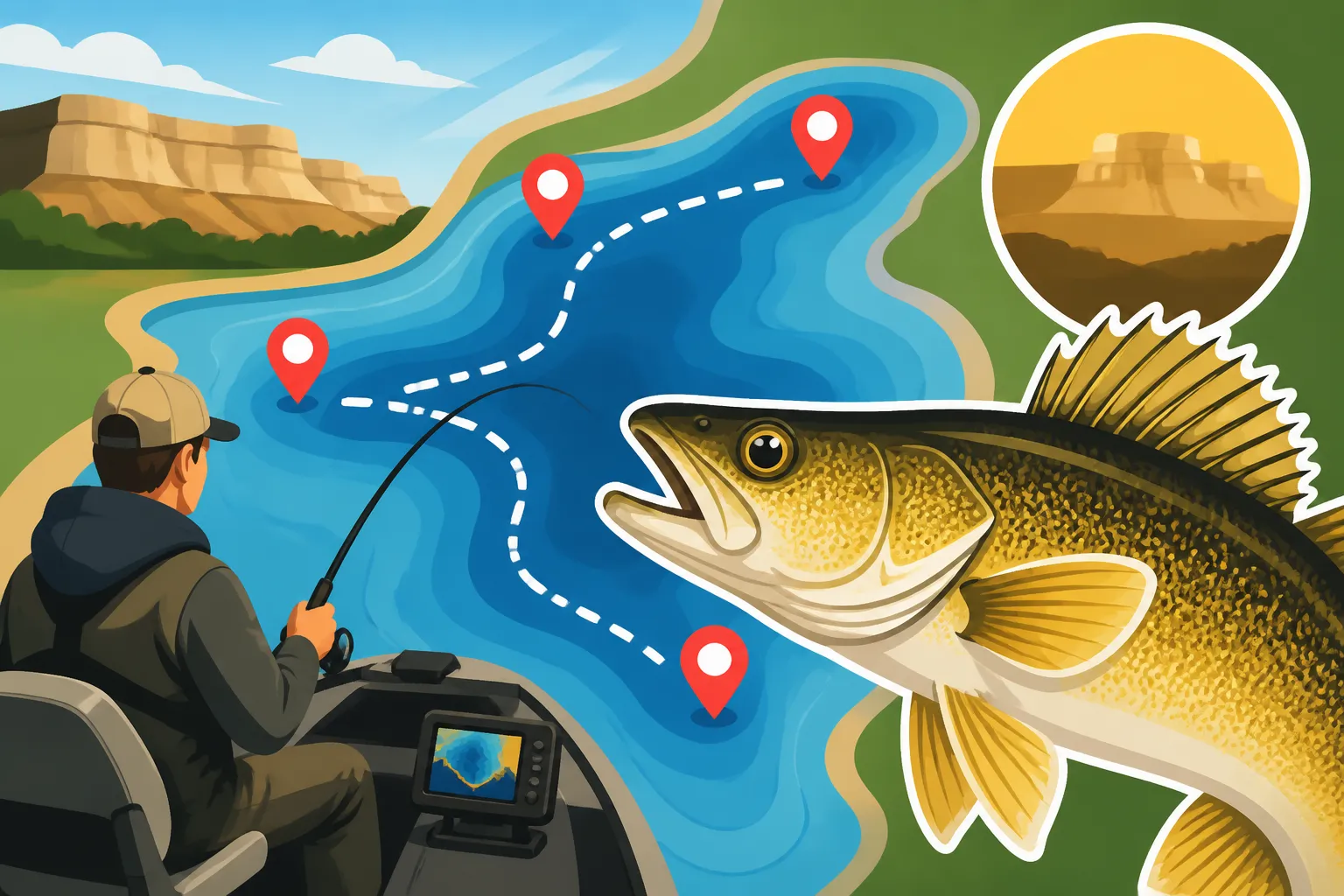
The digital age has blessed us with an incredible array of tools for lake research. Before you go, spend time poring over detailed lake maps. Services like Navionics, Humminbird Basemaps, and Lakemaster offer high-definition contour maps that can be loaded onto your fish finder or viewed on a smartphone or tablet. These maps are invaluable for identifying key structures such as:
- Main lake points: These extend from the shoreline into the main body of water and often act as highways for walleye moving between shallow and deep water.
- Submerged humps and islands: These are offshore structures that rise significantly from the lakebed, concentrating baitfish and predators.
- Deepwater channels and river bends: In reservoirs like the Missouri River system, the old river channel provides a clear path and deep cover for walleye.
- Hard bottom areas: Walleye prefer gravel, rock, or sand over soft, mucky bottoms for spawning and feeding.
- Weed lines: If the lake has aquatic vegetation, the deep edges of these weed beds can hold significant numbers of walleye, especially during summer and fall.
Beyond maps, tap into the collective knowledge of the angling community. Online fishing forums dedicated to South Dakota fishing, local bait shop websites, and social media groups can provide real-time fishing reports and insights into what’s working and where. The South Dakota Game, Fish and Parks (GFP) website is another fantastic resource, often publishing stocking reports, water levels, and even specific lake assessments. Their South Dakota GFP Fishing Handbook Guide is a must-read for any angler. Don't underestimate the power of a quick call to a local bait shop once you arrive in a town like Mobridge or Pierre, especially when fishing a large body of water like Lake Oahe; those folks are often the best source of current, on-the-water information.
Interpreting Lake Maps and Sonar
Once you've studied the general layout, it's time to get specific. On your lake map, identify potential walleye holding areas based on the season you'll be fishing. For instance, if it's late spring, mark several shallow points or gravel bars near potential spawning areas. If it's mid-summer, focus on deep humps or channel edges.
Your boat's sonar unit will be your best friend once you’re on the water. Modern fish finders from brands like Humminbird, Garmin, and Lowrance offer incredible detail:
- 2D Sonar: This traditional view shows fish as arches and structures as varying colors and depths directly below your boat. It’s excellent for identifying schools of baitfish and individual walleye holding close to the bottom.
- Down Imaging/DownScan: Provides a photographic-like view directly beneath your boat, making it easier to distinguish between different types of bottom structure (rock, wood, weeds) and even individual fish.
- Side Imaging/SideScan: This is a game-changer for covering vast areas quickly. It allows you to scan up to hundreds of feet on either side of your boat, revealing structure, baitfish schools, and even individual fish that you might otherwise troll right over. It’s perfect for finding those isolated humps or rock piles that aren't perfectly represented on maps.
When you're scanning, look for irregular contours, sharp depth changes (drop-offs), and any indications of hard bottom. Walleye often congregate where these features meet. Keep an eye out for baitfish clouds, which will appear as dense schools on your sonar. If you see bait and structure together, you've likely found a walleye zone. You can learn a lot about making the most of your electronics by reading our guide on How to Read a Fish Finder for Walleye.
On-the-Water Search Strategies for Walleye
Now that you've done your homework and understand walleye behavior, it's time to hit the water. But don't just randomly motor around hoping for the best. A systematic approach to searching, combined with smart use of your electronics, will vastly improve your odds.
Systematic Search Patterns and Trolling Techniques
When you're on a new lake, especially a big one like those on the Missouri River, you need to cover water efficiently. Don't be afraid to put some miles on your boat.
- Grid Searching: If you've identified a promising large flat or expansive submerged hump from your map research, use your GPS to create a grid pattern. Run your boat back and forth over the area, slightly overlapping your sonar coverage. This methodical approach ensures you don't miss any subtle structures or schools of fish.
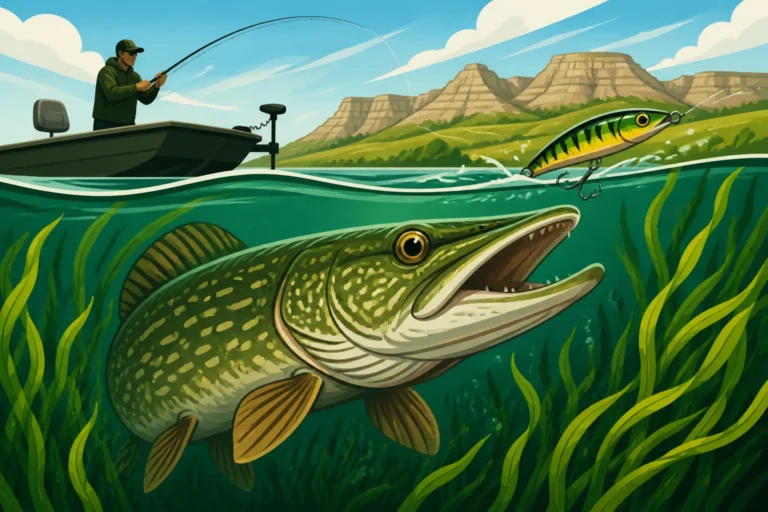
- Contour Trolling: Walleye often relate closely to specific depth contours. Find a promising depth (e.g., 15-20 feet in summer) and use your trolling motor or main engine to follow that contour line. Troll crankbaits or spinner rigs that run at the desired depth. This technique is highly effective for covering linear structures like points and drop-offs.
- Fan Casting and Drifting: If you're fishing a smaller, more defined area like a rocky point or a specific weed edge, anchor up or use your trolling motor to slowly drift while fan casting. This means casting in a wide arc around your boat, covering as much water as possible with jigs, swimbaits, or slip bobber rigs.
When trolling, experiment with your speed. Walleye can be finicky, and sometimes a slight increase or decrease in speed can trigger a bite. Vary your lures as well; have multiple rods out with different crankbait colors and diving depths until you figure out what the fish prefer on that particular day. Our article on Trolling for Walleye on Lake Oahe offers specific insights for that massive reservoir. You can find a fantastic selection of trolling lures and all the accessories you need for your boat on sites like Amazon.
Employing Electronics Effectively
Your fish finder isn't just for showing you fish; it's a scouting tool. As you execute your search patterns, constantly monitor your sonar.
- Mark Waypoints: Every time you see a significant change in bottom composition, a pronounced breakline, a school of baitfish, or, most importantly, a walleye arch, immediately mark it with a GPS waypoint. This allows you to return to productive spots later or to see if there's a pattern developing between your marks.
- Interpret Arches: A strong, distinct arch on your 2D sonar usually indicates a larger fish, like a walleye. If you see multiple arches or arches consistently relating to structure or baitfish, you're on the right track.
- Identify Bottom Composition: Pay attention to how the bottom appears on your sonar. A hard bottom (rock, gravel) will show up as a thicker, more intense line, while a soft, mucky bottom will be thinner and less distinct. Walleye generally prefer hard bottoms.
- Look for Suspended Fish: While walleye often hug the bottom, they will also suspend in the water column, especially if baitfish are suspending. If you see arches halfway down, don't dismiss them – these could be actively feeding walleye.
Using your electronics effectively is a skill that improves with practice. Don't be afraid to spend some time just driving around and observing what your unit shows you, even if you're not actively fishing. This learning phase can be invaluable on a new lake. Many anglers find quality fish finders and mapping chips to enhance their scouting on Amazon.
Targeting High-Probability Zones
Based on your map study and initial on-the-water scouting, certain areas will emerge as higher-probability walleye zones. Focus your efforts on these spots.
- Main Lake Points: These are often the first place walleye will stage during seasonal transitions. They can be found shallower in spring and fall, and deeper in summer. Fish both the tip and the sides of the point.
- Sunken Islands and Humps: These offshore structures are excellent for summer walleye. They concentrate baitfish and provide excellent ambush points. Approach them from different angles and depths until you find where the fish are holding.
- Channel Bends and Current Breaks: On rivers and large reservoirs with current, walleye will often sit just out of the main flow, in softer current seams or behind structural elements, waiting for food to drift by. Look for these areas below dams on the Missouri River system, such as below Oahe Dam or Big Bend Dam.
- Deep Weed Edges: If the lake supports healthy aquatic vegetation, the deep outside edge of a weed line can be phenomenal, especially during the summer and early fall. Walleye will patrol these edges, picking off baitfish hiding in the weeds.
- Rocky Shorelines and Reefs: These provide ideal spawning habitat in spring and can hold walleye during other times of the year, especially if there's good depth nearby.
Remember, walleye are often found where several of these features intersect. For example, a main lake point that also has a hard, rocky bottom and a deep-water channel running nearby is a prime candidate for holding fish.
Adapting Your Approach Throughout the Day and Season
Even after you've found walleye on a new lake, the game isn't over. Conditions change constantly, and the most successful anglers are those who can adapt their tactics. What worked an hour ago might not work now, and certainly what worked last season won't work today.
Adjusting to Light, Weather, and Water Conditions
Walleye fishing is highly sensitive to environmental factors. Being able to read the conditions and adjust your presentation accordingly is critical.
- Light Conditions: Walleye are low-light feeders. On bright, sunny days, they'll typically move deeper or into shaded areas, becoming less aggressive. You might need to use darker lures or slower presentations. Conversely, on overcast days, at dawn, or at dusk, they often move shallower and become more active, allowing for faster retrieves and brighter lure colors. Night fishing can be incredibly productive, especially for larger walleye.
- Weather Patterns: A stable weather pattern with consistent temperatures is generally good for fishing. Cold fronts, on the other hand, can shut down the bite dramatically, making walleye lethargic and less willing to chase. During these tough times, incredibly slow presentations like slip bobbers with live bait or very subtle jigging might be your only hope. Wind can be both a blessing and a curse; a gentle chop often stirs up baitfish and creates favorable feeding conditions, but high winds can make boat control and fishing difficult.
- Water Clarity: In clear water, walleye rely heavily on sight, so natural bait colors and fluorocarbon leaders are often best. They can also be spooky, so stealth is key. In stained or muddy water, walleye rely more on their lateral line (sensing vibrations), so brighter, louder lures with rattles or thumping actions can be more effective. Gold, chartreuse, and orange are popular choices in dirty water.
The Importance of Presentation and Lure Selection
Once you’ve found a potential walleye area, your presentation and lure choice are paramount. There’s no single "magic" lure, but rather a selection of tools to match the conditions and the walleye's mood.
- Jigging: This is a versatile technique, especially effective for walleye holding tight to structure or in current. Use jigs tipped with live minnows, plastic grubs, or soft plastic paddle tails. Vary your jig weight to ensure you're always making bottom contact. Jigging can be done vertically from a boat or cast from shore.
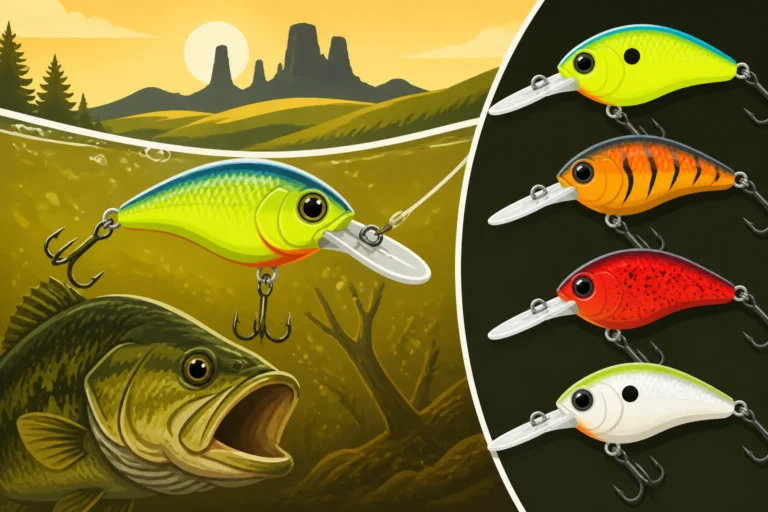
- Crankbaits: These are excellent for covering water, especially when trolling. They come in various diving depths and actions. Experiment with different sizes, colors, and retrieve speeds. Shallow-diving crankbaits work well in spring and fall, while deep-divers are key for summer walleye. You can find a huge variety of quality crankbaits for different depths and colors on Amazon.
- Spinner Rigs/Crawler Harnesses: These are highly effective, especially when tipped with live nightcrawlers or leeches. They can be trolled behind bottom bouncers or cast and retrieved. The flash and vibration of the blade, combined with the natural scent and action of live bait, are often irresistible to walleye.
- Slip Bobbers: When walleye are suspended or lethargic, a slip bobber rig with a live minnow or leech is often the ticket. It allows you to present your bait naturally at a precise depth without spooking the fish.
Don't be afraid to experiment! If what you're doing isn't producing, change something: lure color, size, depth, speed, or even location. Keep a varied selection of baits in your tackle box. To stock up on a range of options, check out our guide on the Best Lures for South Dakota Walleye.
Here's a quick overview of typical walleye locations by season:
| Season | Primary Locations | Common Depths | Preferred Structure | Key Considerations |
|---|---|---|---|---|
| Spring | Shallow bays, rocky points, gravel flats | 5-15 feet | Rocky shorelines, gravel bars, current seams, transitions | Post-spawn, aggressive feeding, sensitive to cold fronts |
| Summer | Deep humps, offshore reefs, main lake points, channels | 15-40 feet | Submerged islands, drop-offs, weed edges (deep) | Low-light feeding, seeking cooler water, thermocline |
| Fall | Flats, main lake points, deep weed lines, shorelines | 10-30 feet | Bottom transitions, rock piles, baitfish concentrations | Feeding aggressively for winter, can be shallower again |
| Winter | Deep basins, main lake channel edges, humps | 20-50+ feet | Structure on deepest breaks, current breaks (under ice) | Slower retrieve, subtle presentations, ice safety |
This table provides a general guideline. Always remember that specific lake conditions in South Dakota, such as water levels or unusual weather, can cause variations.
Disclaimer
Fishing regulations and conditions in South Dakota can change. Always consult the official South Dakota Game, Fish and Parks (GFP) regulations handbook or website before you go fishing. This article is intended for informational purposes only and does not constitute legal advice or an endorsement of any specific product or location. Be sure to obtain the proper South Dakota Fishing License Guide before heading out.