Can You Ice Fish on Lake Oahe?
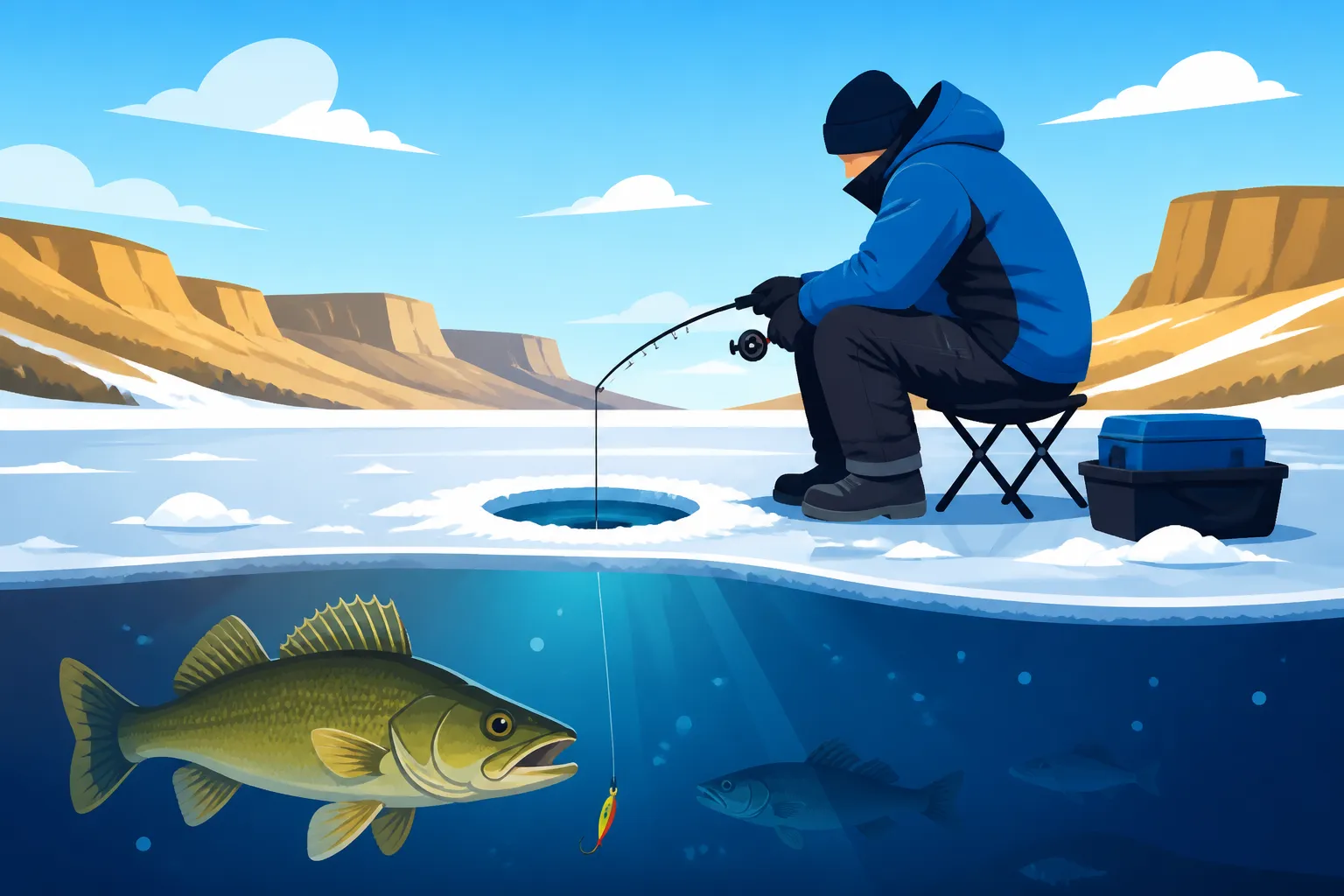
Oh, Lake Oahe! The name alone conjures images of endless water, massive walleye, and challenges that would make even the most seasoned angler pause. When the mercury drops and the landscape turns to a pristine white, a common question echoes among hopeful ice anglers: "Can you even think about ice fishing on Lake Oahe?" It's a completely fair thought, given its immense size and reputation for big water. But let me tell you, while it's not your average farm pond, Lake Oahe absolutely transforms into an ice fishing paradise, albeit one that demands respect, preparation, and a healthy dose of adventure. This guide is all about demystifying the frozen giant and equipping you with the knowledge to safely and successfully chase those prized South Dakota fish through the ice.
The Icy Reality of Lake Oahe Fishing
Picture Lake Oahe stretching out before you, an expansive sheet of ice glimmering under the winter sun. It's truly a sight to behold, but its sheer scale is what makes many anglers hesitant. Unlike smaller, more predictable lakes, Lake Oahe, as a Missouri River reservoir, has unique characteristics that influence ice formation and fishing strategies.
Is Lake Oahe Really Safe for Ice Fishing?
The simple answer is yes, you can ice fish on Lake Oahe, and many do, enjoying phenomenal success. However, it's crucial to understand that "safe" is a relative term heavily dependent on current conditions. Lake Oahe is not a static body of water; it's part of a massive river system, and that means currents. These currents, though often subtle under the ice, can significantly impact ice thickness and stability, even in areas that appear frozen solid. Deeper sections, especially near the main river channel, tend to freeze later and be less stable than shallower bays or coves. It's not uncommon for ice to be 15 inches thick in one bay and a mere few inches, or even open water, just a short distance away near the main flow.
Because of this variability, relying solely on general ice safety guidelines isn't enough. You absolutely need to stay informed about local ice conditions. Check reports from local bait shops, fishing guides, and the South Dakota Game, Fish and Parks (GFP) website. These resources often provide updates on specific areas, giving you a better idea of where the ice is stable and where it's best to steer clear. Always be skeptical and assume the worst until proven otherwise. A spud bar is your best friend when venturing onto any new ice, especially on a body of water as dynamic as Oahe.
Navigating the Sheer Scale of a Frozen Missouri River Reservoir
One of the biggest mental hurdles for anglers is just how big Lake Oahe is. Spanning hundreds of miles from Bismarck, North Dakota, to Pierre, South Dakota, it's a behemoth. This isn't a lake where you can just walk out a short distance from shore and expect to find fish. The vastness means that traditional bank access points become long treks, and covering water efficiently is key to finding active fish. Without the ability to run your boat at high speeds, mobility on the ice becomes a whole new game.
This brings us to the importance of proper navigation and mobility tools. Snowmobiles, ATVs, or even tracked vehicles are common sights on Oahe's ice, allowing anglers to cover miles in search of prime fishing locations. A reliable GPS unit with detailed lake maps is not just a luxury; it's a necessity. It helps you pinpoint known structures like old creek channels, submerged humps, and points that would be impossible to find without it. Imagine trying to locate a specific breakline on a frozen expanse that looks identical for miles – that's where your GPS, loaded with fishing waypoints from open-water seasons, becomes invaluable. For those looking for dependable options, you can often find great deals on units like Garmin or Humminbird on platforms like Amazon.
Prime Locations and Desired Catches
Knowing where to go on such a massive lake can feel like finding a needle in a haystack. But with a bit of local insight and understanding winter fish behavior, you can significantly narrow down your search for those impressive Lake Oahe fish.
Best Areas to Target Walleye and Perch
When Lake Oahe freezes over, the fishing for walleye and yellow perch can be absolutely phenomenal. These fish tend to congregate in certain areas, making them more predictable targets than during the open water season. Many anglers will tell you that the northern sections of the lake, particularly around the Mobridge area, tend to be popular due to more consistent ice formation and excellent forage bases. Key features to look for are main lake points that extend into deeper water, submerged humps, and the edges of old river channels. Walleye often stage on these structures, waiting to ambush baitfish.
Another fantastic area is the Cheyenne River Arm. This large tributary offers numerous bays and flats that provide excellent habitat for both walleye and perch. The bays generally have more stable ice earlier in the season. You'll want to focus on areas where the current is minimal but still provides oxygen and food. Depths can vary widely, from 15 feet to 50 feet, so be prepared to explore. You might find schools of perch holding tight to the bottom in 20-30 feet, while walleye are cruising slightly shallower or suspended over deeper water. Don't forget to look at areas near Whitlock Bay, especially for those venturing out of the marina area. For more detailed insights, check out our guide on Lake Oahe Walleye Hotspots Near Mobridge.
Other Species and Unexpected Opportunities
While walleye often steal the spotlight on Lake Oahe, the reservoir boasts a diverse fishery, and ice fishing can open up opportunities for other exciting catches. Northern pike are abundant in many of the shallower, weedier bays, particularly in the northern reaches of the lake. They are aggressive predators, and a properly set tip-up with a large live minnow can lead to some heart-pounding battles. They don't always get the attention they deserve, but a big pike through the ice is an unforgettable experience.
Don't overlook crappie and white bass either. These schooling fish can provide fast action once you locate them. They often suspend over deeper flats or near prominent submerged structures. A small jig tipped with a minnow or a soft plastic can be incredibly effective. While not as common through the ice, some anglers have even reported incidental catches of Chinook salmon, particularly if you're fishing deeper areas near the original river channel or where they are known to cruise during their seasonal runs. The sheer diversity means you never quite know what might grab your bait, making every drop of the line an exciting moment.
Essential Gear and Uncompromising Safety
Ice fishing on Lake Oahe isn't a minimalist endeavor. Given the size of the lake, the potential for extreme weather, and the need for mobility, having the right gear is paramount. More importantly, understanding and adhering to strict safety protocols is non-negotiable.
Must-Have Equipment for Lake Oahe Ice Anglers
First and foremost, a reliable shelter is crucial. Portable flip-over shelters or pop-up hubs are popular choices, offering protection from the relentless South Dakota wind and bitter cold. Brands like Eskimo, Clam, or Otter offer fantastic options. A good quality auger is also a game-changer. Manual augers simply won't cut it on Oahe's often thick ice. Invest in a power auger – whether it's gas, propane, or a newer electric model like those from Ion or Strikemaster. These save you immense effort and allow you to drill many holes quickly, which is essential for locating active fish. You can find a wide range of these on Amazon, often with competitive pricing.
Next, electronics are non-negotiable. A flasher unit, like those from Vexilar or Marcum, provides real-time feedback on fish presence, bait, and depth, allowing you to react instantly. Many anglers also rely on advanced fish finders with GPS mapping capabilities, such as the Garmin Echomap series or Humminbird Helix units, to mark waypoints, follow contour lines, and track their movements on the vast lake. For rods and reels, specialized ice fishing combos are key – look for sensitive rods that can detect subtle bites in cold water. Don't forget a variety of lures, from tungsten jigs to small spoons and soft plastics, and always have a good supply of live bait like minnows and wax worms. A comprehensive Essential Gear Checklist for a South Dakota Ice Fishing Trip can help you gather everything you need.
Prioritizing Safety on the Ice
Safety on Lake Oahe's ice cannot be stressed enough. This isn't just about personal well-being; it's about making smart decisions that can literally save lives. The first rule: never assume the ice is safe. Always check conditions and communicate your plans with someone who isn't on the ice. General guidelines suggest at least 4 inches of clear, solid ice for foot travel, 5-7 inches for snowmobiles/ATVs, and 8-12 inches for small cars or light trucks. However, Lake Oahe's currents mean these are just starting points, and localized conditions can vary wildly. Use a spud bar to test the ice as you go, especially when moving to new areas. Our detailed guide on How Thick Ice Should Be Before Fishing in South Dakota provides more comprehensive insights.
Always fish with a buddy, or at least let people know exactly where you are and when you expect to return. Carry ice picks around your neck for self-rescue, a throw rope, and a whistle. Dress in layers, ensuring your outer layers are waterproof and windproof. Hypothermia can set in quickly in South Dakota's biting winds. If you're driving a vehicle onto the ice, ensure you know the escape routes and are aware of cracks or pressure ridges. Keep your doors unlocked, windows down slightly, and seatbelts off for quick exit. A basic first-aid kit, a fully charged cell phone (with a portable charger, as batteries drain quickly in the cold), and extra warm clothing are absolute musts.
Strategies for Success on the Big Water
Ice fishing on Lake Oahe is a challenge, but a rewarding one. The sheer size of the fishery means that effective strategies for locating and catching fish are crucial. It's less about luck and more about methodical execution.
Finding Fish on Lake Oahe's Vast Underwater Landscape
The biggest hurdle on Lake Oahe is finding the fish. They could literally be anywhere. This is where pre-planning and scouting come into play. If you've fished Oahe in open water, review your saved GPS waypoints for rock piles, humps, points, and old river channels. These are excellent starting points for ice fishing. If you're new to the lake, don't hesitate to consult local bait shops or hire a guide for your first trip. They can offer invaluable insights into current hot spots and common winter patterns.
Once on the ice, mobility is your friend. Don't be afraid to drill many holes and move frequently. This "run and gun" approach is often the most effective way to locate active schools of walleye or perch. Use your electronics to scan each hole for fish activity and depth. Look for baitfish, as predatory fish like walleye and pike will never be far from their food source. Pay attention to changes in bottom composition on your fish finder – hard bottoms, transition areas, and subtle contours can all hold fish. Remember, patience is a virtue, but persistence and willingness to move are often what lead to success. To dive deeper into effective techniques, refer to our Best Ice Fishing Techniques for Lake Oahe guide.
Adapting Techniques to Lake Oahe's Conditions
Once you've found a promising area, adapting your fishing techniques to the specific conditions of Lake Oahe is key. For walleye, a combination of jigging and dead sticking often works best. Jigging involves actively moving your lure to attract attention, while dead sticking is leaving a bait (often a live minnow) still, either suspended or just off the bottom, relying on the fish's natural curiosity or hunger. Many anglers will set up multiple lines, as allowed by South Dakota Fishing Regulations Explained, typically one jigging and one deadstick. For live bait, shiners or fatheads are often irresistible to walleye. For artificials, small spoons, blade baits, and tungsten jigs tipped with a minnow head or plastic can be deadly.
Lake Oahe can be a windy place, even when frozen. Heavy winds can make setting up shelters, drilling holes, and even detecting bites challenging. Position your shelter to block the wind as much as possible. Consider using heavier jigs or larger baits to maintain contact with the bottom in strong currents. Water clarity can also vary; on clearer days, lighter line and more subtle presentations might be necessary, while in stained water, brighter colors and more aggressive jigging can draw attention. Knowing when Winter Walleye Fishing Techniques are most effective will greatly improve your chances. Ultimately, success on Lake Oahe's ice requires a blend of preparedness, strategic thinking, and a willingness to embrace the adventure that comes with fishing such an incredible, powerful body of water.
| Ice Thickness (Clear, Solid Ice) | Activity | Notes |
|---|---|---|
| 2 inches or less | STAY OFF! | Dangerously thin, highly unstable. |
| 4 inches | Ice fishing, foot travel | Minimum for walking, proceed with extreme caution. |
| 5-7 inches | Snowmobile, ATV | Still check frequently, avoid crowded areas. |
| 8-12 inches | Small car, light truck | Spud bar recommended, check for cracks and pressure ridges. |
| 12-15 inches | Medium truck | Requires very stable, consistently thick ice. |
| Over 15 inches | Heaviest vehicles | Always use local knowledge and official reports. |
Disclaimer
The information provided in this guide is for general informational purposes only and is not intended as legal or safety advice. Ice conditions can change rapidly and unpredictably. Always exercise extreme caution, prioritize safety, and check current local regulations and ice conditions with the South Dakota Game, Fish and Parks (GFP) and local authorities before venturing onto any frozen body of water.