How Cold It Gets Ice Fishing in South Dakota
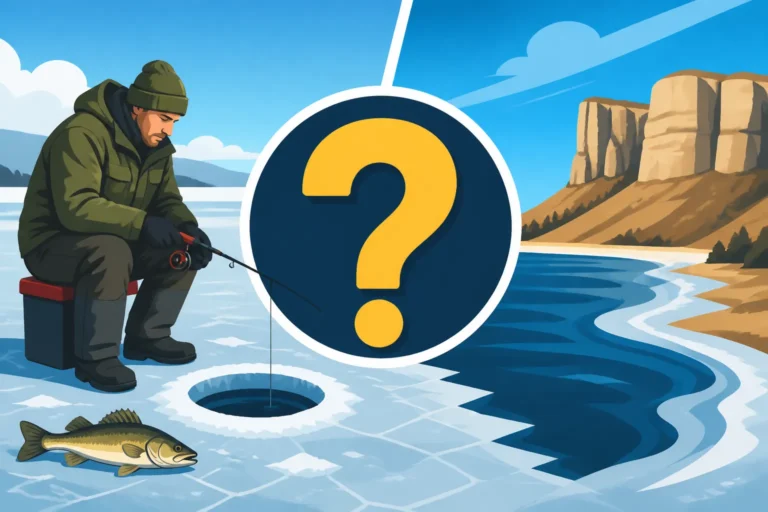
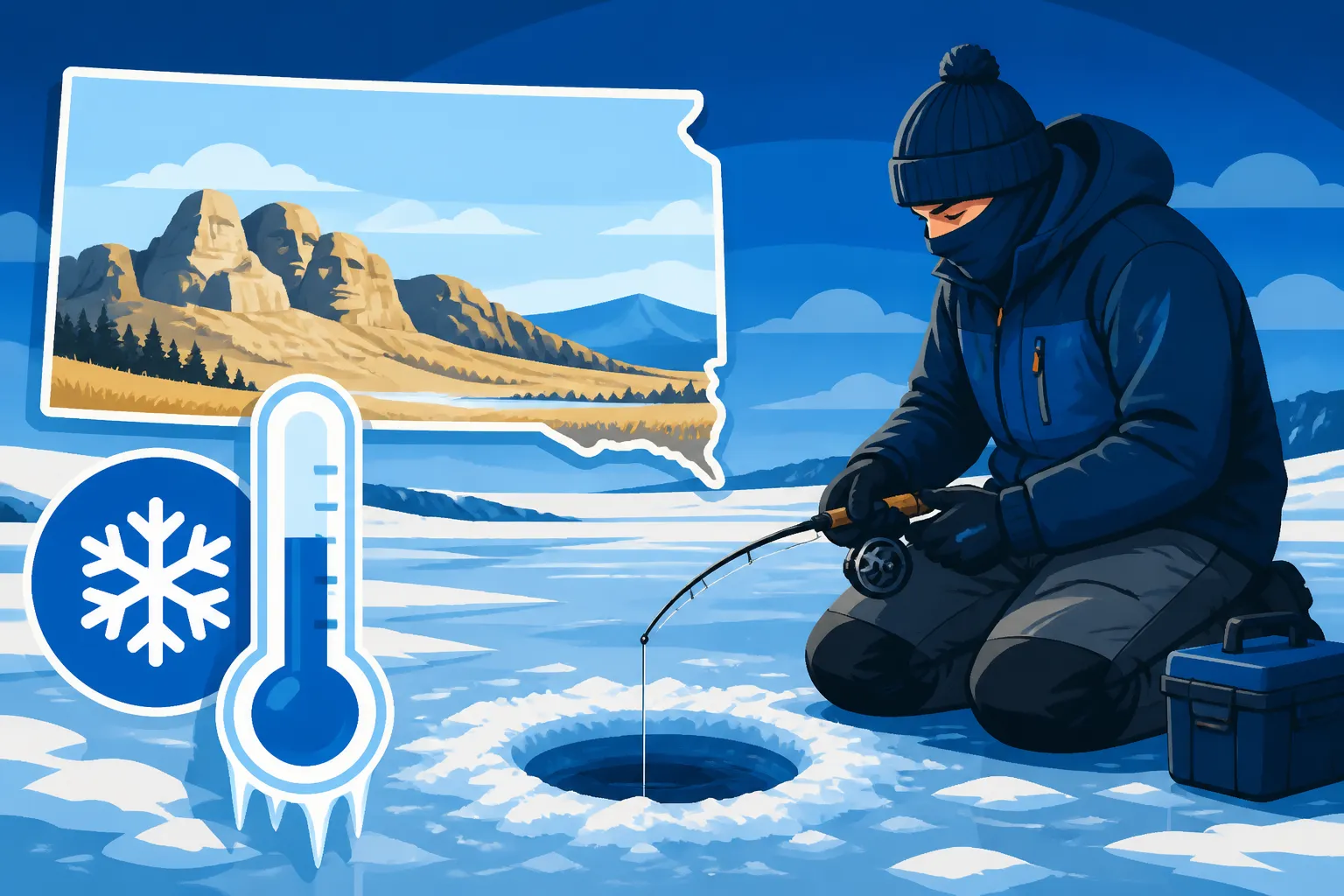
Planning a South Dakota ice fishing trip can be exhilarating, but many anglers underestimate just how truly cold it gets out on the vast, exposed ice. It's not just about what the thermometer says; the unique conditions of the prairie can make even a relatively mild day feel brutally frigid. This guide will walk you through the realistic temperature expectations, the impact of the elements, and most importantly, how to stay warm, safe, and still enjoy the incredible hardwater fishing opportunities South Dakota offers.
Understanding South Dakota's Winter Climate for Ice Anglers
South Dakota's winter climate is a force to be reckoned with, especially for those venturing out onto frozen lakes and reservoirs. It's a blend of continental extremes, meaning we swing from relatively mild days to truly brutal conditions in the blink of an eye. Understanding these temperature realities is the first step in successful and comfortable ice fishing.
Average Temperatures Across the State
When we talk about average temperatures for ice fishing season in South Dakota, we're generally looking at December through February. During these months, daytime highs typically hover in the teens and 20s Fahrenheit, while nighttime lows often dip into the single digits or even below zero. For instance, in January, the coldest month, average highs in places like Watertown or Pierre might only reach the low 20s, with lows around 0°F to -5°F. However, these are just averages. It's not uncommon to see cold snaps push actual temperatures well into the negative double digits, especially during the peak of winter. You might wake up to -20°F and barely see it climb above -10°F all day. The eastern part of the state, home to many of our productive glacial lakes like Lake Poinsett or Lake Kampeska, often experiences slightly colder averages due to its flatter, more exposed terrain. Conversely, while still cold, areas influenced by the Missouri River reservoirs or the Black Hills might see slight variations, but no less challenging conditions.
The Brutal Reality of Wind Chill
Here's where the real "cold" comes into play: wind chill. South Dakota is known for its wide-open spaces, and with open spaces come relentless winds. Even on a day when the air temperature might be a seemingly manageable 15°F, a 15-20 mph wind can make it feel like -5°F to -10°F. This isn't just a comfort issue; wind chill dramatically increases the risk of frostbite and hypothermia. Your exposed skin, like your face and hands, loses heat much faster, turning a brisk day into a dangerous one if you're not properly prepared. The prairie winds on large bodies of water like Lake Oahe or Lake Sharpe can be particularly unforgiving, seemingly cutting right through inadequate clothing. Many an angler has learned the hard way that a calm, cold day is vastly different from a windy, cold day, even if the thermometer reads the same.
Daily Fluctuations and Unexpected Warm-Ups
Another characteristic of South Dakota winters is the wild swing in daily temperatures. You might have a morning where it's -10°F, only for the sun to come out and push it up to 20°F by afternoon. Conversely, a seemingly mild morning can quickly turn frigid if a cold front pushes through or the wind picks up. While less common during peak ice fishing season, a phenomenon known as Chinook winds can occasionally bring a rapid, dramatic warming trend to the western part of the state, especially around the Black Hills. These warm-ups, while providing a temporary reprieve from the cold, can also quickly destabilize ice conditions, creating dangerous scenarios for unsuspecting anglers. Always check the forecast not just for the day, but for the hourly changes, and be prepared for anything when you're out on the ice.
The Impact of Extreme Cold on Your Ice Fishing Experience
The sheer cold isn't just a matter of personal comfort; it profoundly affects every aspect of your ice fishing trip. From how your gear performs to the very behavior of the fish, understanding these impacts is crucial for a successful and safe outing.
Equipment Performance and Challenges
Extreme cold wreaks havoc on fishing equipment. Batteries, especially those powering your fish finders, flashers, or electric augers, lose efficiency rapidly in sub-zero temperatures. You'll find your expensive electronics running out of juice much faster than they would in warmer conditions. Lines can become stiff and brittle, making knot tying a frustrating endeavor and increasing the risk of breakage when you hook into a trophy walleye. Guide eyes on your rod can freeze solid, preventing your line from running smoothly, and even your reel's drag system can become sluggish or lock up completely.
Consider investing in cold-weather specific gear. For instance, choosing an ice auger designed for deep cold, perhaps a robust propane or gas model like those from Eskimo or Jiffy, might be more reliable than an electric one if you're planning on drilling dozens of holes in sustained negative temperatures. However, battery technology has come a long way, and many electric augers now perform admirably, but always have spare, warm batteries. Similarly, carrying a spare battery pack for your electronics and keeping them tucked into an insulated bag or inside your jacket when not in use can significantly extend their life. You might even consider purchasing dedicated cold-weather fishing gloves from Amazon that allow for dexterity while keeping your hands warm, or investing in a quality fish finder designed to withstand the cold.
Personal Comfort and Safety Risks
Let's be blunt: extreme cold is dangerous. The risks of frostbite and hypothermia are very real, particularly when exposed to wind chill for extended periods. Frostbite can occur quickly on exposed skin like ears, nose, fingers, and toes, sometimes without you even realizing it until it's too late. Hypothermia, a drop in core body temperature, can impair judgment, coordination, and ultimately become life-threatening. The tell-tale signs often include shivering, confusion, slurred speech, and clumsiness.
This isn't a situation to tough out. Proper layering, high-quality insulated outer wear, and keeping an eye on yourself and your fishing buddies are non-negotiable. Your hands and feet are particularly vulnerable. Think about how many times you handle wet fish or bait; waterproof, insulated gloves are paramount. For footwear, a good pair of insulated boots, rated for well below zero, is a must-have. Don't skimp on these items. Take frequent breaks inside your ice shelter, or head back to the truck to warm up if you start feeling too cold. Remember, no fish is worth risking your health for.
Fish Behavior in Frigid Conditions
Even the fish feel the cold, albeit differently than we do. As water temperatures drop and ice forms, fish metabolism slows down significantly. They don't need to feed as often or as aggressively, which can lead to a more subtle bite. Walleye, for example, might become more lethargic and less inclined to chase fast-moving baits. However, this doesn't mean they stop feeding entirely. Often, they'll congregate in specific areas, like deeper water structures, points, or near breaks, where water temperatures are more stable.
Patience becomes an even greater virtue in these conditions. Slow, subtle jigging presentations, often with small baits or spoons tipped with a minnow head or wax worm, tend to be more effective. While bites may be fewer, the fish you do hook can often be larger, as the bigger, more mature fish are better equipped to conserve energy and survive the harsh winter. Understanding how Winter Walleye Fishing Techniques change with the temperature can significantly improve your success rate. Don't be afraid to experiment with different depths and jigging cadences; sometimes a slight pause or a barely perceptible lift is all it takes to trigger a strike.
Strategies for Staying Warm and Safe on South Dakota Ice
Successfully battling the cold while ice fishing in South Dakota requires a proactive approach to staying warm and prioritizing safety above all else. It's about more than just throwing on a heavy coat; it's a system of preparation.
The Art of Layering and Essential Outerwear
Layering is truly an art form when it comes to South Dakota ice fishing. Forget bulky sweaters; the key is multiple thinner layers that trap warm air and allow you to adjust to changing conditions. Start with a moisture-wicking base layer made of merino wool or synthetic materials, which pulls sweat away from your body to keep you dry. Cotton is a definite no-go here, as it retains moisture and will make you feel colder. Next, add a mid-layer for insulation – fleece or more wool works great. For your outer layer, you need something that is both windproof and waterproof, like a good quality ice fishing suit. Brands like Eskimo or Striker Ice offer suits specifically designed for these extreme conditions, often with built-in flotation for added safety.
Don't forget the extremities! Your head, hands, and feet lose heat quickly. A warm hat that covers your ears is essential. For your hands, a combination of thin, dexterous gloves for handling tackle, worn under larger, heavily insulated mittens or gauntlets, works wonders. Many anglers swear by fingerless gloves with a flip-back mitten cover. As for feet, quality insulated boots are non-negotiable. Look for boots rated for -40°F or colder, and pair them with thick wool or synthetic socks. You can find excellent options for Best Boots for Ice Fishing on Amazon, including brands like Baffin or Kamik, which are popular among serious ice anglers.
Utilizing Ice Shelters and Portable Heaters
An ice shelter is arguably the most crucial piece of gear for comfort in South Dakota's cold. Whether it's a portable pop-up shanty, a hub-style shelter, or a more permanent shack, having a wind break and a heated space makes all the difference. Portable shelters are great for mobility and allow you to chase the bite, while larger hub shelters offer more space for a group. These shelters drastically cut down on wind chill and allow you to warm up your hands and feet periodically. Many are insulated, further improving their efficiency.
To make these shelters truly comfortable, a portable propane heater is indispensable. The Mr. Heater Buddy series is a popular choice for its reliability and portability. When using a heater inside any enclosed space, proper ventilation is absolutely critical to prevent carbon monoxide poisoning. Always ensure you have a vent or a window cracked open, and consider bringing a battery-operated carbon monoxide detector for peace of mind. Check out our guide on Best Portable Heater for an Ice Shanty for more detailed recommendations and safety tips.
Nutrition, Hydration, and Common Sense Practices
Staying warm isn't just about what you wear; it's also about what you consume and how you conduct yourself. Your body burns more calories to maintain its core temperature in the cold, so pack plenty of high-energy snacks like nuts, protein bars, or sandwiches. Warm drinks like coffee, hot chocolate, or soup in a thermos can provide both warmth and hydration. It's easy to forget to drink water in the cold, but dehydration can set in just as quickly as in warm weather and impairs your body's ability to regulate temperature.
Always fish with a buddy, or at least let someone know where you're going and when you expect to return. This is especially true when venturing onto new ice or in extreme conditions. Recognize the signs of cold exposure in yourself and others, and don't hesitate to pack up early if conditions become too harsh or you feel unwell. No fish is worth risking your life for. Additionally, make sure to take regular breaks, whether it's stepping into the shelter for a warm-up or moving around to keep your blood flowing.
Preparing Your Gear for South Dakota's Deep Freeze
Beyond your personal warmth, preparing your fishing gear specifically for the harsh South Dakota winter is paramount. The cold impacts everything, and a little foresight can prevent a lot of frustration on the ice.
Augers, Electronics, and Power Sources
Your ice auger is your gateway to fishing, and it needs to be reliable. Gas-powered augers generally start better in extreme cold, but electric augers are quieter and cleaner. If using an electric auger, keep spare batteries warm inside your jacket or a portable cooler with hand warmers. This ensures they have maximum power when you need them. Regularly check the blades on your auger; a dull blade will make drilling exponentially harder in thick ice. For Best Ice Augers for South Dakota Ice Fishing, look for reputable brands like Strikemaster, Eskimo, or Ion.
Electronics, such as your fish finder or flasher, are sensitive to cold. Their screens can become sluggish, and batteries drain quickly. Keep your unit in an insulated case, and if it's not being actively used, tuck it away in a warm spot. Many anglers use small, rechargeable power stations or portable battery packs to extend the life of their electronics throughout the day. A simple trick is to keep spare batteries in an inner pocket close to your body heat.
Rods, Reels, and Line Selection for Winter
Your rods and reels need attention too. Choose ice fishing rods with sensitive tips that can detect subtle bites, but also with enough backbone to handle a larger walleye or pike. Avoid rods with too many small guides, as these are prone to freezing over. Some rods, like those from St. Croix or Fenwick, are designed with larger guides to prevent ice buildup. For reels, a good quality spinning reel with smooth drag, lubricated with cold-weather grease, is ideal. Micro-sized reels can sometimes struggle with ice formation, so a slightly larger model might be beneficial. Find more recommendations in our guide on Best Ice Fishing Rods and Reels.
Line choice is critical. Monofilament can suffer from memory and become stiff in the cold, making it prone to tangles. Fluorocarbon offers low stretch and is nearly invisible, making it a good choice for leaders. Braided line provides excellent sensitivity and minimal stretch, but it can absorb water and freeze up in the guides. To combat this, some anglers treat braided line with a silicone spray or use a monofilament leader. The key is to check your line frequently for ice buildup and re-tie knots if the line appears worn or brittle.
Ice Safety Beyond Temperature Readings
While knowing How Cold It Gets Ice Fishing in South Dakota is essential for personal preparation, ice safety extends beyond just air temperature. The stability of the ice is paramount, and temperature is only one factor influencing it. Always remember that "no ice is 100% safe." Factors like currents, springs, pressure ridges, and recent snowfalls can drastically affect ice thickness and integrity, even on the coldest days. The Missouri River reservoirs, such as Lake Sharpe or Lake Francis Case, often have varying ice conditions due to fluctuating water levels and currents near dams.
Before heading out, consult local bait shops for current ice conditions and always follow the recommendations for How Thick Ice Should Be Before Fishing in South Dakota. As a general rule, 4 inches of clear, new ice is considered safe for walking, but significantly more is needed for snowmobiles or vehicles. Always carry ice picks around your neck, a spud bar to test ice ahead of you, and throw rope in case of emergency. Fishing with a partner who also carries safety gear amplifies the safety factor. Pay close attention to changes in ice color (darker ice is often thinner) and sounds (cracks and groans are normal, but constant loud booms can indicate shifting ice).
| Month | Average High (°F) | Average Low (°F) | Record Low (°F) (General State) | Typical Ice Thickness Potential |
|---|---|---|---|---|
| December | 20s-30s | 0s-10s | -40 to -50 | 4-12 inches (early season) |
| January | 10s-20s | -10s-0s | -40 to -50 | 12-24+ inches (peak season) |
| February | 20s-30s | 0s-10s | -40 to -50 | 12-24+ inches (peak season) |
| March (early) | 30s-40s | 10s-20s | -30 to -40 | Varies, rapidly thinning |
Note: These are general averages and record lows for South Dakota. Actual conditions can vary significantly by region and year. Always check local forecasts and ice reports before venturing out.
Disclaimer
Fishing inherently involves risks. Ice fishing, especially in extreme cold, carries additional dangers including but not limited to hypothermia, frostbite, and falling through ice. Always exercise extreme caution, prioritize safety, and follow all local regulations and guidelines from the South Dakota Game, Fish and Parks. This guide is for informational purposes only and does not substitute for professional advice or personal responsibility.