Best Boots for Ice Fishing
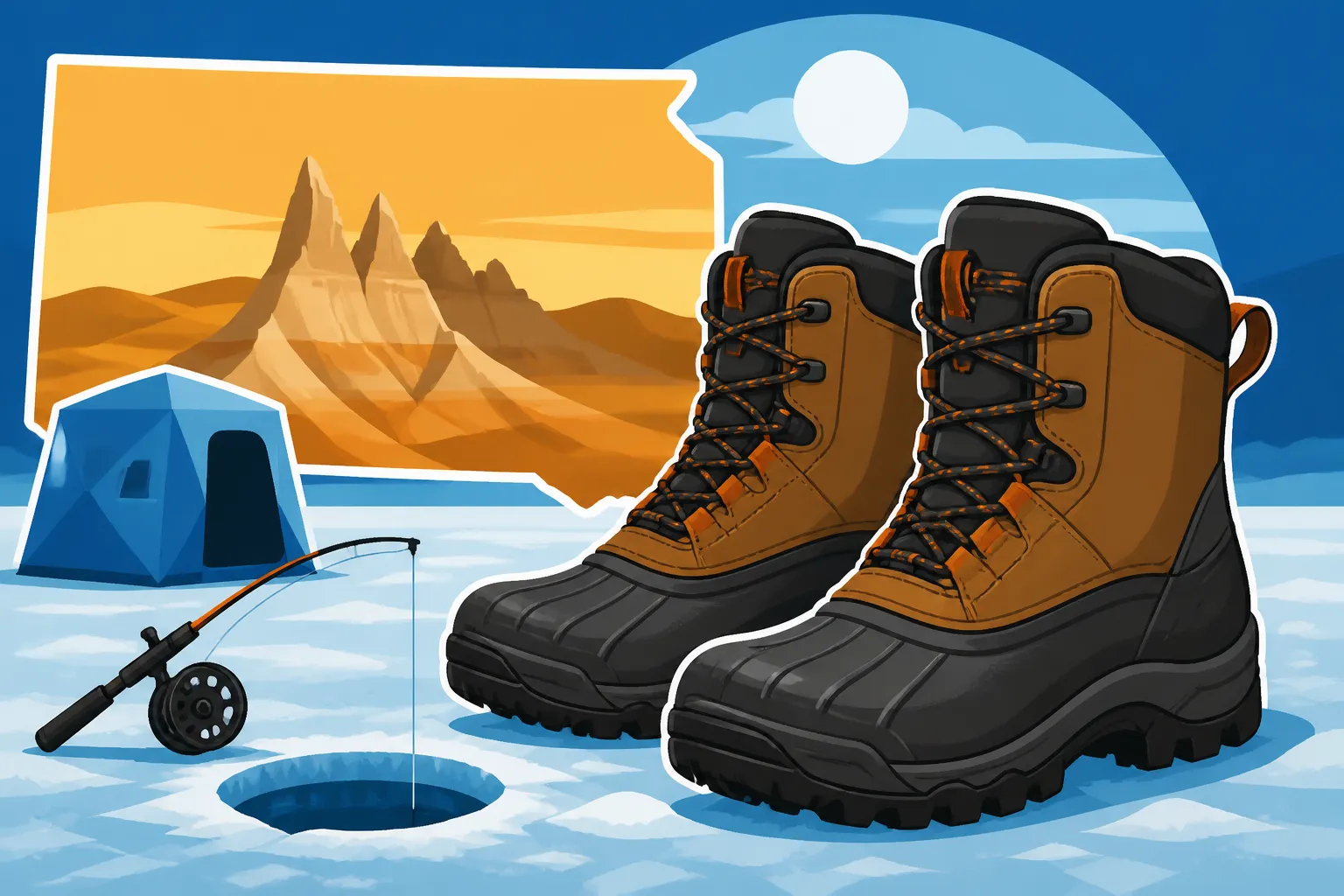
There’s nothing quite like the crisp air and serene quiet of a South Dakota winter morning out on the ice, waiting for that tell-tale tap on your line. But let's be real: that magic quickly fades if your feet feel like frozen blocks of ice. If you've ever cut an ice fishing trip short because your toes were aching or numb, you know the frustration. This guide is all about helping you beat the brutal chill from the ground up, ensuring your feet stay warm, dry, and comfortable so you can focus on catching fish, not frostbite.
Why Your Feet Get So Cold on the Ice (and Why it Matters)
It’s not just "cold" out there on the ice; it's a multi-faceted assault on your extremities. Many anglers underestimate just how quickly the cold can penetrate, especially when you're mostly stationary. Understanding why your feet get cold is the first step to truly tackling the problem.
The Relentless South Dakota Cold
South Dakota winters are legendary for a reason. We’re talking about bone-chilling temperatures, often dipping well below zero, especially at night or early in the morning. Add in the infamous South Dakota wind, and that wind chill factor can make 0 degrees feel like -20 in a hurry. When you're sitting or standing on a thick slab of ice, that ice is constantly drawing heat away from your body through conduction. It's an efficient heat sink, and your feet are in direct contact with it, even through a shelter floor. The moisture from melting snow, slush, or even just sweat inside your boot further exacerbates this, as wetness conducts heat away from your body much faster than dry air or material.
Imagine you're out on Lake Oahe in January, the wind whipping off the frozen expanse, and you’re drilling holes. Your feet are directly on that frigid surface. Even if you have a shelter, the floor of it is still just inches from the ice, transferring that cold right up. This constant drain of body heat from your feet is what makes them feel like ice cubes, regardless of how many layers you have on your upper body. It's a battle against the elements, and your footwear is your primary defense on the front lines.
The Dangers of Frostbite and Hypothermia
While we all joke about numb toes, the reality of inadequate footwear on the ice can be quite serious. Frostbite is a real risk, occurring when body tissues freeze. It typically affects extremities first – fingers, toes, ears, nose. Symptoms can range from numbness and redness in mild cases to waxy, hard skin and even blistering in more severe instances. If not treated quickly and properly, severe frostbite can lead to permanent tissue damage, infection, and in the worst cases, amputation.
Beyond frostbite, consistently cold feet contribute significantly to overall hypothermia, which is when your body loses heat faster than it can produce it, leading to a dangerously low body temperature. Even mild hypothermia can impair your judgment, coordination, and ability to react to emergencies, turning a fun fishing trip into a dangerous situation. Think about it: if your feet are freezing, your body is working overtime to try and keep them warm, diverting energy and blood flow from other areas. This reduces your core temperature and makes you more susceptible to the full spectrum of cold-weather hazards. Prioritizing proper boots isn't just about comfort; it's about safety. South Dakota Ice Fishing Guide provides more insights into staying safe on the ice.
The Impact on Your Fishing Experience
Let's face it: cold feet just plain ruin a good day of fishing. Instead of focusing on your bobber or the subtle twitch of your rod tip, you're constantly shifting, wiggling your toes, or stomping your feet trying to get some circulation back. That distraction can mean missing bites, losing focus, and generally making the experience miserable. How many times have you packed up early, cursing the cold, even when the fish were starting to bite, simply because your feet couldn't take it anymore?
A common scenario is feeling that initial chill, then the creeping numbness, and finally, the aching pain. When your feet are freezing, your entire body feels colder, and your patience wears thin. It takes away from the joy of the sport, replacing it with discomfort and a desire to be somewhere warm. Properly insulated, waterproof boots allow you to truly immerse yourself in the experience, stay out longer, and ultimately, catch more fish because you're not constantly battling the cold. Essential Gear Checklist for a South Dakota Ice Fishing Trip emphasizes how crucial proper gear is for endurance.
Key Features to Look for in Ice Fishing Boots
Choosing the right ice fishing boots isn't about finding the "biggest" or "thickest" pair; it's about understanding the key features that combine to keep your feet warm and dry in the specific conditions you'll face on a South Dakota lake.
Insulation: The Heart of a Warm Boot
When we talk about keeping your feet warm, insulation is king. It's the material inside the boot that traps air, creating a barrier against the cold. The most common types of insulation you'll encounter are Thinsulate, felt liners, and various proprietary synthetic blends.
- Thinsulate Insulation: Often measured in grams (e.g., 400g, 800g, 1200g, 2000g), this synthetic material provides excellent warmth without excessive bulk. The higher the gram count, the more insulation and, generally, the warmer the boot is rated for. For serious South Dakota ice fishing, especially if you're stationary for long periods or fishing in extreme sub-zero temperatures, looking for boots with 1200g to 2000g of Thinsulate is a wise choice. This level of insulation creates a substantial barrier against the cold emanating from the ice.
- Felt Liners: Many traditional "pac boots" use thick, removable felt liners. These are incredibly warm and have the added benefit of being easily removable. This means you can pull them out at the end of the day to dry them thoroughly, which is critical for preventing moisture buildup and keeping your feet warm the next time you hit the ice. Dry felt is warm felt!
- Proprietary Blends: Many brands use their own unique synthetic insulation materials. Always check the temperature rating provided by the manufacturer, but remember these are often "comfort ratings" and can vary based on your activity level, individual metabolism, and the overall conditions.
Think about it like this: your house needs good insulation to stay warm in winter. Your feet are no different. Without enough insulation, that biting cold from the ice will win every time.
Waterproofing and Breathability
It might seem obvious, but completely waterproof boots are non-negotiable for ice fishing. Slush, melted snow around your auger hole, or even accidental spills of water from your minnow bucket will quickly soak into non-waterproof materials, leading to instantly freezing feet. Look for boots constructed with fully waterproof materials like rubber, PVC, or durable synthetic uppers with waterproof membranes (such as Gore-Tex or similar technologies).
However, just being waterproof isn't enough; breathability is also crucial. Our feet sweat, even in cold weather, especially if you're walking across the lake or drilling a lot of holes. If that sweat can't escape, it condenses inside your boot, making your socks damp and your feet cold. A breathable waterproof membrane allows moisture vapor from your sweat to escape while preventing external water from getting in. Without this, you're essentially wearing a plastic bag on your foot, and moisture will build up, leading to cold, clammy feet even if no external water gets in. Ice Fishing Gear Basics for Beginners highlights the importance of staying dry.
Traction and Stability on Slippery Surfaces
The ice isn't always smooth; it can be slick, uneven, covered in a thin layer of slush, or dotted with slippery patches of snow. Good traction is essential for safety, preventing slips and falls that can lead to injury or a nasty dunking. Look for boots with aggressive, deep lug patterns on the outsole, made from a cold-weather rubber compound that remains flexible in low temperatures. This flexibility allows the sole to grip better.
Some boots even have features designed specifically for ice, like small, embedded abrasive particles. While no boot is completely slip-proof on glare ice, a well-designed sole will significantly improve your stability. Many anglers also pair their boots with strap-on ice cleats or traction devices for added grip, especially when navigating large, open expanses of slick ice. Consider the terrain you typically fish – are you usually in a heated shelter, or do you traverse rough ice to get to your spot? Your answer will influence how much you prioritize extreme traction.
Fit, Comfort, and Support
You'll be wearing these boots for hours, often standing or walking over uneven terrain. Comfort is key.
- Sizing: Don't buy boots that are too tight. You need enough room for thick, insulating socks (sometimes two pairs!) and space for your toes to wiggle, which promotes circulation. A common mistake is buying boots in your regular shoe size, then finding them too snug with proper ice fishing socks. Consider going up at least a half-size, if not a full size, to accommodate.
- Arch Support: While not as critical as in hiking boots, some arch support can help prevent foot fatigue over a long day. If you have specific foot issues, you might look for boots with removable insoles that can be replaced with custom orthotics.
- Boot Height: Most ice fishing boots come up past the ankle, often to mid-calf or higher. This taller shaft provides additional warmth, protection from deep snow or slush, and better support. It also prevents snow from getting into the top of your boots, which is a quick way to get cold and wet.
- Weight: Keep in mind that heavy, clunky boots can be tiring if you're walking a lot. There's a balance between insulation, durability, and weight. Modern materials have made it possible to have highly insulated boots that aren't overly cumbersome.
The best boot will feel like a comfortable, supportive extension of your leg, not a restrictive, heavy burden.
Types of Ice Fishing Boots: Finding Your Perfect Match
Just like there are different ways to fish, there are different types of ice fishing boots, each with its own strengths. Knowing these can help you narrow down the best option for your South Dakota adventures.
Traditional Rubber/Neoprene Boots
These are often the go-to for many anglers, especially those who prioritize absolute waterproofing and durability. They typically feature a waterproof rubber or neoprene lower section with an insulated upper, sometimes made of nylon or another synthetic.
- Pros: The biggest advantage here is unparalleled waterproofing. You can stand in slush, deep snow, or even shallow water without a worry of moisture seeping through the lower part of the boot. They are generally very robust and can take a lot of abuse, making them a long-lasting investment. The rubber sole often offers good grip on wet surfaces and snow.
- Cons: One common complaint is that they can be less breathable than other options, potentially leading to sweat buildup if you're very active. They can also be heavier and less flexible, which might feel clunky if you're covering a lot of ground. If the insulation is primarily in the lining, and that lining isn't removable, drying them out completely can be a challenge.
- Best Use: These are fantastic for extreme slush conditions, late-season ice, or for anglers who spend a lot of time in a permanent ice house where conditions might get messy. They're also often a more economical choice. Think of them when you're targeting those deep Lake Sharpe walleyes and know you'll be dealing with plenty of water on the ice.
Pac Boots with Removable Liners
Pac boots are the classic heavy-duty winter boot, and they are a perennial favorite for serious ice anglers. They typically consist of a waterproof rubber shell on the bottom, a leather or synthetic upper, and a thick, often removable, felt or synthetic insulated liner.
- Pros: Pac boots are renowned for their warmth. The thick, removable liners are excellent at trapping heat and provide superior insulation, especially when you're relatively stationary. The ability to remove the liners is a huge plus: you can take them out to dry by the fire overnight, ensuring you start each day with a fresh, dry, and supremely warm liner. This is a game-changer for multi-day trips. They also tend to have very robust construction, built to withstand harsh winter conditions.
- Cons: They are often the bulkiest and heaviest type of ice fishing boot, which can make walking long distances a bit of a workout. While waterproof on the bottom, the upper (if leather or fabric) may require waterproofing treatment to maintain its resistance to melting snow or moisture. Their traditional style might not appeal to everyone.
- Best Use: For those long, cold days chasing perch on Bitter Lake or hitting the glacial lakes in the middle of winter, when warmth is your absolute top priority, pac boots are hard to beat. They are ideal for anglers who spend a lot of time sitting in a portable or permanent shelter and need maximum thermal protection. Best Ice Fishing Shelters for South Dakota Winters pairs well with the need for robust footwear.
Modern Insulated Hiking/Snow Boots
These boots bridge the gap between heavy-duty pac boots and more everyday winter footwear. They are typically lighter, more flexible, and often resemble heavy-duty hiking boots. They feature integrated synthetic insulation and a waterproof, breathable membrane.
- Pros: If you're an active ice angler who likes to move from spot to spot, drill many holes, or walk significant distances across the ice, these boots offer excellent comfort and less fatigue due to their lighter weight and more ergonomic design. The integrated waterproof/breathable membranes help manage internal moisture more effectively, keeping your feet drier from sweat. They often have excellent traction for walking on snow and mixed icy conditions due to their advanced sole designs.
- Cons: While highly insulated, they might not offer the same extreme warmth as a dedicated 2000g pac boot if you're sitting perfectly still in truly brutal, sub-zero conditions for hours on end. Because the insulation is integrated, they can be harder to dry out completely if they do get thoroughly soaked from the inside or outside. Their waterproof rating might also be slightly lower than full rubber boots, especially if the water level goes high on the ankle.
- Best Use: These are great for anglers who prioritize mobility and comfort, perhaps on days when the temperature isn't brutally cold but still demands serious protection. If you're doing a lot of searching for those elusive Lake Oahe walleye, constantly moving your setup, these lighter, more agile boots could be your perfect companion. You'll find a vast selection of these types of boots from various brands when browsing online on platforms like Amazon or in stores like Bass Pro Shops.
Here's a quick comparison of the boot types to help you decide:
| Feature | Traditional Rubber/Neoprene Boots | Pac Boots with Removable Liners | Modern Insulated Hiking/Snow Boots |
|---|---|---|---|
| Waterproofing | Excellent (often fully rubberized lower) | Good (rubber shell, upper may need treatment) | Very Good (waterproof membrane) |
| Insulation | Good to Very Good (synthetic lining) | Excellent (thick felt/synthetic liner) | Very Good (integrated synthetic insulation) |
| Breathability | Moderate (can cause sweat buildup) | Moderate (liners can be dried) | Good (breathable waterproof membranes) |
| Warmth (Extreme Cold) | Good (sufficient for most SD days) | Excellent (best for prolonged stillness) | Very Good (great for active anglers) |
| Comfort/Weight | Moderate (can be heavy/clunky) | Lower (bulkiest/heaviest) | High (lighter, more flexible, agile) |
| Drying Time | Long (if internal moisture) | Fast (liners remove for drying) | Moderate (integrated insulation) |
| Best Use | Slushy conditions, permanent houses, budget | Extreme cold, stationary fishing, multi-day | Active fishing, mobile anglers, mixed conditions |
Caring for Your Ice Fishing Boots (and Your Feet!)
Even the best ice fishing boots need a little love to perform their best and last for many South Dakota winters. Proper care of your boots – and your feet – will make a world of difference in your comfort on the ice.
Proper Drying and Storage
The enemy of warm feet is moisture, and that includes moisture that builds up inside your boots from sweat, even if the boots are completely waterproof. After every outing, especially those long days on Lake Francis Case, make sure you take the time to properly dry your boots.
- Remove Liners: If your boots have removable liners (like many pac boots), take them out immediately. Prop them up so air can circulate all around them. You can place them near a heat source like a wood stove, a boot dryer, or even just in a warm room with good airflow. Never place them directly on a high heat source, as this can damage the insulation or melt the rubber.
- Dry the Shell: For boots with integrated insulation, make sure to loosen them up and allow air to circulate inside. You can use a boot dryer designed for this purpose. If you don't have one, stuffing newspaper inside can help absorb moisture.
- Clean and Inspect: Wipe down the outside of your boots to remove any mud, slush, or fish slime. Inspect them for any small cracks or tears that could compromise their waterproofing. Addressing small issues early can prevent bigger problems later.
- Storage: Store your boots in a cool, dry place away from direct sunlight. Avoid damp basements where mold and mildew can grow. Proper storage ensures the materials last longer and prevents unpleasant odors. Neglecting to dry your boots properly after a trip can lead to seriously cold feet the next time out, as damp insulation loses much of its effectiveness.
The Importance of Layering Socks
Your socks are the unsung heroes of foot warmth, and choosing the right ones can amplify the performance of even the best boots. This isn't the time for cotton socks – cotton absorbs moisture and holds it against your skin, rapidly chilling your feet.
- Moisture-Wicking Base Layer: Start with a thin pair of moisture-wicking socks, preferably made of merino wool or a synthetic blend. This layer will pull sweat away from your skin, keeping your feet dry.
- Insulating Outer Layer: Over your base layer, wear a thicker, insulating pair of wool or heavy synthetic socks. This layer traps air, providing extra warmth. Ensure this layer isn't so thick that it makes your boots too tight, which can restrict circulation and actually make your feet colder.
- Avoid Over-Layering: While layering is good, too many layers can be detrimental. If your socks are packed too tightly, they compress the insulation and restrict blood flow, both of which reduce warmth. You want enough room for your toes to wiggle freely. Many experienced South Dakota anglers swear by a good quality merino wool sock system for ultimate comfort. How Cold It Gets Ice Fishing in South Dakota article highlights that every layer counts, including socks.
When to Consider Upgrading Your Boots
Your trusty boots won't last forever, and knowing when to replace them can save you a lot of discomfort and potential danger.
- Loss of Warmth: The most obvious sign is if your feet are consistently colder than they used to be, even with proper socks. Insulation can compress and degrade over time, losing its ability to trap air efficiently.
- Water Leakage: If you start noticing dampness or puddles inside your boots, it’s a clear sign their waterproofing has failed. Small cracks in rubber, delaminated membranes, or worn seams are common culprits. Even a tiny leak can lead to quickly chilled feet.
- Worn-Out Soles: If the tread on your soles is significantly worn down, you're losing critical traction, making slips and falls more likely.
- General Deterioration: Rips, tears, or cracking in the upper materials can also indicate it's time for an upgrade. A boot that's falling apart won't provide the protection you need. Don't wait until you're shivering on the ice of Lake Kampeska to realize your boots are past their prime.
Where to Find Your Next Pair
When you’re ready to invest in a new pair of ice fishing boots, you have a few great options to explore. Checking out local sporting goods stores or dedicated outdoor retailers like Bass Pro Shops can be really helpful. This way, you can actually try on different brands and styles, get a feel for the fit, and see how they accommodate your preferred fishing socks. Trying them on in person helps ensure you get the right size and comfort level, which is critical for long days on the ice.
Alternatively, for a vast selection and competitive pricing, online marketplaces like Amazon offer an incredible range of choices. You can read countless reviews from other ice anglers, compare features side-by-side, and often find excellent deals. Just be sure to pay close attention to sizing charts and consider ordering a couple of sizes to try on at home, given the importance of a proper fit with your thick fishing socks. No matter where you shop, prioritize quality materials and a reputation for warmth and durability, because a good pair of boots is one of the best investments you'll make for enjoyable and safe South Dakota ice fishing trips.
Disclaimer
This article is for general informational purposes only and does not constitute professional advice. Laws, prices and regulations vary by location and change over time. Consult a qualified professional for guidance on your specific situation.