Best Rod Holder for Bank Fishing
There’s nothing quite like the peace and simplicity of bank fishing in South Dakota. You scout out a prime spot on Lake Oahe, maybe a quiet cove on Lake Sharpe, or a picturesque bend in the James River. You cast your line, breathe in the fresh air, and just soak it all in. But then, the reality hits: you’ve got two, maybe three rods out, trying to keep track of bites, prevent tangles, and stop that one rod from tumbling into the water every time a gust of wind comes through. It's a frustrating dance, isn't it? This guide is here to help you ditch the juggling act and find the perfect rod holder to make your South Dakota bank fishing experience more relaxing and successful.
Why a Good Rod Holder is a Game Changer for Bank Anglers
Let's be honest, bank fishing often conjures images of tranquil solitude, but the reality can sometimes be a bit more chaotic, especially if you're trying to manage multiple lines or have children fishing with you. A quality rod holder isn't just a luxury; it's a fundamental piece of gear that can dramatically improve your time on the water, transforming those chaotic moments into genuinely peaceful ones.
The Frustration of Multi-Rod Mayhem
If you've ever found yourself trying to balance a rod between your knees while baiting another hook, or sprinting to grab a rod that's decided to take an unexpected swim after a strong bite, you know the struggle. Fishing multiple rods from shore, whether you're targeting walleye with a bottom rig and a slip bobber, or simply trying different baits for catfish and crappie, can quickly devolve into a tangled mess. One rod falls, tangling with the next, and suddenly you're spending more time untangling monofilament than actually fishing. This scenario is particularly common on the wider, more exposed shorelines of our larger reservoirs like Lake Francis Case Fishing Guide or when the wind picks up across the South Dakota Glacial Lakes Fishing Guide. The wind can be relentless out here, turning a perfectly placed rod into a windsock and an invitation for disaster. Imagine a gentle breeze turning into a stiff South Dakota prairie wind; without a secure holder, your prized rod and reel could be skidding across rocks or, even worse, taking a dive into the murky depths. It’s not just about losing gear; it’s about the constant anxiety that detracts from the whole point of being out there – to relax and enjoy the angling experience.
Keeping Your Gear Safe and Sound
Beyond preventing tangles and accidental swims, a good rod holder is a critical investment in protecting your valuable fishing equipment. Our rods and reels aren't cheap, and exposing them directly to the elements or rough terrain can lead to premature wear and tear, or even outright damage. Setting your rod directly on the ground can expose it to dirt, mud, and sand, which can wreak havoc on reels, getting into the gears and compromising their smooth operation. Think about those damp, dewy mornings by the water or the dusty, windy afternoons on the banks of the Missouri River; these conditions are tough on gear. A rod holder lifts your rod off the ground, keeping your reel clean and dry. It also prevents nicks, scratches, or even cracks to your rod blanks that can occur from laying them on rocks, concrete, or sharp debris along the shoreline. Furthermore, it keeps your rod tip elevated, reducing the chance of accidental snags on overgrown vegetation behind you or errant footsteps from fellow anglers or curious wildlife. The peace of mind that comes from knowing your equipment is secure and protected allows you to focus on the fishing, not on constantly monitoring your gear.
Types of Rod Holders for South Dakota Bank Fishing
When you're choosing a rod holder for bank fishing, you'll quickly discover that there isn't a one-size-fits-all solution. The best choice really depends on where you plan to fish and what kind of terrain you’ll encounter. South Dakota offers such a variety of fishing spots, from sandy beaches to rocky riprap, and each calls for a different approach. Understanding the pros and cons of each type will help you make an informed decision and enhance your shore fishing adventures.
The Classic Spike Rod Holder
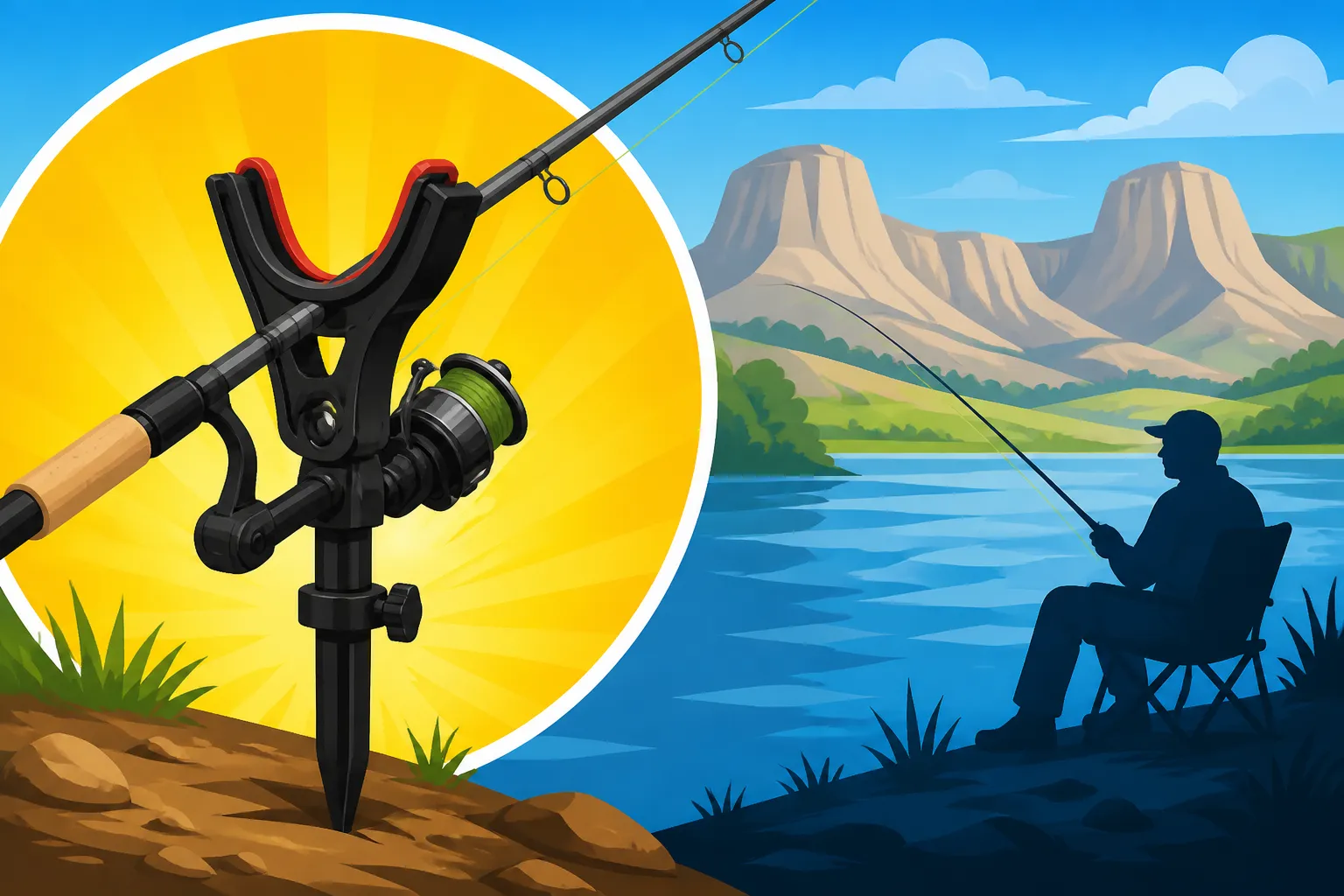
This is probably what most people picture when they think of a bank fishing rod holder. It’s essentially a sturdy stake, often made of metal or heavy-duty plastic, that you drive or push into the ground. At the top, it has a cradle or tube designed to hold your rod. They come in various lengths and thicknesses, with some offering a simple, straight spike and others featuring a footrest or T-bar to help you get it firmly into the earth.
- Description and Use: Spike rod holders are incredibly straightforward. You find your spot, push or kick the spike into the soil until it’s secure, and then drop your rod into the holder. They're designed for single rods and are excellent for setting up individual stations along a stretch of shoreline. Many anglers will carry several of these if they plan to run multiple lines.
- Pros: Their biggest advantages are portability and affordability. They’re usually lightweight, easy to pack, and won't break the bank. They're also simple to use, requiring minimal setup. When fishing on the sandy shores of Lewis and Clark Lake Fishing Guide or the softer, grassy banks of some of the Glacial Lakes, these can be absolutely perfect.
- Cons: The major drawback is their dependence on the ground type. If you're fishing a rocky point on the Missouri River or a concrete pier, a spike holder is utterly useless. Even in moderately firm ground, a flimsy plastic model can bend or break, and if the ground is too soft, a strong fish strike can pull the whole thing out. They also typically offer limited adjustability in terms of angle or height, so your rod's position is fixed once the spike is in.
- Scenarios: Imagine a calm evening targeting channel catfish along a slow-moving section of the James River where the banks are mostly dirt and grass. A few spike holders strategically placed could hold your lines out, allowing you to relax in a camp chair. They're also great for those open, easily accessible shorelines on lakes like Lake Vermillion, where the ground is soft enough to push them in easily.
Tripod and Quadpod Rod Stands
When the ground isn't cooperating, or you need to manage more rods, free-standing rod stands become your best friend. These typically feature two, three, or even four legs that splay out for stability, with a central shaft that supports one or more rod holders. They can vary from compact, lightweight models for a single rod to robust, multi-rod "surf stands" designed for serious beach or pier fishing.
- Description and Use: Tripod and quadpod stands are designed to be self-supporting, meaning they don't need to be driven into the ground. They often have adjustable legs to handle uneven terrain and adjustable rod rest angles. Some models even feature a horizontal bar with multiple rod holders, allowing you to space out several rods. You simply unfold them, adjust the legs for stability, and insert your rods.
- Pros: Their versatility is unmatched. They work on virtually any surface—rocky shorelines, concrete dams, wooden docks, even inside a boat if you wanted. Many models are designed to hold multiple rods, making them ideal for bait fishing where you're waiting for a bite on several lines. The adjustability of height and angle is a huge benefit, allowing you to perfectly position your rod for optimal bite detection or to keep your line clear of obstacles.
- Cons: The main downsides are their bulk and cost. They are generally larger and heavier than spike holders, making them less convenient for long hikes to remote spots. They also tend to be more expensive, especially the sturdy, multi-rod models. While stable, if not properly set up or weighted, a strong tug from a large fish or a clumsy step could still potentially tip them over, especially on very uneven ground.
- Scenarios: These stands are invaluable when fishing from the concrete walls below the Oahe Dam, off a rocky point on Lake Sharpe Smallmouth Bass Fishing Near West Bend, or from a public fishing pier in one of South Dakota's state parks. If you're targeting walleye with multiple rigs from a rocky outcrop, a quadpod stand offers the stability and capacity you need. Many anglers will seek out these options at stores like Bass Pro Shops or explore the wide range available on Amazon.
Clamp-On and Rail-Mount Holders
These specialized rod holders are fantastic for specific situations where you have a sturdy structure to attach them to. Instead of relying on the ground, they use a clamping mechanism or bolts to secure themselves to a dock, pier railing, boat seat, or even the frame of a fishing cart or chair.
- Description and Use: Clamp-on holders typically feature a C-clamp or similar adjustable jaws that tighten onto a flat or tubular surface. Rail-mount holders are designed to attach to boat rails, often using bolts or heavy-duty straps. Once attached, they provide a very secure hold for your rod. They are usually made of robust plastic or metal and often include a swivel or adjustable angle feature.
- Pros: Stability is their hallmark. When properly clamped, these holders are incredibly secure, making it virtually impossible for your rod to be pulled in or fall over. They are also ideal for situations where ground access is impossible or restricted, such as fishing from boat docks, bridge abutments, or urban fishing piers. They keep your rod elevated and out of the way, preventing accidental damage.
- Cons: The obvious limitation is their dependence on a suitable structure. If you're fishing a natural, undeveloped bank without any artificial structures, these holders are useless. They are not a true "bank fishing" solution for open terrain but are indispensable for specific types of shore access. Transport can also be a minor issue if they are bulky or require tools to attach and remove frequently.
- Scenarios: Think about fishing for crappie or perch from a wooden dock at a campground on Lake Herman, or targeting catfish from the concrete railing of a bridge over a creek. These holders are perfect for those situations, offering unwavering support. If you spend a lot of time fishing these kinds of spots, looking at the range of clamp-on options on Amazon could provide several useful choices.
Bucket-Based or Specialty Holders
While less common as a primary option, some anglers get creative with their rod holding solutions, especially for longer sessions or when they need multi-purpose gear. These can include anything from specialized bucket lids with integrated rod tubes to DIY setups.
- Description and Use: A popular example is a five-gallon bucket with a purpose-built lid that has several rod holders molded into it. You fill the bucket with water, sand, or rocks for ballast, creating a very stable, free-standing multi-rod station. Other specialty holders might include collapsible fishing carts with rod holders, or custom-fabricated solutions for unique needs.
- Pros: These can be very stable, especially the weighted bucket designs, which are difficult to tip over. The bucket itself serves a dual purpose, acting as a seat, a bait holder, a place to put your catch, or a convenient spot to store tackle. They offer a highly customizable approach to your bank fishing setup.
- Cons: They tend to be bulky and less portable than other options, especially if you're filling a bucket with ballast. They might not be the most aesthetically pleasing option, and some DIY solutions may lack the durability of commercially manufactured products. Carrying a heavy, filled bucket to your fishing spot might not be ideal for every angler.
- Scenarios: Perfect for a full day of bait fishing on a relatively stable shoreline where you plan to set up a small base camp. If you’re targeting carp or larger catfish and want multiple lines out, a weighted bucket system provides robust support. It’s also a good option for family fishing trips to South Dakota State Park Fishing Ponds where you might have younger anglers needing stable, easily accessible rod rests.
Key Features to Consider When Choosing Your Rod Holder
Once you have a sense of the different types of rod holders available, it’s time to drill down into the specifics. Not all rod holders are created equal, and paying attention to certain features will ensure you pick one that truly suits your fishing style and the challenging, yet rewarding, environments we find in South Dakota. This is where the details make all the difference in functionality and longevity.
Material and Durability
The material your rod holder is made from directly impacts its lifespan and how well it will stand up to the elements and the rigors of fishing. You're going to want something tough, especially with the varied weather conditions here in South Dakota, from scorching summer sun to freezing winter winds, and the ever-present moisture near the water.
-
Common Materials:
- Stainless Steel: The gold standard for corrosion resistance and strength. If you’re fishing near saltwater (though not a concern in landlocked South Dakota, high-quality steel is always good), or just want something that will last a lifetime, stainless steel is excellent. It’s heavy and often more expensive, but virtually indestructible.
- Aluminum: A great balance of strength, lightweight portability, and decent corrosion resistance. Many quality tripod and quadpod stands are made from aluminum tubing. It won't rust, but can oxidize over time, forming a dull grey film.
- Heavy-Duty Plastic (Nylon, ABS, Polycarbonate): Modern plastics are incredibly robust and lightweight, making them popular for spike holders, clamp-ons, and components of larger stands. They are completely rust-proof and very affordable. However, cheaper plastics can become brittle in extreme cold or degrade under prolonged UV exposure, so always look for "heavy-duty" or "UV-resistant" claims.
- Galvanized Steel: Steel coated with zinc for rust protection. It's strong and more affordable than stainless but can still rust if the coating is scratched or compromised. Many entry-level spike holders use galvanized steel.
-
Corrosion Resistance: This is paramount. Even though South Dakota fishing is all freshwater, constant exposure to water, humidity, and varying temperatures can still lead to rust and material degradation. A rusty rod holder isn't just unsightly; it can weaken and fail when you least expect it, or worse, stain your boat or clothing. Opting for stainless steel, aluminum, or high-quality, UV-resistant plastics will ensure your investment lasts through many seasons of South Dakota Fishing Seasons Explained.
-
Weight vs. Sturdiness: There's a trade-off here. A super-light plastic spike might be easy to carry but could bend with a strong walleye strike or in hard ground. A heavy stainless steel tripod will be rock-solid but a pain to lug across a long stretch of Best South Dakota Shore Fishing Spots. Consider your typical fishing spots: are you hiking far, or parking close? If you frequently fish the wind-swept shores of Lake Oahe Fishing Guide, sturdiness should probably win over extreme lightness.
Adjustability and Versatility
A good rod holder shouldn't be a rigid, one-position-fits-all tool. The ability to adjust your rod's position is critical for adapting to different fishing techniques, bank heights, and conditions, giving you more control and a better chance at success.
- Angle Adjustment: This is perhaps the most important adjustability feature. Being able to change the angle of your rod is crucial for several reasons:
- Bite Indication: A rod pointed slightly downwards can make subtle bites on a bottom rig more visible. For bobber fishing, you might want the rod tip higher to keep more line off the water and reduce wind drag.
- Lure Presentation: For certain techniques, like slip bobber fishing where you want your bait suspended at a specific depth, keeping the rod tip high can help manage line slack and keep the bobber in the ideal zone.
- Line Clearance: Adjusting the angle can help keep your line clear of snags, other anglers' lines, or passing boat traffic, especially when fishing in busier areas.
- Height Adjustment: Some tripod stands or even advanced spike holders offer adjustable height. This is invaluable when fishing on banks of varying heights. If you're sitting on a low beach, you might want a shorter setup; if you're on a high bluff overlooking the water, you'll need something taller to keep your rod tip near the water and your line clear of the edge. It also allows you to comfortably grab your rod without excessive bending or stretching.
- Multi-Rod Capacity: For those who prefer to "set it and forget it" with multiple lines, particularly for species like catfish, carp, or even walleye with different bait presentations, a multi-rod holder is a must. Tripods and quadpods often excel here, providing stable platforms for 2-4 rods. This prevents the haphazard setup of individual spike holders that can easily get tangled or overlooked. Being able to run a minnow on one rod for walleye and a piece of cut bait on another for catfish, all from one stable stand, is a huge advantage.
Ease of Transport and Setup
When you're trekking to that secret fishing spot, or simply trying to get organized before the sun rises, the practicality of your gear really comes into play. A rod holder that’s a hassle to carry or takes forever to set up will quickly lose its appeal, no matter how effective it is once deployed.
- Compactness and Weight: For any angler who plans to walk more than a few steps from their vehicle, a lightweight and easily collapsible design is critical. Think about the walk along the shore to find that perfect walleye spot on Lake Sharpe Fishing Guide. You don't want to be burdened by bulky, awkward equipment. Many tripod stands fold down surprisingly flat, and spike holders are inherently compact. When browsing options at Bass Pro Shops or searching online at Amazon, pay attention to the folded dimensions and listed weight.
- Quick Deployment: The best rod holders are those you can set up in a matter of seconds. You’ve spotted a fish activity, and you want to get your line in the water, not wrestle with complicated locks and adjustments. Simple push-button releases, quick-tightening clamps, or straightforward spike designs are ideal. This is especially true for spur-of-the-moment fishing trips or when moving between different spots along the shoreline.
- Integrated Features: Some rod holders might come with additional, thoughtful features that enhance transport. Carrying cases, shoulder straps, or even designs that allow multiple rod holders to clip together can make a big difference in convenience. Consider your South Dakota Fishing Gear Checklist and how a new rod holder will integrate with your existing setup.
Matching Your Rod Holder to South Dakota's Diverse Shorelines
South Dakota's fishing landscape is incredibly varied, from the vast, open plains bordering our massive reservoirs to the rugged, timbered hills surrounding our trout streams. Each type of shoreline presents unique challenges and opportunities for bank anglers, and the "best" rod holder will depend heavily on the specific environment you're fishing.
Gentle Slopes and Grassy Banks
These are the quintessential bank fishing spots that come to mind for many. Think of the peaceful, rolling hillsides that gently meet the water's edge, often covered in natural grasses or even sandy patches. You'll find these types of access points on many of the smaller lakes in eastern South Dakota, as well as some of the more developed recreation areas along the Missouri River reservoirs.
- Ideal Rod Holder: This is where the classic spike rod holder truly shines. The ground is typically soft enough to easily push or drive the spike in, providing a stable anchor for your rod. They are simple, lightweight, and allow you to spread out multiple rods along a good stretch of bank. Look for models made of sturdy metal rather than flimsy plastic, especially if you anticipate a feisty fish. Some models feature a wider "foot" or a screw-in design for extra grip in softer soils.
- Why it Works: The stability of the ground allows the spike to hold firm, even against a strong bite. Their simplicity means less setup time and more fishing. They're also less likely to get tangled in tall grass compared to a tripod with splayed legs.
- South Dakota Examples: Picture yourself fishing for panfish or smaller walleye from the manicured banks of a state park pond, or setting up for catfish along the grassy shores of Lake Kampeska or Lake Poinsett. Many public access points along rivers like the Big Sioux River or the James River also offer these gentle, grassy slopes. When targeting species like crappie in these calmer environments, a spike holder allows you to relax and wait for the subtle tap. Crappie and Panfish Possession Limits are important to remember in these areas.
Rocky Points and Riprap
Ah, the rocky points and riprap — classic fish-holding structure! Whether it's the natural rock formations on the larger Missouri River reservoirs like Lake Sharpe Fishing at West Bend Recreation Area or the man-made riprap protecting dam faces and bridge abutments, these areas are magnets for walleye, smallmouth bass, and catfish. However, they are also the bane of the simple spike rod holder.
- Ideal Rod Holder: For these challenging surfaces, tripod or quadpod rod stands are essential. Their free-standing design allows them to be positioned on uneven rocks without needing to penetrate the ground. Look for models with adjustable legs that can be independently extended or retracted to level the stand on a sloped or irregular surface. Alternatively, clamp-on holders are perfect if there's a guard rail, concrete ledge, or even a sturdy tree root nearby that you can securely attach to.
- Why it Works: Spike holders are completely ineffective here; you simply can't drive them into solid rock. Tripods provide the necessary stability on an uncooperative surface, often allowing for multiple rods. Clamp-on holders, when used with a suitable attachment point, offer unparalleled security. They keep your rod tip elevated above the sharp rocks, preventing damage to your line and blank. This is particularly crucial when fishing for active species like smallmouth bass, which love these rocky habitats.
- South Dakota Examples: Envision fishing below the Fort Randall Dam on Lake Francis Case, targeting walleye or sauger from the rocky tailwaters. Or perhaps you're on a windy point on Lake Oahe Walleye Hotspots Near Mobridge, casting for big walleye. The riprap along I-90 causeways crossing the Missouri River system also provides excellent fishing but requires a stable, non-ground-dependent rod holder. Jigging Techniques for Missouri River Walleye are often used here, and a secure holder allows you to set down one rod while actively jigging another.
Docks, Piers, and Concrete Structures
Public docks, fishing piers, and concrete retaining walls are popular and accessible fishing locations, especially for families or anglers who prefer a more comfortable, stable platform. These urban and semi-urban fishing spots are prevalent in many South Dakota communities along rivers and lakes.
- Ideal Rod Holder: This is the domain of clamp-on and rail-mount holders. They are specifically designed to attach firmly to the edges of docks, railings, and other stable structures. Some come with robust C-clamps, while others are designed to bolt onto permanent fixtures. They offer excellent stability and are often adjustable to point your rod in various directions.
- Why it Works: Driving a spike into a wooden dock or concrete pier is usually impossible and often forbidden. Clamp-on holders secure your rod firmly without damaging the structure, and they keep your rod elevated and out of the way of foot traffic. This is a huge benefit in busier areas where space might be limited, allowing you to maximize your fishing area while keeping your gear safe.
- South Dakota Examples: Imagine a summer evening fishing for crappie or perch from a public pier on Lake Poinsett or Lake Byron. Or perhaps you're trying for channel catfish from a concrete walkway alongside the Big Sioux River in Sioux Falls. These types of spots, including those found around Rapid City Urban Fishing Spots, are perfect candidates for a sturdy clamp-on rod holder.
Muddy or Soft Bottoms
While gentle grassy banks are often manageable, some shorelines feature extremely soft, silty, or muddy bottoms, especially after heavy rains or in slower-moving river sections. These can be tricky, as even a standard spike holder might not provide enough stability.
- Ideal Rod Holder: For very soft ground, look for spike holders with wider, flatter bases or screw-in designs that provide more surface area for grip. Alternatively, bucket-based or specialty holders can be a godsend. By filling the bucket with heavy mud, sand, or rocks from the immediate area, you create a substantial, weighted base that won't easily tip or pull out. Some anglers even craft wider, custom bases for their spike holders using plywood or metal plates to prevent sinking.
- Why it Works: The key here is to increase the footprint or weight of the holder to prevent it from sinking or pulling out. A standard, slender spike might just "melt" into soft mud, especially with the weight of a rod or a strong fish strike. The wider base or the sheer mass of a weighted bucket provides the necessary stability.
- South Dakota Examples: Consider fishing a low-lying, swampy section of the James River or a shallow, muddy backwater on one of the larger reservoirs after spring runoff. These areas, while sometimes difficult to access, can be fantastic for catfish or bullheads, but require a rod holder that can handle the soft ground.
Where to Find the Best Bank Fishing Rod Holders
Once you've zeroed in on the type of rod holder that best suits your South Dakota bank fishing adventures, the next step is actually getting your hands on one! Thankfully, anglers today have more options than ever, from browsing the aisles of large retail chains to scrolling through endless choices online. Each avenue offers its own set of benefits, and often, a combination of both can lead you to the perfect piece of gear.
Local and Online Retailers
The choice between shopping in person and online often comes down to a blend of convenience, selection, and the desire for expert advice. Both have their merits, and a savvy angler will use both to their advantage.
- Large Outdoor Retailers: Places like Bass Pro Shops are fantastic for a hands-on experience. You can actually see, touch, and feel the different rod holders, test their adjustability, and gauge their weight and sturdiness. This is invaluable, especially for more complex tripod or quadpod stands where understanding the build quality and how they fold down is important. You can also compare different brands side-by-side and often get advice from knowledgeable staff who might have personal experience fishing in local South Dakota waters. They typically carry a wide range of options, from basic spike holders to advanced multi-rod setups, making them a great starting point for your research. They also stock a wide array of Best Lures for South Dakota Walleye and other gear, allowing you to round out your tackle box.
- Online Marketplaces: The sheer variety available on platforms like Amazon is undeniable. You'll find an almost infinite selection of rod holders from countless brands, often at competitive prices. This is particularly useful if you're looking for a very specific type of holder, reading detailed customer reviews, or trying to find a niche product that local stores might not stock. The convenience of having it shipped directly to your door is also a huge plus, especially if you live in a more rural area of South Dakota. However, the downside is you can't physically inspect the product before buying, so relying on good photos, specifications, and customer feedback is key. Remember to double-check shipping costs and return policies before committing to a purchase.
- Local Tackle Shops: Don't underestimate the value of your smaller, independent tackle shops in towns like Pierre, Rapid City, or Watertown. While their selection might not be as vast as a Bass Pro Shops or Amazon, the personalized advice you'll receive is often priceless. These shop owners and staff live and breathe local fishing. They can offer specific recommendations based on the current conditions of Lake Oahe Fishing Access Near Pierre or the best spots on the Cheyenne River, and guide you to a rod holder that's proven effective on the particular types of shorelines you frequent. Supporting these local businesses also strengthens the community fishing scene. They are often excellent sources for specialized items and local insights that larger chains can't provide.
Considering Budget and Quality
Just like with any fishing gear, there’s a spectrum of prices and quality when it comes to rod holders. It's tempting to go for the cheapest option, especially for something that seems so simple, but a little extra investment can save you a lot of frustration and potential loss of much more expensive gear down the road.
- It's an Investment: Think of a rod holder not as an expense, but as an insurance policy for your rods and reels. A $20 rod holder that prevents your $200 rod and reel combo from tumbling into the water is money well spent. Beyond protection, it's an investment in your comfort and enjoyment. Not having to constantly hold your rod, or worrying about it falling, allows you to truly relax and focus on the bite. This is especially true when engaging in South Dakota Spring Walleye Fishing Techniques where patience is often key, and you want to be alert for subtle bites.
- Don't Skimp on Durability: While a budget spike holder might suffice for occasional use on perfectly soft ground, if you plan to fish frequently, on varied terrain, or in windy South Dakota conditions, investing in a more durable model made from better materials is wise. A cheap plastic holder might snap under the pressure of a big fish or crack if you try to force it into hard ground. A well-built aluminum or stainless steel stand will withstand years of abuse, pay for itself in longevity, and provide consistent reliability. Read reviews, check material specifications, and consider the warranty.
- Balancing Cost and Features: Prioritize the features that are most important for your specific needs. If you only ever fish from a dock, a sturdy clamp-on holder might be your best bet, and you might not need a multi-rod tripod. If you hike into remote areas, lightweight and compact are key. If you are starting your fishing journey, check out a South Dakota Fishing Gear Checklist to help prioritize your spending. You don't always need the most expensive option, but you should aim for the best quality within your comfortable budget that meets your practical requirements.
Finding the best rod holder for your South Dakota bank fishing adventures is about matching the right tool to the terrain and your fishing style. Whether it's a simple spike, a versatile tripod, or a sturdy clamp-on, choosing wisely will lead to more enjoyable and successful days on the water.
Disclaimer
This article is for general informational purposes only and does not constitute professional advice. Laws, prices and regulations vary by location and change over time. Consult a qualified professional for guidance on your specific situation.