Best Line Type for Trolling Crankbaits
Trying to figure out the perfect fishing line for trolling crankbaits, especially when you're out on a vast South Dakota lake like Oahe or Sharpe, can feel like you're trying to solve a puzzle with a thousand pieces. Every angler has an opinion, and the sheer number of options on the market can be overwhelming. This guide is going to cut through the noise, helping you understand the pros and cons of different line types so you can make an informed decision and spend more time catching those elusive walleyes and less time tangled in confusion.
Understanding Crankbait Trolling Dynamics in South Dakota
Trolling crankbaits is a time-tested, highly effective method for covering water and locating active fish, especially walleyes, on South Dakota's expansive reservoirs and glacial lakes. But it's not just about dragging a lure behind your boat. There's a subtle science to it, and a huge part of that science revolves around your fishing line. The line isn't just a connection to your lure; it's a critical component that dictates lure depth, action, and your ability to detect bites.
Why Line Choice Matters for Crankbaits
Many anglers, especially those new to trolling, might just grab whatever line they have on hand. But when you're specifically targeting fish with crankbaits, the line becomes profoundly important. Crankbaits are designed to dive to specific depths and have a certain action when retrieved. Your line choice directly impacts how well that crankbait performs its intended job. For instance, a line that’s too thick or too buoyant might prevent your crankbait from reaching its advertised diving depth, meaning it’s swimming over the fish instead of in front of them. Conversely, a line that's too thin might make it harder to feel subtle bites, especially when trolling at speed or in windy conditions on a big body of water.
Think about fishing for walleyes on Lake Sharpe Fishing Guide. You're often looking for fish holding to structure or suspended in the water column. If your crankbait isn't getting down to that zone, you're missing opportunities. The line's diameter, stretch, and buoyancy all play a role in this equation. It's not just about strength; it's about the physics of how that line interacts with the water and the lure. This interaction ultimately determines your success rate.
Key Factors Affecting Line Performance
When you're trying to choose the "best" line, it's really about understanding what attributes each type brings to the table and how those align with your specific trolling needs. Several key factors come into play:
- Diameter: A thicker line creates more drag in the water, reducing the diving depth of your crankbait. This is simple physics. For example, a crankbait rated to dive to 15 feet on 10-pound test monofilament might only hit 12-13 feet on 12-pound test, or even less with a thicker braid. Conversely, a thinner line allows the lure to reach maximum depth.
- Stretch: Different line types have varying degrees of stretch. Monofilament has significant stretch, which can act like a shock absorber, preventing hooks from tearing out of a fish's mouth when it strikes hard. However, too much stretch can make it harder to detect light bites and achieve a solid hookset over long trolling distances. Fluorocarbon has less stretch than mono, offering a better balance. Braided line has virtually no stretch, providing incredible sensitivity and solid hooksets.
- Visibility: Fish can be line-shy, especially in clear water conditions like those often found in parts of the Missouri River system or some Black Hills lakes. Monofilament and braided lines are more visible underwater, while fluorocarbon is nearly invisible due to its light-refractive properties being similar to water. This is a huge advantage when fishing for finicky walleyes.
- Abrasion Resistance: Trolling often means bumping lures off bottom structure, rocks, or even timber. Your line needs to withstand this abuse. Some lines are naturally more abrasion-resistant than others, which is crucial for preventing break-offs and losing valuable crankbaits.
- Buoyancy: Monofilament tends to be more buoyant, floating or sinking very slowly. Fluorocarbon sinks faster than mono, and braid has neutral buoyancy (it neither floats nor sinks significantly on its own). This affects the dive curve of your crankbait, especially at slower speeds or during pauses.
Understanding these factors is the first step in making an informed choice. It's not about one line being universally superior; it's about choosing the right tool for the job.
The Main Contenders: Monofilament, Fluorocarbon, and Braided Line
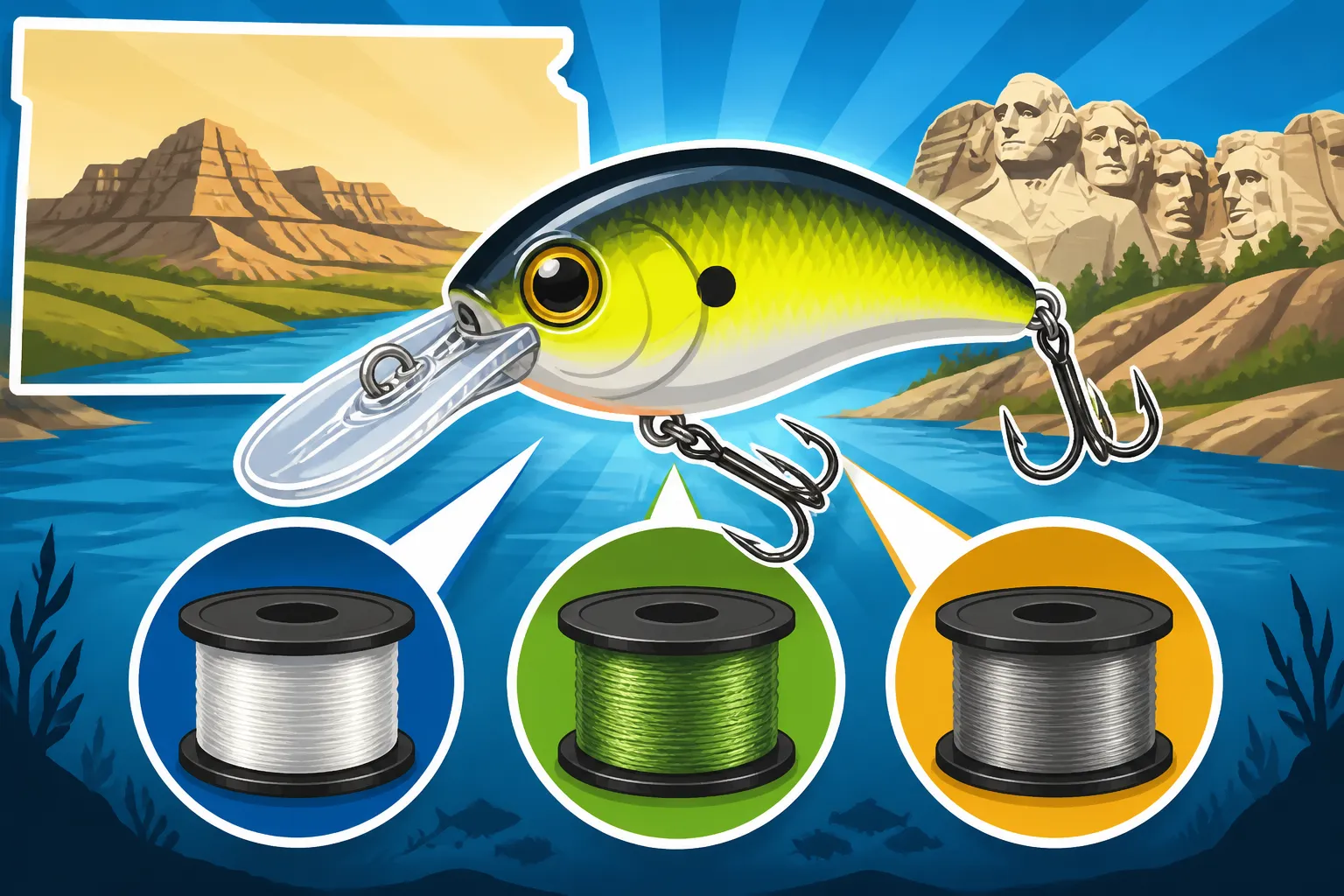
When it comes to fishing lines, particularly for techniques like trolling crankbaits, you're primarily looking at three main types: monofilament, fluorocarbon, and braided line. Each has its distinct characteristics, making it suitable for different situations and preferences.
Monofilament Line: The Classic Choice
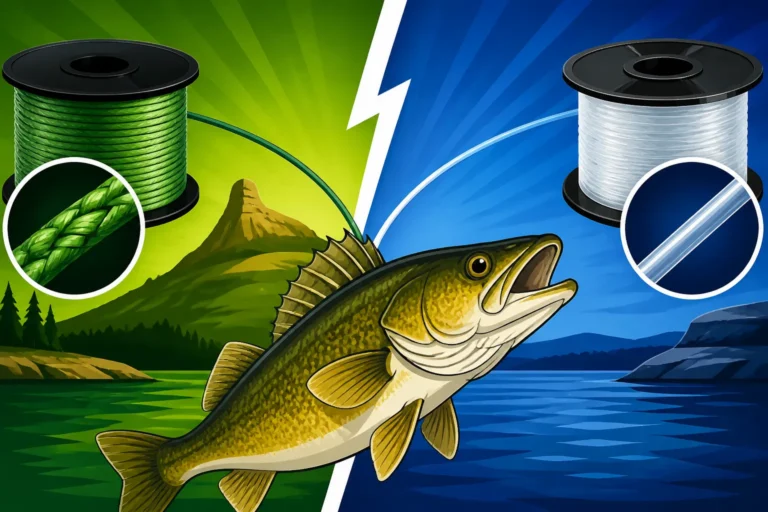
Ah, monofilament! This is probably the line most of us started fishing with, and for good reason. It’s affordable, easy to tie knots with, and widely available. Monofilament is made from a single strand of nylon, and its characteristics are well-known among anglers.
Pros for Trolling Crankbaits:
- Stretch: Monofilament has a good amount of stretch. This can be a huge benefit when trolling for aggressive fish like walleyes that hit crankbaits hard. The stretch acts like a shock absorber, cushioning the strike and preventing hooks from tearing free, especially when the fish is thrashing boat-side. It also helps prevent snapping your line if a large fish makes a sudden, powerful run.
- Cost-Effective: Compared to fluorocarbon or braid, monofilament is generally the most economical option. This makes it a great choice if you're frequently respooling reels or rigging up multiple rods for trolling.
- User-Friendly: Knots cinch down easily, and it's forgiving to spool onto a reel. If you're a beginner troller or just prefer simplicity, mono is a solid pick.
- Buoyancy: Monofilament is relatively buoyant, meaning it sinks slowly or even floats. This can be advantageous when you want your crankbait to "hover" a bit more or to work shallower depths without constant speed.
Cons for Trolling Crankbaits:
- Visibility: Monofilament is more visible underwater than fluorocarbon. While not always a deal-breaker, in super clear waters or when fish are finicky, this can deter bites.
- Limited Sensitivity: Due to its stretch, mono can mute the subtle vibrations of a crankbait's action or light bites, especially when you're letting out a lot of line for deep trolling. You might not always feel that little "tick" of a walleye mouthing the lure.
- Abrasion Resistance: While some modern monos have improved, it's generally less abrasion-resistant than fluorocarbon or braid, making it more susceptible to nicks and fraying when bouncing off rocks or structure. This means more frequent retying and checking for damage.
- Water Absorption: Monofilament can absorb water over time, which can weaken the line and cause it to lose some of its original strength and performance.
Many anglers still swear by monofilament for trolling, especially on lakes where extreme depth isn't required or in stained water. It's a reliable workhorse for general-purpose crankbait trolling.
Fluorocarbon Line: The "Invisible" Advantage
Fluorocarbon has gained immense popularity over the last couple of decades, often touted as the "invisible" fishing line. It's made from polyvinylidene fluoride (PVDF), a polymer that refracts light at nearly the same rate as water, making it incredibly difficult for fish to see once it's submerged.
Pros for Trolling Crankbaits:
- Low Visibility: This is fluorocarbon's superpower. For clear water conditions, or when targeting wary fish like the large walleyes in South Dakota Walleye Limits, fluorocarbon offers a distinct advantage. Fish are less likely to spook from the line, leading to more strikes.
- Lower Stretch than Mono: Fluorocarbon has significantly less stretch than monofilament, providing a better balance between sensitivity and shock absorption. You'll feel more of your crankbait's action and detect bites more readily, while still having some give to prevent break-offs.
- Excellent Abrasion Resistance: Fluorocarbon is generally much tougher and more abrasion-resistant than monofilament. This is a huge plus when trolling over rocky bottoms, through submerged timber, or near riprap, which is common in many South Dakota fisheries.
- Faster Sinking Rate: Fluorocarbon is denser than water, causing it to sink faster than monofilament. This helps crankbaits dive deeper and reach their maximum depth ratings more easily, which can be crucial for deep-water trolling scenarios on Lake Oahe Fishing Guide.
Cons for Trolling Crankbaits:
- Stiffer Handling: Fluorocarbon can be stiffer than mono, especially in heavier pound tests, leading to more memory (coiling) and making it a bit more challenging to spool and manage on a reel.
- More Expensive: Fluorocarbon is typically the most expensive of the three line types. This can add up if you're outfitting multiple trolling setups. You can often find good deals on brands at Bass Pro Shops or through online retailers like Amazon, but it's still a higher initial investment.
- Knot Tying: Due to its stiffness, tying knots with fluorocarbon requires more care. It's essential to lubricate knots well before cinching them down to prevent friction burns and ensure maximum strength.
- Less Forgiving Stretch: While less stretch is often good, it means less "give" during sudden strikes, which could potentially lead to hooks pulling out if your drag isn't set perfectly, or if you're using cheaper, softer hooks.
Many serious walleye trollers in South Dakota consider fluorocarbon a top choice for their mainline, especially in clear water and when precise depth control is paramount.
Braided Line: Power and Sensitivity
Braided line is a marvel of modern fishing technology, typically made by weaving together multiple strands of synthetic fibers, often SPECTRA or Dyneema. It's incredibly strong for its diameter and has become a favorite for many aggressive fishing techniques.
Pros for Trolling Crankbaits:
- Zero Stretch: This is braid's defining characteristic. With virtually no stretch, you get incredible sensitivity, allowing you to feel every wobble of your crankbait, every bump on the bottom, and even the lightest of bites. Hooksets are instantaneous and powerful, even at long distances.
- Incredible Strength-to-Diameter Ratio: Braided line is amazingly thin for its breaking strength. A 10-pound test braid might have the diameter of 2-pound test monofilament. This thin diameter drastically reduces water resistance, allowing crankbaits to dive deeper than with mono or fluoro of the same pound test. This is a game-changer when you're trying to hit those deep walleyes.
- Durability and Longevity: Braid is extremely durable and has excellent abrasion resistance. It doesn't degrade from UV light, nor does it absorb water. A spool of braid can last for many seasons, making it a good long-term investment.
- Excellent Knot Strength (with proper knots): When tied correctly, braided lines hold knots very well, and their thinness allows for compact, strong connections.
Cons for Trolling Crankbaits:
- Visibility: Braided line is highly visible underwater. While some manufacturers offer "low-visibility" colors, it's still much more noticeable than fluorocarbon. This often necessitates the use of a fluorocarbon leader, which we'll discuss shortly.
- Lack of Stretch: While a pro for sensitivity, the lack of stretch can be a con when a fish strikes hard. There's no shock absorption, so big head shakes can lead to hooks pulling out, or even line breakage if your drag isn't set perfectly and smoothly. It can also cause crankbaits to "rip" out of softer-mouthed fish like crappies.
- Cost: While it lasts a long time, the initial cost of braided line is often the highest per spool.
- Difficult to Cut and Tie: Braid is so strong that it can be tough to cut without sharp scissors. It also requires specific knots (like a Palomar or uni knot) to prevent slippage.
- Digging In: Under heavy pressure, thinner braided lines can sometimes "dig into" the spool, especially if not spooled tightly enough, leading to tangles and frustrating backlashes.
Braided line, often paired with a fluorocarbon leader, is increasingly the go-to choice for serious crankbait trollers who want maximum depth, sensitivity, and powerful hooksets. It's particularly effective for Trolling for Walleye on Lake Oahe where deep-diving crankbaits are frequently used.
| Line Type | Stretch | Visibility | Abrasion Resistance | Buoyancy | Sensitivity | Cost (Relative) |
|---|---|---|---|---|---|---|
| Monofilament | High | Moderate | Moderate | Floating | Low | Low |
| Fluorocarbon | Medium | Very Low | High | Sinking | Medium-High | High |
| Braided | Very Low | High | High | Neutral | Very High | High |
Matching Line Type to Your South Dakota Trolling Scenario
Choosing the best line isn't a one-size-fits-all decision; it really depends on where and how you're fishing in South Dakota. The diverse waters, from the clear Black Hills lakes to the vast, sometimes turbid Missouri River reservoirs, all demand different considerations.
Depth, Clarity, and Cover Considerations
When you're rigging up your trolling rods, think about the specific conditions you'll encounter on your next trip.
- Deep Water Trolling (e.g., Lake Oahe or Lake Sharpe): If you're targeting walleyes holding in 20-30+ feet of water, often during summer, line diameter is paramount. A thinner line allows your crankbait to reach maximum depth. This is where braided line truly shines. Its thin diameter means less water resistance, so your crankbaits can hit their deepest potential. For example, if you're trying to get a Rapala Deep Husky Jerk down to 20 feet, running 10-pound braid will get it there much more effectively than 10-pound mono. Just remember to add a fluorocarbon leader (more on that next) because of braid's visibility.
- Clear Water Conditions (e.g., Pactola Reservoir, some Black Hills streams, clear sections of the Missouri River): When the water is gin-clear, fish become incredibly line-shy. In these situations, fluorocarbon is your hero. Whether used as a main line or as a long leader, its near-invisibility makes a significant difference. If you're fishing a relatively shallow, clear lake like Sheridan Lake for trout (even though this guide is about crankbaits, the principle of clear water applies), you'd absolutely want a stealthy line. For walleyes in clear reservoirs, using straight fluorocarbon as your main line can be very effective, especially if you're not needing extreme depths where braid's thinness helps.
- Stained or Turbid Water (e.g., some glacial lakes, parts of the James River, or after heavy rains on the Missouri River): In darker, less clear water, line visibility becomes less of a concern. Here, monofilament becomes a very viable option. Its stretch can be a benefit for protecting lighter tackle or if you're new to trolling. You might also opt for braided line with a short, heavy fluorocarbon or even monofilament leader if you're still aiming for maximum depth and sensitivity. The fish aren't going to see the mainline anyway, so you can leverage braid's thinness without the major visibility drawback.
- Heavy Cover or Rocky Bottoms (e.g., riprap areas on the Missouri River, submerged timber): Trolling crankbaits through cover is a great way to find fish, but it's brutal on your line. Both fluorocarbon and braided line offer superior abrasion resistance compared to monofilament. Fluorocarbon is quite dense and tough, while braid's multi-strand construction can withstand a lot of abuse. If you're constantly bumping rocks on Lake Francis Case Smallmouth Bass Fishing, you'll appreciate a line that holds up.
The key is to adapt. If you're going to be fishing diverse waters, having reels spooled with different line types, or at least carrying various leader materials, will make you a more versatile and successful angler.
When to Use a Leader (and What Kind)
This is a critical topic for crankbait trolling, especially in South Dakota. Combining line types often gives you the best of both worlds.
The most common and effective setup for many South Dakota trollers is braided mainline with a fluorocarbon leader.
Why this combination?
- Braid for Depth and Sensitivity: The thin diameter of braid allows your crankbait to dive deeper, and its zero stretch gives you incredible feel for the lure's action and any subtle bites, even with hundreds of feet of line out. This is invaluable when South Dakota Trolling Techniques for Walleye.
- Fluorocarbon for Stealth and Abrasion Resistance: The fluorocarbon leader provides the stealth necessary in clear water, and its excellent abrasion resistance protects your main line from nicks and scrapes on structure, reducing break-offs. It also offers a bit of shock absorption right at the lure, which can prevent crankbait hooks from tearing out of a walleye's mouth.
How long should the leader be?
This is often debated, but a good starting point is a leader between 10 to 20 feet long.
- Shorter leaders (5-10 feet): Can be used in more stained water, or when you want to minimize the knot between your main line and leader.
- Longer leaders (15-25 feet): Ideal for very clear water, or when fish are extremely line-shy. The longer leader ensures that your lure is completely separated from the more visible braided mainline.
What pound test for the leader?
Match the leader's pound test to your main line or slightly heavier, but keep the diameter in mind. If you're using 10-pound braid, a 10-pound or 12-pound fluorocarbon leader is a good starting point. You want the leader to be strong enough to handle fish and resist abrasion, but not so thick that it significantly impedes your crankbait's diving depth or action.
Tying the leader:
You'll need a strong, reliable knot to connect your braid to your fluorocarbon leader. Popular choices include:
- FG Knot: This is incredibly strong, very thin, and passes through rod guides smoothly. It takes practice but is worth learning for its performance.
- Double Uni Knot: A simpler knot to tie, and while a bit bulkier than the FG, it's very reliable once learned.
No matter which knot you choose, practice it until you can tie it quickly and correctly. A bad knot is a weak point, and the last thing you want is to lose a trophy walleye due to knot failure.
Monofilament leaders: Sometimes, especially in extremely turbid water or if you want more stretch at the lure, a monofilament leader can be used with braided mainline. However, fluorocarbon generally offers better abrasion resistance and lower visibility, making it the preferred choice for most trollers.
Ultimately, experiment with different setups on your local South Dakota waters. What works best on Belle Fourche Reservoir Special Walleye Rules might be different from what's ideal on Lewis and Clark Lake Fishing Guide. Keep a log of your successes and failures to fine-tune your approach.
Practical Tips for Rigging and Maintenance
Having the right line is only half the battle; knowing how to properly rig and maintain it ensures that your efforts on the water are rewarded. Taking a few extra steps before and after your fishing trips can significantly extend the life of your line and improve your overall trolling experience.
Spooling Your Reel for Optimal Performance
The way you put line on your reel might seem like a minor detail, but it can profoundly affect your casting distance, prevent tangles, and ensure your drag system works smoothly. This is especially true for trolling, where you're often letting out a lot of line under tension.
- Fill Level: Don't underfill or overfill your spool. An underfilled spool can lead to decreased casting distance if you're occasionally casting, and it can also cause the line to dig into itself more easily. An overfilled spool, on the other hand, is a recipe for backlashes and wind knots, especially with braided line. Aim to fill the spool to about 1/8 inch from the lip.
- Backing: When using expensive braided line, you often don't need to fill the entire spool with braid. Instead, spool on a layer of inexpensive monofilament first (this is called "backing"). This serves two purposes: it saves money by using less braid, and it prevents the braid from slipping on the bare spool arbor. Tie your braid to the mono backing using a strong knot like a double uni.
- Tension is Key: Always spool your line onto the reel with consistent tension. For braided line, this is absolutely crucial to prevent it from digging into itself under pressure. Many tackle shops, like those you might find near the Missouri River, can professionally spool your reels. If doing it yourself, have someone hold the spool with a pen through the middle, applying slight pressure, or use a dedicated line winder. You can find useful spooling tools at Amazon or from Bass Pro Shops.
- Line Twist: Be mindful of line twist, particularly with monofilament. If you spool it onto your reel incorrectly (e.g., directly from the manufacturer's spool without allowing it to uncoil naturally), you'll build twist into the line, leading to loops and tangles. When spooling from a large bulk spool, lay the spool face up and let the line come off in coils. If spooling from a small filler spool, pull the line off the side of the spool as it rotates.
Properly spooled line reduces frustration, especially when deploying multiple trolling rods on a busy day chasing South Dakota Walleye Fishing Guide trophies.
Line Checks and Replacement Schedules
Fishing line, regardless of type, is a consumable product. It degrades over time due to UV exposure, abrasion, and stress from fighting fish. Regular inspection and timely replacement are vital for preventing lost fish and lures.
- Before Every Trip: Give your line a quick visual inspection. Run a small section of line between your fingers, feeling for nicks, abrasions, or flat spots. Pay particular attention to the first 10-20 feet of line, as this section takes the most abuse. If you find any damage, cut off the compromised section and re-tie your crankbait.
- After Snags or Fights: If you've been snagged aggressively or fought a particularly large or feisty fish, inspect your line immediately. The force can weaken sections of line, even if there's no visible damage. Don't take chances.
- Abrasion Points: Always check the line around your knots and where it runs through your rod guides. Worn guides can damage line, and frayed knots are an obvious weak point.
- Replacement Schedule:
- Monofilament: Due to UV degradation and water absorption, monofilament should ideally be replaced every 6-12 months, especially if you fish frequently. Even if you don't fish often, replace it annually as it weakens with age.
- Fluorocarbon: While more durable than mono, fluorocarbon can also develop memory and wear. Consider replacing it every 12-18 months of regular use.
- Braided Line: This is the most durable of the three. It can last for several years. However, even braid can become frayed or faded over time. If you notice significant fraying, color fading, or consistent break-offs, it's time for a change. A trick with braid is that you can often reverse it on your spool, effectively using the "fresh" line that was previously on the bottom.
By keeping a keen eye on your line and replacing it when necessary, you're investing in successful fishing trips and avoiding the heartbreak of a snapped line when that monster walleye finally bites. Good maintenance ensures you're always ready for Best Time of Year to Fish in South Dakota and whatever it throws at you.
Disclaimer
This article is for general informational purposes only and does not constitute professional advice. Laws, prices and regulations vary by location and change over time. Consult a qualified professional for guidance on your specific situation.