What Safety Gear Is Required on a South Dakota Fishing Boat?
It's easy to get caught up in the excitement of planning a South Dakota fishing trip – dreaming of walleye on Lake Oahe or trout in the Black Hills. But before you even think about casting a line, there’s a crucial aspect many anglers overlook until it's too late: what essential safety gear you're legally required to have on your boat. Navigating the rules can feel like trying to untangle a bird's nest of fishing line, but this guide is here to help you understand exactly what you need to keep your fishing adventures safe, legal, and stress-free on South Dakota's beautiful waters.
Understanding South Dakota's Core Boat Safety Requirements
When you launch your boat onto a South Dakota lake or river, you're not just entering a pristine natural environment; you're also entering a regulated space. The South Dakota Department of Game, Fish and Parks (GFP) has put these rules in place not to make your life harder, but to ensure everyone's safety and protect our precious natural resources. Understanding the foundation of these requirements is the first step to a worry-free day on the water.
The "Why" Behind the Rules: Protecting Anglers and Preserving Waters
Think of these regulations as the unwritten code of the water, designed to prevent accidents, facilitate rescues, and maintain order. It’s about minimizing risks, not just for you and your passengers, but for other boaters and even the wildlife. A sudden change in weather, an unexpected mechanical failure, or even a simple slip and fall can turn a perfect day on the water into a dangerous situation in a hurry. Having the right gear isn't just about avoiding a citation; it's about being prepared for the unforeseen. For instance, imagine being caught in a sudden squall on Lake Sharpe, miles from shore. A properly maintained life jacket and a reliable sound device could be the difference between a minor scare and a true emergency. These are the scenarios the GFP regulations aim to address, creating a safer environment for everyone to enjoy the incredible fishing South Dakota has to offer.
Distinguishing Between Vessel Types and Their Impact on Requirements
One of the biggest sources of confusion is that not all boats are created equal when it comes to safety gear requirements. A small canoe or kayak, for example, won't have the same list of mandatory items as a 20-foot walleye boat with an inboard motor. The rules often vary based on the length of your vessel, whether it's motorized or non-motorized, and even how it's propelled. For instance, while a personal flotation device is universally required for every person on board, the need for a fire extinguisher typically arises with the presence of an engine and fuel. It's crucial to correctly identify your vessel type and then cross-reference it with the specific regulations. If you're wondering about smaller craft, our guide on South Dakota Non-Motorized Boat Registration Rules can help clarify requirements for those types of vessels, ensuring you're compliant no matter what kind of craft you're piloting.
Essential Gear You MUST Have Onboard
Alright, let’s get down to the brass tacks: what specific items are absolutely mandatory when you're out fishing in South Dakota? This isn't a suggestion list; these are non-negotiable requirements, and failing to have them can lead to warnings, fines, and even a premature end to your fishing trip.
Personal Flotation Devices PFDs Life Jackets
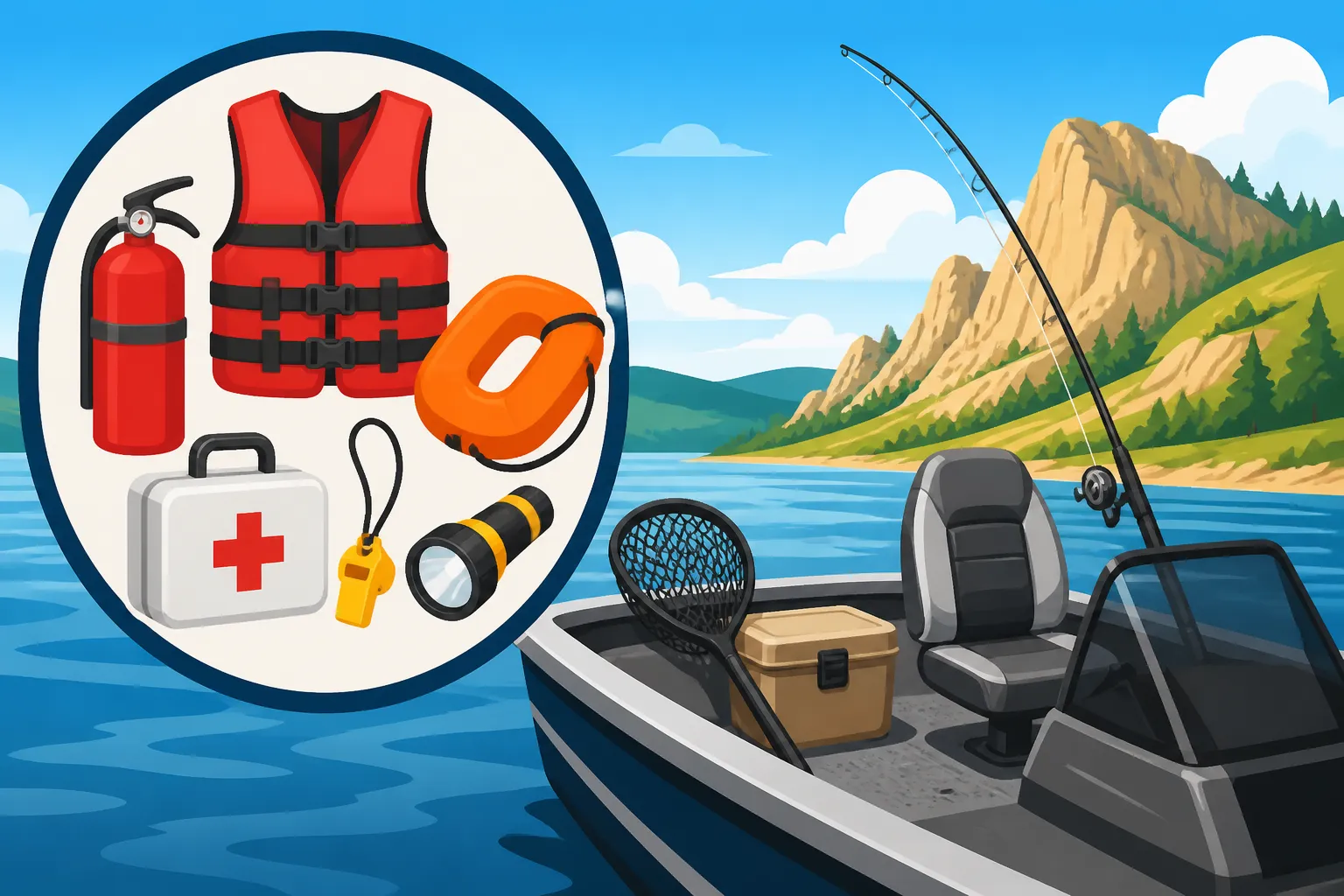
This is probably the most fundamental and universally understood safety requirement: you must have a U.S. Coast Guard-approved personal flotation device (PFD), commonly known as a life jacket, for every single person on board your boat. And it's not enough to simply have them stowed away; they must be readily accessible. This means not buried under a pile of tackle boxes or tangled up in anchor rope. If an emergency strikes, you won't have time to dig them out.
Beyond the "one per person" rule, there are other important considerations. Each PFD must be in good, serviceable condition – no rips, tears, or broken straps that would compromise its buoyancy or ability to stay on. South Dakota also has specific South Dakota Life Jacket Requirements for children; generally, anyone under a certain age must wear a PFD at all times while the boat is underway. This is a crucial detail for family fishing trips, as a child's life jacket needs to fit properly and comfortably for them to wear it continuously. There are different "types" of PFDs (e.g., Type I for offshore, Type III for general use, Type V for special purposes like kayak fishing), each designed for slightly different situations and levels of flotation. While most recreational anglers will use Type II or Type III, the most important thing is that it fits the wearer correctly. You can often find a wide variety of sizes and styles suitable for all ages at stores like Bass Pro Shops or even on Amazon, making it easy to comply. For more specific details, our guide on How Many Life Jackets You Need on a Fishing Boat in South Dakota provides a deeper dive into these critical requirements.
Throwable Flotation Devices
In addition to the wearable PFDs, most boats 16 feet or longer (excluding canoes and kayaks) are required to carry at least one U.S. Coast Guard-approved throwable flotation device. This isn't meant to be worn; it's for throwing to someone who has unexpectedly fallen overboard. Imagine someone slipping off the bow while casting on a choppy day on Lake Francis Case – you need something you can quickly toss to them to keep them afloat while you maneuver your boat for a rescue.
Common examples include ring buoys, buoyant cushions, or horseshoe buoys. Like PFDs, these must be in good, serviceable condition and, critically, immediately accessible. They shouldn't be stowed in a locked compartment or under a heavy cooler. The idea is to have it ready for a split-second deployment. It’s a simple item that can make a profound difference in a man overboard situation, providing an immediate aid while you plan your next move.
Sound-Producing Devices
Believe it or not, your boat needs to be able to make some noise! All vessels are required to carry a sound-producing device. This can be as simple as a whistle or as robust as an air horn, depending on the size of your boat. For smaller boats, a simple mouth-blown whistle will usually suffice. For larger vessels (typically 39.4 feet or longer), a horn or whistle capable of producing a four-second blast audible for at least half a mile is usually required.
Why is this important? Sound signals are essential for communicating with other vessels, especially in conditions of reduced visibility like fog or heavy rain, or when signaling distress. If you're caught in a thick fog bank while navigating the twists and turns of the Missouri River, being able to sound a warning to an approaching boat is critical. It’s also your way of signaling for help if your engine dies and you're adrift. Don’t underestimate the power of a simple whistle in an emergency; it can grab attention when shouting might not be heard over wind and waves.
Fire Extinguishers
A fire on a boat is one of the most terrifying scenarios an angler can face, especially with fuel, oil, and electrical systems all in close proximity. This is why certain boats are required to carry a U.S. Coast Guard-approved fire extinguisher. Generally, if your boat has an inboard engine, enclosed compartments where fuel tanks are located, or other fire hazards like permanent cooking or heating appliances, you'll need one. Even many boats with outboard motors, if they have an enclosed fuel tank compartment, will require an extinguisher.
The extinguisher must be marine-type, readily accessible, and in serviceable condition – meaning the pressure gauge is in the green, and the seal isn't broken. Knowing how to use it is just as important as having it. A small engine fire can escalate rapidly on water, so quick action is paramount. For a more detailed look at these requirements, particularly for smaller vessels, our article Is a Fire Extinguisher Required on Small Fishing Boats? will walk you through the specifics. It's a piece of gear you hope you never have to use, but you'll be incredibly thankful for it if you ever do.
Navigation Lights
If you plan on being on the water between sunset and sunrise, or during periods of restricted visibility (like fog, heavy rain, or mist), your boat must display proper navigation lights. These lights are critical for other boaters to see you and understand your direction of travel, preventing collisions in low-light conditions.
The specific configuration of lights varies depending on your boat's size and whether it's underway or at anchor. Generally, this includes a red light on the port (left) side, a green light on the starboard (right) side, and an all-around white light visible from 360 degrees. For smaller boats, sometimes a single, all-around white light is sufficient when powered by an engine. However, if you're paddling a canoe or kayak at night, a flashlight or lantern that can display an all-around white light is typically sufficient to show your presence to other vessels. Always ensure your navigation lights are functional before heading out in dim conditions, as a burnt-out bulb could have serious consequences.
Here's a quick summary of the basic mandatory gear for most motorized boats:
| Category | Item | Requirement (General) | Notes |
|---|---|---|---|
| Personal Flotation | U.S. Coast Guard-Approved PFD | 1 per person on board | Must be accessible, in good condition, and sized for each wearer. Children often have specific wearing rules. |
| Throwable Flotation | U.S. Coast Guard-Approved Device | 1 (for boats 16 ft & over, excluding canoes/kayaks) | Must be immediately accessible, in good condition. |
| Sound Signaling | Whistle, Horn, or Bell | All boats | Whistle typically sufficient for smaller boats. Larger boats may need a horn audible for 0.5 mile. |
| Fire Protection | U.S. Coast Guard-Approved Extinguisher | If boat has enclosed engine, fuel compartment, etc. | Must be accessible, in good condition, charged. Specific class (B-I, B-II) may be required. |
| Visual Signaling (Night) | Navigation Lights | For operation sunset-sunrise or in low visibility | Red/Green for bow, all-around white for stern (configurations vary by boat size). |
Going Beyond the Bare Minimum: Highly Recommended Safety Gear
While the GFP outlines the legal requirements, any seasoned angler will tell you that the mandated list is just the starting point for true preparedness. South Dakota's waters, especially the vast Missouri River reservoirs like Lake Oahe and Lake Sharpe, can be unpredictable. Thinking beyond the bare minimum could literally save your life or prevent a disastrous situation.
Communication Devices
Having a reliable way to communicate is paramount. While cell phones are ubiquitous, remember that signal strength can be spotty or non-existent in many remote areas, especially in the canyons of Lake Oahe or out on some of the glacial lakes in eastern South Dakota. A dedicated marine VHF radio offers a much more reliable line of communication, allowing you to hail other boats or the Coast Guard (or local emergency services, which often monitor marine channels) up to 20 miles away, regardless of cell service.
Many anglers carry both – a charged cell phone in a waterproof bag for close-range communication and a handheld or fixed-mount VHF for broader coverage and emergencies. Think about how quickly a summer storm can roll in; being able to receive weather alerts or call for assistance when you're far from shore can't be overstated. It’s an investment in peace of mind, allowing you to focus on the fishing rather than worrying about being stranded.
Visual Distress Signals
For daytime and nighttime emergencies, visual distress signals can greatly improve your chances of being spotted and rescued. While generally not required for recreational boats operating on inland waters (which covers most South Dakota fishing spots), they become mandatory if you venture into coastal waters or open Great Lakes, which isn't typically relevant for South Dakota. However, carrying them is still an incredibly smart idea, especially if you fish large, isolated bodies of water like the central sections of Lake Oahe or Lake Francis Case.
Flares (pyrotechnic signals) are effective but have expiration dates and must be handled carefully. Orange distress flags are great for daytime use. An electronic visual distress signal (eVDSD) is a newer, reusable alternative that typically flashes an SOS pattern and has a much longer battery life. Imagine your boat breaking down in the middle of a huge reservoir. A bright flare shot into the sky at night, or an orange flag waving during the day, could be the visual cue that brings help your way much faster than waiting to be discovered.
First-Aid Kit and Emergency Supplies
Even on the calmest days, minor injuries happen. A stray hook, a slippery deck leading to a fall, or a severe sunburn can quickly turn uncomfortable. A well-stocked first-aid kit is an absolute must-have. Beyond the usual bandages and antiseptic wipes, consider adding items specific to fishing, such as tools for removing hooks, pain relievers, and treatments for bug bites or allergic reactions.
But don't stop there. Think about emergency supplies: extra water, non-perishable snacks, a space blanket for warmth, a multi-tool, and a dry change of clothes (especially if you might get soaked in cold weather). South Dakota weather can be notoriously fickle, with sunny mornings giving way to torrential downpours or sudden cold fronts. Being prepared for a few hours (or even overnight) if you're stranded unexpectedly is just good common sense. You can easily find compact, pre-assembled marine first-aid kits at places like Amazon, or you can build your own to suit your specific needs.
Anchor, Ropes, and Paddles
While your fancy trolling motor or powerful outboard gets you around, don't forget the low-tech essentials. An appropriately sized anchor with sufficient rope is crucial. It can hold you in your favorite fishing spot, but more importantly, it can keep you from drifting into dangerous areas (like riprap or submerged structures) if your engine fails. Remember to carry enough anchor line for the depths you'll be fishing – generally, 7:1 scope (7 feet of line for every 1 foot of depth) is a good rule of thumb, so deep Missouri River channels might require a lot more line than a shallow prairie pond.
Similarly, extra ropes (dock lines, tow ropes) are incredibly versatile. You might need to tie off to another boat, secure gear, or even improvise a repair. And even if you have a powerful engine, a paddle or two (especially for smaller boats, or a sturdy push pole for larger ones) can be a lifesaver if your motor dies and you need to slowly move to a safe spot or simply paddle back to shore from a short distance. Don't let your reliance on technology make you forget these simple, manual backups.
Tool Kit and Spare Parts
A basic marine tool kit can prevent a minor hiccup from becoming a major headache. Things like screwdrivers, wrenches, pliers, electrical tape, spare fuses, and zip ties can address many common mechanical issues on the water. Imagine a loose battery terminal, a prop that's fouled with fishing line, or a blown fuse on your fish finder – simple fixes that, without the right tool, can leave you helpless.
Having a few spare parts, like extra spark plugs or a shear pin for an outboard motor, can also save your day. These aren't just for mechanics; many minor boat issues can be resolved with a bit of know-how and the right tools. It pays to familiarize yourself with your boat's basic systems and carry the means to address common problems. This kind of preparedness is a hallmark of a responsible South Dakota angler.
Penalties and Practicalities: Staying Legal and Safe
Navigating the legalities of boating in South Dakota doesn’t have to be a chore. Understanding the consequences of non-compliance and knowing how to easily acquire and maintain your gear will ensure your time on the water is spent enjoying the fishing, not worrying about a run-in with law enforcement.
What Happens If You're Caught Without Required Gear?
You might think, "What's the big deal if I forget a whistle?" But failing to have the legally required safety gear onboard can lead to some unpleasant consequences. South Dakota GFP conservation officers regularly patrol the state's waters, conducting safety checks. If they find you're missing mandatory items, you could face a citation, which means a fine, and potentially even be ordered to return to shore until you acquire the missing gear. Imagine driving all the way to Lake Oahe, launching your boat, and then being told you can't fish because you forgot a throwable cushion. It’s a frustrating and costly way to end a trip before it even begins.
Beyond the legal penalties, the true cost of not having the right gear is the increased risk to your safety and the safety of your passengers. An officer isn't just trying to enforce a rule; they're trying to prevent an accident. Knowing your South Dakota Fishing License Guide is important for fishing, but knowing your boat safety requirements is just as critical for safe boating overall.
Where to Acquire and Maintain Your Safety Gear
Thankfully, getting your hands on the necessary safety gear is easier than ever. Most sporting goods stores, marine supply shops, and even many larger retailers carry the full range of required and recommended items. Locally, you might find what you need at regional retailers. For broader selection and competitive pricing, online giants like Amazon or specialized outdoor retailers like Bass Pro Shops are excellent resources. You can often compare different types of PFDs or fire extinguishers to find the best fit for your boat and budget.
However, purchasing the gear is only half the battle; maintaining it is just as important. Regularly inspect your life jackets for tears or mildew. Check the expiration dates on flares and fire extinguishers. Make sure your navigation lights are working before you head out at dusk. Ensure your sound device is functional. A quick check before each outing can prevent disappointment and keep you safe. For the most current and official details on regulations, always consult the South Dakota GFP Fishing Handbook Guide or their official website. Knowing your South Dakota Fishing License Costs is one thing, but understanding the value of investing in safety gear is priceless. Remember that boat registration is also an important part of overall compliance, so be sure to check our South Dakota Boat Registration Guide for those details.
Educating Yourself and Your Passengers
Finally, being a responsible boat operator in South Dakota goes beyond simply having the gear; it involves educating yourself and your passengers. Consider taking a boater safety course. While South Dakota doesn't typically require a specific boating license for most recreational operators, completing a certified course will equip you with invaluable knowledge about navigation rules, emergency procedures, and safe boating practices. You can learn more about this by checking out Do You Need a Boating License to Fish in South Dakota?.
It’s also your responsibility to brief your passengers, especially those who might be new to boating, on basic safety procedures. Show them where the life jackets are and how to put them on. Point out the fire extinguisher and explain how to use it. Discuss what to do in case of an emergency, such as what to do if someone falls overboard. A quick safety talk can empower everyone on board and make your day on the water much safer and more enjoyable for all. Making sure everyone understands the South Dakota Boat Safety Requirements means a more relaxing time on the water, focused on reeling in those big ones!
Disclaimer
This article is for general informational purposes only and does not constitute professional advice. Laws, prices and regulations vary by location and change over time. Consult a qualified professional for guidance on your specific situation.