Can You Register a Boat Online in South Dakota?
Navigating the paperwork for recreational activities can often feel like wading through thick mud, especially when you're itching to get your boat out on South Dakota's beautiful waters. Many anglers wonder if they can bypass the queues and paperwork by simply handling their boat registration from the comfort of their home. This guide will clarify whether online boat registration is an option in South Dakota, walk you through the process, and help you understand what you'll need to ensure your vessel is legally ready for the lakes and rivers.
The Short Answer: Registering Your Boat Online in South Dakota
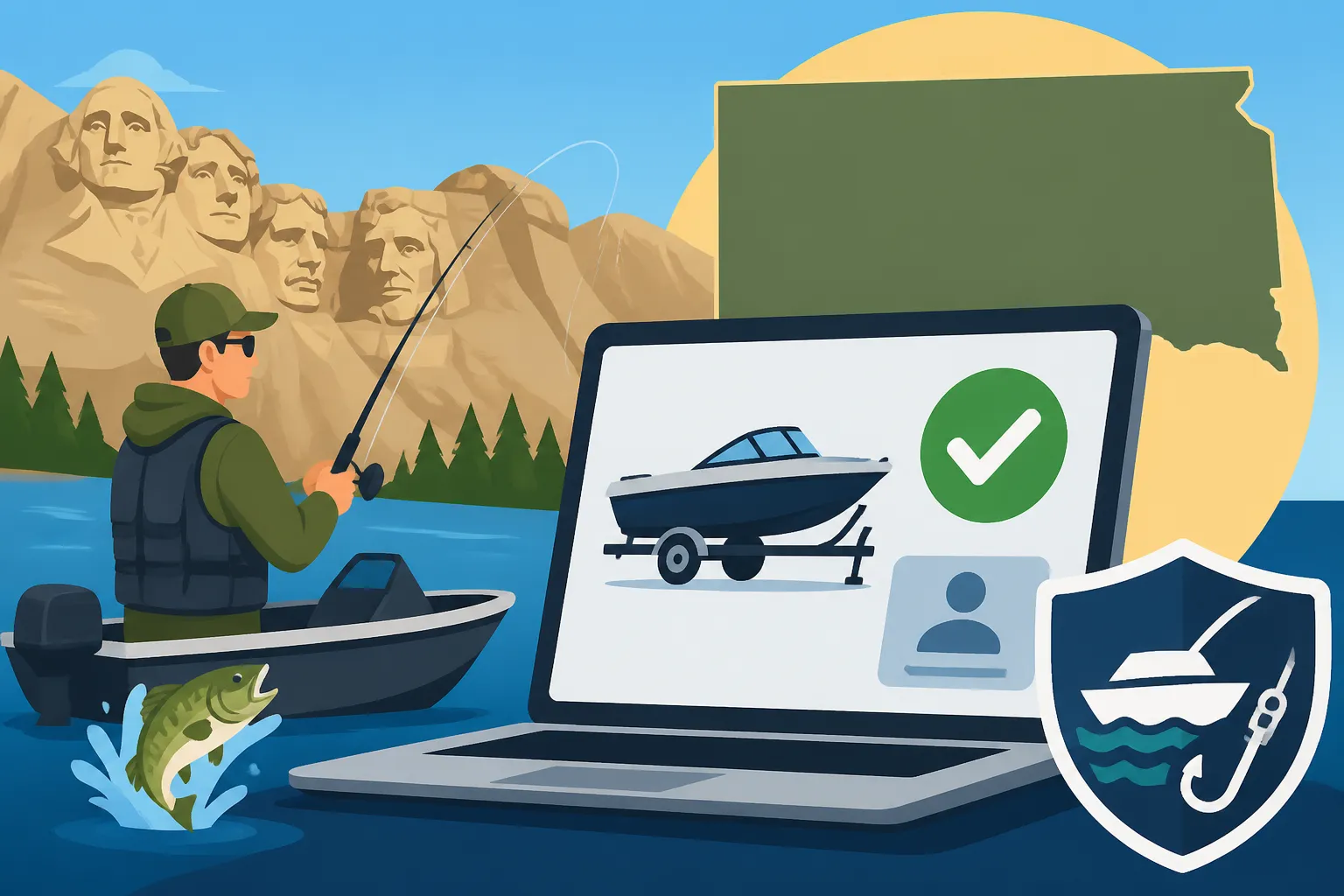
Yes, absolutely! The good news is that for many boat owners in South Dakota, registering or renewing their boat registration can indeed be done online. This modern convenience is a welcome change for busy individuals who want to spend less time on administrative tasks and more time on the water, whether they're planning to troll for walleye on Lake Oahe or simply enjoy a leisurely cruise on Lewis and Clark Lake. It's a fantastic option that saves you a trip to a physical office, and often, quite a bit of waiting around.
What the Online System Covers
The South Dakota Game, Fish and Parks (GFP) has embraced technology to make life easier for boaters. Their online system is primarily designed for renewals of existing boat registrations, which is a huge benefit for the vast majority of boat owners who simply need to keep their registration current year after year. Think of it: no more scrambling to find the county treasurer's office before it closes or mailing in forms and hoping they don't get lost in the shuffle.
However, the online portal also caters to certain initial registrations, especially for boats that have been previously registered in South Dakota but perhaps changed ownership, or for specific types of new registrations that meet certain criteria. It’s not a one-size-fits-all solution for every single boating scenario, but it certainly covers a large portion of typical boater needs. For instance, if you're registering a small fishing boat you just bought from a private seller, and it already has a South Dakota history, the online route might be surprisingly straightforward. It streamlines the process for countless folks hitting the water.
Why Online is Often the Go-To
The primary appeal of online boat registration is, without a doubt, convenience. Imagine this: you've got your fishing trip planned for the weekend, the weather forecast looks perfect, and suddenly you remember your boat tags expire this month. Instead of panicking and rearranging your schedule, you can simply hop onto your computer or even your phone, handle the renewal in minutes, print a temporary receipt, and know your new decals are on their way. This ease of access and quick turnaround is invaluable.
Beyond just renewals, using the online system can also be a more efficient way to update your information if you've moved or changed contact details. It puts the power directly into your hands, allowing you to manage your boating records at any time of day or night, from anywhere with internet access. This flexibility is a huge bonus, especially for those living in more rural areas of South Dakota where a trip to the nearest county seat might involve a considerable drive. It makes keeping up with South Dakota Boat Registration Renewal so much simpler.
Step-by-Step: Navigating the South Dakota Online Boat Registration Process
While the online system offers great convenience, it's not entirely without preparation. To ensure a smooth transaction, it’s best to have all your ducks in a row before you even log on. Think of it like packing your tackle box before a big fishing trip; you don't want to realize you forgot your favorite lure when you're already out on the water. This proactive approach will save you time and frustration.
Gathering Your Documentation
Before you even open your web browser, gather all the necessary information and documents. This is the single most important step to a hassle-free online registration. The exact documents might vary slightly depending on whether it's a renewal or a new registration, but generally, you'll need:
- Your existing boat registration number: This is crucial for renewals. It allows the system to pull up your boat's existing record.
- Proof of ownership: This usually means your boat's title (if applicable) or a bill of sale. For a new registration or transfer, the title is essential. Make sure the title has been properly transferred to your name. If you've just purchased a boat, you'll want to ensure the previous owner signed off on the title correctly.
- Your personal identification information: This includes your full name, date of birth, driver's license number, and current address. Make sure the address matches what's on your ID.
- Detailed boat information: This covers your boat's make, model, year, hull identification number (HIN), and length. You should also know the make and horsepower of your motor, if it's motorized. The HIN is particularly important; it's like the VIN for your car and uniquely identifies your boat.
- Payment method: You'll need a credit or debit card ready to pay the registration fees. Keep in mind that while the online process is convenient, there might be a small processing fee added to the standard registration cost. For a comprehensive overview of associated costs, you can look into South Dakota Boat Registration Cost by Boat Length.
Having these items physically in front of you or easily accessible on your computer will prevent you from having to stop the process midway to go hunt for them.
The Online Portal Experience
Once you have your documents ready, head over to the official South Dakota Game, Fish and Parks website. Look for the "Boat Registration" or "License and Permits" section. You'll typically find a clear link to "Renew Boat Registration" or "Register a New Boat."
The online system is usually pretty intuitive, guiding you through a series of steps:
- Login or Enter Information: For renewals, you'll likely enter your existing boat registration number and perhaps your last name or date of birth to access your record. For new registrations, you'll start by entering the boat's details and your personal information.
- Verify Boat Details: The system will display your boat's information. Take a moment to carefully review everything. Has anything changed? Is the make, model, and HIN all correct? This is your chance to catch any discrepancies before finalizing.
- Owner Information: You'll confirm or enter your personal details. This includes contact information.
- Fee Calculation: The system will automatically calculate your registration fees based on your boat's length and type. Remember, these fees contribute to important conservation efforts in South Dakota. You might also need to account for a possible South Dakota Habitat Stamp Requirements if you haven't already.
- Payment: Enter your payment information securely. Most online portals use encrypted connections to protect your financial data.
- Confirmation and Temporary Permit: After successful payment, you'll receive a confirmation email and often a printable temporary registration permit. This temporary permit is crucial! Print it out and keep it on your boat immediately. It serves as your proof of valid registration until your official decals and registration card arrive in the mail.
It's a straightforward process, but taking your time and double-checking every piece of information is key to avoiding delays.
What Happens After Submission
Once you've clicked that "submit" button and received your confirmation, the wheels are in motion! The GFP processes your application. Typically, your new boat registration card and the required validation decals will be mailed to your provided address within a few weeks. The exact turnaround time can vary based on the time of year (peak boating season might see slightly longer waits), but generally, it's a reasonably quick process.
When you receive your new decals, make sure to affix them properly to your boat, as specified by South Dakota regulations. They need to be clearly visible on each side of the bow. Your registration card should be kept on board the vessel at all times when it's in use, ready to be presented if requested by a game warden or law enforcement officer. Understanding these post-submission steps is part of the comprehensive South Dakota Boat Registration Guide.
When Online Registration Might Not Be Your Best Bet
While the convenience of online registration is undeniable, it's not always the perfect solution for every boater or every situation. There are specific circumstances where a trip to a physical office, or even a mailed application, might be necessary or simply more efficient. Understanding these exceptions can save you a lot of headache and back-and-forth later on.
First-Time Registrations and Out-of-State Transfers
One of the most common scenarios where online registration often falls short is for brand-new boats or vessels being registered in South Dakota for the very first time, especially if they're coming from another state. When you're dealing with a boat that has no prior registration history in South Dakota, or one that's arriving with an out-of-state title, the process usually requires a bit more scrutiny and documentation than the online system can handle.
For these situations, you'll typically need to visit a local County Treasurer's office. Why? Because they often need to physically verify certain documents like the original Manufacturer's Statement of Origin (MSO) for a brand-new boat, or the out-of-state title and bill of sale for a transfer. This in-person review helps prevent fraud and ensures all the foundational paperwork is correct before the boat officially enters the South Dakota registration system. It's a critical step in establishing a clear chain of ownership and ensuring proper titling, which is a big part of the overall South Dakota Boat Title and Registration Process.
Complications and Special Cases
Life isn't always simple, and sometimes your boat registration situation might be a bit more complex than the standard renewal. Here are a few examples where you might hit a snag with the online system:
- Missing or Incorrect Documentation: If you've lost your title, or if there's an error on your existing registration or title that needs correction, the online portal won't be able to help. These issues usually require submitting additional forms, affidavits, or even appearing in person to resolve.
- Unique Boat Types: While most recreational boats are straightforward, if you have a highly specialized vessel, a homemade boat without an MSO, or a boat with an unusual ownership structure (e.g., trust, multiple owners with complex agreements), these might require an in-person visit for clarification and specific documentation.
- Tribal Lands or Specific Jurisdictions: While your state registration generally covers public waters, if your fishing plans involve tribal lands, remember that separate permits or regulations might apply. South Dakota's online system focuses on state-level registration, and specific tribal requirements would need to be handled directly with the relevant tribal authority. For more on this, you might need to investigate South Dakota Tribal Land Fishing Permits.
- Non-Motorized Boats of a Certain Size: While many smaller non-motorized vessels like kayaks and canoes don't require registration, some larger ones might. If you're unsure about your specific non-motorized boat, especially if it's new to you, an in-person inquiry might be best to confirm the South Dakota Non-Motorized Boat Registration Rules.
In these instances, don't get frustrated with the online system; it's simply designed for more common transactions. The county treasurers and GFP staff are there to help with the more intricate cases.
Alternative Registration Methods
If online registration isn't an option for your situation, don't despair! South Dakota offers other reliable methods to get your boat registered:
- In-Person at a County Treasurer's Office: This is often the go-to alternative, especially for first-time registrations or complex issues. Most County Treasurer offices across South Dakota handle boat registration and titling. You can find a list of South Dakota County Treasurer Offices That Sell Fishing Licenses (and boat registrations) on the GFP website. It allows you to speak directly with a staff member who can review your documents, answer questions, and ensure everything is processed correctly on the spot.
- Mail-In Application: For many renewals or even some new registrations that don't require in-person verification, you can download the necessary forms from the GFP website, fill them out, include copies of your supporting documents (never mail originals unless specifically instructed and you have copies), and mail them in with a check or money order for the fees. This is a good option if you prefer paper forms but don't want to make a trip to the office. Just be aware that this method might have a longer processing time compared to online or in-person.
No matter which method you choose, the goal is the same: to get your boat legally registered so you can enjoy the fantastic fishing and boating opportunities that South Dakota offers.
Beyond Registration: Essential Considerations for South Dakota Boaters
Getting your boat registered is a huge step, but it's just one piece of the puzzle when it comes to responsible boating in South Dakota. Once you have that shiny new registration card and those fresh decals, there are a few other things you absolutely need to keep in mind to ensure you're compliant, safe, and ready for any adventure on the water.
Required Boat Safety Equipment
Having your boat registered means nothing if you're not also equipped with the proper safety gear. South Dakota, like every state, has specific requirements to ensure everyone on board is safe. This isn't just about avoiding a ticket; it's about protecting lives.
You'll need:
- Life Jackets (Personal Flotation Devices – PFDs): There must be one U.S. Coast Guard-approved life jacket for every person on board your boat. Additionally, if your boat is 16 feet or longer (except canoes and kayaks), you must also have one throwable device (like a ring buoy or seat cushion). Kids 12 and under are generally required to wear a life jacket when the boat is underway.
- Fire Extinguisher: Depending on the size and type of your boat (especially if it has an enclosed engine compartment or fuel tank), a U.S. Coast Guard-approved fire extinguisher is often mandatory.
- Sound-Producing Device: A whistle, horn, or other sound-producing device is required to signal intentions or alert others in emergencies.
- Navigation Lights: If you're operating between sunset and sunrise, or during periods of restricted visibility, your boat must display proper navigation lights.
It's a good idea to routinely check your safety equipment to ensure it's in good working order. You can easily find these essential items at outdoor retailers like Bass Pro Shops or even conveniently order them online through Amazon. Don't overlook the importance of these items; they are truly life-saving. For a complete list of what you need, check out the South Dakota Boat Safety Equipment Requirements or South Dakota Boat Safety Requirements.
Understanding Your Validation Stickers and Title
Once your registration is processed, you'll receive a registration card and a set of validation stickers (decals). The stickers typically denote the year your registration expires and must be displayed on both sides of the bow of your boat, forward of the registration number. This allows law enforcement to quickly confirm your boat's registration status. Improper placement or expired stickers can lead to citations.
Your boat's title is just as important as your car's title. It's the legal document proving ownership. Keep it in a safe place, not on the boat itself, as it's not needed for daily operation. If you ever sell your boat, you'll need this title to legally transfer ownership. If you've financed your boat, the lienholder will likely hold the title until the loan is paid off. Always ensure your title reflects your current information and that you understand the process for transferring ownership when necessary.
Annual Renewals and Keeping Your Information Current
Boat registrations in South Dakota are typically valid for a certain period, after which they need to be renewed. This usually happens on an annual or multi-year cycle. It's easy to forget when that renewal date rolls around, but keeping track is important. The GFP often sends out reminders by mail or email, but it's ultimately your responsibility to ensure your registration is current.
If you move or change your contact information, it's crucial to update your records with the GFP. Not only does this ensure you receive renewal notices and other important communications, but it also maintains accurate records should there ever be an emergency or an issue with your boat. You can usually update your contact details online, through the mail, or by visiting a County Treasurer's office. Making sure your information is current makes the next Fishing License Renewal Steps (for your fishing license, not boat registration) much smoother too, as some information might cross over. Staying on top of these details ensures you’re always legally compliant and ready to enjoy South Dakota’s incredible fishing and boating experiences without a hitch.
| Registration Method | Convenience | Typical Use Cases | Required for First-Time Registrations? | Documents Needed (General) | Processing Time |
|---|---|---|---|---|---|
| Online | High | Renewals, Simple Transfers | No (usually) | Reg. number, Title/Bill of Sale, ID, Payment | Immediate (temp), 2-4 weeks (mail) |
| In-Person | Medium | First-time, Out-of-state transfers, Complex issues, Renewals | Yes | Title/MSO, Bill of Sale, ID, Payment | Immediate |
| Mail-In | Medium | Renewals, Some Simple New Registrations | Sometimes | Forms, Copies of Title/Bill of Sale, Check | Longer (weeks) |
Disclaimer
This article is for general informational purposes only and does not constitute professional advice. Laws, prices and regulations vary by location and change over time. Consult a qualified professional for guidance on your specific situation.