How Long an Out-of-State Boat Can Be Used in South Dakota Before Registering
There's nothing quite like packing up the boat, hitching it to the truck, and heading out on the open road for a South Dakota fishing adventure. But I've heard the worry in countless anglers' voices – that nagging question in the back of your mind as you cross state lines: "How long can I actually use my boat here before I have to deal with the hassle of registering it in a new state?" It's a valid concern, and navigating different state regulations can feel like trying to untangle a particularly stubborn fishing line. This guide is here to clear up that confusion, giving you the peace of mind to enjoy our incredible waters without unnecessary stress.
Understanding South Dakota's Boat Registration Requirements for Visitors
When you're bringing your boat from another state into the beautiful waters of South Dakota, it's easy to assume you need to register it immediately. After all, you want to be a good guest and follow the rules! However, South Dakota actually offers a bit of a grace period for non-residents, understanding that many folks are just here for a temporary visit to enjoy our fantastic fishing and boating opportunities.
The 60-Day Grace Period Explained
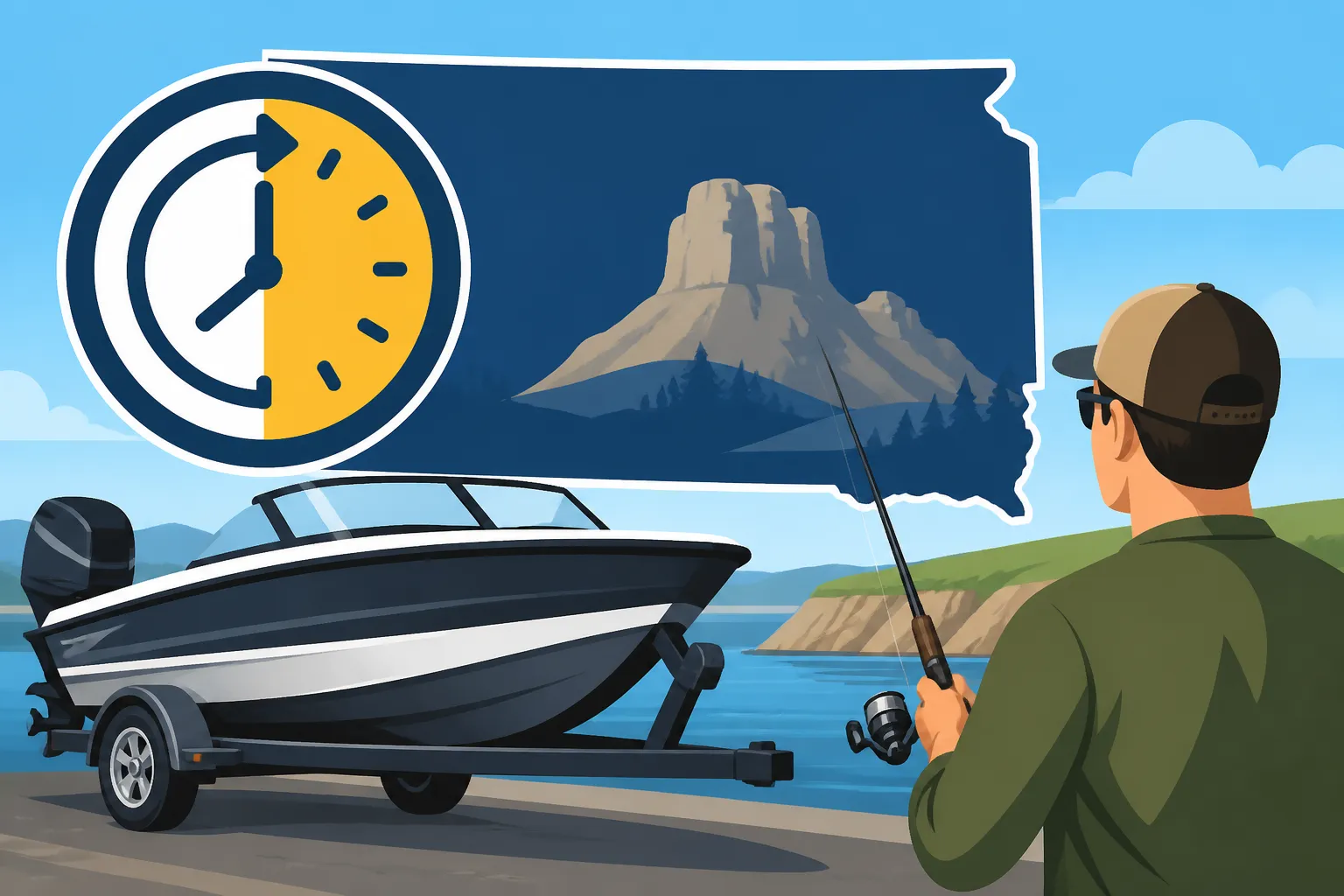
Let's talk about the big one: the 60-day rule. If your boat is legally registered in another state, you can typically use it in South Dakota for up to 60 consecutive days without needing to register it here. This is a huge relief for many anglers planning extended vacations or seasonal trips. Imagine a family from Omaha, Nebraska, who loves spending a good chunk of their summer on Lake Francis Case, chasing walleye and smallmouth bass. As long as their boat is properly registered in Nebraska and their visit doesn't exceed 60 days, they don't need to get South Dakota tags. It's truly a welcoming gesture from our state to out-of-state visitors.
However, it’s crucial to understand what "consecutive days" means. It's not 60 days of use scattered throughout the year; it's generally about the boat being physically present and used in South Dakota for up to two months straight. If you bring your boat up for three weeks in June, take it home for a month, and then bring it back for another three weeks in August, you would typically reset that clock. This grace period is specifically designed for temporary recreational use. Our resident boaters, on the other hand, have different requirements and must register their vessels with the state immediately upon purchase or establishing residency. You can dive deeper into the specifics of what residents need to do in our South Dakota Boat Registration Guide.
What Documentation You Must Carry
Just because you're enjoying a grace period doesn't mean you can leave your paperwork at home! Even with a valid out-of-state registration, you are absolutely required to carry proof of that registration with you whenever your boat is on South Dakota waters. This isn't just a suggestion; it's a critical piece of information that our game wardens and law enforcement officers will need to verify if they stop you. Think of it like carrying your driver's license: you wouldn't drive without it, and you shouldn't boat without your registration documents.
Beyond your home state's registration, it's always a good idea to have other important documents readily accessible, such as your boat's title or proof of ownership. While these might not be required for every stop, having them demonstrates you are the legal owner and have nothing to hide. Failing to provide proper documentation can lead to delays, questioning, and potentially ruin an otherwise perfect day on the water. Additionally, remember that while boat registration has a grace period, safety equipment requirements do not. Make sure you're up to snuff on things like life jackets, fire extinguishers, and sound-producing devices, as outlined in our South Dakota Boat Safety Equipment Requirements.
When the 60 Days Don't Apply
While the 60-day rule is a fantastic convenience, there are specific situations where it simply doesn't apply, and you'll need to register your boat in South Dakota right away. The most common scenario is if you establish residency in South Dakota. If you move here and bring your boat with you, it immediately falls under South Dakota's registration laws, regardless of how long you've had it in the state previously. It’s about your permanent address and intent.
Another key exception is if your boat is permanently moored, docked, or stored in South Dakota, even if you, the owner, still reside out of state. For example, if you keep your boat at a marina on Lake Sharpe all year round, it needs to be registered in South Dakota. The state considers this a more permanent presence. Lastly, if you're using your boat for any commercial purpose—such as operating a fishing guide service, running charter trips, or renting it out—the 60-day exemption typically goes out the window, and you'll need immediate South Dakota registration and possibly a special permit. Those looking to operate a commercial fishing venture should specifically look into South Dakota Fishing Guide License Requirements.
Practical Scenarios and Navigating the Rules
Life on the water isn't always black and white, and neither are the circumstances under which people bring their boats to South Dakota. Let's explore some common situations and how these rules apply, to help you navigate our beautiful waters with confidence.
The "Seasonal Visitor" Dilemma
We have so many wonderful folks who visit South Dakota year after year, sometimes for several weeks or even a couple of months at a time, but they truly are seasonal visitors and don't establish residency. This is where the 60-day rule can get a little tricky to manage. For these dedicated anglers, the question often boils down to: "Does the clock reset if I take my boat home for a week?" Generally, the 60-day grace period is intended for a single continuous period of use or presence within the state in a given year. If you're coming for three weeks in May, then another three weeks in July, and then two weeks in September, you're looking at a cumulative total of eight weeks (56 days) of use. That would likely still fall within the 60-day grace period. The real issue arises if your total usage in a calendar year starts consistently bumping up against or exceeding that 60-day mark.
For someone like our hypothetical Minnesota angler who makes multiple trips a season to chase trophy walleye on Lake Oahe, tracking those days becomes paramount. It's always best to keep a simple log or calendar marking the dates your boat is physically in South Dakota. This provides clear documentation should a question ever arise. If you consistently find yourself spending more than 60 days cumulatively on our waters, even if broken up, it might be worth considering registering your boat here for simplicity's sake. It removes any guesswork and ensures you're always compliant, letting you focus on the fish, not the clock. Our Lake Oahe Fishing Guide can help you plan those trips effectively.
Buying a Boat While in South Dakota
Here's a scenario that often catches people off guard: an out-of-state resident decides to purchase a boat while they're visiting South Dakota. Maybe they saw an amazing deal at a local dealership or a private sale, and it was too good to pass up. In this situation, the 60-day grace period for out-of-state registered boats does not apply. Because you've just acquired the vessel within South Dakota, it immediately falls under our state's registration requirements.
This means you'll need to initiate the South Dakota registration process right away, even if you intend to take the boat back to your home state the next day. There are also South Dakota sales tax implications that apply to the purchase of boats within the state, regardless of the buyer's residency. While I can't give specific tax rates, know that it's a factor you'll need to consider and address during the purchase process. It's critical to understand these nuances to avoid any unexpected fees or legal troubles when you're trying to get your new-to-you boat out on the water. Be sure to check with the local county treasurer's office or the South Dakota Game, Fish and Parks (GFP) for the most up-to-date information on immediate registration and sales tax for new boat purchases. You can also get a sense of the costs by reviewing our South Dakota Boat Sales Tax Rate article.
Avoiding Penalties and Unwanted Hassle
Nobody wants their fishing trip ruined by a run-in with the law, especially when it could be easily avoided. Understanding South Dakota's boat registration rules is about more than just compliance; it's about enjoying your time on the water without the anxiety of potential penalties. The consequences of not adhering to the regulations can range from a simple warning to significant fines, or even having your boat impounded, which would definitely put a damper on your vacation. Trust me, it’s not a story you want to tell back home. South Dakota Fishing Without a License Penalties are no joke, and boat registration falls under similar scrutiny.
Game wardens and local law enforcement are very adept at identifying out-of-state boats, often by the differing appearance of registration decals and numbers. They patrol our waters to ensure everyone is operating safely and legally. The best way to ensure a smooth interaction is always to have your current home state registration clearly displayed and the physical documentation on board. If you're nearing that 60-day mark, or if you're in one of those "exception" scenarios, take proactive steps. Reach out to the South Dakota GFP office or a local county treasurer's office for clarification. It's always better to ask than to assume and face potential problems later. A little preparation goes a long way in ensuring your South Dakota fishing trip is memorable for all the right reasons.
Deciding When to Register in South Dakota (Even if Not Required)
Sometimes, even if the law doesn't strictly require you to register your out-of-state boat in South Dakota, it might just make practical sense to do so. It's a choice many frequent visitors weigh, considering the long-term benefits versus the initial effort.
The Benefits of Local Registration for Frequent Visitors
For those who find themselves returning to South Dakota's pristine waters year after year, perhaps spending a month or more each season, deciding to register your boat here can offer surprising advantages. The most obvious benefit is pure simplification. No more juggling dates, no more worrying if this year's cumulative visits have pushed you over that 60-day threshold. You simply have South Dakota registration, and you're good to go whenever you pull your boat into our state. This peace of mind is invaluable, allowing you to fully immerse yourself in the fishing experience.
Local registration also often means easier access to services and information within the state. Renewing your registration becomes a familiar process handled by the South Dakota GFP, and any questions or issues can be resolved with local authorities who are already familiar with your boat's status. Furthermore, your registration fees directly contribute to local conservation efforts and the maintenance of our boat ramps, access points, and fish stocking programs. It's a way to directly support the very resources you love to enjoy. While it might seem like an extra step initially, for the dedicated South Dakota angler who happens to reside elsewhere, it often streamlines future adventures. For those considering it, checking out South Dakota Boat Registration Renewal can give you a head start on the ongoing process.
The Registration Process for Non-Residents Choosing to Register
If you've weighed the options and decided that registering your boat in South Dakota is the right move for you, the process is quite straightforward. You'll typically head to your local County Treasurer's office, which handles boat registrations, or you might even be able to start the process online through the South Dakota Game, Fish and Parks website. You'll need key documents like your boat's existing title (if it has one), a bill of sale (if it's a recent purchase), and proof of any sales tax paid in your home state (to avoid double taxation, though specific rules apply).
It's always a good practice to check the South Dakota GFP website or call a County Treasurer's office in advance to get the most current list of required documents and fees. This way, you can arrive prepared and complete the process efficiently. Once your boat is registered in South Dakota, you'll receive new decals and registration numbers to display on your vessel. This is also a great time to ensure you have all your essential gear in order. Whether you're upgrading your electronics or stocking up on new lures, places like Bass Pro Shops or even online through Amazon offer a vast array of boating and fishing accessories that can enhance your time on the water. Getting your boat properly registered is the first step, and How to Register a Boat in South Dakota provides a comprehensive walkthrough.
Other Considerations: Trailers and Licenses
It's easy to think of your boat as a complete package, but when it comes to legal requirements, it's essential to remember that boat registration is often separate from your trailer's registration. Your boat trailer will likely still need to be registered in your home state, unless you move your official residence to South Dakota. Each state has its own trailer plate and registration rules, so make sure both your boat and trailer are compliant with the appropriate state laws.
Equally important, and definitely separate, are fishing licenses. Even if your boat is registered in South Dakota, if you are a non-resident, you will still need to purchase a South Dakota nonresident fishing license to fish legally. The rules for fishing licenses are distinct from boat registration, and there is no grace period for fishing without a valid license. Don't let a great day on the water turn sour because you forgot this crucial step! You can find detailed information on South Dakota Nonresident Fishing License Rules to ensure you're always ready to cast a line. While some states have reciprocal agreements for fishing licenses in certain border waters, these rarely extend to boat registration, so it's best not to confuse the two. For a full picture of what might be covered by reciprocal agreements, you can read our guide on South Dakota Fishing License Reciprocity Agreements.
| Scenario | Home State Boat Registration | South Dakota Boat Registration Required | Notes on Use |
|---|---|---|---|
| Short-term visitor (under 60 days) | Yes, current | No | Must carry home state registration & safety gear. |
| Frequent visitor (cumulative over 60 days) | Yes, current | Yes, if cumulative use exceeds 60 days in a period | Consider SD registration for simplicity. |
| Permanent storage in South Dakota | Yes, current (but may become invalid) | Yes, immediately | Even if owner is non-resident. |
| Owner establishes SD residency | No longer valid | Yes, immediately | New residency triggers immediate SD registration. |
| New boat purchased in South Dakota | Not applicable | Yes, immediately | Subject to SD sales tax and registration process. |
| Commercial use in South Dakota | Yes, current (but may become invalid) | Yes, immediately | Specific commercial permits may also be needed. |
Disclaimer
This article is for general informational purposes only and does not constitute professional advice. Laws, prices and regulations vary by location and change over time. Consult a qualified professional for guidance on your specific situation.