Do You Need to Register a Canoe in South Dakota?
It's easy to feel a bit lost in the weeds when it comes to boating regulations, especially for something as seemingly simple as a canoe. Many of us just want to enjoy a peaceful paddle on a South Dakota lake or river without inadvertently breaking the law. The good news is, for canoes, the rules are often less complicated than you might think, and this guide is here to help you navigate whether your canoe needs to be officially registered.
Understanding South Dakota's Boat Registration Basics
Before we dive specifically into canoes, let's lay a little groundwork about how South Dakota generally approaches boat registration. It can feel like a labyrinth of rules sometimes, but at its core, boat registration is about safety, accountability, and funding for our precious waterways.
The General Rule for Watercraft in South Dakota
In South Dakota, most motorized watercraft are required to be registered. This isn't just a random bureaucratic hurdle; it serves a real purpose. Think about it: if there's an emergency on the water, registration helps identify who owns the vessel and who might be on board. It also contributes to the state's efforts in maintaining boat ramps, managing fish populations, and ensuring everyone has a safe and enjoyable experience on the water.
When we talk about "watercraft," the South Dakota Game, Fish and Parks (GFP) really means any kind of vessel that you're using on public waters. This can range from big fishing boats to personal watercraft. The general rule of thumb is: if it has an engine, even a small one, it's very likely going to need to be registered. This applies whether you're cruising on the wide expanses of Lake Oahe or exploring a smaller glacial lake. If you want a more comprehensive overview of all the rules, check out our South Dakota Boat Registration Guide.
Exemptions to the Registration Rule
Now, here's where things start to get interesting and where canoes usually find their sweet spot. Not every single floating device on South Dakota waters needs a registration sticker. The state recognizes that some vessels are operated differently and pose different considerations. Generally, exemptions revolve around the method of propulsion and, sometimes, the size of the craft.
For instance, very small, manually powered craft, or those used solely on private ponds, often fall outside the registration requirement. The key factor that often determines if a boat is exempt from registration is whether it has a motor. If your vessel relies solely on your muscle power – be it paddling, rowing, or pedaling – there's a good chance it's exempt from the standard registration process. Understanding these exemptions can save you a trip to the county treasurer's office and a bit of paperwork!
Do Canoes Specifically Need to Be Registered in South Dakota?
This is the million-dollar question for many paddling enthusiasts! You bought a canoe for peaceful enjoyment, not for government paperwork. So, let's get to the heart of the matter.
The "No Motor" Exemption for Canoes
For the vast majority of canoe owners in South Dakota, the answer is a resounding no, you do not need to register your canoe if it is solely propelled by human power. This means if you're out there with just your paddles, enjoying the serenity of the water, your canoe is considered an "unpowered" vessel and is exempt from state registration.
Think about those lazy afternoons on Lake Poinsett or the quieter stretches of the James River. You're simply using your own two arms (or four, if you've got a paddling partner!) to move across the water. The South Dakota GFP recognizes this distinction. The intent behind the registration laws is largely centered around tracking and regulating motorized vessels, which have different impacts and considerations than a human-powered craft. So, if your canoe is strictly paddle-powered, you can breathe a sigh of relief – no registration certificate or decal needed for the hull. This aligns with many of the South Dakota Non-Motorized Boat Registration Rules.
When a Canoe Does Need Registration
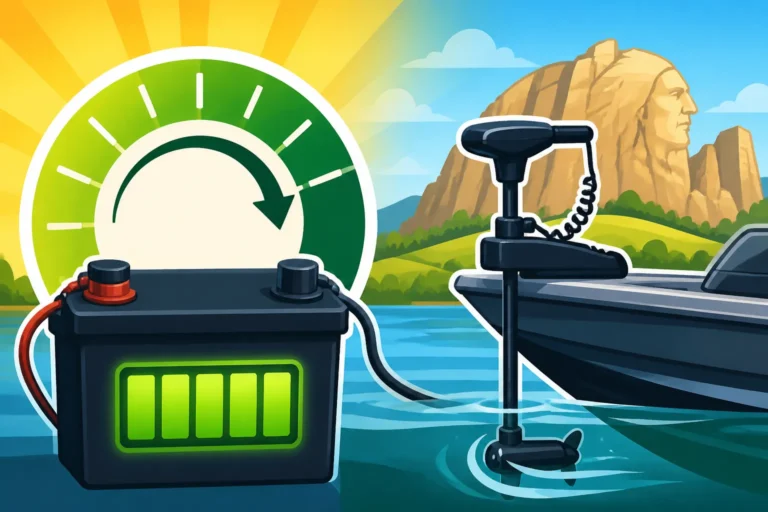
Hold on a second, though! There's an important caveat here, and it's where the lines can sometimes blur for folks. While a purely paddle-powered canoe is exempt, the moment you attach any kind of motor to it, even a small electric trolling motor, your canoe suddenly enters the world of registrable watercraft.
Yes, that's right. If you decide to add a little electric kicker to make those longer paddles on Lake Sharpe a bit easier, or to cover more ground when fishing, your beloved canoe is now considered a "motorized" vessel by South Dakota law. This means you'll need to go through the full registration process, just like a fishing boat or a personal watercraft. It’s crucial to understand this distinction, because hitting the water with a motorized canoe that isn't registered could lead to a less-than-pleasant encounter with a game warden. So, before you slap that motor on, make sure you’re prepared to handle the registration steps.
The Difference Between Registration and Other Requirements
It’s easy to get hung up on registration, but remember that the absence of a registration requirement doesn't mean an absence of responsibility. Even if your canoe doesn't need to be registered, there are still crucial safety and environmental obligations every paddler should be aware of.
Essential Safety Gear for Canoes Registered or Not
This is perhaps the most important takeaway for any canoe owner. While your paddle-powered canoe might not need a registration sticker, it absolutely does need to be equipped with proper safety gear. This isn't just about avoiding a fine; it's about protecting your life and the lives of anyone else in your canoe.
The number one item on that list? Life jackets (Personal Flotation Devices, or PFDs). South Dakota law is very clear on this: you must have one Coast Guard-approved wearable PFD for each person on board your canoe. And for children, the rules are even stricter – often requiring them to wear the PFD at all times when the vessel is underway. Imagine a sudden capsize in cold water on the Missouri River; a PFD can be a lifesaver. You can find excellent quality PFDs for all ages and sizes at stores like Bass Pro Shops or online through Amazon.
Beyond life jackets, consider other basic safety items. A bailer or sponge is vital for removing water, especially if you take on a wave or some rain. A sound-producing device, like a whistle, is a simple and effective way to signal for help. If you're out after sunset or before sunrise, navigation lights become a legal requirement too. It's really about being prepared for the unexpected, no matter how calm the water seems. For more specific details on what you need, refer to South Dakota Boat Safety Equipment Requirements and South Dakota Life Jacket Requirements.
| Item | Canoe (Unpowered) | Canoe (Motorized) |
|---|---|---|
| State Registration | No | Yes |
| Coast Guard Approved PFDs | Yes | Yes |
| Sound-Producing Device | Yes | Yes |
| Bailer/Pump/Sponge | Yes | Yes |
| Navigation Lights (Night) | Yes | Yes |
| Fire Extinguisher | No | Yes (if enclosed fuel/engine) |
This table provides general guidance. Always check current South Dakota GFP regulations for precise requirements.
Understanding Aquatic Invasive Species AIS Regulations
Another critical responsibility for all boaters, including canoeists, is preventing the spread of Aquatic Invasive Species (AIS). These are non-native plants, animals, or pathogens that can severely harm South Dakota's native ecosystems, fisheries, and recreation. Think of zebra mussels or Eurasian watermilfoil – they can rapidly take over a lake, impacting everything from water quality to fish populations.
The South Dakota GFP has strict "Clean, Drain, Dry" protocols that apply to all watercraft, regardless of whether they're registered. This means before you leave a boat ramp:
- Clean all visible aquatic plants, animals, and mud from your canoe, paddles, and any gear.
- Drain all water from your canoe, bilge, livewell, and bait buckets.
- Dry your canoe and gear thoroughly before launching into another body of water.
It's a simple process that takes only a few minutes, but it has a massive impact on protecting our beautiful lakes and rivers. Even a small piece of plant matter caught on your paddle or a few drops of water in the hull can unknowingly transfer an invasive species. This isn't just a suggestion; it's a legal obligation and a vital part of being a responsible steward of our natural resources.
Practical Steps for Canoe Owners
So, you've got a canoe, you understand the basics, but what are some practical steps you can take to ensure you're always on the right side of the rules and fully prepared for your next paddling adventure?
Verifying Your Canoe's Status
The best advice I can give any boater is to always refer to the official source. While this guide provides a solid overview, regulations can sometimes change, or there might be specific nuances for certain bodies of water. Your first and best resource is always the South Dakota Game, Fish and Parks (GFP) website or their official publications, like the annual fishing handbook.
If you're still unsure about whether your specific canoe setup might require registration – especially if you're considering adding a motor – don't hesitate to reach out directly to the GFP. They are there to help boaters understand the rules and ensure everyone has a safe and legal experience. They can clarify any questions about "motorized" definitions, horsepower limits, or any other detail that might apply to your situation. Getting an answer directly from the source eliminates any guesswork.
Where to Find More Information and Gear
Knowing the regulations is one thing, but having the right gear is another! Once you're clear on whether your canoe needs to be registered (or not), your next step is to ensure you have all the necessary safety equipment and any other accessories to make your paddling experience enjoyable.
Local sporting goods stores across South Dakota, like those you might find in Sioux Falls or Rapid City, are fantastic places to get hands-on with PFDs, paddles, bailers, and other canoe accessories. The staff there often have local knowledge and can help you find gear that's appropriate for South Dakota's diverse waterways.
Of course, the convenience of online shopping means you can also explore a massive range of options from retailers like Amazon or Bass Pro Shops. Whether you're looking for a new lightweight paddle, a comfortable kayaking PFD, or a waterproof dry bag for your essentials, these platforms offer a vast selection. Just remember to double-check that any safety gear you purchase is Coast Guard-approved if that's a requirement. Staying informed and well-equipped will ensure every trip out on the water is both compliant and enjoyable. For any general fishing related questions, the South Dakota GFP Fishing Handbook Guide is an invaluable resource.
In summary, for most canoe owners in South Dakota, the simple act of paddling doesn't come with the added burden of state registration. Enjoy the peace and quiet of South Dakota's waters, but always prioritize safety with the right gear and do your part to protect our beautiful environment from aquatic invasive species.
Disclaimer
This article is for general informational purposes only and does not constitute professional advice. Laws, prices and regulations vary by location and change over time. Consult a qualified professional for guidance on your specific situation.