What to Pack for a Full Day on Lake Oahe
Heading out for a full day of fishing on Lake Oahe is an incredible experience, but the sheer size and often unpredictable nature of this magnificent reservoir mean you need to be seriously prepared. Many anglers have been caught off guard by sudden weather shifts or unforeseen needs miles from shore. This comprehensive guide will walk you through everything you need to pack for a successful, safe, and comfortable day chasing walleye and salmon on South Dakota's largest lake.
The Essentials: Your Core Fishing & Safety Gear
When you're launching onto a body of water as vast as Lake Oahe, your core gear isn't just about catching fish; it's about ensuring your safety and compliance. Forgetting a crucial item here can quickly turn a dream day into a frustrating or even dangerous situation. Think of this section as your non-negotiable checklist before you even consider what bait to throw.
Fishing Licenses and Regulations
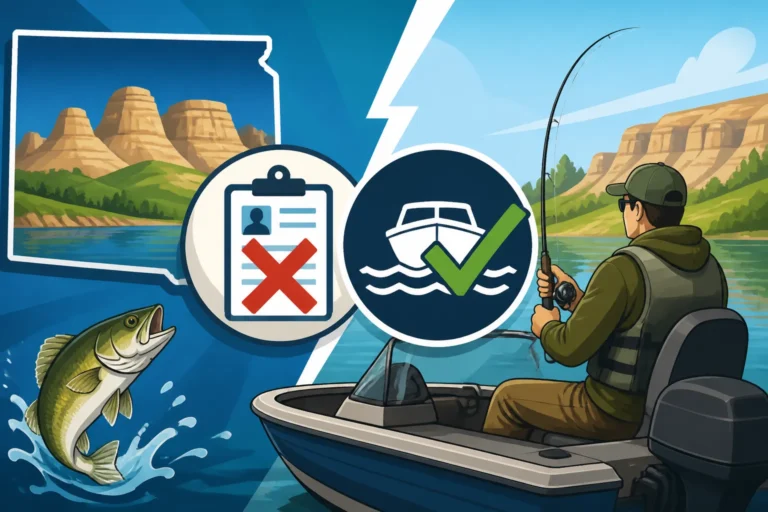
Before your first cast hits the water, you absolutely must ensure your fishing license is current and in your possession. South Dakota has clear rules, and game wardens patrol Lake Oahe to ensure everyone is compliant. Carrying a physical copy of your license, or having it readily accessible on your phone through the official app, is non-negotiable. Don't let an oversight here cost you a fine or ruin your trip.
It's also vital to be familiar with the specific regulations for Lake Oahe. This includes understanding South Dakota Walleye Limits and South Dakota Chinook Salmon Regulations, as well as any length restrictions or special conditions that apply to this particular body of water. Ignorance of the law is never an excuse, and these regulations are designed to protect the fishery for everyone. Take a moment before you leave the dock to review the latest South Dakota Fishing Regulations Explained and confirm any specific requirements for Lake Oahe. You might also want to check if you need a South Dakota Habitat Stamp Requirements.
Boat Safety Equipment
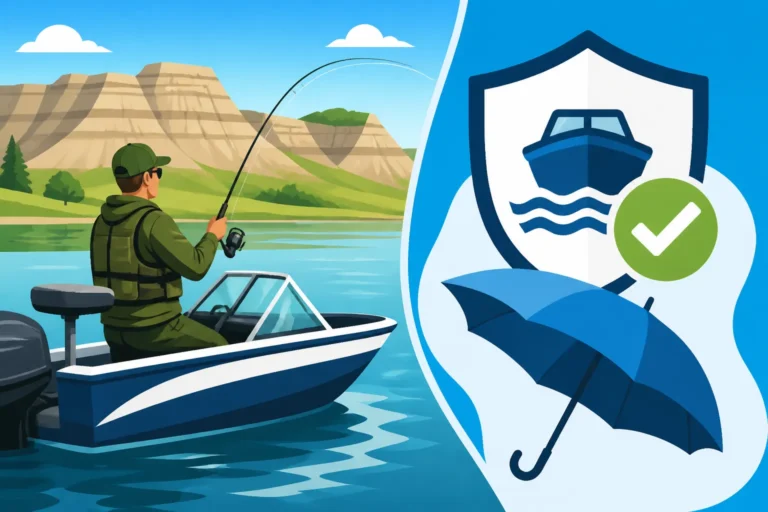
Safety on Lake Oahe is paramount, especially given its size and the potential for rapidly changing conditions. Your boat must be equipped with all the required safety gear. This includes U.S. Coast Guard-approved personal flotation devices (PFDs) for everyone on board, a sound-producing device like a horn or whistle, and a fire extinguisher. Make sure all PFDs are in good condition and easily accessible, not buried under a pile of tackle.
Beyond the legal minimums, it's wise to pack extra PFDs, particularly if you have children or unexpected guests joining you. Familiarize yourself with South Dakota Life Jacket Requirements and all the general South Dakota Boat Safety Requirements. A working bilge pump and a spare paddle or oar, even on a motorized boat, can be lifesavers if mechanical issues arise far from a marina. Remember, preparedness is the best defense against unforeseen circumstances on the water.
Rods, Reels, and Tackle Box
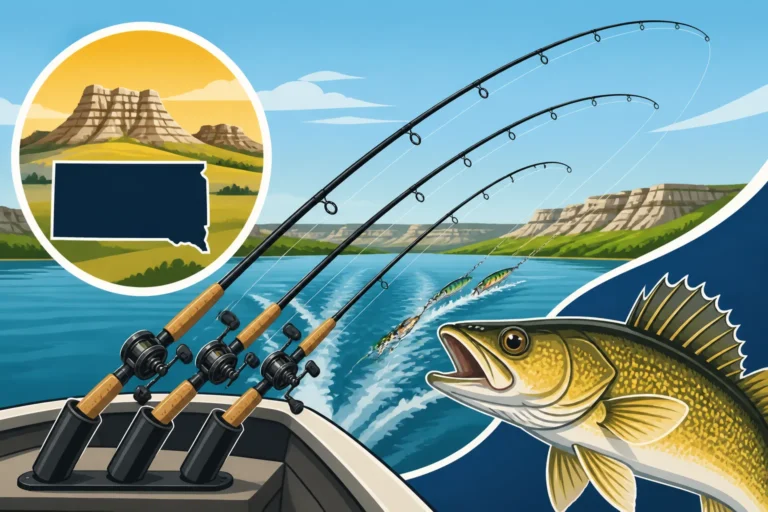
Lake Oahe offers diverse fishing opportunities, from trolling for walleye in open water to jigging for smallmouth bass near structure, or even targeting salmon. Packing a variety of rods and reels will ensure you're ready for whatever the fish are biting on or whatever technique is proving most effective that day. Consider bringing at least two different setups: one for trolling crankbaits or spinner rigs, and another for casting jigs or live bait.
Your tackle box is your fishing arsenal. For Lake Oahe, this means a well-organized selection of walleye-specific lures like crankbaits, jigs, and spinner rigs, along with a good assortment of terminal tackle—hooks, sinkers, swivels, and leaders. Don't forget baits for salmon if you're targeting them, which often involves spoons or specific plugs. It's often helpful to keep a secondary, smaller tackle box with frequently used items for easy access. If you're looking to upgrade your tackle organization, places like Bass Pro Shops offer a huge array of options that can help keep everything sorted and ready to go. Having the right gear, well-maintained and organized, is crucial for maximizing your time on the water, and you can find specific recommendations in our guide on the Best Tackle for South Dakota Walleye Fishing.
Personal Comfort & Protection from the Elements
The weather on Lake Oahe, and truly all of South Dakota, can be notoriously fickle. What starts as a calm, sunny morning can quickly turn into a windy, chilly, or even rainy afternoon. Being comfortable allows you to focus on fishing, not on shivering or battling a sunburn. Packing for personal comfort is just as important as packing your fishing gear.
Layered Clothing Strategy
The key to dressing for a full day on Lake Oahe is layering. Start with a moisture-wicking base layer that helps regulate your body temperature. Over that, add a warm mid-layer like a fleece jacket or sweatshirt. Finally, an outer shell that is both waterproof and windproof is absolutely essential. Even on a clear day, the wind over the open water can create a significant chill, and a sudden pop-up shower is always a possibility.
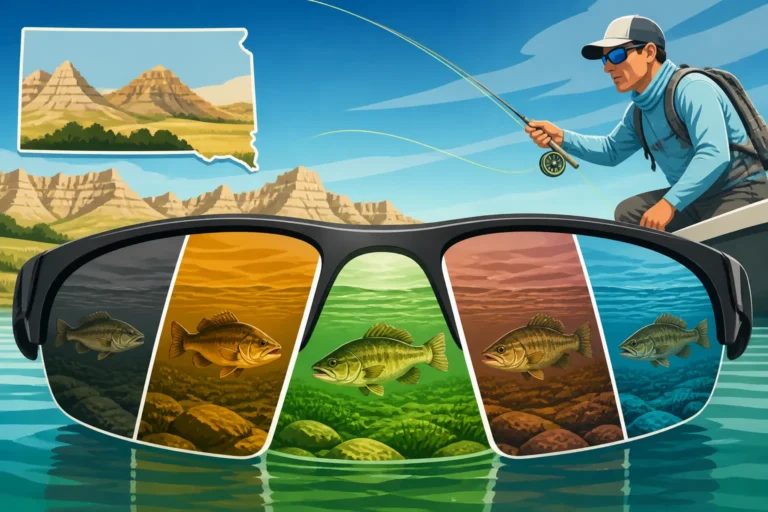
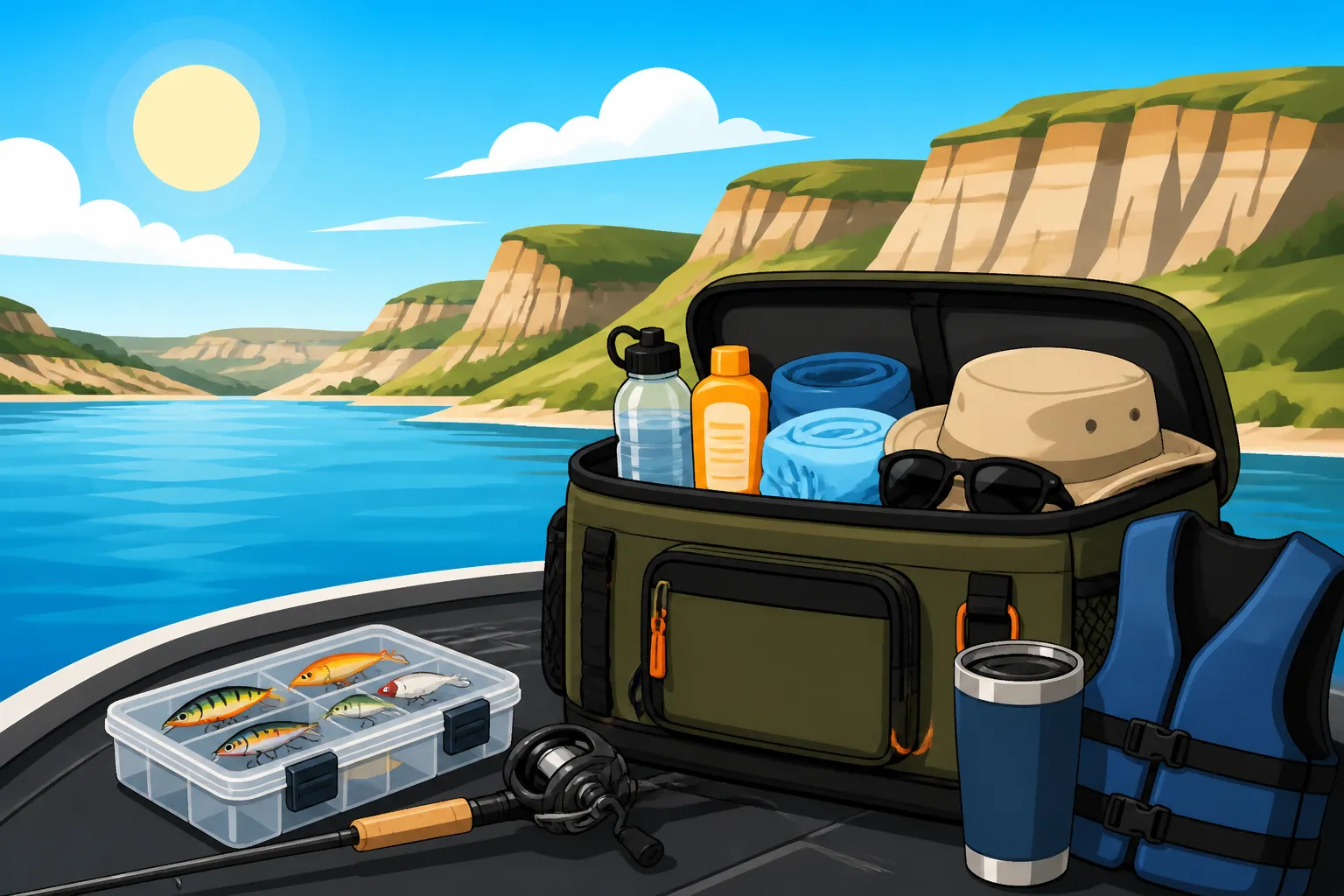
Don't forget robust sun protection. A wide-brimmed hat, polarized sunglasses, and high-SPF sunscreen are vital. The sun's rays reflect off the water, intensifying their effect, and prolonged exposure can lead to severe sunburn and eye strain. Polarized sunglasses will also help you see through the water, spotting structure or even cruising fish. If you realize you're short on specialized rain gear or need a quick replacement for a forgotten item, checking Amazon can sometimes offer fast shipping directly to your lodging near the lake.
Food, Water, and Hydration
A full day on Lake Oahe is exactly that—a full day. You'll be expending energy, dealing with sun and wind, and potentially battling fish. Dehydration can creep up quickly and sap your focus and enjoyment. Pack significantly more water than you think you'll need. Bringing a reusable water bottle and several large jugs of water is a smart move. Many seasoned anglers also bring sports drinks to replenish electrolytes.
For food, think easy-to-eat, non-perishable snacks and a substantial lunch. Sandwiches, wraps, granola bars, fruit, and nuts are excellent choices. Avoid anything that requires extensive preparation or refrigeration unless you have a high-quality cooler with plenty of ice. A good cooler, like those discussed in Best Coolers for Keeping Fish Fresh, will keep your food and drinks cold and your catch fresh until you get back to shore. Remember, you're often hours from the nearest convenience store or restaurant.
First Aid and Emergency Supplies
Even the most careful angler can encounter minor bumps, cuts, or insect bites. A basic first aid kit is a must-have on any boat. Include band-aids, antiseptic wipes, pain relievers, allergy medication, and any personal prescriptions you might need. Consider adding moleskin for blisters, especially if you'll be walking around shore access points or hiking to a secluded spot.
Beyond minor injuries, consider additional emergency items. High-quality insect repellent will save you from persistent gnats or mosquitoes, especially during dawn and dusk. A reliable flashlight or headlamp with fresh batteries is crucial if you end up staying out later than planned or need to navigate in low light. A whistle or signal mirror could be vital for signaling for help in an emergency, though a fully charged cell phone and possibly a VHF radio should be your primary communication tools.
Navigation, Communication, and Fish Care
Being able to find your way, communicate with others, and properly handle your catch are all crucial components of a successful and responsible fishing trip on Lake Oahe. This vast reservoir demands respect and preparation, particularly when it comes to technology and post-catch routines.
Navigation Tools
Lake Oahe is enormous, with countless bays, points, and submerged structures. Relying solely on visual landmarks can be a mistake, especially if fog rolls in or you venture far from familiar areas. A reliable GPS unit, ideally integrated into your fish finder, is essential. Mark your launch point, any hazards, and, of course, your favorite fishing spots. It’s a good idea to update your maps before you leave home to ensure you have the most current information. Our guide on Best Fish Finders for South Dakota Lakes offers some great options for reliable navigation.
While modern electronics are powerful, a physical, waterproof map of Lake Oahe is a smart backup. Batteries can die, and electronics can malfunction. Knowing how to read a traditional map can save you a lot of stress if your tech fails. For communication, a fully charged cell phone is a given, but consider a VHF marine radio for reliable communication with other boats or shore, especially in areas with spotty cell service. This is particularly important on a large body of water where help might be a long way off.
Fish Handling and Storage
Responsible anglers know that how you handle your catch matters. If you plan to keep fish, a functional livewell is ideal for keeping them healthy until you can get back to shore. If your boat doesn't have a livewell, or if you prefer to dispatch your catch immediately, a large cooler filled with ice is your next best option. This ensures the fish stay fresh and in prime condition for the dinner table. Remember to abide by South Dakota Fish Limits and Size Restrictions and be prepared to measure your fish accurately.
You'll also want a measuring board or tape to confirm your fish meet legal size requirements before you put them in the cooler. A small hand scale can be fun for weighing your catches, especially if you're participating in a friendly competition or just curious about that trophy walleye. Don't forget a camera to snap a quick photo of your prize before release or retention. For those aspiring to document a truly massive catch, learn about the South Dakota Trophy Fish Award Program.
Tools and Miscellaneous Items
A few simple tools can make a big difference on the water. A good pair of fishing pliers is essential for removing hooks safely and quickly, especially from toothy northern pike or deep-set hooks. Line cutters or a sharp knife are also crucial. A multi-tool can come in handy for countless small tasks, from tightening a loose screw on your reel to opening a stubborn package.
Always pack extra batteries for any electronics that aren't hard-wired to your boat's power system, such as flashlights, headlamps, or portable fish finders. A few clean towels or rags are invaluable for wiping down hands, cleaning up spills, or drying off gear. Lastly, a small repair kit with items like electrical tape, zip ties, and a few common wrenches can address minor boat issues that might otherwise cut your day short. You can get a comprehensive overview of necessary gear with our South Dakota Fishing Gear Checklist.
Preparing for the Unexpected: Contingency Packing
Even with the best planning, things can go wrong. Being prepared for the unexpected is a hallmark of an experienced angler, especially when navigating a vast and remote area like Lake Oahe. A few extra items can prevent minor inconveniences from escalating into major problems.
Emergency Boat Supplies
Mechanical issues can happen to any boat, anywhere. Being miles from the nearest ramp with a problem is a scenario no one wants. Always carry an extra propeller and the wrench needed to change it. Hitting a submerged object or a rock pile is a real possibility on some parts of Oahe, and a damaged prop can leave you dead in the water. A small collection of spare fuses for your boat's electrical system can solve common issues like a dead bilge pump or malfunctioning electronics.
Duct tape, often called "angler's gold," can temporarily fix a surprising array of problems, from a leaky hose to a cracked seat. Consider packing a small, waterproof emergency toolkit with basic hand tools. If you have multiple batteries on board, or a friend with a similar setup, a set of jumper cables can get you out of a bind if a battery dies. Checking our South Dakota Boat Safety Requirements will also give you more ideas for essential emergency items.
Personal "Just in Case" Items
Beyond boat mechanics, think about personal comfort and safety. A dry bag is an invaluable item for protecting your phone, wallet, keys, and any other valuables from splashes or accidental drops. On a big lake, water is everywhere, and keeping electronics dry is a constant battle.
A portable power bank for your cell phone ensures you can always call for help or navigate, even if your phone's battery runs low. On cooler days, or if you find yourself fishing into the evening, a few chemical hand warmers can provide surprising comfort. And, while you hope to be too busy reeling in fish, a good book or a portable speaker (used respectfully, of course) can make slower periods more enjoyable. Don't underestimate the mental boost these small comforts can provide when you're out on the water all day.
| Category | Essential Items | Why It's Crucial |
|---|---|---|
| Documentation | Fishing License, Habitat Stamp, Boat Registration | Legal requirement, avoids fines, proves ownership. |
| Safety | PFDs (for all), Fire Extinguisher, Sound Device, First Aid Kit | Life-saving, legal compliance, addresses minor injuries. |
| Fishing Gear | Rods & Reels (multiple), Organized Tackle Box, Net/Boga Grip, Measuring Device | Prepared for different species/techniques, proper fish handling, legal compliance. |
| Personal Comfort | Layered Clothing, Rain Gear, Sunscreen, Hat, Polarized Sunglasses, Bug Spray | Protection from unpredictable weather, prevents sunburn, reduces glare, deters insects. |
| Food & Hydration | Plenty of Water, Snacks, Lunch, Cooler | Maintains energy and focus, prevents dehydration, keeps food and catch fresh. |
| Navigation & Comms | GPS/Fish Finder, Charged Cell Phone, VHF Radio (optional), Physical Map | Prevents getting lost, emergency contact, real-time communication. |
| Tools & Misc. | Pliers, Line Cutters, Multi-tool, Extra Batteries, Towels, Dry Bag | Facilitates hook removal, repairs, keeps valuables dry, general utility. |
| Contingency | Spare Prop & Wrench, Fuses, Duct Tape, Jumper Cables (if applicable) | Addresses common mechanical failures, prevents being stranded. |
Disclaimer
This article is for general informational purposes only and does not constitute professional advice. Laws, prices and regulations vary by location and change over time. Consult a qualified professional for guidance on your specific situation.