Do You Need a Boating License to Fish in South Dakota?
It's a common question that trips up a lot of anglers heading to South Dakota's fantastic lakes and rivers: "Do I need a special boating license to operate my boat while I'm out fishing?" The good news is, for most adult anglers, the answer is simpler than you might think. This guide will cut through the confusion, clarify what’s actually required to hit the water, and ensure you're fully prepared for a legal and enjoyable fishing adventure.
Navigating South Dakota Waters: The Boating "License" vs. Operator Requirements
When people ask about a "boating license," they often imagine something akin to a driver's license for the road. While some states do have extensive mandatory boater education requirements that result in a card, South Dakota's approach is a bit different, particularly for adults.
The Straight Answer: No Specific Boating "License" for Adults
Here's the deal: if you're an adult (generally 12 years of age or older, which we'll detail shortly), South Dakota does not require you to hold a specific "boating license" or pass a mandatory boater safety course before operating a motorized vessel on its public waters. This can be a huge relief for experienced boaters coming from states with more stringent requirements, or for those new to boating who might be intimidated by another certification process.
However, "no license" doesn't mean "no rules." It simply means the state trusts adult operators to understand and adhere to navigation laws, safety regulations, and common sense on the water. This places a significant responsibility on the operator to be knowledgeable about safe boating practices, waterway rules, and the requirements for their vessel. Think of it like driving a car in some rural areas – you don't necessarily need a special permit for that specific road, but you absolutely need to know how to drive safely and follow the rules of the road. On the water, this includes understanding right-of-way, safe speeds, avoiding reckless operation, and knowing how to respond to emergencies.
Youth Boater Safety Education Requirements
While adults generally don't need a formal "boating license," there are important rules for younger operators that are designed to ensure safety and responsible operation. South Dakota has specific age and education requirements for youth operating motorized vessels:
- Under 12 Years Old: Children under the age of 12 are generally not permitted to operate a motorboat with a motor larger than six horsepower, or a personal watercraft (PWC), unless they are accompanied by a person 18 years of age or older who is legally capable of operating the vessel. This rule is in place to protect younger, less experienced individuals from potentially dangerous situations on the water. Imagine a small child trying to control a powerful outboard motor on a windy day on Lake Oahe – it's easy to see why these restrictions are necessary.
- 12 to 17 Years Old: If you are between 12 and 17 years old and wish to operate a motorboat with a motor larger than six horsepower or a PWC without adult supervision, you must successfully complete a state-approved boater safety education course. Upon completion, you'll receive a boater safety card, which acts as your proof of compliance. This course typically covers essential topics such as navigation rules, emergency procedures, aids to navigation, personal flotation device (PFD) requirements, and the dangers of boating under the influence. It’s a vital step for young boaters to gain the knowledge and confidence needed for safe operation. Many of these courses are available online or through in-person classes, making them accessible to most aspiring young captains.
It's crucial for parents and guardians to be aware of these requirements and ensure any minors operating their vessels are in full compliance. Ignoring these rules could not only lead to fines but, more importantly, put lives at risk.
Mandatory Safety Equipment and Vessel Registration
Beyond operator requirements, your vessel itself has to meet certain standards. These aren't about a "boating license" for you, but rather about the legal and safe status of your boat.
First off, nearly all motorized boats and even some non-motorized vessels used on public waters in South Dakota need to be registered with the state. This means obtaining a certificate of number and displaying the registration decals and numbers clearly on your boat's bow. This process ensures your vessel is properly identified and contributes to funding waterway management. For a deep dive into this, check out our guide on South Dakota Boat Registration Guide.
Secondly, safety equipment is non-negotiable. Every boat, regardless of size or whether it's motorized, must carry specific gear to ensure the safety of everyone onboard. This isn't just good practice; it's the law.
Here’s a quick overview of some essential items:
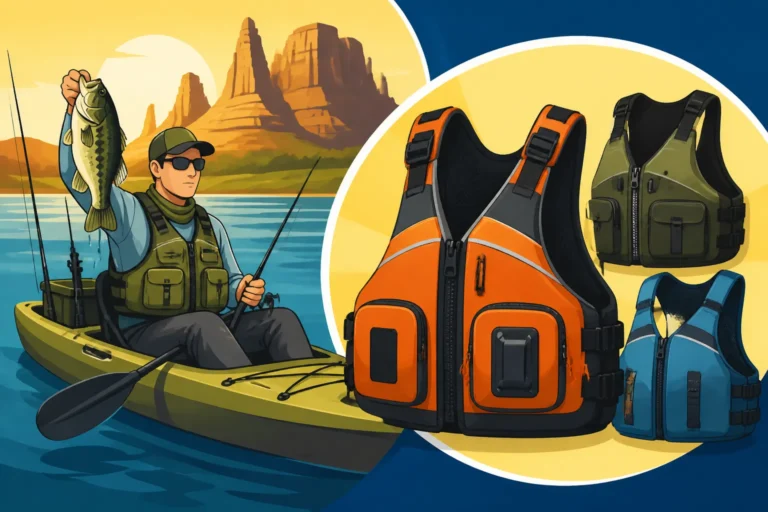
- Personal Flotation Devices (PFDs): You must have a U.S. Coast Guard-approved PFD for every person on board your vessel. Furthermore, children under 12 years of age are legally required to wear a PFD at all times when underway on any vessel. It’s also highly recommended that adults wear them, especially in rough water or cold conditions.
- Fire Extinguishers: If your boat has an inboard engine, enclosed fuel tanks, or other features that could lead to a fire hazard, you'll need at least one Coast Guard-approved fire extinguisher.
- Sound-Producing Devices: Depending on the length of your vessel, you might need a whistle, horn, or other device capable of producing an audible signal to alert other boaters.
- Navigation Lights: If you plan on operating between sunset and sunrise, or during periods of restricted visibility, your boat must be equipped with proper navigation lights (red/green sidelights and an all-around white light).
Failing to have the correct safety equipment can result in fines and, more critically, could compromise your safety and the safety of your passengers in an emergency. For a detailed list, refer to What Safety Gear Is Required on a South Dakota Fishing Boat?. You can find much of this essential safety gear at retailers like Bass Pro Shops or even online through Amazon, but always ensure it's U.S. Coast Guard approved.
Fishing in South Dakota: What You Do Need
Alright, so we've clarified the boating side of things. Now let's pivot to what you absolutely do need to have in hand if your primary goal is to drop a line and catch some fish in South Dakota. This is where the real "license" requirement comes in.
The All-Important Fishing License
This is the big one, folks! Unless you fall under very specific exemptions (which we'll touch on), everyone 16 years of age or older needs a South Dakota fishing license to legally fish in the state's public waters. This applies whether you're casting from the shore of Lake Kampeska, trolling for walleye on Lake Oahe, or fly fishing in a Black Hills stream.
These licenses fund critical conservation efforts, fish stocking programs, habitat restoration, and enforcement that keep South Dakota's fisheries thriving. Think of it as your contribution to keeping those incredible fishing opportunities available for future generations.
Here's a breakdown of some common scenarios:
- Residents: If you're a South Dakota resident, you have several options, including an annual license, which is usually the most cost-effective if you plan to fish more than a few times a year. There are also specific options for seniors or disabled veterans. You can explore these further in South Dakota Resident Fishing License Options.
- Nonresidents: Visiting anglers from out of state have options designed for shorter stays, such as a one-day, three-day, or annual nonresident license. If you're planning a week-long trip to hit the Missouri River reservoirs, a three-day license might fit the bill, or an annual if you visit frequently. Our guide on South Dakota Nonresident Fishing License Options has all the details.
- Youth: Children under 16 years of age are generally exempt from needing a fishing license in South Dakota, which is fantastic for introducing youngsters to the joys of angling without the added bureaucratic step. This is a common and often appreciated rule across many states, encouraging family participation.
Always carry your fishing license with you when you're out on the water, whether it's a physical copy or a digital version on your phone. Conservation Officers regularly check for valid licenses, and being caught without one can result in a hefty fine. For a complete understanding of all requirements, be sure to consult South Dakota Fishing License Guide.
Understanding the Habitat Stamp
Another important piece of the puzzle for many anglers is the South Dakota Habitat Stamp. This isn't always required, but it often goes hand-in-hand with your fishing license, particularly for residents.
The Habitat Stamp is an additional fee that contributes directly to the development, preservation, and maintenance of wildlife habitats across the state. These habitats benefit a wide range of species, including the fish you're targeting.
Generally, if you are a South Dakota resident aged 18 or older and you purchase an annual fishing license, you will also need to purchase a Habitat Stamp. There are some nuances, however. For instance, if you purchase certain short-term licenses (like a one-day license), or if you are under 18 or over a certain senior age, you might be exempt. It's always best to clarify this when you purchase your fishing license. Don't risk a violation by assuming you don't need one; it's typically a small added cost that makes a big difference for wildlife. Our detailed article, South Dakota Habitat Stamp Requirements, can help clear up any specific questions you might have about when and where it applies.
Adhering to Fish Limits and Regulations
Having a fishing license and a habitat stamp gets you on the water legally, but it doesn't mean you can just catch anything and everything. South Dakota has detailed regulations regarding what you can catch, how many you can keep (creel limits), and sometimes even the size of fish you can retain (size restrictions or slot limits).
These regulations are species-specific and often vary by water body to help manage fish populations sustainably. For example, walleye limits on Lake Oahe might be different from those on Lake Francis Case, and trout limits in the Black Hills streams are certainly different from panfish limits in glacial lakes. These rules are put in place by biologists to ensure healthy fish populations for years to come, preventing overharvest and protecting spawning fish.
You must familiarize yourself with these rules before you go fishing. Ignorance of the law is not an excuse. Imagine spending a glorious day catching a limit of beautiful walleye on Lake Sharpe, only to realize back at the cleaning station that half of them were under the minimum size or that you exceeded the possession limit. That's a gut-wrenching moment and an expensive mistake.
Always check the current South Dakota Game, Fish and Parks (GFP) Fishing Handbook or their website before each trip, as regulations can change. It's truly your fishing Bible for the state. We cover many of these specifics in articles like South Dakota Fishing Regulations Explained and South Dakota Fish Limits and Size Restrictions, which can give you a head start on understanding the complexities.
Why the Confusion? Distinguishing Boating from Fishing
It’s completely understandable why people often lump "boating licenses" and "fishing licenses" together. Both involve being on the water, often at the same time, and both are regulated by state authorities. However, they serve fundamentally different purposes, and understanding that distinction is key to navigating the rules without stress.
Different Purposes, Different Rules
Think about it this way:
- Boating Regulations are primarily concerned with the safe operation of a vessel and the general conduct on public waterways. They ensure that boats are seaworthy, equipped for emergencies, and operated in a manner that doesn't endanger other people or property. These rules apply to anyone operating a boat, whether they're fishing, waterskiing, simply cruising, or birdwatching. The focus is on the act of operating a vessel and maintaining order and safety on the water. This is why things like PFDs, fire extinguishers, and navigation lights are required for the boat itself, and why younger operators need safety education.
- Fishing Regulations, on the other hand, are all about conservation and the sustainable management of aquatic resources. They dictate what you can catch, how many, and when, all to protect fish populations from overexploitation and ensure a healthy ecosystem. These rules apply only to individuals engaging in the act of fishing, regardless of whether they're in a boat, on shore, or ice fishing. The primary focus here is on the harvest of fish and its impact on the environment.
Because these two areas have distinct objectives, the requirements for each are separate. You could theoretically go boating without a fishing license (if you're not fishing), and you could go fishing without a boat (if you're fishing from shore), though in South Dakota, you'd still need a fishing license if you're 16 or older. The intertwining of these activities often creates the common misconception about a combined "boating and fishing license."
Staying Informed: Your Best Defense
The best way to avoid any confusion or accidental violations is to be proactive and stay informed. Don't rely on old information or hearsay from a friend's cousin. Regulations can change, and what was true last year might not be true today.
The absolute best resource for all things related to fishing and boating in South Dakota is the South Dakota Game, Fish and Parks (GFP) website. They provide comprehensive, up-to-date information on fishing licenses, boating regulations, season dates, limits, and safety guidelines. It’s also where you can often purchase licenses directly and find digital copies of the current fishing handbook. Many local bait shops and sporting goods stores also carry physical copies of the annual fishing handbook, which is an invaluable resource to keep handy in your tackle box or boat. Our own guide, South Dakota GFP Fishing Handbook Guide, can point you to where to find this essential document.
Here's a quick reference table to help visualize the requirements:
| Activity | Required for Adults (18+) | Required for Youth (12-17) | Required for Vessel (Motorized) |
|---|---|---|---|
| Operating a Boat | No specific "boating license" or safety course | Boater Safety Course Certificate (if operating alone) | Vessel Registration |
| Knowledge of navigation rules & safety is assumed | Must be 12+ years old for >6hp motor/PWC, or supervised if younger | Mandatory Safety Equipment (PFDs, fire ext., etc.) | |
| Fishing | Valid South Dakota Fishing License (16+ years old) | Valid South Dakota Fishing License (16+ years old) | None for the act of fishing, but boat still needs registration |
| Habitat Stamp (often required with annual resident license) | Habitat Stamp (check exemptions for age/license type) | Adherence to Fish Limits & Regulations |
Remember, GFP staff are there to help you. If you have specific questions or unique situations, don't hesitate to contact them directly. It's much better to ask ahead of time than to face a citation on the water.
Practical Tips for a Smooth South Dakota Fishing Trip
Now that you're armed with a clearer understanding of the "boating license" versus fishing license conundrum, let's look at some practical tips to ensure your next South Dakota fishing trip is as smooth and enjoyable as possible.
Preparing Your Vessel for the Water
Before you even back your boat down the ramp, take the time to ensure it's in top-notch condition and legally compliant. This means more than just having enough gas.
- Inspect Your Safety Gear: Go through your boat and verify that all required safety equipment is present, easily accessible, and in good working order. Are there enough PFDs for everyone? Is your fire extinguisher charged? Do your navigation lights work? This is not just about avoiding a ticket; it's about protecting yourself and your loved ones. Refer back to South Dakota Boat Safety Requirements and What Safety Gear Is Required on a South Dakota Fishing Boat? for a full checklist.
- Check Your Registration: Make sure your boat's registration is current and the decals are properly displayed. If you've recently purchased a new boat or moved to South Dakota, ensure you've completed the South Dakota Boat Registration Guide process.
- Engine and Trailer Maintenance: A breakdown on the water or the side of the road can quickly ruin a fishing trip. Give your engine a quick once-over, check fluid levels, and ensure your trailer lights and tires are in good shape. A little preventative maintenance goes a long way.
- Load Management: Distribute weight evenly in your boat, especially if you're carrying a lot of gear for a full day on a large reservoir like Lake Sharpe. Overloading or improper weight distribution can affect your boat's handling and safety.
Ensuring Your Fishing Credentials Are Up-to-Date
Just as important as boat readiness is angler readiness. Don't let an expired license spoil your day.
- Purchase or Renew Early: Avoid the last-minute scramble. It's incredibly easy to buy or renew your South Dakota fishing license online through the GFP website. Many local vendors, like sporting goods stores and bait shops, also sell them. You can find detailed steps in How to Buy a South Dakota Fishing License Online and Fishing License Renewal Steps.
- Carry Proof: Whether it's a printed copy, a laminated card, or a digital version on your phone, always have proof of your valid fishing license and Habitat Stamp with you. A dead phone battery is not an excuse for not having your license accessible, so consider a physical backup.
- Know the Regulations: Before you head out, do a quick review of the specific fishing regulations for the water body you plan to visit. Pay close attention to daily limits, possession limits, and any size restrictions for the species you intend to target. It's easy to get excited and forget a nuance, so a quick check saves potential headaches.
Where to Get Your Gear and Knowledge
South Dakota fishing requires good gear, and knowing where to get it and local intel is priceless.
- Retailers for Essentials: For general fishing gear, from rods and reels to tackle boxes and terminal tackle, large retailers like Bass Pro Shops offer a huge selection. For specialized items or quick replacements, online giants like Amazon can often deliver what you need in a pinch, from specific lures to spare parts. Always cross-reference reviews and ensure quality, especially for critical items like PFDs or fishing line.
- Local Bait Shops: Your Best Resource: While big box stores are great for broad selection, nothing beats a local bait shop for real-time, hyper-local information. The folks working there fish those waters every day. They can tell you what the fish are biting on, recent water conditions, any new regulation changes, and even which specific spots have been hot. They often sell licenses and the official GFP handbooks too! Building a rapport with local shop owners and employees is like having a secret weapon in your fishing arsenal. They might even guide you on specific techniques for the local fish, like the best way to rig for crappie on Joe Creek, or what lures are working for Belle Fourche Reservoir walleye.
By taking these proactive steps, you're not just adhering to the letter of the law; you're setting yourself up for a safer, more productive, and infinitely more enjoyable fishing experience in the beautiful waters of South Dakota. Tight lines!
Disclaimer
This article is for general informational purposes only and does not constitute professional advice. Laws, prices and regulations vary by location and change over time. Consult a qualified professional for guidance on your specific situation.