What Age You Can Legally Drive a Boat in South Dakota
It’s a common question that pops up, especially when the kids are growing up and eager to take the helm: "Exactly what age can my child legally drive a boat in South Dakota?" Navigating the waters of state regulations can feel a bit murky, and you certainly don't want to get it wrong. After all, boating is a fantastic way to enjoy our beautiful lakes and rivers, but safety and legal compliance are paramount. This guide is here to clear up the confusion, walking you through South Dakota's specific rules regarding the minimum age for operating a boat or personal watercraft, and what steps you can take to ensure a safe and lawful experience on the water for everyone.
Decoding South Dakota's Minimum Age for Boat Operation
Understanding who can operate a boat in South Dakota isn't just about a simple number; it involves a combination of age, vessel type, and whether a safety course has been completed. It's a system designed to encourage responsible boating while still allowing younger enthusiasts to get involved.
Motorized Boats and the Age Threshold
When it comes to operating a motorized boat in South Dakota, there’s a clear age threshold to consider. Generally, the state aims to ensure that operators have a certain level of maturity and understanding before being fully in charge. It's not uncommon for people to assume that if you're old enough to drive a car, you're old enough to drive a boat. However, the rules are often different and specific to watercraft.
In South Dakota, typically, there isn't a specific "boating license" in the same way you get a driver's license for a car. Instead, the regulations focus on age and, for younger operators, the completion of a boating safety course or direct adult supervision. The crucial distinction is operating a boat without supervision. If you're a parent hoping to let your child take the wheel of your fishing boat on Lake Sharpe, you'll want to be well-versed in these rules. Often, minors under a certain age (which can vary, so always check the latest regulations from the South Dakota Game, Fish and Parks, or GFP) are required to have an adult over the age of 18 present and observing them closely. This adult isn't just a passenger; they need to be capable of taking immediate control of the vessel if necessary.
Special Rules for Personal Watercraft (PWCs)
Ah, personal watercraft – the zippy, exhilarating machines often referred to as Jet Skis, Sea-Doos, or WaveRunners. These craft bring a unique set of operating dynamics to the water, often leading to slightly different, and sometimes more stringent, regulations compared to traditional motorized boats. Their speed, maneuverability, and often closer proximity to other water users mean that operators need to be particularly attentive and skilled.
In South Dakota, it’s often the case that the minimum age for unsupervised operation of a PWC is higher than for other motorized boats, or there are stricter requirements concerning boater education for younger individuals. This is a common safety measure across many states, recognizing the distinct risks associated with PWC operation. If your teenager is eyeing a summer of zipping around Lewis and Clark Lake on a PWC, it's essential to confirm the specific age limit for unassisted operation and any mandatory boating safety course certifications they might need. This isn't just about avoiding a ticket; it's about preventing accidents and ensuring everyone's safety on crowded waters. You can often find great resources at retailers like Bass Pro Shops for PWC-specific safety gear and information about local courses.
The Game-Changer: Boating Safety Education
This is where things get interesting and where proactive steps can make a big difference for younger aspiring boat operators. For many states, including South Dakota, completing an approved boating safety course can effectively lower the age at which a minor can legally operate a motorized vessel or personal watercraft without direct adult supervision. It’s a fantastic system that prioritizes knowledge and responsibility over just waiting until a certain birthday passes.
These courses cover everything from navigation rules, proper handling of different types of vessels, emergency procedures, waterway markers, and environmental responsibilities. It’s not just about passing a test; it’s about instilling a deep understanding of safe boating practices. Many of these courses are offered both online and in person, providing flexibility for busy families. By having your child complete one of these certifications, not only do they gain the legal right to operate a boat earlier, but more importantly, they become a more confident and safer boater. This education is invaluable, truly turning a novice into a more competent individual on the water. South Dakota Boating Safety Requirements will delve into more details about what these courses entail.
Navigating Exceptions and Supervision Guidelines
While there are general age rules, South Dakota’s regulations also provide for situations where younger individuals can still enjoy operating watercraft, especially under the watchful eye of an experienced adult or when the vessel itself falls into a different category.
When a Minor Can Operate Under Adult Supervision
For those eager youngsters who haven't yet reached the age for unsupervised operation, the opportunity to learn and participate is still very much alive through supervised operation. South Dakota's regulations typically allow minors below the unsupervised operating age to take the helm of a motorized boat or PWC, provided a responsible adult is present and actively supervising. This isn't just about having an adult on board; it's about having an adult who is legally qualified to operate the vessel themselves, is readily able to take control, and is actively engaged in the supervision of the minor.
Imagine a beautiful summer day on Lake Oahe, and your 12-year-old is itching to drive the pontoon boat. Under the right supervision, this is often perfectly permissible and a wonderful way to teach them the ropes. The supervising adult should be at least 18 years old and competent in operating the vessel. This hands-on experience, guided by a knowledgeable adult, is crucial for developing good boating habits and judgment. It’s a fantastic bonding opportunity and a practical way to pass down essential skills, building confidence and competence gradually.
Non-Motorized Vessels: A Different Set of Rules
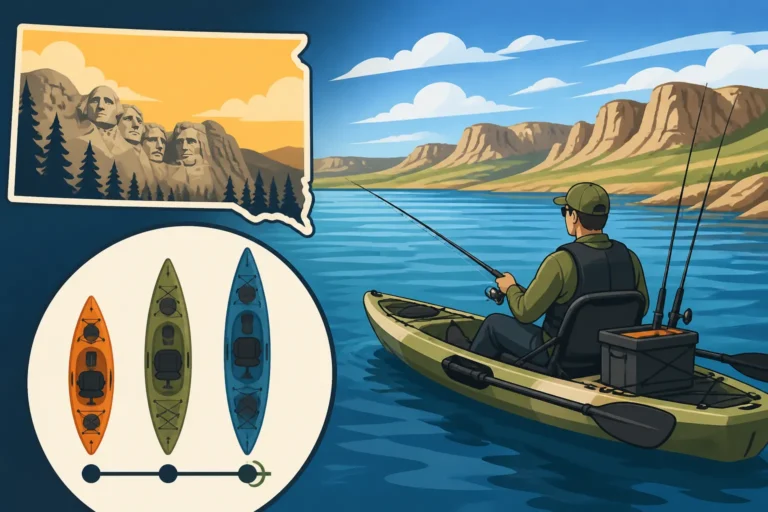
When it comes to non-motorized vessels like canoes, kayaks, stand-up paddleboards (SUPs), and rowboats, the age regulations tend to be far less restrictive, or even non-existent, for operation. This is primarily due to the inherent differences in speed, potential for collision, and overall impact on other water users compared to motorized craft. If you're planning a quiet paddle on a Black Hills trout stream or exploring the calmer bays of Lake Kampeska in a kayak, you generally won't encounter the same age-specific operating restrictions.
However, "less restrictive" doesn't mean "no rules at all." Safety is still paramount. While a young child might be able to physically paddle a kayak, parents and guardians are always responsible for ensuring their safety, which includes proper use of South Dakota Life Jacket Requirements and understanding water conditions. These types of craft are often fantastic for introducing very young children to being on the water in a more active role. For detailed information, you might look into South Dakota Non-Motorized Boat Registration Rules to understand if any specific vessel types require registration, regardless of who is operating them. You can pick up durable PFDs and other essential gear for non-motorized adventures from online retailers like Amazon.
The Importance of Boater Education for All Ages
While age requirements and supervision rules are critical, the underlying principle is always safe boating, and that comes down to education. Boater education isn't just for kids trying to get an early start; it's beneficial for every single person who steps onto a boat, regardless of their age or experience level. Laws and best practices evolve, new technologies emerge, and a refresher course can always sharpen your skills.
Consider an adult who has been boating for decades but has never formally taken a safety course. While their experience is valuable, a certified course can fill in gaps they might not even know they have, covering nuanced navigation rules or new environmental regulations. For families, this means that even if a child meets the age requirement for unsupervised operation, encouraging them to complete a boater safety course is a gift that provides a lifetime of safer enjoyment. It cultivates a culture of responsibility and respect for the waterways that is truly priceless. You might even find comprehensive guides in places like the South Dakota GFP Fishing Handbook Guide that touch on boating safety.
Practical Advice, Safety, and Legal Realities
Beyond the black and white of age limits, there's a whole world of practical advice, safety considerations, and legal realities that every boater, especially those with young operators, needs to be aware of in South Dakota.
Consequences of Operating Without Meeting Requirements
Ignoring South Dakota’s age and supervision requirements for boat operation isn't just a minor oversight; it can lead to serious legal ramifications. When an individual operates a motorized boat or PWC without meeting the established age requirements or necessary safety certifications, they are breaking the law. This isn't meant to scare anyone, but it's a critical reality check for parents and young operators alike.
The consequences can range from fines and citations issued by law enforcement, such as game wardens or county sheriffs, to more severe penalties in the event of an accident. If an underage or unqualified operator is involved in a boating incident, especially one causing injury or property damage, the legal fallout can be substantial, including potential liability issues. Beyond the legal troubles, there's the much graver risk of injury or fatality. These rules are in place for a reason: to protect operators, passengers, and other individuals enjoying South Dakota's waters. It underscores why understanding South Dakota Fishing Without a License Penalties and other related regulations is so crucial for any outdoor activity.
Beyond Age: Essential South Dakota Boat Safety Gear
While knowing the legal operating age is fundamental, it's merely one piece of the vast puzzle of safe boating. South Dakota, like all states, has specific requirements for safety equipment that must be carried on board various types of vessels. These items are non-negotiable and are crucial for preventing accidents and responding effectively when emergencies arise.
Every single person on a boat, regardless of age, must have access to a properly fitting U.S. Coast Guard-approved personal flotation device (PFD), or life jacket. Children, in particular, often have stricter requirements regarding when they must wear a life jacket. Other essential gear includes a sound-producing device (like a whistle or horn), a fire extinguisher on most motorized vessels, navigation lights if operating between sunset and sunrise, and sometimes even a throwable flotation device. Making sure your boat is equipped with all the necessary items before you even leave the dock is not just about compliance, but about safeguarding lives. You can find comprehensive checklists and purchase certified safety gear at outdoor retailers like Bass Pro Shops or through online platforms such as Amazon. South Dakota Boat Safety Equipment Requirements offers an in-depth look at what's mandatory for your vessel.
Fostering Responsible Young Boaters
For parents and guardians, teaching responsible boating goes far beyond simply adhering to legal age limits and carrying the right gear. It's about instilling a lifelong respect for the water, for other boaters, and for the delicate marine environment. It's an ongoing education that starts young and continues through example.
Encourage your children to participate in the entire boating process, from pre-trip checks and loading gear to understanding weather patterns and reading a chart. Talk to them about potential hazards, the importance of courtesy on the water, and how their actions can impact others. Teach them how to properly manage lines, tie knots, and understand the "rules of the road" on the water. Emphasize that operating a boat is a privilege that comes with significant responsibility. By doing so, you're not just creating a future boat operator; you're shaping a thoughtful, safety-conscious individual who will enjoy South Dakota's incredible waterways for years to come. Consider enrolling them in a formal boating safety course as early as possible – it’s an investment in their safety and enjoyment.
Here's a quick reference for general South Dakota boating age guidelines:
| Vessel Type | Minimum Age (General) | Conditions for Younger Operators | Key Considerations |
|---|---|---|---|
| Motorized Boat (Non-PWC) | Often 12-14+ for unsupervised operation | With adult (18+) supervision OR completion of approved boating safety course | Always verify current GFP regulations. Adult must be capable of taking immediate control. |
| Personal Watercraft (PWC) | Often 14+ for unsupervised operation | With adult (18+) supervision OR completion of approved boating safety course | Stricter rules common due to PWC characteristics. Boating safety course often strongly recommended or required for youth. |
| Non-Motorized (Kayak, Canoe, SUP) | No specific age limit for operation | Adult supervision always recommended for minors, esp. in open water | Focus on life jacket wear, water conditions, and physical capability. |
Disclaimer
This article is for general informational purposes only and does not constitute professional advice. Laws, prices and regulations vary by location and change over time. Consult a qualified professional for guidance on your specific situation.